Grooming Mistakes Every Pet Owner Should Avoid
Grooming Mistakes Every Pet Owner Should Avoid
As devoted pet owners, we strive to provide the best for our furry, feathered, or scaled companions. We ensure they have quality food, comfortable beds, plenty of toys, and endless affection. Yet, when it comes to grooming, many well-intentioned guardians inadvertently make errors that can compromise their pet’s health, happiness, and even their bond. It’s easy to overlook the nuances of a proper grooming routine, especially with the daily demands of life. However, understanding and rectifying these common grooming mistakes every pet owner should avoid is paramount to ensuring our beloved animals lead long, comfortable, and hygienic lives. This comprehensive guide will walk you through the most frequent blunders, offering practical advice to transform your grooming routine from a chore into a beneficial ritual.
The Unseen Perils of Neglecting Proper Pet Grooming
Grooming is far more than just aesthetics; it’s a fundamental aspect of preventive healthcare. Many pet owners, perhaps unknowingly, underestimate its significance. Think of it this way: just as we wouldn’t go weeks without showering or brushing our teeth, our pets require consistent care to maintain their physical well-being. Neglecting this vital routine doesn’t just lead to a scruffy appearance; it opens the door to a host of health problems. We’re talking about painful matting, skin infections hidden beneath a matted coat, dental disease that can lead to organ damage, and overgrown nails that cause lameness and discomfort. These aren’t minor inconveniences; they are serious issues that can result in expensive veterinary bills and, more importantly, unnecessary suffering for your pet. One of the biggest grooming mistakes every pet owner should avoid is assuming grooming is merely a superficial task. In reality, it’s a proactive measure against a myriad of potential ailments, ensuring your pet is not only looking their best but feeling their best too.
Common Bathing Blunders Every Pet Owner Should Avoid
Using Human Shampoo: A Recipe for Skin Irritation
This is perhaps one of the most common, yet easily avoidable, errors. Human shampoos, even “gentle” ones, are formulated for human skin pH levels, which are significantly different from those of dogs and cats. Using human products on your pet can strip their skin of natural oils, leading to dryness, irritation, itching, and even allergic reactions. Imagine trying to wash your delicate silk shirt with harsh laundry detergent; it simply won’t end well. Always opt for a high-quality shampoo specifically designed for pets, taking into account their coat type and any skin sensitivities they might have. There’s a reason pet-specific products exist – they’re tailored to their unique physiological needs.
Incorrect Water Temperature and Rinsing Thoroughness
Ever experienced a lukewarm shower on a cold day, or a scalding one when you just wanted a refresh? Pets feel the same way! Water that’s too hot can burn their sensitive skin, while water that’s too cold can be a terrifying and uncomfortable experience. Aim for lukewarm water – think baby bath temperature – which is comfortable and safe. Furthermore, not rinsing thoroughly enough is another significant blunder. Shampoo residue left on the coat can cause skin irritation, flakiness, and attract dirt more quickly, leading to a greasy feeling. Take your time during rinsing, ensuring every last bubble is gone. It often takes longer than you think, especially for pets with thick coats. Pay particular attention to areas like the armpits, groin, and under the tail.
Skipping Conditioning and Over-Bathing
Just like our hair, a pet’s coat can benefit immensely from conditioning, especially if they have long or prone-to-tangle fur. A good pet conditioner helps to moisturize the skin and coat, making it softer, shinier, and easier to brush, which in turn helps prevent matting. Forgetting this step is a disservice to your pet’s comfort. On the other hand, over-bathing is also a mistake. While hygiene is important, bathing your pet too frequently can strip their skin of essential natural oils, leading to dryness, itchiness, and even a compromised skin barrier, making them more susceptible to infections. The ideal bathing frequency varies greatly depending on the breed, coat type, activity level, and any skin conditions. For most pets, a bath every 4-6 weeks is sufficient, unless they’ve rolled in something particularly unpleasant!
Brushing Beyond the Surface: Overcoming Common Coat Care Missteps
Using the Wrong Brush Type and Not Brushing Often Enough
A “one-size-fits-all” approach to brushing is a definite pitfall. Different coat types require specific tools. A slicker brush might be perfect for a Golden Retriever, but wholly inadequate for a Poodle or a short-haired cat. Using the wrong brush can be ineffective, uncomfortable, or even damaging to your pet’s coat and skin. Invest in appropriate brushes for your pet’s specific fur type, whether it’s a de-shedding tool, a pin brush, a comb, or a rubber curry brush. Equally detrimental is not brushing frequently enough. Regular brushing removes loose hair, dirt, and debris, distributes natural skin oils, and, most crucially, prevents matting. For long-haired breeds, daily brushing might be necessary, while short-haired pets may only need it a few times a week. Ignoring this fundamental step is among the gravest grooming mistakes every pet owner should avoid, leading to painful tangles and skin issues.
Ignoring Undercoat and Dealing with Mats Incorrectly
Many breeds have a dense undercoat that sheds profusely. If you’re only brushing the top layer of fur, you’re missing the vast majority of dead hair trapped underneath. This trapped undercoat can quickly lead to painful mats, especially in areas of friction like behind the ears, armpits, and groin. Specialized de-shedding tools and techniques are essential for these double-coated breeds. Furthermore, finding a mat can be alarming, but trying to cut it out with scissors is incredibly dangerous. It’s shockingly easy to cut your pet’s skin underneath the mat, as the skin often gets pulled up into the tangle. Instead, try to gently work through small mats with your fingers and a comb, using a mat splitter if necessary, always pulling away from the skin. For severe matting, it’s always best to seek professional help rather than attempting a risky home remedy.
Nail Care Nightmares: Mistakes to Steer Clear Of
Cutting Too Short and Not Trimming Often Enough
The fear of “quicking” – cutting into the blood vessel and nerve ending within the nail – often leads pet owners to either avoid trimming altogether or only snip off the very tip. While caution is good, not trimming nails often enough can be incredibly detrimental. Overgrown nails can cause pain, deform your pet’s paws, make walking difficult, and even lead to serious joint problems over time. Imagine walking with shoes that are constantly too small and pushing your toes back. That’s what overgrown nails feel like to your pet. Aim for regular trims, typically every 2-4 weeks, depending on your pet’s activity level and nail growth rate. Learning where the quick is (or having a vet or groomer show you) is crucial. If your pet has dark nails, where the quick isn’t visible, trim small bits at a time until you see a small black dot in the center, which indicates you’re close to the quick.
Using Dull Clippers and Making it a Traumatic Experience
Dull clippers don’t cut; they crush the nail, which can be very painful for your pet. Always use sharp, high-quality clippers appropriate for your pet’s size. Keep them clean and consider replacing them periodically. Another common pitfall is turning nail trims into a traumatic event. If you approach the task with anxiety, your pet will pick up on it. Start early, introduce clippers slowly, offer treats, and make it a positive experience. If your pet is resistant, try trimming just one nail a day, or even just touching their paws and rewarding them. Patience and positive reinforcement are key. Remember, consistency helps build trust and makes the process smoother for both of you.
Dental Disasters: Oral Hygiene Errors Pet Owners Make
Skipping Teeth Brushing Entirely and Using Human Toothpaste
Many pet owners completely overlook dental hygiene, assuming their pet’s diet or chew toys are sufficient. This is a critical error. Just like humans, pets accumulate plaque and tartar, leading to gum disease, bad breath, and potentially serious systemic health issues if left unchecked. Periodontal disease is rampant in pets, affecting over 80% of dogs and 70% of cats by age three. Brushing your pet’s teeth regularly (daily is ideal, but a few times a week is a great start) is the single most effective way to combat this. Crucially, never use human toothpaste. It contains ingredients like fluoride and xylitol that are toxic to pets if ingested. Always use pet-specific toothpaste, which is safe to swallow and comes in flavors pets enjoy, like chicken or beef.
Ignoring Bad Breath and Relying Solely on Dental Treats
Many owners dismiss “dog breath” or “cat breath” as normal. In reality, persistent bad breath (halitosis) is a strong indicator of dental disease, not just a minor inconvenience. It signifies a bacterial overload in the mouth that needs attention. While dental treats, chews, and water additives can be beneficial, they are generally not a substitute for regular brushing. Think of them as supplements to a good oral hygiene routine, not the main event. They can help reduce plaque, but they rarely reach all tooth surfaces or effectively clean below the gum line where periodontal disease often begins. A comprehensive dental strategy combines brushing, appropriate dental chews, and regular professional dental cleanings by a veterinarian.
Ear and Eye Care: Overlooking These Sensitive Areas
Using Cotton Swabs Too Deeply in Ears and Ignoring Infection Signs
A common misconception is that pet ears should be cleaned with cotton swabs, much like human ears. However, a pet’s ear canal is L-shaped, and using a cotton swab can push debris further down, potentially causing blockages or even rupturing the eardrum. Instead, use a veterinarian-approved ear cleaning solution and cotton balls or gauze to gently wipe the visible parts of the ear. Never insert anything deep into the ear canal. Furthermore, ignoring early signs of ear infections – such as excessive head shaking, scratching at the ears, redness, swelling, discharge, or a foul odor – is another serious oversight. Prompt veterinary attention can prevent a minor issue from escalating into a painful and chronic condition.
Ignoring Eye Discharge or Redness
While some clear eye discharge can be normal, especially in certain breeds prone to tear staining, any excessive tearing, thick or colored discharge (yellow, green), redness of the eyes, swelling, squinting, or pawing at the face warrants immediate attention. These can be signs of allergies, foreign objects, infections, or more serious underlying health issues. A quick wipe with a damp, soft cloth is usually sufficient for minor crusting, but anything beyond that needs professional assessment. Never self-diagnose or use human eye drops without veterinary guidance, as they can be harmful to your pet.
The Emotional Aspect: How Grooming Mistakes Affect Your Pet’s Well-being
Beyond the physical consequences, poor grooming practices can deeply impact your pet’s emotional state. Imagine being held down, poked, prodded, and experiencing pain, all without understanding why. This is often how pets perceive a rough or painful grooming session. Repeated negative experiences can lead to severe anxiety, fear, and even aggression towards grooming tools, handlers, or even the act of being touched. This creates a vicious cycle where grooming becomes a battle, stress levels skyrocket for both pet and owner, and the essential care simply doesn’t get done. Building a positive association with grooming from an early age, using positive reinforcement, treats, and praise, is crucial. If your pet already has a negative association, approach grooming slowly, in short sessions, focusing on comfort and rewards. Sometimes, identifying and correcting grooming mistakes every pet owner should avoid involves rethinking the entire approach to make it a more pleasant experience for everyone involved.
When to Call the Pros: Recognizing Your Limitations and Seeking Expert Help
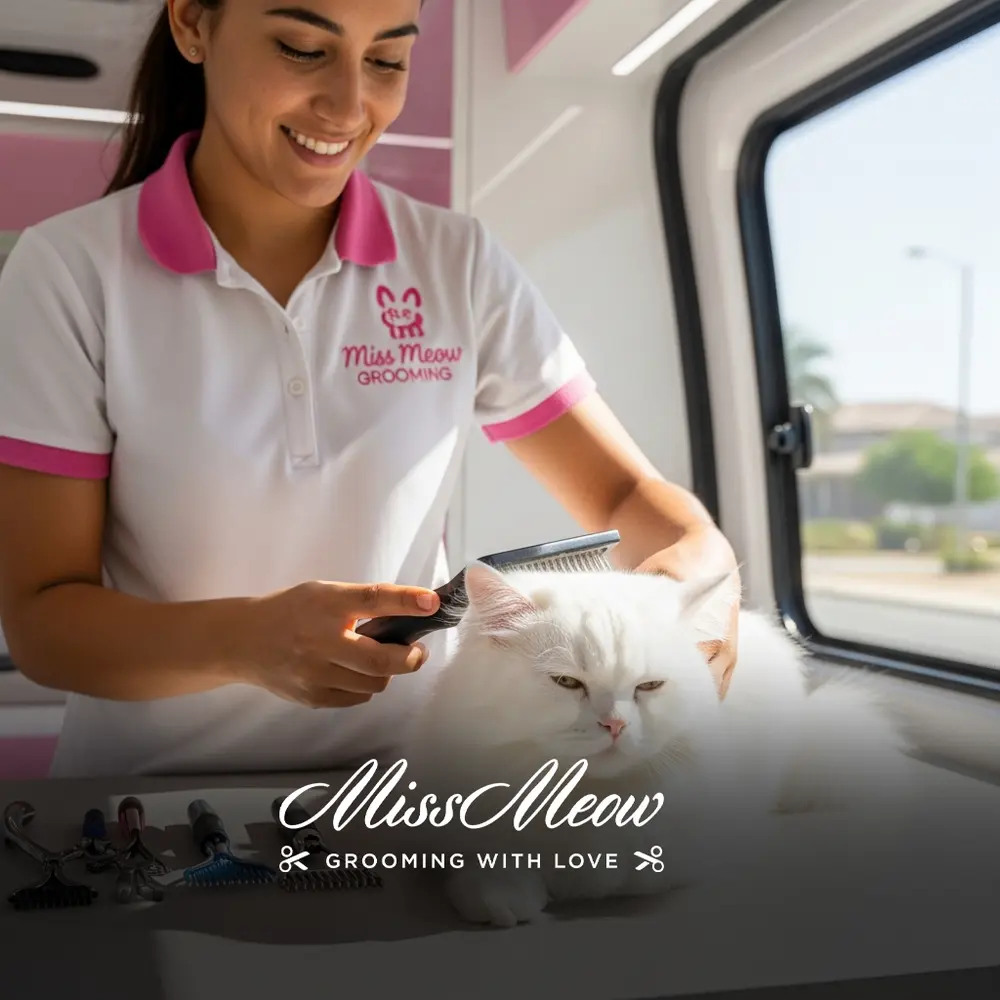
Let’s be honest, not every pet owner is equipped to handle every grooming task, and that’s perfectly okay! Recognizing your limitations is not a failure; it’s a responsible act of pet ownership. Some pets have incredibly challenging coats that require specific techniques and tools. Others might be anxious, aggressive, or have pre-existing conditions that make at-home grooming difficult or even dangerous. Severe matting, for instance, is not something to tackle at home with household scissors. It requires professional tools and expertise to safely remove without injuring the pet. This is where professional groomers truly shine. They possess the knowledge, specialized equipment, and often the patience and gentle touch needed to handle even the most challenging cases. For pet owners in Dubai seeking expert assistance, Missmeow Grooming offers a range of professional services. A qualified groomer can not only perform complex tasks like de-matting and breed-specific cuts but can also provide guidance on maintaining your pet’s coat between visits. They can identify potential issues you might miss and ensure your pet receives comprehensive care. If you find yourself struggling with a particular aspect of grooming, or if your pet displays significant resistance, don’t hesitate to reach out to a professional. Services like mobile pet grooming in Dubai can bring the salon experience right to your doorstep, making the process less stressful for your pet and more convenient for you. Whether you need specialized cat grooming services or a comprehensive treatment for your canine friend in a dedicated dog grooming van in Dubai, professionals are there to help. Investing in professional grooming is an investment in your pet’s health and happiness. You can learn more about Miss Meow pricing and packages or book a pet grooming appointment directly on their website.
Conclusion: Transforming Grooming from a Chore to a Cherished Ritual
Grooming is an ongoing commitment, an integral part of responsible pet ownership that extends far beyond mere vanity. It’s a powerful tool for maintaining health, preventing disease, and strengthening the bond you share with your companion. By understanding and actively avoiding the grooming mistakes every pet owner should avoid, you’re not just preventing problems; you’re actively contributing to your pet’s overall comfort, well-being, and longevity. From using the right shampoos and brushes to diligently caring for nails and teeth, every small effort counts. Remember, a well-groomed pet is typically a healthier and happier pet, free from discomfort, pain, and the stress of preventable issues. Take the time to educate yourself, observe your pet’s needs, and don’t be afraid to seek professional help when needed. Make grooming a positive, consistent experience, and you’ll undoubtedly enjoy many more years of joyful companionship with your wonderfully cared-for furry friend.

