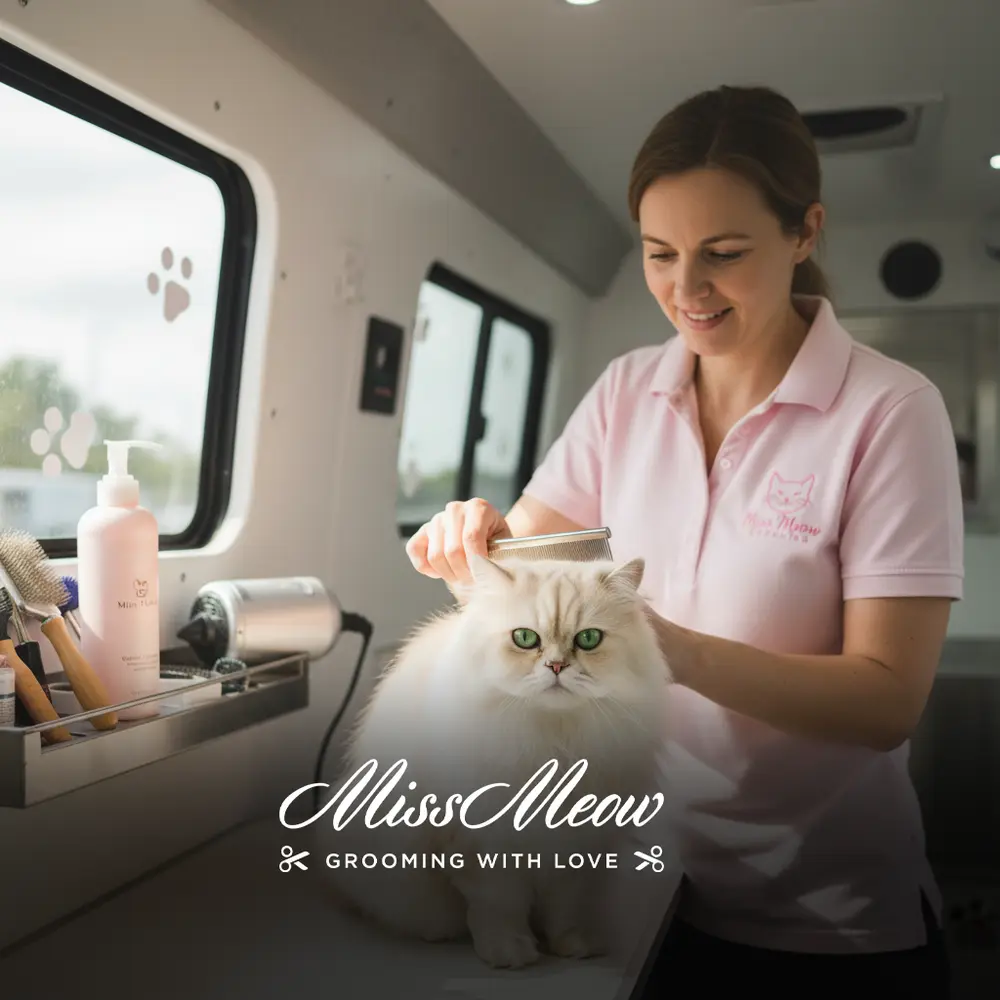
Grooming for Persian Cats: A Complete Guide
Grooming for Persian Cats: A Complete Guide
Ah, the Persian cat. With their distinctive flat faces, captivating eyes, and, most notably, their magnificent, flowing coats, these feline beauties are truly a sight to behold. They are living, purring works of art, adored for their serene disposition and luxurious appearance. However, any Persian cat parent will tell you that maintaining that exquisite coat is a labor of love – a dedicated ritual that goes far beyond a simple brush here and there. Indeed,
grooming for Persian cats
isn’t just about aesthetics; it’s a crucial component of their overall health and well-being. Neglect can lead to painful mats, skin issues, and discomfort for your beloved companion. This comprehensive guide aims to arm you with all the knowledge, tips, and tricks you’ll need to keep your Persian looking and feeling their absolute best, transforming grooming from a chore into a cherished bonding experience.
Why Grooming for Persian Cats is Non-Negotiable
Let’s be honest: that glorious, long coat isn’t going to maintain itself. Unlike short-haired breeds who can largely manage their self-grooming with minimal human intervention, Persian cats require significant assistance. Their double coat, consisting of a dense undercoat and long, silky guard hairs, is prone to several issues if not regularly maintained.
First and foremost, matting is the arch-nemesis of every Persian cat owner. Mats are tangled clumps of fur that can pull on the skin, causing pain, restricting movement, and even leading to skin infections if left unchecked. Beneath these mats, parasites can hide, and moisture can get trapped, creating a breeding ground for bacteria and fungi. What starts as a small tangle can quickly escalate into a painful, fur-bound straitjacket for your cat.
Beyond matting, regular grooming helps to remove loose hair, reducing shedding around your home (a win for both you and your furniture!). It also allows you to regularly inspect your cat’s skin for any abnormalities – bumps, cuts, rashes, or signs of fleas and ticks – enabling early detection of potential health problems. Furthermore, the act of brushing stimulates blood circulation and distributes natural skin oils, which are vital for a healthy, shiny coat.
Think of it this way: your Persian cat’s coat is their natural armor and their most defining feature. Proper
grooming for Persian cats
ensures this armor remains pristine, functional, and comfortable. It’s an investment in their comfort, health, and happiness, and ultimately, strengthens the bond you share.
Essential Tools for Persian Cat Grooming Success
Before you even think about starting your grooming routine, you need to gather the right arsenal of tools. Using incorrect brushes or subpar equipment can make the process frustrating for both you and your cat, potentially even causing discomfort. Here’s what you’ll need:
1. Brushes and Combs: Your Primary Weapons Against Tangles
- Slicker Brush: This brush features fine, short wires packed closely together on a flat surface. It’s excellent for removing loose hair, detangling the topcoat, and breaking up small mats. Be gentle, as the wires can be sharp if used with too much pressure.
- Metal Comb (Wide-toothed and Fine-toothed): A good quality stainless steel comb is indispensable. Start with the wide-toothed side to gently work through larger tangles, then switch to the fine-toothed side for finishing touches and to ensure no hidden knots remain, especially in sensitive areas like the “armpits” and “britches.”
- Pin Brush: With widely spaced pins, this brush is ideal for the general upkeep of the long coat, distributing oils, and adding fluff. It’s gentler than a slicker brush and great for daily maintenance.
- De-shedding Tool (e.g., Furminator-style): While not for daily use, a de-shedding tool can be incredibly effective during shedding seasons to remove the dense undercoat. Use sparingly and carefully to avoid irritating the skin.
2. Bathing Essentials: Keeping the Coat Pristine
- Cat-Specific Shampoo and Conditioner: Never use human shampoo on your cat, as their skin pH is different. Opt for a high-quality, moisturizing cat shampoo, possibly one formulated for long-haired breeds or sensitive skin. A conditioner is crucial for softening the fur and preventing tangles post-bath.
- Rubber Mat: Place this in the sink or tub to give your cat traction, making them feel more secure during bathing.
- Several Towels: You’ll need plenty to blot and wrap your cat after their bath.
- Hair Dryer (with a cool setting): A pet-specific dryer or a human dryer on a low, cool setting can significantly speed up drying and prevent matting as the coat dries.
3. Nail and Ear Care: The Often-Overlooked Details
- Cat Nail Clippers: Invest in sharp, good quality clippers (scissor or guillotine style). Dull clippers can split the nail.
- Styptic Powder: Keep this on hand in case you accidentally cut too far and nick the quick of the nail. It will stop the bleeding quickly.
- Ear Cleaner: A veterinarian-approved ear cleaning solution for cats is necessary for keeping their ears free from wax and debris.
- Cotton Balls or Soft Cloth: For applying ear cleaner and gently wiping the outer ear.
4. Eye Care and General Hygiene
- Soft Cloths or Cotton Pads: For gently wiping away tear stains and discharge from your Persian’s eyes.
- Warm Water or Saline Solution: Use these for eye cleaning.
Having all these tools readily available before you start will make the
grooming for Persian cats
process much smoother and less stressful for everyone involved.
The Step-by-Step Grooming for Persian Cats Process
Now that you’re equipped, let’s walk through the comprehensive grooming routine. Remember, patience is key, and positive reinforcement (treats, praise!) goes a long way.
1. The Pre-Bath Brush-Out: Crucial First Step
This is arguably the most vital step. You absolutely must remove all tangles and mats before bathing your Persian. Water will only tighten mats, making them nearly impossible to remove without shaving. Spend a good 15-30 minutes, or even longer for a heavily matted cat, meticulously working through the coat.
Start with the wide-toothed metal comb, gently working from the tips of the fur towards the skin, section by section. Pay extra attention to common matting areas: behind the ears, under the chin, in the “armpits,” on the belly, and around the “britches” (the long fur around their hind legs). Use a slicker brush to remove loose hair. If you encounter a mat, try to gently tease it apart with your fingers or the wide-toothed comb. For stubborn mats, a mat splitter or blunt-nosed scissors (used with extreme caution, always pointing away from the skin) might be necessary, but if you’re unsure, it’s best to consult a professional groomer.
2. The Bath: A Spa Day for Your Feline
Persian cats should be bathed every 4-6 weeks, or more frequently if they get particularly dirty or have skin issues.
Preparation: Trim nails beforehand to minimize scratches. Place a rubber mat in the sink or tub. Have your shampoo, conditioner, and towels ready.
Wetting Down: Gently place your cat in the tub. Use a handheld sprayer or a pitcher to thoroughly wet their entire coat with lukewarm water. Speak in a calm, soothing voice.
Shampooing: Apply a small amount of cat shampoo, working it gently into the fur. Avoid getting soap in their eyes and ears. Start from the neck and work your way down to the tail. Lather thoroughly but gently.
Rinsing: This is critical. Rinse, rinse, and rinse again until the water runs clear and you can feel no residue in the fur. Any leftover shampoo can irritate the skin and attract dirt faster.
Conditioning: Apply cat conditioner, focusing on the ends and areas prone to tangles. Let it sit for a few minutes as per product instructions, then rinse thoroughly.
Initial Drying: Immediately after rinsing, gently squeeze excess water from the coat. Wrap your cat in a large, absorbent towel and gently blot. Avoid rubbing vigorously, as this can cause tangles.
3. Drying: Preventing Mats and Promoting Fluff
This is where many Persian cat owners go wrong. Air-drying a Persian cat is an invitation for mats. You must dry their coat thoroughly and promptly.
Using a hair dryer on a low, cool setting, continuously brush the fur as you dry. Use your pin brush or slicker brush to ensure the fur is drying straight and tangle-free. Pay close attention to the undercoat, ensuring it’s completely dry. This process can take a significant amount of time, but it’s essential for preventing mats. You can also use a “forced air” pet dryer, which is faster and more efficient, if you have one.
4. Nail Trimming: Keeping Paws Healthy
Aim to trim your Persian’s nails every 2-4 weeks. Gently press on each toe pad to extend the nail. Clip only the sharp tip, avoiding the pink “quick” which contains blood vessels and nerves. If you’re unsure, just clip the very end of the hook. If you accidentally cut the quick, apply styptic powder immediately. Regular handling of paws from a young age can make this task much easier.
5. Ear Cleaning: A Clear Connection
Check your cat’s ears weekly. If you notice dirt or wax, or if they shake their head or scratch their ears, it’s time for a clean.
Apply a veterinarian-approved ear cleaning solution to a cotton ball or soft cloth. Gently wipe the visible parts of the outer ear. Never insert anything into the ear canal. If you notice redness, discharge, or a foul odor, consult your vet, as this could indicate an infection.
6. Eye Care: Clearing the Path to Beauty
Persian cats are known for their brachycephalic (flat) faces, which can lead to increased tear production and tear staining. Daily wiping of the eyes is often necessary.
Use a soft, damp cloth or a specially designed pet eye wipe to gently clean away any discharge or tear stains around the eyes. Always wipe away from the eye, and use a fresh part of the cloth for each eye to prevent cross-contamination. Persistent or excessive tearing, or green/yellow discharge, warrants a vet visit.
Dealing with Common Grooming Challenges
Even with the best intentions, you might encounter some hurdles when
grooming for Persian cats
.
Matting Mayhem
If you find a mat, don’t panic. Small, loose mats can often be worked out with a wide-toothed comb and a detangling spray. Hold the fur at the base of the mat close to the skin to prevent pulling, then gently tease the mat apart from the ends. For larger, tighter mats, consider using a mat splitter or, if you’re not confident, seek professional help. Remember, never pull on a mat aggressively.
The Reluctant Grooming Partner
Some cats simply don’t enjoy grooming. Start grooming sessions when your cat is relaxed and sleepy. Keep sessions short initially and gradually increase the duration. Use plenty of praise, gentle petting, and treats. If your cat becomes agitated, stop and try again later. Consistency and positive association are key. It’s a marathon, not a sprint.
Excessive Shedding
Persians naturally shed, especially during seasonal changes. During these times, increase your brushing frequency, perhaps even twice daily. A de-shedding tool can be used once a week to help remove the heavy undercoat. A high-quality diet rich in Omega fatty acids can also contribute to healthier skin and coat, potentially reducing excessive shedding.
When to Seek Professional Grooming Services
Despite your best efforts, there are times when calling in the experts is the wisest decision. Professional groomers have specialized tools, training, and experience to handle even the most challenging Persian coats.
If your Persian has severe matting that you can’t safely remove, a professional groomer can gently and effectively shave or demat the coat, preventing discomfort and potential injury to your cat. They can also offer hygienic trims, lion cuts (which can be a godsend in hot climates or for cats prone to severe matting), and thorough cleaning of ears and eyes.
Sometimes, the convenience alone is worth it. Life gets busy, and finding the time for a full, multi-hour grooming session can be tough. That’s where professional cat grooming services come in handy. Services like mobile pet grooming in Dubai can bring the salon experience right to your doorstep, saving you travel time and stress.
At
Missmeow Grooming
, for instance, they understand the unique needs of Persian cats and are equipped to provide top-tier care, ensuring your feline friend receives expert attention without the hassle of a clinic visit. While our conversation today orbits around the majestic Persian, it’s a testament to professional groomers that they often cater to a diverse clientele. Missmeow Grooming also understands the specific needs of canines, even offering a dedicated dog grooming van in Dubai to ensure every pet gets the tailored attention it deserves.
Before booking, it’s always a good idea to check out the services offered, such as Miss Meow pricing and packages to find one that suits your needs. Don’t hesitate to book a pet grooming appointment if you feel overwhelmed or simply want to treat your Persian to a professional pampering session. It’s an act of love, not a sign of failure.
Maintaining Coat Health Between Professional Grooming for Persian Cats Sessions
Even with regular professional visits, daily home maintenance is crucial. A quick 5-10 minute brushing session each day can prevent the build-up of tangles and loose hair, making the longer grooming sessions much easier.
Beyond brushing, consider your cat’s diet. High-quality cat food with essential fatty acids (Omega-3 and Omega-6) can dramatically improve skin health and coat luster from the inside out. Supplements, if recommended by your vet, can also play a role.
The environment matters too. Keeping your home relatively dust-free and ensuring your cat has access to clean water helps with overall health, which reflects in their coat. Regular playtime also keeps them active and happy, contributing to their general well-being.
The Joy of a Well-Groomed Persian
Undertaking
grooming for Persian cats
is a commitment, there’s no denying that. It requires patience, the right tools, and a consistent routine. However, the rewards are immeasurable. A well-groomed Persian is a comfortable, healthy, and happy cat. Their coat will be silky, free of mats, and gleaming, showcasing their inherent beauty. The regular interaction also strengthens the bond between you and your feline companion, turning what could be a chore into a loving ritual. So, embrace the brushes, the baths, and the commitment – your beautiful Persian cat will thank you for it with purrs, head-nuzzles, and perhaps, a slightly less hair-covered sofa. Enjoy the journey of caring for your magnificent feline friend!

