How to Maintain Your Pet’s Coat Between Appointments
How to Maintain Your Pet’s Coat Between Appointments
We all know that feeling of picking up our furry friends from a professional groomer. They look pristine, smell like a dream, and their fur feels like a soft cloud. For those few golden days, your living room remains free of hair tumbleweeds, and your pet looks like they are ready for a dog-show championship. But as the days turn into weeks, that salon-fresh look begins to fade. Mud from the garden finds its way into the undercoat, small knots begin to form behind the ears, and that signature “wet dog” or “dusty cat” aroma starts to creep back in. Learning how to maintain your pet’s coat between appointments isn’t just about vanity; it is a fundamental part of responsible pet ownership that ensures your companion remains comfortable, healthy, and happy.
Think of home maintenance as the daily brushing of teeth between dental check-ups. You wouldn’t expect a dentist to fix months of neglect in one hour without some discomfort, and the same logic applies to grooming. When we take the time to brush, clean, and inspect our pets regularly, we make the professional’s job easier and, more importantly, we make the experience far less stressful for our pets. In this comprehensive guide, we will explore the nuances of coat care, from the tools you need to the dietary choices that make a difference, ensuring you know exactly how to maintain your pet’s coat between appointments.
The Foundation: Why You Should Learn How to Maintain Your Pet’s Coat Between Appointments
It is easy to view grooming as a purely aesthetic endeavor, but for many breeds, it is a medical necessity. When fur is left to its own devices, it can mat. Matting is not just an eyesore; it’s a painful condition where the hair tangles so tightly that it pulls on the skin, causing irritation, bruising, and even cutting off circulation. Furthermore, mats can trap moisture and bacteria against the skin, leading to painful “hot spots” or fungal infections. By understanding how to maintain your pet’s coat between appointments, you are essentially providing preventative healthcare.
Beyond the physical benefits, regular grooming at home serves as a vital bonding opportunity. In the wild, animals groom one another to establish social hierarchy and show affection. When you sit down with a brush, you are communicating love and care. Moreover, this ritual allows you to perform a “body scan.” You are much more likely to notice a new lump, a hidden tick, or a sensitive joint if you are running your hands over your pet every other day. It is this proactive approach that often catches health issues before they become emergencies.
Selecting the Right Toolkit for Home Maintenance
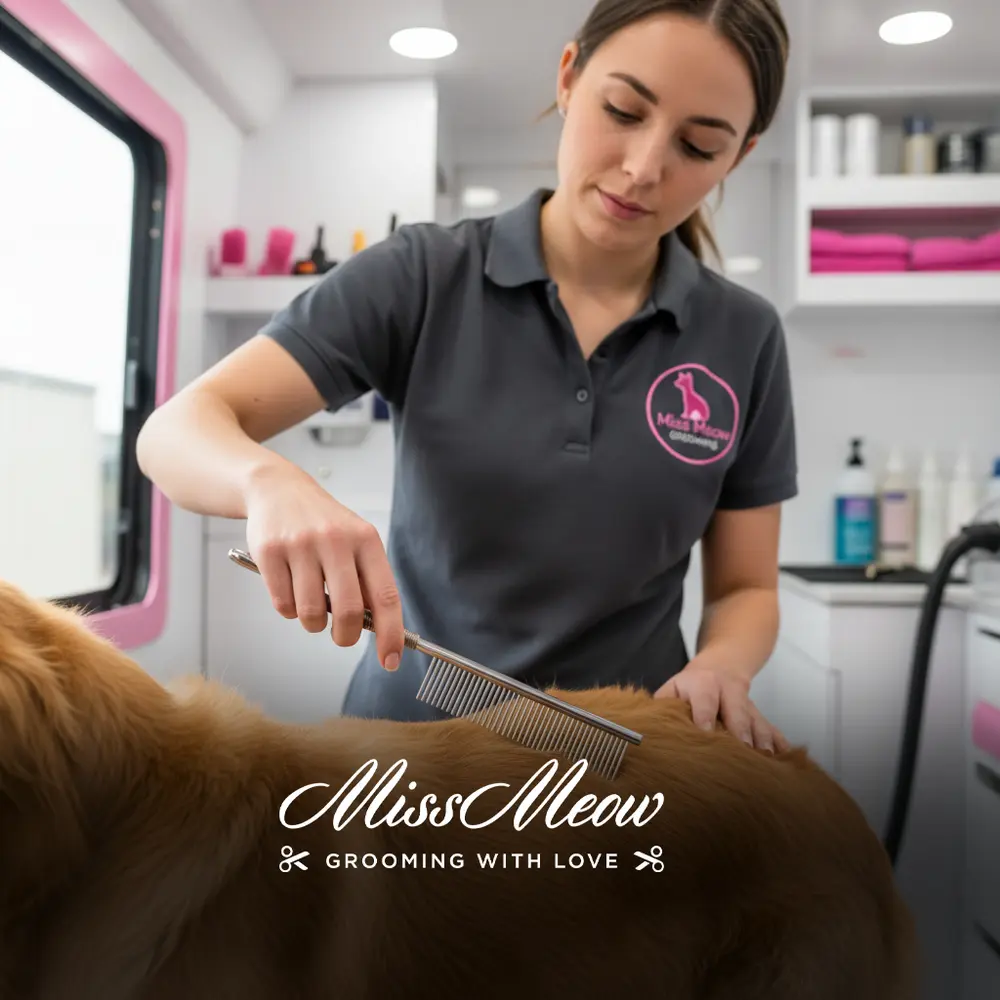
Before you dive into the process, you need the right gear. Using a human hairbrush on a Chow Chow is about as effective as using a toothbrush to scrub a kitchen floor. Different coats require different technologies. For short-haired breeds like Beagles or Labradors, a rubber curry brush is your best friend. It works by vibrating the skin and pulling out loose dead hair that would otherwise end up on your sofa. For long-haired or double-coated breeds, a slicker brush and a high-quality metal comb (often called a “greyhound comb”) are non-negotiable.
Let’s be honest, the sheer variety of brushes available can be overwhelming. However, a general rule of thumb is to have one tool for de-shedding (like an undercoat rake) and one for finishing (like a soft bristle brush). If you have a cat, you might find that they are more particular about the texture of the bristles. Many feline owners find success with smaller, softer slicker brushes that mimic the sensation of a mother cat’s tongue. When you understand how to maintain your pet’s coat between appointments, you realize that the tool is just as important as the technique.
The Magic of the Metal Comb
The slicker brush is great for the surface, but it often misses the “tangle zones” near the skin. This is where the metal comb comes in. After brushing, you should be able to run a comb through the fur from the root to the tip without catching. If the comb stops, you’ve found a knot. Addressing these tiny snags immediately prevents them from evolving into the dreaded mats that require a professional to shave them off. This simple step is a cornerstone of how to maintain your pet’s coat between appointments.
How to Maintain Your Pet’s Coat Between Appointments: The Art of Brushing
Brushing should never be a chore that you rush through. If you are stressed, your pet will pick up on that energy and associate grooming with anxiety. Instead, make it a “high-reward” activity. Start slow, especially if your pet is young or rescue-derived and wary of touch. Use plenty of treats and praise. The goal is to reach a point where your pet sees the brush and starts wagging their tail or purring in anticipation.
When brushing, always work in sections. Start at the bottom of the legs and work your way up. This “line brushing” technique ensures that you aren’t just smoothing over the top layer of fur while leaving a mess underneath. Pay special attention to high-friction areas: the armpits, behind the ears, the “trousers” (back of the thighs), and where the collar or harness sits. These are the prime locations for tangles. Consistency is the secret ingredient; five minutes of brushing every day is significantly more effective than an hour-long session once every two weeks.
Bathing Basics: Keeping Your Pet Fresh Without the Stress
Occasionally, your pet will get into something truly unpleasant—perhaps a muddy puddle or something even more “fragrant.” While you might be tempted to call for a dog grooming van in Dubai immediately, there are times when a quick home bath is necessary. However, bathing too frequently can strip the skin of natural oils, leading to dryness and itching. Most pets only need a full bath every 4 to 6 weeks, provided they are being brushed regularly.
When you do bathe them at home, use a shampoo specifically formulated for pets. Human skin has a different pH level than canine or feline skin, and our shampoos can be far too acidic and harsh for them. Always ensure the water is lukewarm—not hot—and be incredibly thorough when rinsing. Leftover soap residue is a leading cause of skin irritation. Once the bath is over, drying is the most critical step. A damp undercoat is the perfect breeding ground for bacteria and can actually cause the hair to mat tighter as it dries.
Managing Feline Coats: Unique Challenges
Cats are often touted as self-cleaning machines, but that doesn’t mean they don’t need help. Long-haired breeds like Persians or Maine Coons are particularly prone to matting because their fur is so fine. Even short-haired cats can struggle with hairballs if they are ingesting too much loose fur during their own grooming sessions. Utilizing professional cat grooming services is a great way to keep things manageable, but home care is still vital.
To keep a cat’s coat in top shape, focus on gentle, frequent sessions. Since cats can be more sensitive to touch than dogs, keep the sessions short. If your cat starts twitching their tail or pinning their ears back, it’s time to stop. By integrating a few minutes of combing into your daily routine, you can significantly reduce the amount of loose fur in your home and the number of hairballs your cat has to deal with. This is a key part of how to maintain your pet’s coat between appointments for our feline friends.
Nutrition: The Internal Side of Coat Maintenance
We’ve talked a lot about external tools, but a shiny, healthy coat starts from within. If a pet isn’t getting the right nutrients, their fur will look dull, brittle, and may shed excessively. High-quality proteins are essential because hair is primarily made of keratin, a protein. Additionally, Omega-3 and Omega-6 fatty acids are the “miracle workers” for skin health. They help maintain the skin’s moisture barrier and produce that beautiful shine we all love.
If you notice your pet’s coat is looking a bit lackluster despite regular brushing, it might be time to look at their bowl. Sometimes, adding a small amount of fish oil or a specialized skin-and-coat supplement can make a world of difference. Always consult with your vet before making major dietary changes, but remember that what goes in is just as important as what you do on the outside. This holistic view is part of the secret of how to maintain your pet’s coat between appointments.
The Small Details: Eyes, Ears, and Paws
Maintaining a coat isn’t just about the torso and limbs. The “peripherals” need love too. For breeds with white fur or flat faces, tear staining can be a real issue. Wiping the area under the eyes daily with a damp, soft cloth can prevent the buildup of bacteria and staining. Similarly, check the ears once a week. They should be pale pink and odorless. If you see dark debris or smell something yeasty, it’s time for a professional cleaning or a vet visit.
Paws also require attention. Long hair growing between the pads can trap burrs, pebbles, and ice, making walking uncomfortable. It also acts like a mop, bringing in dirt from outside. Keeping this “pad hair” trimmed short is a hallmark of a well-maintained pet. At Missmeow Grooming, we often see how a little bit of attention to the paws can prevent a whole host of mobility and cleanliness issues. These small tasks are easy to overlook, but they are essential components of how to maintain your pet’s coat between appointments.
When to Call the Professionals
Even with the best home routine, there comes a point where professional intervention is necessary. Professional groomers have access to industrial-strength dryers, high-quality shears, and, most importantly, the expertise to handle difficult areas like nail trimming and anal gland expression. If you find a mat that is tight against the skin, do not try to cut it out with scissors. It is incredibly easy to accidentally snip the skin, leading to a trip to the vet. This is the moment to search for mobile pet grooming in Dubai to get expert help safely.
Professional groomers can also provide services that are difficult to do at home, such as “sanitary trims” or de-shedding treatments that use specialized blowers to remove the dead undercoat. If you are curious about what a full session entails or what the investment looks like, checking out Miss Meow pricing and packages can help you plan your pet’s maintenance schedule. A good rule of thumb is to have a professional session every 4 to 8 weeks, depending on the breed and how well you are doing with your home routine.
Common Mistakes to Avoid
In our quest to learn how to maintain your pet’s coat between appointments, we sometimes make well-intentioned mistakes. One of the most common is “surface brushing.” This happens when an owner brushes the top layer of a double-coated dog, thinking they’ve done a great job, only to find a solid carpet of mats underneath a few weeks later. Always remember: if you can’t see the skin when you part the hair, you haven’t brushed deep enough.
Another mistake is bathing a matted pet. Water acts like a glue for tangles; it causes the hair fibers to swell and then tighten as they dry, turning a small knot into a concrete-hard mat. Always, always brush your pet thoroughly and remove any tangles before they ever touch the water. Finally, don’t forget to reward your pet. If the only time you touch them is to pull on their hair, they will learn to hide when the brush comes out. Balance the “work” with plenty of “play” and “cuddles.”
Handling Shedding Seasons
Twice a year, many pets undergo a “coat blow,” where they transition between their winter and summer coats. During these times, your home maintenance routine needs to ramp up. You might find yourself brushing daily just to keep up with the volume of fur. Using a de-shedding tool during these periods is a lifesaver. It helps the old coat fall away faster, allowing the new, healthy coat to grow in without getting trapped. Understanding these seasonal shifts is a vital part of knowing how to maintain your pet’s coat between appointments.
The Psychological Benefit of a Groomed Pet
It sounds strange to talk about a dog’s “psychology” regarding their hair, but there is a visible difference in the confidence of a clean pet. A matted dog often becomes lethargic because moving is uncomfortable. A cat with a dirty coat may spend excessive time hiding as they feel vulnerable. When your pet is clean, brushed, and free of irritants, they are more active, more social, and generally more pleasant to be around. Your efforts in learning how to maintain your pet’s coat between appointments directly contribute to their quality of life.
Furthermore, your home stays cleaner. A well-maintained coat traps less dander and fewer allergens. If anyone in your household suffers from mild pet allergies, a strict brushing routine can be the difference between a sniffle-free home and constant sneezing. It’s a win-win situation for every inhabitant of the house, whether they have two legs or four.
Conclusion: Consistency is Key
Maintaining your pet’s coat isn’t a secret art reserved for the experts. It is a series of small, manageable habits that, when performed consistently, yield incredible results. By investing in the right tools, understanding your pet’s specific coat type, and keeping a watchful eye on their nutrition and “peripheral” health, you can keep that salon-fresh look alive for much longer. You will save money on “dematting” fees, and more importantly, your pet will feel comfortable in their own skin.
Remember, you don’t have to do it all alone. If you find yourself falling behind or if your pet’s coat has reached a stage where home tools aren’t enough, don’t hesitate to reach out for professional support. Now is the perfect time to book a pet grooming appointment to get a “reset” so you can start your home maintenance routine on a clean slate. With a little bit of patience and a lot of love, you will master how to maintain your pet’s coat between appointments, ensuring your furry friend always looks and feels like the superstar they are.

