The Lion Cut for Cats: Pros, Cons, and Maintenance
Imagine your fluffy Persian or long-haired Maine Coon walking across the living room floor, but instead of the usual cloud of fur, they sport a majestic mane and a velvet-smooth body. This striking look is known as the lion cut. It is perhaps one of the most recognizable grooming styles in the feline world, transforming even the most domesticated house cat into a miniature king of the jungle. However, while the aesthetic is undeniably eye-catching, the decision to shave a cat is never one to be taken lightly. As a responsible pet owner, understanding the full scope of The Lion Cut for Cats: Pros, Cons, and Maintenance is essential before you pick up the clippers or head to the groomer.
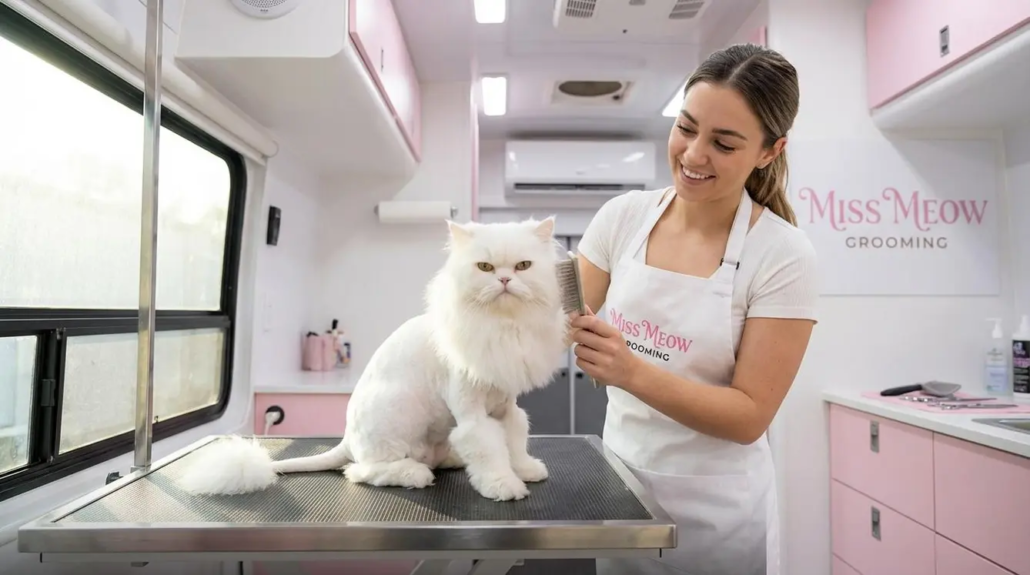
The lion cut involves shaving the fur on the cat’s body, leaving the hair long on the head, neck, and chest (the mane), the lower legs (the boots), and the tip of the tail (the pom-pom). While it looks like a fashion statement, it often serves a much more practical purpose. For many cats, particularly those with dense undercoats that are prone to severe matting, this cut is less about “style” and more about “sanity.” But let’s be honest: it does look quite impressive. Before you dive into this transformation, it is important to weigh the health benefits against the potential risks, ensuring your cat’s comfort remains the top priority.
Why Pet Owners Consider The Lion Cut for Cats: Pros, Cons, and Maintenance
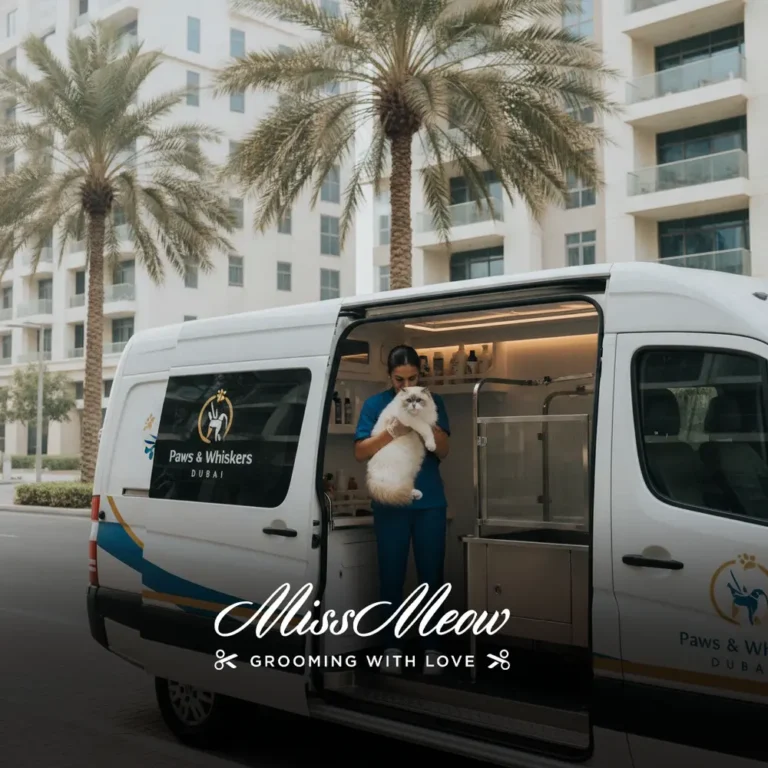
The motivation behind choosing a lion cut usually falls into two categories: medical necessity or lifestyle convenience. For cats living in warmer climates, such as the sweltering heat of the Middle East, owners often seek ways to keep their pets cool. While a cat’s fur naturally provides some insulation, heavy, matted coats can trap heat and lead to discomfort. This is where mobile pet grooming in Dubai becomes a lifesaver, providing professional trimming in a controlled environment to help pets cope with the soaring temperatures.
Beyond the heat, the lion cut is a primary solution for the dreaded “matting” issue. If you have ever tried to brush a stubborn cat that hates being touched, you know the struggle. When mats become too tight against the skin, they cause pain, restrict movement, and can even lead to skin infections. In these cases, a lion cut isn’t just a choice; it’s a relief. It removes the source of the pain and allows the skin to breathe. However, because cats have incredibly thin skin—much thinner than human or even dog skin—this procedure requires a high level of expertise. One wrong move with a clipper can lead to a nasty nick or tear.
The Benefits: Why the Lion Cut Might Be the Right Choice
Let’s look at the “pros” of this unique grooming style. The most immediate benefit is a massive reduction in shedding. If you find yourself vacuuming three times a day just to keep up with the drifts of fur in your hallways, the lion cut will feel like a miracle. Without the long guard hairs and dense undercoat, the amount of dander and loose fur in your home drops significantly. This can be a game-changer for owners who suffer from mild allergies but can’t imagine life without their feline companions.
Another major advantage is the prevention of hairballs. Cats are fastidious groomers, but for long-haired breeds, all that licking means swallowing a lot of fur. Over time, this leads to the classic “hacking” sound and the unpleasant cleanup that follows. By removing the bulk of the coat, you are essentially reducing the amount of material your cat can ingest, leading to a happier digestive system. Furthermore, many senior cats or those with arthritis struggle to groom themselves properly. A lion cut simplifies their hygiene routine, keeping them clean and comfortable without the need for constant, painful grooming sessions.
Reduced Grooming Stress for Owners and Pets
For many owners, the daily battle with the brush is a source of tension. If your cat views the slicker brush as a mortal enemy, your bonding time is likely suffering. By opting for professional cat grooming services, you can reset the clock. Once the matted fur is gone, the cat often feels lighter and more energetic. We have seen many cats “zoom” around the house after a lion cut, seemingly enjoying the newfound freedom of movement. It’s a way to give your pet a fresh start, especially if their coat has become unmanageable due to age or illness.
The Drawbacks: Understanding the “Cons” of Shaving Your Cat
However, we must look at the other side of the coin. The Lion Cut for Cats: Pros, Cons, and Maintenance isn’t all sunshine and pom-pom tails. One of the most significant drawbacks is the loss of natural thermoregulation. A cat’s coat is designed by nature to insulate them from both cold and heat. When you shave that coat off, you are removing their built-in thermostat. In a home with strong air conditioning, a shaved cat might actually feel too cold and start seeking out heat lamps or hiding under blankets.
There is also the risk of sunburn and skin damage. A cat’s skin is not meant to be exposed directly to UV rays. If your cat enjoys sunbathing on a balcony or near a window, a shaved body makes them highly vulnerable to burns. Additionally, without the protection of fur, their skin is more susceptible to scratches, abrasions, and irritation. Some cats also experience a psychological impact. While some thrive, others may feel vulnerable or “naked,” leading to temporary changes in behavior such as hiding or excessive grooming of the remaining tufts of hair.
The Risk of Professional Grooming Stress
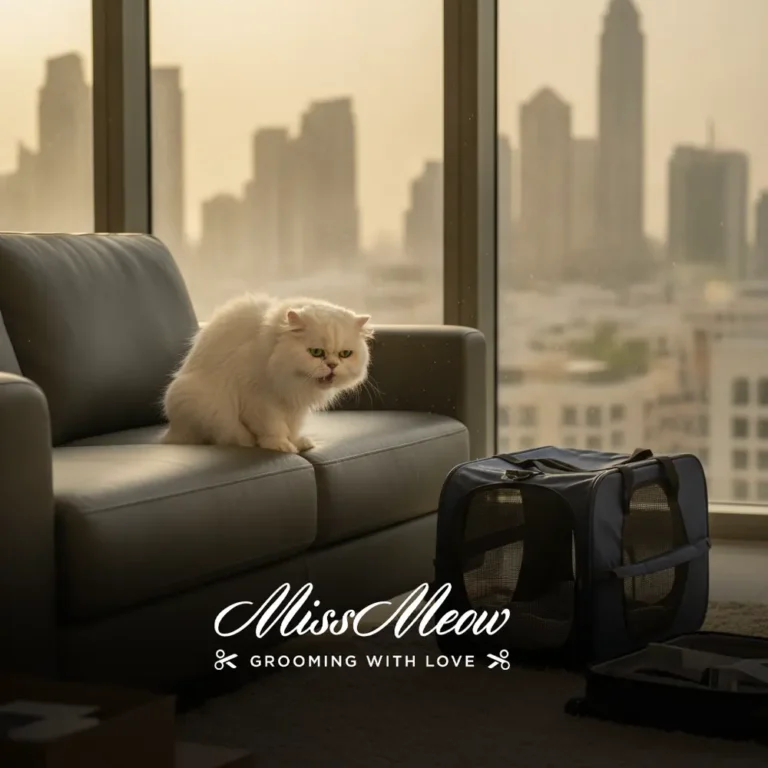
The process of getting a lion cut can be stressful. The sound and vibration of clippers are alien to most cats. This is why it is vital to choose a service that understands feline behavior. Missmeow Grooming specializes in handling delicate pets with a gentle touch, ensuring that the experience is as calm as possible. For dogs, a trip to a dog grooming van in Dubai might be a standard adventure, but for cats, the environment needs to be specifically tailored to their need for security and quiet. Without professional handling, a cat might become traumatized by the grooming process, making future visits even more difficult.
Maintenance and Aftercare: Life After the Shave
Once the lion cut is complete, your job as an owner isn’t over. In fact, a new type of maintenance begins. You need to keep a close eye on your cat’s skin. Since the protective barrier of fur is gone, you should check for any signs of redness, dryness, or irritation. Occasionally, a cat’s skin can become flaky after a shave, requiring a feline-safe moisturizer or a change in diet to include more Omega-3 fatty acids to support skin health.
You also need to maintain the parts of the cat that *weren’t* shaved. The mane, the boots, and the tail tuft still require regular brushing to prevent mats from forming at the borders of the shave. If you ignore these areas, you’ll end up with a cat that has a smooth body but a tangled, messy head and tail, which defeats the purpose of the groom. When you look into Miss Meow pricing and packages, you’ll see that maintenance is often part of a holistic approach to pet care, ensuring your cat stays in top condition from head to toe.
Sun Protection and Temperature Control
As mentioned earlier, managing the environment is crucial. If your cat has a lion cut, you may need to limit their time in direct sunlight. If they are an indoor-outdoor cat (which is rare in many urban areas but still happens), they should ideally remain indoors during peak sun hours. Inside the home, ensure there are warm spots available. A cozy bed or a sunny (but filtered) window spot will help them stay comfortable if the AC is running high. It’s all about balance—providing the relief of a short coat while compensating for the loss of natural protection.
How the Fur Grows Back: The Prickly Phase
Many owners are surprised by how long it takes for the fur to return to its original glory. Typically, it takes about three to six months for a full coat to grow back, though this varies by breed and individual health. During the first few weeks, the fur will feel “velvety” or like suede. As it grows longer, it can enter a “prickly” stage that might be slightly itchy for the cat. During this time, gentle brushing can help stimulate the skin and keep the new growth from tangling.
Interestingly, sometimes the texture or color of the fur can change slightly as it grows back. This is particularly common in older cats or certain breeds. The new fur might be a bit softer or, in some cases, slightly darker. This is generally nothing to worry about, but it is a reminder of how much the coat is tied to the cat’s overall biology. Keeping up with The Lion Cut for Cats: Pros, Cons, and Maintenance means being prepared for this transition and knowing when it’s time to book a pet grooming appointment for a “touch-up” rather than a full shave.
Is the Lion Cut Right for Your Cat?
Ultimately, the decision to get a lion cut should be based on your cat’s specific needs. If you have a long-haired cat that is prone to matting, struggles with the heat, or is unable to groom itself, the lion cut is a fantastic tool in your pet-care arsenal. It can drastically improve their quality of life, making them more comfortable and active. On the other hand, if your cat has a healthy, manageable coat and is easily stressed by grooming, it might be better to stick to regular brushing and occasional sanitary trims.
Let’s be honest: the lion cut is a commitment. It isn’t a “one and done” solution. Once you start shaving your cat, you will likely need to repeat the process two or three times a year to maintain the look and prevent the regrowth from matting. You must also consider the cost and the logistical effort of finding a groomer you trust. If you are looking for professional results that prioritize your cat’s safety and comfort, Missmeow Grooming offers the expertise needed to execute this challenging cut with precision.
Expert Tips for a Successful Lion Cut Experience
If you’ve decided to move forward with the lion cut, here are a few tips to ensure the process goes smoothly. First, never attempt a full lion cut at home unless you are a trained professional. Cat skin is paper-thin and moves easily under the blades; a simple “twitch” can result in a serious injury. Second, introduce your cat to the idea of grooming early. Even if you don’t shave them as kittens, getting them used to the sound of clippers and the feeling of being handled will make future sessions much easier.
Third, communicate clearly with your groomer. Do you want a “high” mane or a “low” mane? Do you want the boots to be long or short? Providing photos can help ensure you and the groomer are on the same page. Finally, watch your cat’s behavior after the groom. If they seem unusually lethargic or are over-grooming their skin to the point of redness, consult your vet. Most cats adapt within 24 to 48 hours, but a little extra love and some treats during the transition period never hurt!
Conclusion: The Lion Cut for Cats: Pros, Cons, and Maintenance
The lion cut is more than just a quirky hairstyle; it is a functional grooming choice that can solve a variety of feline health and hygiene issues. From combating the intense heat of the desert to managing painful mats and reducing shedding, the benefits are clear. However, the potential for skin sensitivity and the loss of natural insulation are factors that every owner must respect. By weighing the pros and cons and committing to the necessary maintenance, you can ensure that your feline “lion” remains healthy, happy, and comfortable.
Whether you are looking to simplify your cat’s life or simply want to try a new look for the summer, remember that the quality of the groom matters. Choosing a professional service that understands the nuances of feline anatomy and temperament is the best way to guarantee a positive outcome. With the right care and the right hands, your cat can enjoy the best of both worlds: a majestic appearance and a stress-free lifestyle.
Related service: Cat grooming in Dubai