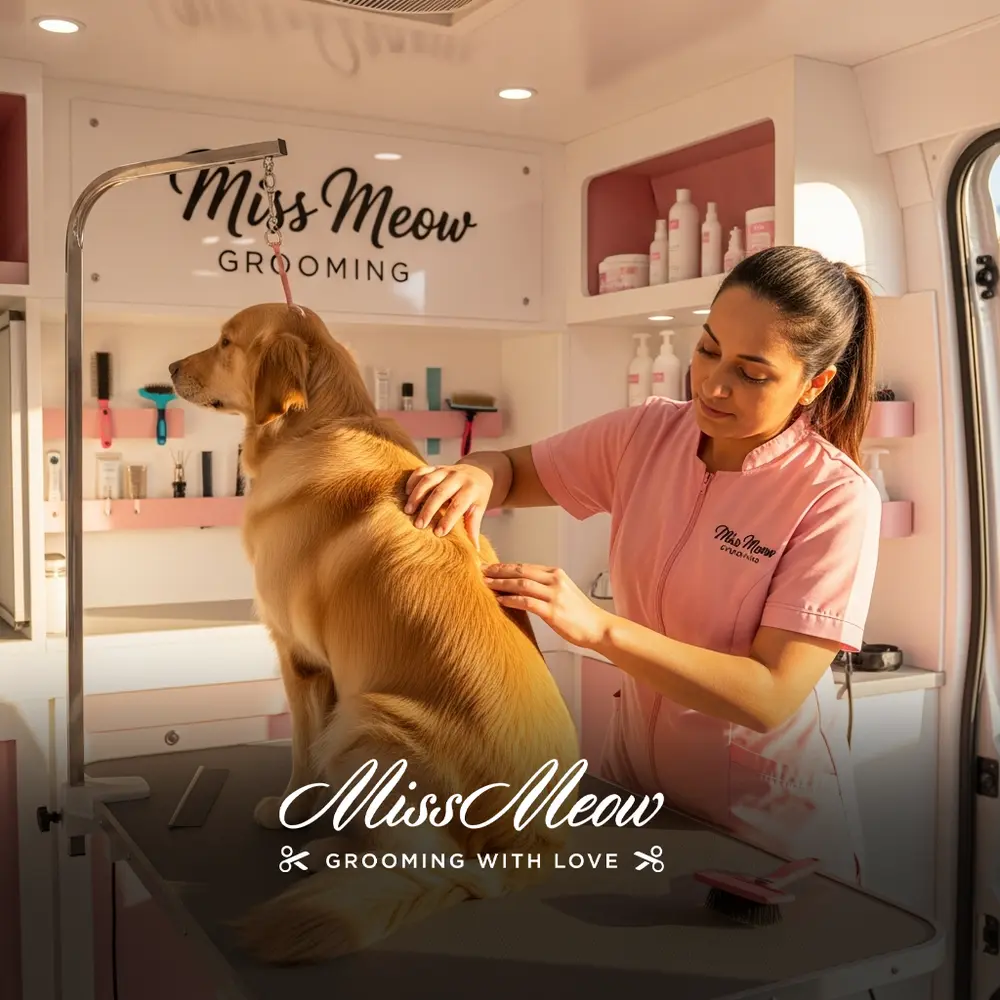
How to Check for Lumps and Bumps During a Grooming Session
How to Check for Lumps and Bumps During a Grooming Session
As a dedicated pet owner, you probably view grooming as a way to keep your furry friend looking sharp and smelling fresh. However, there is a much deeper layer to this routine than just brushing out tangles or clipping nails. Grooming is, in fact, one of the most effective ways to perform a DIY health check on your pet. While we often focus on the coat’s shine, the skin underneath tells a story of its own. Learning how to check for lumps and bumps during a grooming session is a vital skill that can lead to early detection of health issues, some of which could be life-saving. After all, you are the person who knows your pet’s body better than anyone else, including the vet.
Let’s be honest: finding an unexpected growth on your dog or cat can be a heart-stopping moment. Your mind might immediately jump to the worst-case scenario. However, not every bump is a cause for panic. Many are benign fatty tumors, skin tags, or simple cysts. The key is consistency and knowing what to look for. By integrating a physical inspection into your regular routine, you transform a simple bath time into a proactive wellness exam. In this comprehensive guide, we will explore the nuances of feline and canine anatomy and provide you with a professional roadmap on how to check for lumps and bumps during a grooming session.
Why You Should Learn How to Check for Lumps and Bumps During a Grooming Session
Prevention is always better than cure, but in the world of veterinary medicine, early detection is the next best thing. Pets, especially those with thick or long fur, can easily hide skin abnormalities for months. A small growth that goes unnoticed under a dense coat can grow significantly before it becomes visible to the naked eye. By the time you see it from across the room, it may have already become a more complex issue to treat. This is why knowing how to check for lumps and bumps during a grooming session is so important for long-term health management.
Regular physical exams at home help you establish a “baseline.” When you know what “normal” feels like for your pet, you can immediately spot when something feels “off.” This is particularly true for aging pets who are more prone to developing lipomas (fatty tumors) or sebaceous cysts. If you are a busy pet owner living in a fast-paced environment, you might consider the convenience of mobile pet grooming in Dubai to ensure that your pet receives professional attention regularly. These professionals often act as a second pair of eyes, helping you maintain that crucial baseline of health while keeping your pet comfortable in their own driveway.
Creating a Stress-Free Environment for the Check
Before you dive in, it is essential to ensure your pet is relaxed. If your dog or cat associates grooming with stress, they won’t sit still long enough for you to do a thorough check. Start by choosing a time when your pet is naturally calm, perhaps after a long walk or a meal. Use a soft voice and offer plenty of positive reinforcement. On the other hand, if your pet is particularly anxious about being handled, you may want to spread the check-out over several mini-sessions rather than trying to do it all at once.
Having the right tools on hand also makes a difference. A good quality slicker brush, a fine-tooth comb, and even a flashlight can help you see through dense fur. However, the most important tools are your own hands. The tactile sensation of your fingertips against the skin is what will ultimately reveal those hidden masses. If you find the process overwhelming, specialized cat grooming services can provide a professional environment where experts can assist in the initial discovery of any skin irregularities while providing the specialized care felines require.
Step-by-Step: How to Check for Lumps and Bumps During a Grooming Session
To ensure you don’t miss a single inch of your pet’s body, it helps to follow a systematic approach. Start from the head and work your way back to the tail. This “nose-to-toes” method ensures that no area is overlooked. As you move your hands through the fur, apply gentle pressure. You aren’t just looking for large masses; you are feeling for anything that breaks the smooth contour of the muscles and bones.
The Head and Neck
Begin by gently feeling around the ears. Check both the outer flap and the base of the ear canal. Ears are common spots for hematomas or small polyps. Move to the face, checking the jawline and the area under the chin. Lymph nodes are located under the jaw, and while they are usually hard to feel, any significant swelling there warrants a vet visit. Don’t forget the neck—this is a prime spot for skin tags or irritation from collars. If you notice your pet flinching or showing signs of discomfort, take note of the exact location.
The Shoulders and Front Legs
Slide your hands down the shoulders and along the front legs. Pay close attention to the “armpit” area, as this is a common site for lymph node enlargement and certain types of tumors. Feel down to the paws, checking between the toes. Foreign objects like foxtails or burrs can often embed themselves here, causing painful bumps that look like growths but are actually infections. Using a dog grooming van in Dubai can be particularly helpful for this stage, as professional groomers have the lighting and tables necessary to inspect these hard-to-reach areas safely and effectively.
The Back and Sides
The torso is often where owners find the most lumps. Run your palms flat along the spine and down the ribcage. It is here that you might feel a “slip” under the skin—often a lipoma. These fatty deposits usually feel soft and move easily under the skin. However, any firm mass that feels “anchored” to the underlying tissue needs professional evaluation. As you continue the process of how to check for lumps and bumps during a grooming session, make sure to part the hair frequently to look for redness, crusting, or changes in skin pigmentation.
Common Discoveries When You Check for Lumps and Bumps During a Grooming Session
It is important to remember that not all discoveries are bad news. In fact, Missmeow Grooming professionals often encounter various skin conditions that are easily manageable. Understanding the different types of lumps can help lower your anxiety levels while you wait for a veterinary appointment. Knowledge is power, and being able to describe the texture and mobility of a bump to your vet is incredibly helpful.
Lipomas (Fatty Tumors)
These are perhaps the most common lumps found in older dogs. They are typically soft, round, and non-painful. While they are usually benign, they can occasionally grow large enough to impede movement, depending on their location. Even if you suspect a lump is just a lipoma, it is still standard practice to have a vet perform a fine-needle aspirate to confirm.
Sebaceous Cysts
These are essentially “pet pimples.” They occur when a sebaceous gland becomes blocked. They can sometimes rupture and ooze a cheesy substance, which can be alarming. While generally harmless, they can become infected, so keeping the area clean is vital. If your pet is prone to these, regular professional bathing can help manage skin oils.
Skin Tags and Warts
Common in aging pets, these are small outgrowths of skin. They are usually harmless unless they are located in an area where they get snagged by a brush or collar. However, any wart-like growth that changes color or bleeds should be checked immediately. If you are worried about the cost of professional checks, reviewing Miss Meow pricing and packages can help you find an affordable way to keep your pet’s skin health in check through regular professional grooming.
What to Document When You Find a Lump
If you do find something during your grooming session, don’t just rely on your memory. Take a photo of the area with a coin next to it for scale. Write down the date, the exact location on the body, and how the lump feels (soft, hard, movable, or fixed). Does it seem to bother the pet when you touch it? Is the skin over it red or hot? This documentation will be invaluable to your veterinarian and helps track if the growth is changing over time. Consistency in how to check for lumps and bumps during a grooming session is only useful if you also maintain a record of your findings.
The Benefits of Professional Grooming in Health Monitoring
While home checks are vital, professional groomers bring a level of expertise that can be a game-changer. Professionals see hundreds of pets and have a highly developed sense of touch. They are often the first to notice subtle changes that an owner might overlook because they see their pet every day. A groomer’s hands are constantly moving over the pet’s body, feeling for mats, ticks, and irregularities.
Furthermore, professional groomers have access to high-velocity dryers that blow the hair apart, allowing them to see the skin clearly. This “line of sight” is something that is difficult to achieve at home with a standard hairdryer or brush. If you haven’t had your pet seen by a professional in a while, it might be the perfect time to book a pet grooming appointment. Not only will your pet come home looking fantastic, but you will also have the peace of mind that comes from a professional “second opinion” on their skin health.
When Should You See a Vet?
The golden rule in pet ownership is: when in doubt, check it out. While many bumps are benign, some are aggressive, such as mast cell tumors, which can look like a simple insect bite or a harmless skin tag. If you notice a lump that is growing rapidly, changing shape, bleeding, or causing your pet pain, you should schedule a veterinary visit immediately. There is no such thing as being “too cautious” when it relates to your pet’s health.
Veterinarians typically use a “wait and see” approach only after they have confirmed the nature of the lump through a biopsy or fine-needle aspiration. Never assume a lump is “just a fatty tumor” because of how it feels. Even experts cannot be 100% sure without looking at the cells under a microscope. By mastering how to check for lumps and bumps during a grooming session, you are providing your vet with the earliest possible notice, which often leads to simpler and less expensive treatment options.
Conclusion: The Power of Your Touch
Ultimately, grooming is an act of love and a commitment to your pet’s well-being. It is a time for bonding, relaxation, and, most importantly, observation. By following the steps outlined in this guide, you are becoming an active participant in your pet’s healthcare team. You are moving beyond the surface-level beauty and into the realm of preventative medicine.
Remember that you don’t have to do it alone. Whether you are performing a DIY check at home or relying on a professional service to help you maintain your pet’s health, the goal remains the same: a long, happy, and healthy life for your companion. Now that you know how to check for lumps and bumps during a grooming session, make it a habit. Your pet might not be able to tell you when something is wrong, but through the power of your touch, you can find the answers yourself. Stay vigilant, stay consistent, and keep those brushes moving!
