
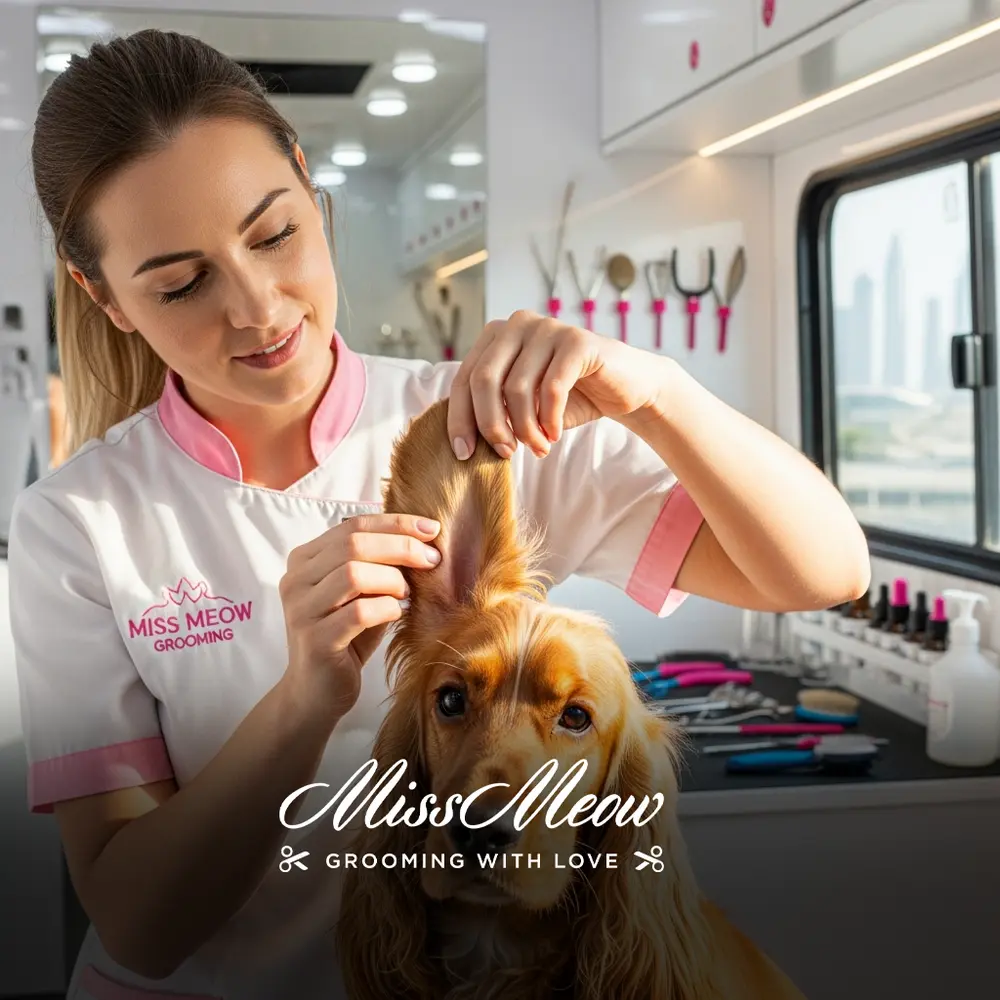
Grooming for Health: Spotting Ear Infections Early
As pet owners, we often view grooming as a cosmetic luxury—a way to ensure our furry companions smell fresh and look like they just stepped out of a professional photoshoot. However, if we peel back the layers (or in this case, the fur), grooming serves a much deeper purpose. It is the first line of defense in preventative healthcare. One of the most critical aspects of this routine is Grooming for Health: Spotting Ear Infections Early. For many dogs and cats, the ears are a sensitive gateway to their overall well-being. Because our pets cannot tell us when they have a dull ache or a stinging itch, it is up to us to use grooming sessions as an opportunity to investigate and intervene before a minor irritation becomes a major medical emergency.
Let’s be honest, how often do we really take a close look inside our pet’s ears? Usually, it’s only when we notice them shaking their heads violently or when a strange, musty odor begins to waft from their direction. By that point, an infection is likely already well-established. The philosophy of grooming for health is centered on the idea that proactive observation can catch these issues in their infancy. Whether you are at home with a brush and a damp cloth or you are utilizing professional services, the goal remains the same: ensuring that those floppy or pointed ears remain clean, clear, and pain-free.
The Connection Between Routine Care and Internal Health
Why do we emphasize the phrase Grooming for Health: Spotting Ear Infections Early so much? It’s because the ear canal of a dog or cat is significantly different from a human’s. While our ear canals are horizontal, pets have an L-shaped ear canal that easily traps moisture, debris, and wax. This anatomical quirk makes them an ideal breeding ground for yeast and bacteria. If left unchecked, a simple surface-level irritation can migrate deep into the inner ear, leading to balance issues, permanent hearing loss, or even neurological complications. In fact, many behavioral changes—such as irritability or a reluctance to be touched—can be traced back to the silent discomfort of a brewing ear infection.
When you integrate a thorough ear check into your weekly routine, you aren’t just cleaning; you are performing a diagnostic check. You are looking for the subtle nuances that change over time. Is the skin a little pinker today? Is there a new speck of dark discharge? These small details are the breadcrumbs that lead to early detection. Professional groomers often act as the “second set of eyes” for pet parents. For instance, when choosing mobile pet grooming in Dubai, the groomer has the dedicated time and lighting to inspect areas that an owner might miss during a quick pat-down on the sofa. This professional oversight is a cornerstone of maintaining a healthy pet in a bustling urban environment.
Grooming for Health: Spotting Ear Infections Early in Your Daily Routine
You don’t need a medical degree to notice when something is off with your pet’s ears. All it takes is a bit of consistency and a “nose” for trouble—literally. The first sign of an ear infection is often the smell. A healthy ear shouldn’t really have a scent, or at most, it should just smell like your pet. If you detect a sweet, yeasty odor (reminiscent of bread dough) or a foul, pungent stench, that is a clear red flag. This is the essence of Grooming for Health: Spotting Ear Infections Early; using your senses to detect changes before they become visible to the naked eye.
Beyond the smell, look at the color and consistency of any discharge. A little bit of light-colored wax is normal, but if you see material that looks like coffee grounds, it could indicate ear mites. If you see yellow or greenish pus, you are likely dealing with a bacterial infection. Redness and swelling are also key indicators. During your home grooming sessions, gently lift the ear flap. The skin should be a healthy, pale pink. If it looks like a sunburnt tomato or feels hot to the touch, your pet is likely in pain. Remember, pets are masters at hiding discomfort, so these physical signs are often the only communication we get regarding their internal state.
The Role of Breed and Lifestyle
It is also worth noting that some pets are more predisposed to ear issues than others. Cocker Spaniels, Basset Hounds, and Poodles are notorious for ear problems due to their heavy, floppy ears or the hair that grows inside the canal. On the other hand, cats are generally more fastidious, but they are not immune. When considering cat grooming services, owners should ensure that the professional is checking for mites and wax buildup, especially in older cats who may struggle to groom themselves as effectively as they once did. Lifestyle factors, such as frequent swimming or living in a high-humidity environment like Dubai, can also increase the risk of moisture being trapped in the ear, necessitating more frequent checks.
Grooming for Health: Spotting Ear Infections Early During Professional Sessions
While home checks are vital, there is no substitute for the expertise of a professional who handles dozens of pets a week. Missmeow Grooming specializes in this holistic approach, ensuring that every session is more than just a haircut. A professional groomer knows exactly what a healthy ear canal should look like across different breeds. They have the tools to safely remove excess hair that might be clogging the canal and the specialized cleaners to lift debris without pushing it further down into the ear. This professional touch is vital for the concept of Grooming for Health: Spotting Ear Infections Early because it provides a baseline for what is “normal” for your specific pet.
Many pet owners find that their animals are much more cooperative for a stranger in a professional setting than they are for “Mom or Dad” at home. This is where a dog grooming van in Dubai becomes incredibly beneficial. In a controlled, calm, and one-on-one environment, the groomer can carefully inspect the ears without the distractions of a busy salon or the anxieties of a vet clinic. If the groomer notices something suspicious—such as a polyp, a foreign object like a grass seed, or a severe inflammation—they can alert the owner immediately. This early warning can save hundreds of dollars in veterinary bills by catching the problem before it requires sedation or surgery.
Understanding the Causes: Why Infections Occur
To truly master Grooming for Health: Spotting Ear Infections Early, one must understand the “why” behind the infection. It’s rarely just “bad luck.” Most ear infections are secondary to an underlying issue. Allergies are a massive contributor—whether it’s food sensitivities or environmental triggers like dust and pollen, allergies often manifest as itchy, inflamed ears. When a pet scratches at their ear, they create micro-tears in the skin, which then allow bacteria and yeast to move in and set up shop. It becomes a vicious cycle of itching and infection.
Another common culprit is improper cleaning. Believe it or not, over-cleaning can be just as damaging as under-cleaning. If you use harsh chemicals or stick Q-tips down into the canal, you risk irritating the delicate lining or even rupturing the eardrum. This is why it is so important to consult with professionals about the right products and techniques. When you look into Miss Meow pricing and packages, you’ll find that ear cleaning is often included as a standard part of the service, ensuring it is done correctly with pet-safe, pH-balanced solutions that break down wax without causing irritation.
Common Signs Your Pet is Distressed
Aside from the physical symptoms, watch your pet’s behavior. Are they tilting their head to one side constantly? Are they pawing at their ear or rubbing their head against the carpet? Sometimes, a pet with an ear infection will become unusually aggressive or shy away when you try to pet their head. This “touch sensitivity” is a major indicator of pain. By keeping the mantra of Grooming for Health: Spotting Ear Infections Early in mind, you can correlate these behavioral shifts with the physical evidence you find during grooming, providing your veterinarian with a comprehensive history that makes diagnosis much faster.
Prevention Strategies for Long-term Success
Prevention is the ultimate goal of Grooming for Health: Spotting Ear Infections Early. One of the simplest things you can do is ensure that your pet’s ears stay dry. After a bath or a swim, use a soft cotton ball to gently pat the entrance of the ear canal dry. Never use a hair dryer on a high heat setting near the ears, as this can cause burns and further irritation. For breeds with a lot of hair in the ears, regular “plucking” or trimming can improve airflow, though this should ideally be done by a professional to avoid hurting the pet.
Nutrition also plays a subtle but significant role. A diet high in Omega-3 fatty acids can help support skin health and reduce inflammation, making the ears less reactive to allergens. However, the most effective prevention remains the regular check-up. Setting a reminder on your phone to Grooming for Health: Spotting Ear Infections Early once a week can change the trajectory of your pet’s senior years. It builds a bond of trust and ensures that you are intimately familiar with your pet’s body, making any abnormality stand out like a sore thumb.
The Professional Advantage: Why Outsource?
Let’s be honest, cleaning a cat’s ears or digging through the thick fur of a Golden Retriever isn’t every owner’s idea of a fun afternoon. It can be messy, and if your pet is already in slight discomfort, they might not be very helpful. This is why professional services are an investment in health, not just vanity. When you book a pet grooming appointment, you are hiring a trained eye to perform a task that is essential but often difficult for the layperson. Professionals have the steady hand required to clean sensitive areas and the knowledge to distinguish between a dirty ear and a diseased one.
Furthermore, professional groomers use high-quality, professional-grade enzymatic cleaners that are often more effective than over-the-counter options. These cleaners work to dissolve the biofilm that bacteria hide under, providing a deeper clean than a simple wipe-down. By incorporating these professional visits into a broader strategy of Grooming for Health: Spotting Ear Infections Early, you are providing your pet with a comprehensive safety net. You handle the day-to-day observation, and the groomer handles the deep maintenance and expert screening.
Summary: A Proactive Approach to Ear Health
In conclusion, the health of your pet’s ears is a direct reflection of the quality of their grooming routine. By adopting the mindset of Grooming for Health: Spotting Ear Infections Early, you move away from reactive care—where you only visit the vet when there is a crisis—and toward proactive care, where you maintain a state of wellness. It’s about more than just avoiding a trip to the clinic; it’s about ensuring your pet’s daily comfort. A pet with clean, healthy ears is a pet that can hear the world clearly, play without distraction, and rest without the nagging itch of an infection.
On the other hand, ignoring these signs can lead to a long and painful road for both the animal and the owner. The next time you sit down to brush your dog or cuddle your cat, take thirty seconds to look, smell, and feel their ears. Is there anything unusual? Is there a new scent? If you aren’t sure, don’t hesitate to reach out to the experts. Whether you are performing the checks yourself or relying on the specialized care of a professional team, remember that Grooming for Health: Spotting Ear Infections Early is one of the kindest things you can do for your four-legged friend. After all, they rely on us to be their advocates and their healers, one grooming session at a time.