The Teddy Bear Cut: Why It’s the Most Popular Style for Small Dogs
Walk into any local dog park or scroll through your Instagram feed for more than five minutes, and you are bound to encounter a small, fluffy dog that looks remarkably like a stuffed animal from a high-end toy store. This isn’t a coincidence, nor is it a specific new breed of “toy” canine. It is the result of one of the most requested, enduring, and universally loved grooming techniques in the world: the teddy bear cut. But what is it about this specific style that has captured the hearts of pet parents from New York to Dubai? Why has it become the gold standard for breeds like the Maltipoo, Shih Tzu, and Pomeranian?
The Teddy Bear Cut: Why It’s the Most Popular Style for Small Dogs is a topic that blends aesthetics with practicality. It isn’t just about looking “cute”—though, let’s be honest, that is a massive part of the appeal. It is about a style that bridges the gap between the high-maintenance show clips and the overly short “kennel cuts” that can sometimes leave a dog looking a bit sparse. It provides a balanced, rounded, and youthful appearance that makes even a senior dog look like a puppy again. In this deep dive, we will explore the nuances of this haircut, why it works so well for specific breeds, and how professional grooming can transform your pet’s look and comfort.
What Exactly Defines the Teddy Bear Cut?
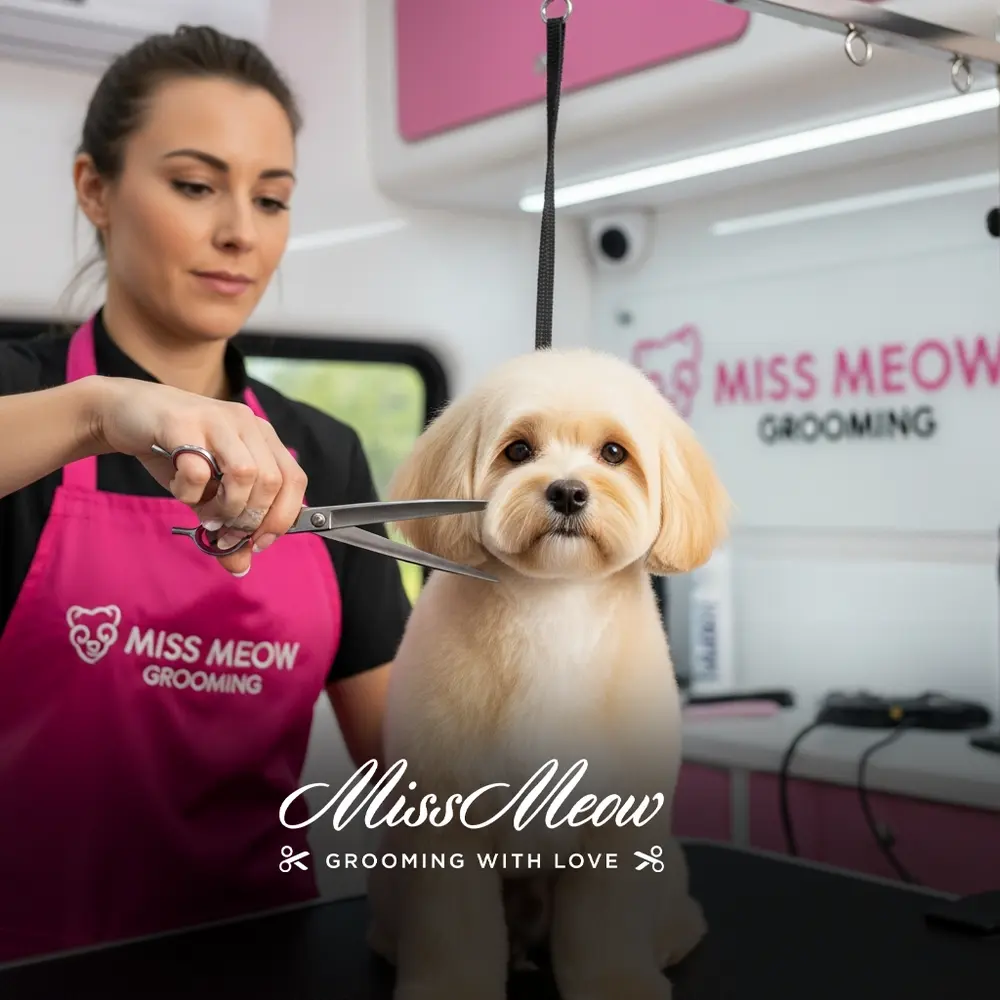
Before we get into the “why,” we must understand the “what.” Technically speaking, the teddy bear cut is a type of “utility cut” or “puppy cut.” Unlike breed-standard cuts—such as the traditional Poodle cut with its pom-poms and shaved face—the teddy bear style focuses on soft, rounded edges. The hair on the body is typically kept at a uniform length, usually between one to two inches, while the hair on the face and legs is scissored into a circular, voluminous shape. This rounding of the head and muzzle is what creates that signature plush toy appearance.
The hallmark of the style is the face. Instead of sharp angles or shaved snouts, the groomer leaves enough hair around the cheeks and chin to create a “muffin top” or “ball” effect. The ears are often trimmed to match the length of the facial hair, further softening the dog’s profile. It is a look that emphasizes the eyes, making them appear larger and more expressive. On the other hand, the body hair is short enough to prevent matting but long enough to remain soft to the touch. This versatility is why the Teddy Bear Cut: Why It’s the Most Popular Style for Small Dogs remains the top choice for owners who want their pets to look stylish yet feel comfortable.
The Teddy Bear Cut: Why It’s the Most Popular Style for Small Dogs – The Visual Appeal
Human beings are biologically hardwired to respond to “baby-like” features—large eyes, rounded faces, and soft textures. This is known as “neoteny,” and the teddy bear cut capitalizes on this perfectly. By rounding out the features of a small dog, the groomer essentially replicates the proportions of a puppy. This “forever puppy” look is incredibly endearing to owners. It makes our pets look approachable, gentle, and undeniably huggable. When you see a Bichon Frise or a Toy Poodle with a perfectly executed teddy bear cut, it’s hard to resist the urge to pick them up.
Furthermore, this style is highly customizable. Depending on the dog’s specific bone structure or coat type, a skilled groomer can adjust the length of the “teddy bear” features. If a dog has slightly longer legs, the hair can be left thicker to create a sturdier appearance. If the dog has a particularly long neck, the hair around the collar can be blended to create a more proportional silhouette. This bespoke nature of the cut ensures that every dog looks like the best version of themselves, rather than a carbon copy of every other dog on the block.
The Practical Benefits: Why Owners Choose This Style
Beyond the undeniable cuteness factor, the Teddy Bear Cut: Why It’s the Most Popular Style for Small Dogs is deeply rooted in practicality. Small dogs, especially those with curly or fine hair, are notorious for developing mats and tangles. A full-length coat can become a nightmare to manage at home, requiring daily brushing that many busy owners simply cannot commit to. Conversely, shaving a dog down to the skin (the “summer cut”) can leave them vulnerable to sunburn and temperature fluctuations.
The teddy bear cut offers the perfect middle ground. Because the hair is kept at a manageable length, the frequency of matting is significantly reduced. It allows for better airflow to the skin compared to a long coat, while still providing a layer of protection against the elements. For owners who lead an active lifestyle, this means less time spent detangling burrs and debris after a walk. In a bustling city environment, many owners rely on professional mobile pet grooming in Dubai to maintain this look, as the convenience of a van coming to the doorstep ensures the dog stays on a consistent grooming schedule without the stress of travel.
Breed Suitability: Who Wears it Best?
While almost any small dog with a continuously growing coat can pull off this look, certain breeds are practically made for it. The Poodle, in all its sizes, is the primary candidate. Their curly, dense fur holds the “round” shape better than almost any other coat type. Designers breeds, or “Doodles” (Goldendoodles, Labradoodles, Cavapoos), also thrive with this style because their coats often have a mix of waves and curls that look best when given some volume.
Shih Tzus and Malteses are also frequent recipients of the teddy bear treatment. Their naturally straight or slightly wavy hair can be scissored into soft, flowing shapes that hide the “mustache” staining that often occurs with longer facial hair. Even Pomeranians, with their thick double coats, can be given a modified version of this cut to help manage shedding and keep them looking like little foxes or bears. However, it is important to consult with a professional to ensure that the undercoat of a double-coated breed isn’t damaged during the process.
The Technical Artistry of a Professional Groomer
You might be tempted to pick up a pair of kitchen scissors and try a teddy bear cut at home, but let me stop you right there. This style is deceptively difficult. Achieving a perfectly symmetrical, round face on a wiggling dog requires years of practice, steady hands, and professional-grade tools. A professional groomer uses a combination of straight shears, curved shears, and thinning shears to “sculpt” the hair. It is more like topiary or clay modeling than a standard haircut.
Professional services like Missmeow Grooming understand that the experience is just as important as the result. A high-quality groom involves more than just cutting hair; it starts with a deep-cleansing bath using pH-balanced shampoos, followed by a precision blow-dry that “fluffs” the coat from the root. This fluff-drying is the secret to a long-lasting teddy bear cut. Without it, the hair would lay flat, and the “round” shape would collapse within hours. While many owners focus on their dogs, the best grooming businesses often expand their expertise to include specialized cat grooming services, acknowledging that our feline friends also deserve expert care in a controlled, professional environment.
Convenience in the Modern Era: The Rise of Mobile Grooming
In today’s fast-paced world, finding the time to drop a dog off at a salon for four hours can be a challenge. This has led to the explosion in popularity of the dog grooming van in Dubai and other major metropolitan areas. Mobile grooming brings the entire salon experience—including the specialized equipment needed for a perfect teddy bear cut—directly to your driveway. For the dog, this means less anxiety, as they aren’t surrounded by barking strangers or kept in a kennel. For the owner, it means total convenience.
When you choose a mobile service, you aren’t sacrificing quality for convenience. These vans are equipped with high-end grooming tables, climate control, and professional lighting. This environment allows the groomer to focus entirely on one pet at a time, which is essential for the detailed scissoring required for the Teddy Bear Cut: Why It’s the Most Popular Style for Small Dogs. When looking for the right provider, it is always a good idea to check Miss Meow pricing and packages to find a service level that fits your budget and your dog’s specific needs.
Maintaining the Look at Home
While a professional does the heavy lifting, maintaining a teddy bear cut requires some effort from the owner. To keep that “plush” look, you should invest in a high-quality slicker brush and a metal comb. Brushing your dog two to three times a week will prevent small knots from turning into the type of mats that require the coat to be shaved off. Pay special attention to the areas behind the ears and under the armpits, as these are “friction zones” where mats love to hide.
Additionally, keeping the face clean is vital. Because the teddy bear cut leaves more hair around the mouth, food particles and moisture can get trapped, leading to odors or staining. Simply wiping your dog’s face with a damp cloth after meals can go a long way in preserving the integrity of the cut. If you notice the hair around the eyes getting a bit long between visits, resist the urge to trim it yourself. Instead, it is much safer to book a pet grooming appointment for a “tidy-up” or “face-trim” session to keep your pet’s vision clear and their style on point.
The Emotional Connection: More Than Just Fur
Let’s be honest, we treat our dogs like members of the family. The way they look often reflects the care we provide for them. There is a psychological component to the Teddy Bear Cut: Why It’s the Most Popular Style for Small Dogs. When our pets look clean, soft, and well-groomed, we are more likely to engage in physical affection with them. This “cuddle factor” strengthens the bond between owner and pet. A dog that is matted or smells “doggy” might be shooed off the sofa, but a dog with a fresh teddy bear cut is an irresistible invitation for a snuggle.
Furthermore, regular grooming is a health check. During the process of scissoring a teddy bear cut, a groomer is touching every inch of your dog’s body. They are often the first ones to notice a new lump, a skin rash, or the presence of parasites like ticks and fleas. In this way, the most popular style for small dogs isn’t just about fashion—it’s a gateway to proactive healthcare. It ensures that your pet is not only the cutest on the block but also the healthiest.
Common Variations of the Style
The versatility of the teddy bear cut means it can be adapted for different seasons. In the summer, many owners opt for a “short teddy,” where the body is clipped to a quarter-inch, but the head and tail remain fluffy. In the winter, the “long teddy” keeps the body hair at an inch or more for extra warmth. There is also the “Asian Fusion” style, which takes the teddy bear concept to an artistic extreme, often involving exaggerated rounded muzzles and even hair accessories. No matter the variation, the core principle remains the same: soft, round, and youthful.
Conclusion: Why It Remains the Gold Standard
As trends come and go, the Teddy Bear Cut: Why It’s the Most Popular Style for Small Dogs remains a constant in the world of pet styling. It is the perfect marriage of form and function. It honors the natural beauty of small breeds while making them easier to manage in our daily lives. It transforms the grooming experience from a chore into a lifestyle choice that celebrates the joy our pets bring us.
Whether you have a spunky Yorkie or a gentle Maltese, giving them a teddy bear cut is one of the best ways to keep them looking their best. It requires a commitment to regular professional care, but the result—a happy, healthy, and incredibly cute companion—is well worth the effort. So, the next time you see your dog looking a little shaggy, consider the timeless appeal of the teddy bear. It’s more than just a haircut; it’s a way to let your pet’s inner personality shine through a soft, velvety lens of perfectly scissored fur.