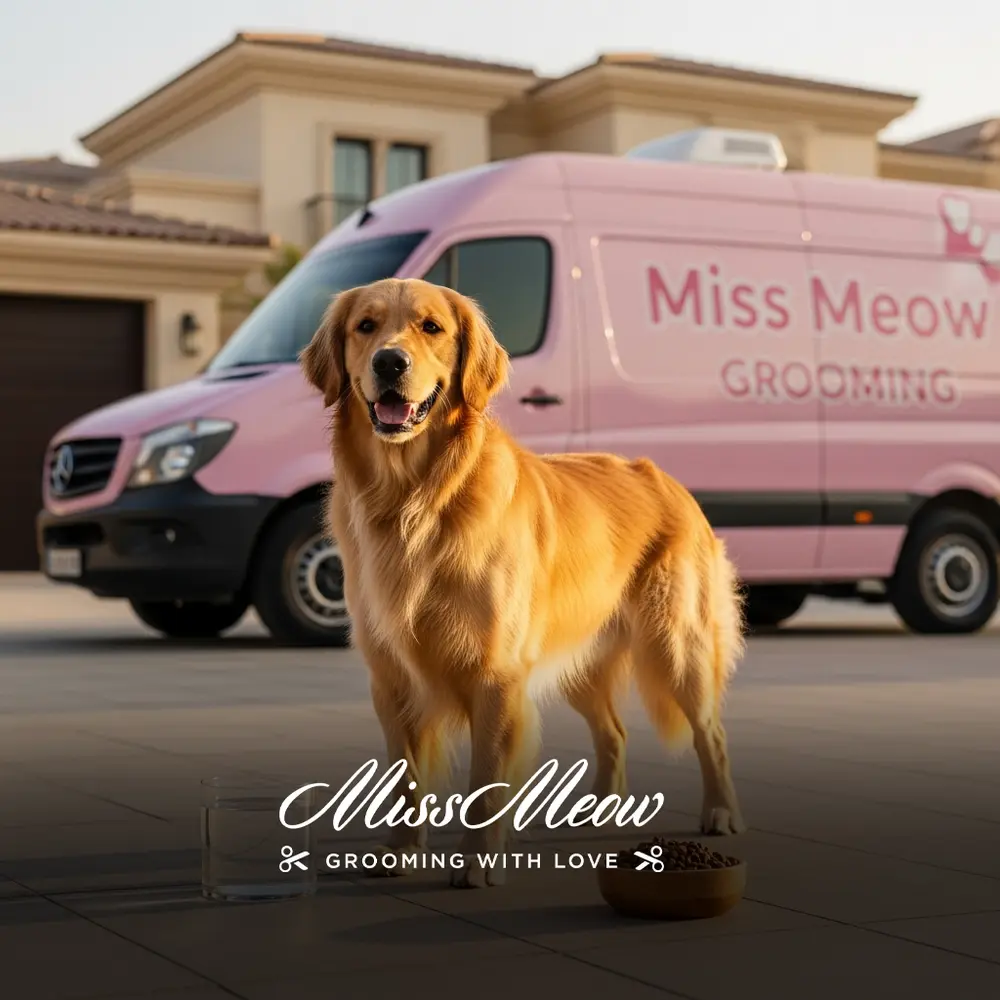
How Diet Affects the Shine of Your Pet’s Coat
Every pet owner knows that unmistakable feeling of pride when their dog or cat glistens under the sunlight. It is a sign of health, vitality, and perhaps a bit of pampered luxury. We often spend a significant amount of time searching for the perfect shampoos, conditioners, and de-shedding tools, but we frequently overlook the most fundamental element of all: what goes into the bowl. The truth is that external beauty truly starts from within. Understanding how diet affects the shine of your pet’s coat is the first step toward ensuring your furry companion not only feels good but looks spectacular as well.
Have you ever noticed how your own skin and hair react to a period of poor eating? Our pets are no different. Their skin is their largest organ, and their coat is a direct reflection of their internal physiological state. If their body is struggling to get the nutrients it needs, the first place it will cut “funding” is the fur. After all, the body prioritizes internal organs like the heart and liver over the aesthetic quality of hair. Consequently, a dull, brittle, or thinning coat is often the first red flag that something is missing in their nutritional profile.
The Biological Connection: Why Food Matters for Fur
To truly grasp how diet affects the shine of your pet’s coat, we have to look at the biology of hair. Hair is composed primarily of a protein called keratin. For the body to produce high-quality keratin, it requires a steady supply of specific amino acids. If a pet’s diet is low in high-quality animal proteins, the hair becomes weak, loses its pigment, and breaks easily. In fact, it is estimated that up to 30% of a pet’s daily protein intake is used just to maintain their skin and coat health. When you consider that, it becomes clear why cheap fillers and low-grade proteins just won’t cut it.
Beyond protein, fats play a starring role. We often think of fat as something to be avoided, but for a dog or cat, healthy fats are the fuel for a radiant sheen. These lipids create a barrier on the skin that locks in moisture and provides the sebum (natural oils) that gives the coat its characteristic glow. Without these oils, the skin becomes flaky, leading to dandruff and an itchy pet who spends more time scratching than enjoying life. To complement a healthy diet, many owners in the UAE opt for the convenience of mobile pet grooming in Dubai, ensuring that while the diet works from the inside, professional care handles the outside.
Essential Fatty Acids: The Secret to the Glow
If there is one “superfood” category for pet coats, it is Essential Fatty Acids (EFAs), specifically Omega-3 and Omega-6. These are called “essential” because the body cannot produce them on its own; they must be consumed through food. Omega-6 fatty acids are crucial for maintaining the integrity of the skin barrier and preventing trans-epidermal water loss. On the other hand, Omega-3 fatty acids, typically found in fish oils, are famous for their anti-inflammatory properties. They help soothe irritated skin and provide that deep, mirror-like shine we all crave for our pets.
However, it is not just about having these fats; it is about the balance between them. An overabundance of Omega-6 without enough Omega-3 can sometimes lead to inflammation. This balance is a key factor in how diet affects the shine of your pet’s coat. Many premium pet foods now include salmon oil, flaxseed, or chia seeds to hit these targets. If you are noticing a lackluster appearance in your feline friend, it might be time to look into specialized cat grooming services that can help remove dead hair and allow those natural oils to distribute more evenly across the skin.
The Role of Vitamins and Minerals
While proteins and fats are the building blocks, vitamins and minerals are the “construction workers” that make everything happen. Vitamin A, for example, is necessary for skin cell repair and growth. Without it, skin can become thick and scaly. Then we have the B-vitamins, particularly Biotin (B7), which is legendary in the grooming world for strengthening hair follicles. Let’s be honest, we’ve all seen those supplements promising “hair, skin, and nail” health for humans—well, the science is largely the same for our dogs and cats.
Minerals like Zinc and Copper also play a vital role. Zinc deficiency is a well-documented cause of skin crusting and hair loss in certain breeds. Copper is essential for the synthesis of melanin, the pigment that gives your pet’s coat its rich color. If your black lab is starting to look a bit “rusty” or brownish, it might not just be the sun; it could be a sign that their mineral intake is off. It is fascinating to see how diet affects the shine of your pet’s coat through these tiny, microscopic elements that we often take for granted when glancing at a bag of kibble.
Hydration: The Forgotten Nutrient
We often talk about food, but we rarely talk about water in the context of grooming. Hydration is the foundation of skin elasticity. A dehydrated pet will have “tented” skin and a coat that feels coarse and straw-like. Water helps transport all those wonderful vitamins and minerals we just discussed to the skin cells. In a climate as warm as the Middle East, keeping your pet hydrated is a full-time job. Whether you use a water fountain to encourage drinking or add wet food to their diet, increasing moisture intake is a simple yet effective way to boost coat quality.
For those who have dogs that spend a lot of time outdoors or traveling, the environment can strip moisture from the coat even further. This is where professional intervention helps. Utilizing a dog grooming van in Dubai can provide a controlled environment where your pet can be rehydrated with specialized moisturizing treatments that complement their internal water intake. It is all part of a holistic approach to pet wellness.
How Diet Affects the Shine of Your Pet’s Coat: Recognizing the Red Flags
How do you know if your current feeding routine is failing? The signs are usually quite visible if you know where to look. First, check for “dust.” If you pet your dog and a cloud of white flakes rises, that’s a clear sign of dry skin. Second, look at the texture. Is the hair brittle? Does it break off when you brush them? Third, pay attention to the smell. While no pet smells like roses all the time, a yeasty or overly “greasy” odor can indicate an imbalance in skin oils, often linked to food sensitivities or poor-quality fats.
Another major factor is excessive shedding. While all pets shed to some degree, a nutritionally deficient diet can cause the hair to enter the “telogen” (resting) phase prematurely, leading to constant, heavy shedding. When you begin to understand how diet affects the shine of your pet’s coat, you realize that a bag of “bargain” food might actually be costing you more in the long run through vet visits, supplements, and endless vacuuming of fallen fur.
The Impact of Food Sensitivities
Sometimes, it isn’t about what is missing, but rather what is present. Food allergies and sensitivities are incredibly common in modern pets. Common culprits like corn, soy, or specific protein sources can trigger an immune response that manifests as skin inflammation. This leads to “hot spots,” redness, and a dull, moth-eaten appearance of the fur. Switching to a limited-ingredient diet or a novel protein source (like duck or venison) can often work wonders, clearing up the skin and allowing the coat to return to its natural glory.
When dealing with sensitive pets, Missmeow Grooming recommends a gentle touch and hypoallergenic products during the grooming process. Combining a clean, allergen-free diet with professional care ensures that the skin isn’t being irritated from either the inside or the outside. It’s a multi-pronged strategy that yields the best results for stubborn skin issues.
The Synergy Between Diet and Professional Grooming
It is important to remember that even the best diet in the world won’t make a matted, dirty coat shine. Proper nutrition provides the “raw materials,” but grooming is the “refining process.” Think of it like a high-end sports car; you need premium fuel to make the engine run, but you still need a wax and polish to make it gleam. Regular brushing removes dead hair and skin cells, which allows the natural oils stimulated by a good diet to coat the new hair growth. This is why many owners look for comprehensive Miss Meow pricing and packages to find a routine that fits their schedule and their pet’s specific needs.
Professional groomers can also provide feedback that you might miss. They are often the first to notice small lumps, skin discolorations, or changes in hair texture that indicate a need for a dietary adjustment. By working closely with a groomer and a veterinarian, you can fine-tune your pet’s lifestyle. After all, understanding how diet affects the shine of your pet’s coat is a journey, not a one-time fix. It requires observation, patience, and a willingness to invest in quality ingredients.
Choosing the Right Food for a Radiant Coat
When shopping for pet food, don’t just trust the colorful pictures of vegetables on the bag. Flip it over and read the ingredient list. The first three ingredients should be identifiable animal proteins. Look for specific fats like “chicken fat” or “salmon oil” rather than generic “animal fat.” Avoid foods with excessive artificial colors and preservatives, as these add no nutritional value and can sometimes trigger skin sensitivities. On the other hand, look for “chelated minerals,” which are minerals bound to organic molecules, making them much easier for your pet’s body to absorb.
Transitions should always be slow. If you decide to change your pet’s diet to improve their coat, mix the new food with the old over a period of 7 to 10 days. This prevents digestive upset and allows the body to adapt to the new nutrient profile. You won’t see a change overnight—hair takes time to grow! Usually, it takes about 4 to 6 weeks of a new dietary regimen before you notice that “wow” factor in their appearance. But once that glow appears, you’ll know that your efforts have paid off.
Summary: How Diet Affects the Shine of Your Pet’s Coat
In conclusion, the vibrancy of your pet’s fur is a testament to their overall internal health. By prioritizing high-quality proteins, balancing essential fatty acids, and ensuring a wealth of vitamins and minerals, you are doing more than just making them look good—you are extending their quality of life. We’ve explored how diet affects the shine of your pet’s coat from the microscopic level of amino acids to the visible results of a well-hydrated, well-fed animal. It truly is a holistic cycle of wellness.
If you’re ready to take the next step in your pet’s beauty and health routine, why not pair that optimized diet with a professional touch? A clean pet is a happy pet, and a healthy diet provides the perfect canvas for a professional groomer to work their magic. You can easily book a pet grooming appointment today and see the difference that expert care can make. Remember, your pet’s coat is their crowning glory; feed it well, treat it with care, and let it shine for the world to see!