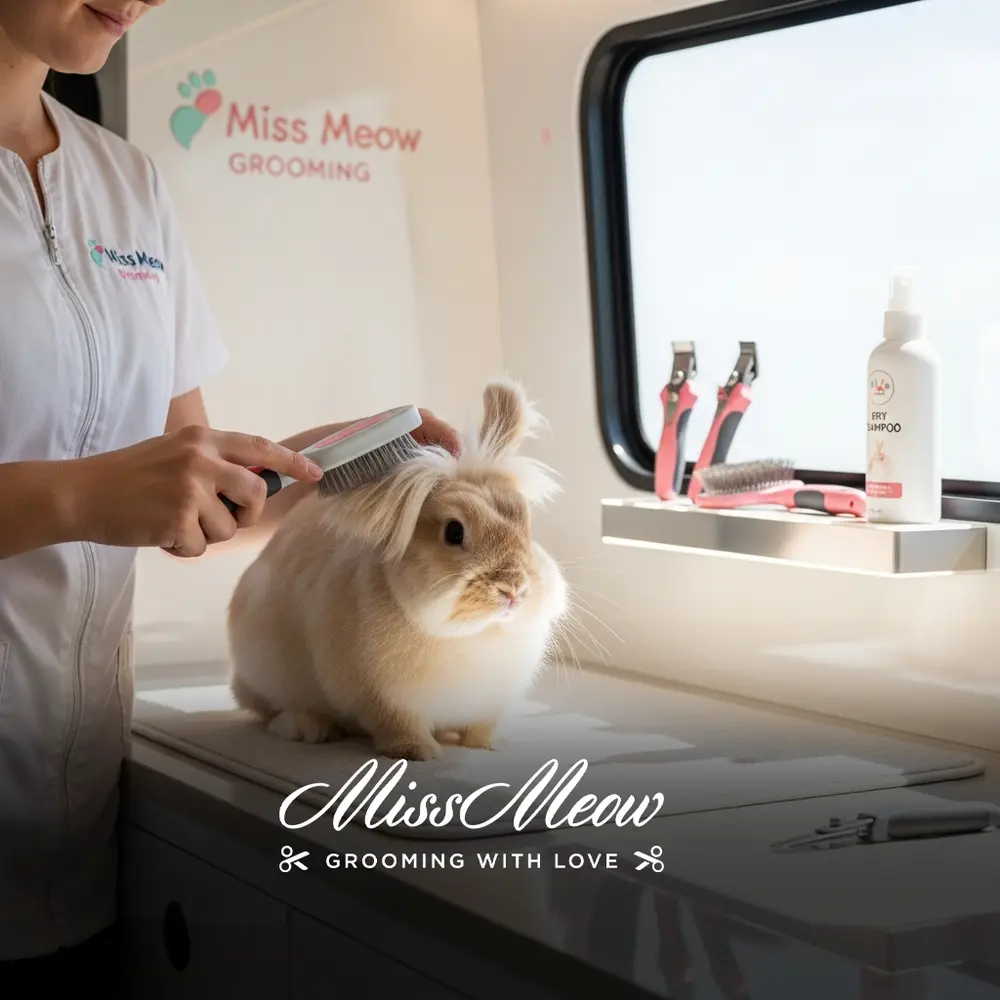
Rabbit Grooming: Do Bunnies Need Baths?
Rabbit Grooming: Do Bunnies Need Baths?
Bringing a charming, fluffy rabbit into your home is a truly delightful experience. These quiet, gentle creatures quickly burrow their way into our hearts with their twitching noses, soft fur, and endearing personalities. As responsible pet owners, we strive to provide the best possible care, which naturally includes keeping them clean and healthy. This often leads to a pressing question, especially for first-time rabbit guardians:
Rabbit Grooming: Do Bunnies Need Baths?
It’s a query that sparks much debate and, frankly, a significant amount of misunderstanding in the pet world. While the image of a clean, sudsy pet might seem appealing, the reality for rabbits is vastly different from that of our canine or feline companions. In fact, attempting to give your bunny a traditional water bath can be not only unnecessary but also incredibly dangerous. This comprehensive guide will unravel the mysteries of rabbit hygiene, detailing precisely why baths are a no-go and what proper, safe rabbit grooming truly entails.
The Unspoken Truth: Why Bunnies and Water Don’t Mix
Let’s cut straight to the chase: the short, definitive answer to “Do bunnies need baths?” is a resounding NO. Unlike dogs who might relish a good splash, or even some cats who tolerate a quick rinse, rabbits are not built for immersion in water. Their physiology, their natural behaviors, and even their psychological makeup make traditional baths a significant health risk, not a benefit. It’s a common misconception, often stemming from our human desire to apply our own standards of hygiene to all our pets. However, understanding the unique needs of a rabbit is paramount to their well-being.
Why Water Baths Are a Dangerous Bet for Your Bunny
The dangers associated with bathing a rabbit extend far beyond a mere dislike of water. These small, delicate animals are highly susceptible to a range of severe health problems if subjected to a full water bath:
- Hypothermia: Rabbits have very dense fur that takes an incredibly long time to dry once soaked. Even in a warm room, their body temperature can drop rapidly and dangerously, leading to hypothermia. This condition can be life-threatening if not addressed immediately.
- Shock and Stress: For most rabbits, being submerged in water is an incredibly frightening and stressful experience. They are prey animals by nature, and feeling vulnerable and unable to escape can induce severe shock. This stress alone can trigger other serious health issues, including gastrointestinal stasis – a potentially fatal shutdown of their digestive system.
- Skin Irritation and Fungal Infections: A rabbit’s skin is very delicate. Washing it with human or even most pet shampoos can strip away natural oils, leading to dryness, irritation, and flakiness. Furthermore, if their dense undercoat remains damp for too long, it creates a perfect breeding ground for fungal infections like ringworm, which are difficult to treat and can spread to other pets and humans.
- Injuries: A frightened rabbit might struggle violently, potentially scratching or biting both themselves and their handler. They could also break a leg or injure their spine if they thrash around in a panic, particularly in an enclosed space like a sink or tub.
It becomes clear, then, that while our intentions are good, submerging a bunny in water is a path paved with potential hazards. So, if baths are out, what’s a loving rabbit owner to do?
Essential Rabbit Grooming Practices Beyond the Bath
The good news is that rabbits are naturally meticulous groomers. They spend a significant portion of their day keeping themselves spotless. However, domestic rabbits still require our assistance, especially as they age, have long fur, or develop health issues. Proper
rabbit grooming
is a hands-on process that focuses on routine maintenance rather than a dramatic overhaul.
Brushing: The Cornerstone of Rabbit Hygiene
Regular brushing is by far the most crucial aspect of rabbit grooming. It serves multiple vital purposes, directly impacting your rabbit’s health and comfort:
- Preventing Hairballs: Rabbits, like cats, groom themselves by licking their fur. Unlike cats, however, they cannot vomit hairballs. Ingested fur accumulates in their digestive system and can lead to a potentially fatal blockage called GI stasis. Frequent brushing removes loose fur, drastically reducing the amount your rabbit ingests.
- Preventing Mats and Tangles: Long-haired breeds, such as Angoras or Lionheads, are particularly prone to developing painful mats and tangles. These can pull on the skin, cause discomfort, restrict movement, and hide skin infections. Regular brushing keeps their coat smooth and tangle-free.
- Bonding: Brushing can be a wonderful bonding experience for you and your rabbit. Most bunnies enjoy the gentle strokes, especially if introduced positively.
- Checking for Health Issues: This is an excellent opportunity to perform a quick health check. You can feel for any lumps, bumps, wounds, parasites (like fleas or mites), or areas of irritation that might otherwise go unnoticed.
How Often Should You Brush Your Rabbit?
The frequency depends on your rabbit’s breed and shedding cycle:
- Short-haired breeds (e.g., Dutch, Mini Rex): 1-2 times a week, more during shedding seasons (usually spring and autumn).
- Long-haired breeds (e.g., Angora, Lionhead): Daily, or at least every other day, to prevent mats.
Use a soft-bristled brush, a slicker brush, or a fine-toothed comb specifically designed for small pets. Be gentle and work in the direction of hair growth.
Nail Trimming: A Crucial (and Often Feared) Task
Rabbit nails grow continuously and, if left untrimmed, can become painfully long, curl under, and even grow into their paw pads. Overgrown nails can also make it difficult for rabbits to walk properly, leading to splayed legs, sores, and an increased risk of injury. While it can be daunting, learning to trim your rabbit’s nails is an essential part of responsible ownership.
The key is to use sharp, appropriate clippers (guillotine or scissor style) and to know where the “quick” is – the blood vessel and nerve that runs through the nail. Cutting into the quick is painful and will cause bleeding. If your rabbit has dark nails, locating the quick can be challenging. It’s perfectly okay to ask your vet or an experienced groomer to demonstrate the technique, or even to handle it for you. Most bunnies require a nail trim every 4-6 weeks.
Scent Gland Cleaning: The Overlooked Detail
Did you know rabbits have scent glands? They do! These are located on either side of their anus and, in males, under their chin. The perianal glands, in particular, can accumulate a waxy, smelly substance that needs occasional cleaning. If left untouched, this buildup can become impacted, causing discomfort and attracting flies. Gently pull back the skin around the anus and use a damp cotton swab or a soft cloth to carefully wipe away any visible waxy secretions. This isn’t a frequent task, perhaps every few months, but it’s an important part of a thorough
rabbit grooming
routine, ensuring your bunny is truly clean.
Ear Checks: More Than Just Cuteness
While rabbit ears are undeniably adorable, they also require regular inspection. Check for excessive wax buildup, redness, discharge, foul odor, or any signs of ear mites (which look like dark, crusty debris). Healthy rabbit ears should be clean and pale pink inside. If you notice any concerning symptoms, consult your veterinarian. Avoid inserting cotton swabs deep into the ear canal, as this can push debris further in or damage the delicate structures.
Dental Health: A Silent Battle
Though not directly a grooming task in the traditional sense, dental health is intimately linked to a rabbit’s overall well-being and their ability to groom themselves. A rabbit’s teeth grow continuously throughout their life. Without proper wear from chewing fibrous hay, their teeth can become overgrown, leading to painful spurs, abscesses, and an inability to eat. This, in turn, can prevent them from grooming effectively. A diet rich in hay is the best preventative measure. Regular vet check-ups will also help detect and address dental problems early on.
Spot Cleaning and “Dry Baths”: When a Little Help is Needed
Despite their self-grooming prowess, there might be times when your rabbit gets particularly dirty, often due to an underlying health issue. In these specific circumstances, a localized cleaning method, often referred to as a “butt bath” or a “dry bath,” is appropriate – *never* a full immersion.
Dealing with Soiled Bottoms
A dirty bottom, especially around the tail and hindquarters, is usually a symptom, not just a mess. Common causes include:
- Gastrointestinal Stasis or Diarrhea: Loose stools can stick to fur.
- Obesity or Arthritis: Rabbits who are overweight or have joint pain may struggle to reach their hindquarters to clean themselves.
- Urinary Tract Infections: Can lead to urine staining.
If you encounter a rabbit with a soiled bottom, the first step is to address the root cause with your vet. For the cleaning itself, a “butt bath” is the safest approach:
- Gather Supplies: Shallow basin with lukewarm water (just enough to cover the soiled area), a soft towel, a hairdryer on a low/cool setting (optional, and only if your rabbit tolerates it), and cornstarch or rabbit-safe dry shampoo.
- The Process: Carefully place your rabbit’s hindquarters into the shallow water, ensuring their front half remains dry. Gently wash the soiled fur, loosening any dried feces. You can use a very mild, rabbit-safe soap if absolutely necessary, but plain water is usually sufficient. Avoid scrubbing harshly.
- Drying: This is the most critical step. Wrap your rabbit in a towel and gently pat them dry. Follow up with a hairdryer on the lowest, coolest setting, keeping it at a safe distance and continually moving it to prevent burns. Do not return your rabbit to their enclosure until they are completely, thoroughly dry. Any dampness can lead to hypothermia or skin issues.
For minor soiling or greasy spots, a “dry bath” using cornstarch powder (never talcum powder!) can be effective. Sprinkle a small amount onto the affected area, gently work it into the fur to absorb oils and moisture, then brush it out thoroughly. This is a much safer alternative to water for general cleaning.
Removing Mats and Tangles
Mats can be stubborn and painful. If you encounter a mat that won’t brush out, do not pull or try to cut it out with scissors without extreme caution. Rabbit skin is incredibly thin and easily torn. Instead, try to gently tease it apart with your fingers or a wide-toothed comb. For very tight, large mats, professional help is recommended. Sometimes, carefully using blunt-nosed scissors, pointed away from the skin, can work, but it’s best left to experienced individuals.
The Role of Diet and Environment in Rabbit Grooming
It’s important to remember that
rabbit grooming
isn’t just about brushing and trimming; it’s an integrated part of their overall health. A healthy rabbit is a clean rabbit, and good health starts from within and from their surroundings.
- Diet: A diet primarily consisting of high-quality hay (80-90% of their intake) ensures proper dental wear and a healthy digestive system, which is crucial for producing normal, easy-to-pass stools. Proper nutrition contributes to a healthy coat.
- Clean Living Space: A clean hutch or enclosure prevents fur from becoming soiled. Daily spot cleaning of litter boxes and weekly full cleanings are essential. Ensure their bedding is always dry and comfortable.
When to Seek Professional Help (and Where to Find It)
While much of rabbit grooming can be done at home, there are times when professional intervention is not only helpful but necessary. This includes instances of severe matting, overgrown nails that you’re uncomfortable trimming, or persistent dirty bottoms that suggest an underlying health problem. A veterinarian is always the first point of contact for health concerns.
For routine nail trims, scent gland cleaning, or dematting, some specialized pet groomers have experience with rabbits. While many grooming services, like those offered by
Missmeow Grooming
, primarily focus on cats and dogs – for instance, their comprehensive cat grooming services or their convenient dog grooming van in Dubai – their expertise in handling pets and maintaining hygiene standards can often translate to safe rabbit care. It’s always worth inquiring if a professional groomer has specific experience with lagomorphs.
For residents looking for premium pet care, knowing there are options for mobile pet grooming in Dubai can offer peace of mind, even if you’re specifically seeking a vet or a rabbit-savvy groomer who understands the delicate nature of these animals. Services that prioritize the comfort and safety of pets are invaluable. You can often find information on Miss Meow pricing and packages for their cat and dog services online, which can give you a general idea of their professional approach to pet care. Don’t hesitate to book a pet grooming appointment for your other furry family members while you consult with a specialist for your bunny.
The Verdict on Rabbit Grooming: Do Bunnies Need Baths? (No, Not Really!)
To circle back to our initial question:
Rabbit Grooming: Do Bunnies Need Baths?
The answer remains firmly no. Traditional water baths pose significant risks to your rabbit’s health and well-being. Instead, responsible rabbit care revolves around a consistent routine of gentle brushing, regular nail trims, occasional scent gland checks, ear inspections, and a keen eye on their dental health.
Remember, a clean rabbit is a healthy rabbit, but achieving that cleanliness is a nuanced art, not a simple dunk in the tub. By understanding and implementing these essential grooming practices, you’ll not only keep your beloved bunny comfortable and healthy but also strengthen the special bond you share. Embrace the brush, master the clippers, and let your rabbit’s natural cleanliness shine through, safely and happily.

