Why Some Cats Hate Going to the Groomer
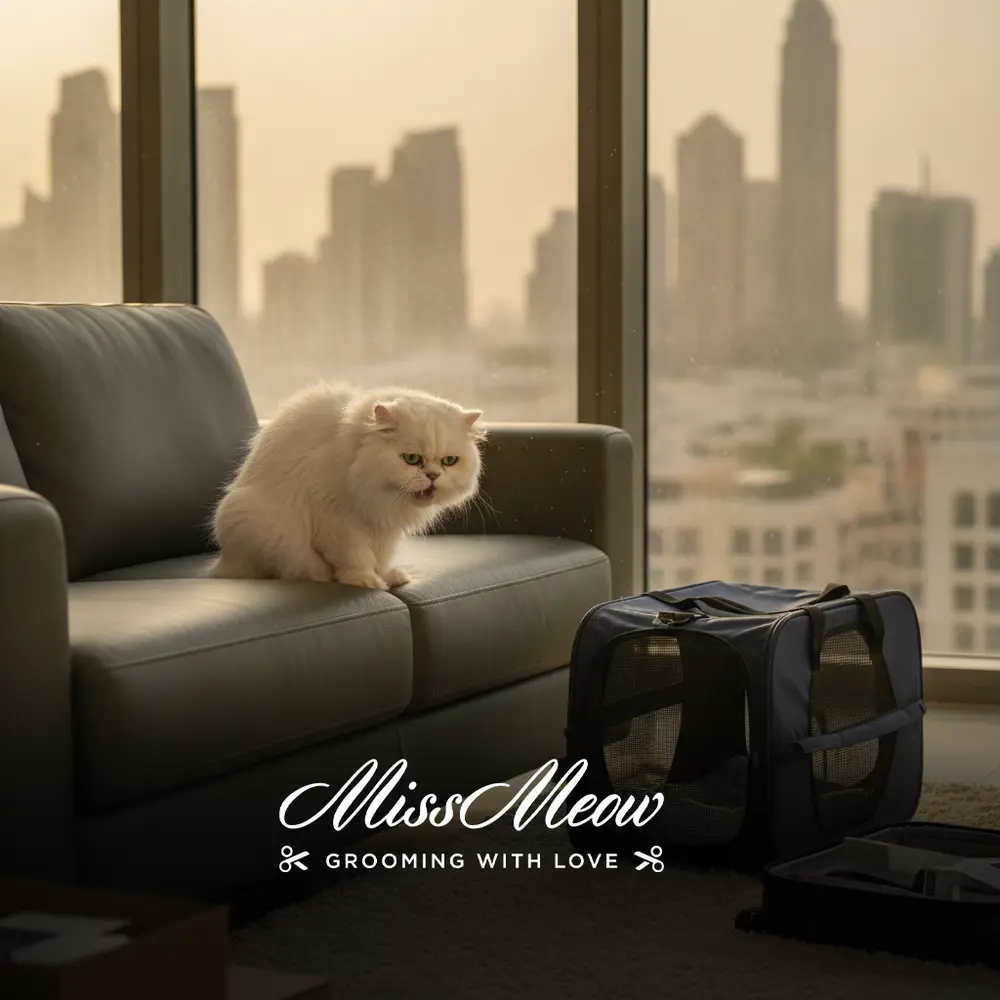
The scene is familiar to anyone living in a high-rise in Business Bay. It is 2:00 PM, the balcony is sweltering, and your long-haired Persian, Snowball, has decided the white leather sofa is the perfect place to deposit a dense, felted mat of undercoat. You drag the carrier from the back of the closet, which immediately triggers a feline sixth sense. Before you can even reach for the treats, the cat has vanished into the darkest crevice behind the refrigerator. This is why some cats hate going to the groomer: it is an assault on their carefully curated sense of control and territory.
Most cats are creatures of extreme habit. In the comfort of a Dubai apartment, they map their world by scent and routine. When you force them into a carrier and transport them across the city, you are ripping them out of their security zone. The environment at a clinic or salon is loud. You have the sharp bark of a nervous terrier, the hum of high-velocity dryers, and the antiseptic smell of chemical cleaners. To a cat, these are not just minor inconveniences. They are genuine threats to their safety. Understanding why some cats hate going to the groomer is the first step toward making the process less traumatic for your pet.
The Anatomy of Feline Grooming Anxiety
The feline perspective on hygiene is drastically different from our own. A cat spends hours every day perfecting their coat through constant licking. When a stranger starts handling them, using tools that pull at their skin, and perhaps spraying them with water, the cat feels their personal boundaries have been violated. It is a massive stress event. Their heart rate spikes, their pupils dilate, and their cortisol levels skyrocket. Once they associate the professional grooming environment with this spike in adrenaline, they will fight to avoid it every single time.
Living in the UAE means our pets deal with more than just regular shedding. The humidity and the intense summer heat often lead to greasy, matted coats that become painful if left unbrushed for too long. If a cat has experienced a painful grooming session in the past, perhaps one where a mat was pulled too hard or a clipper became too hot, they carry that memory. They are not being difficult. They are protecting themselves. It is crucial to remember that a cat cannot be reasoned with; they operate on a primal level of flight or fight response.
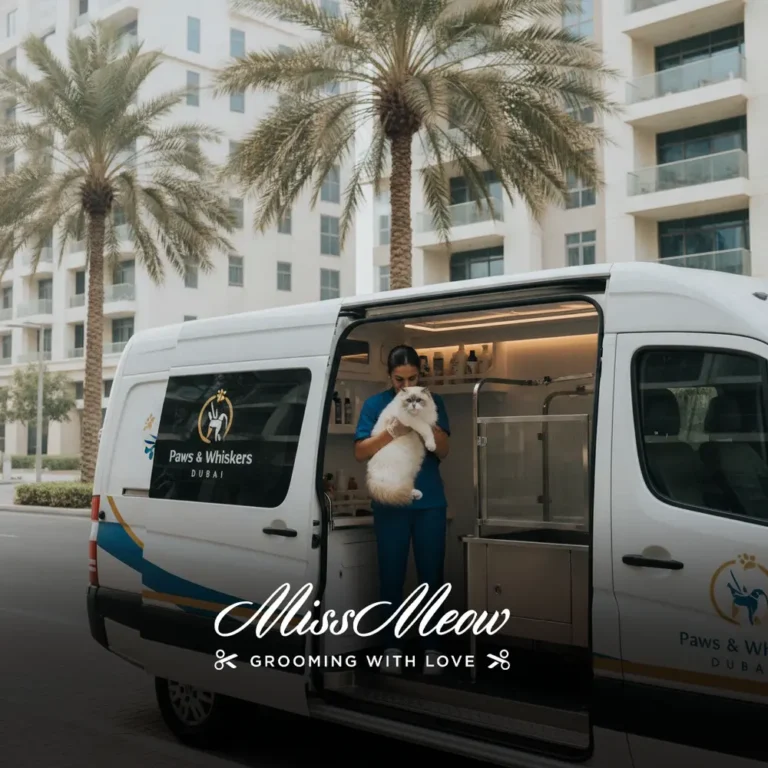
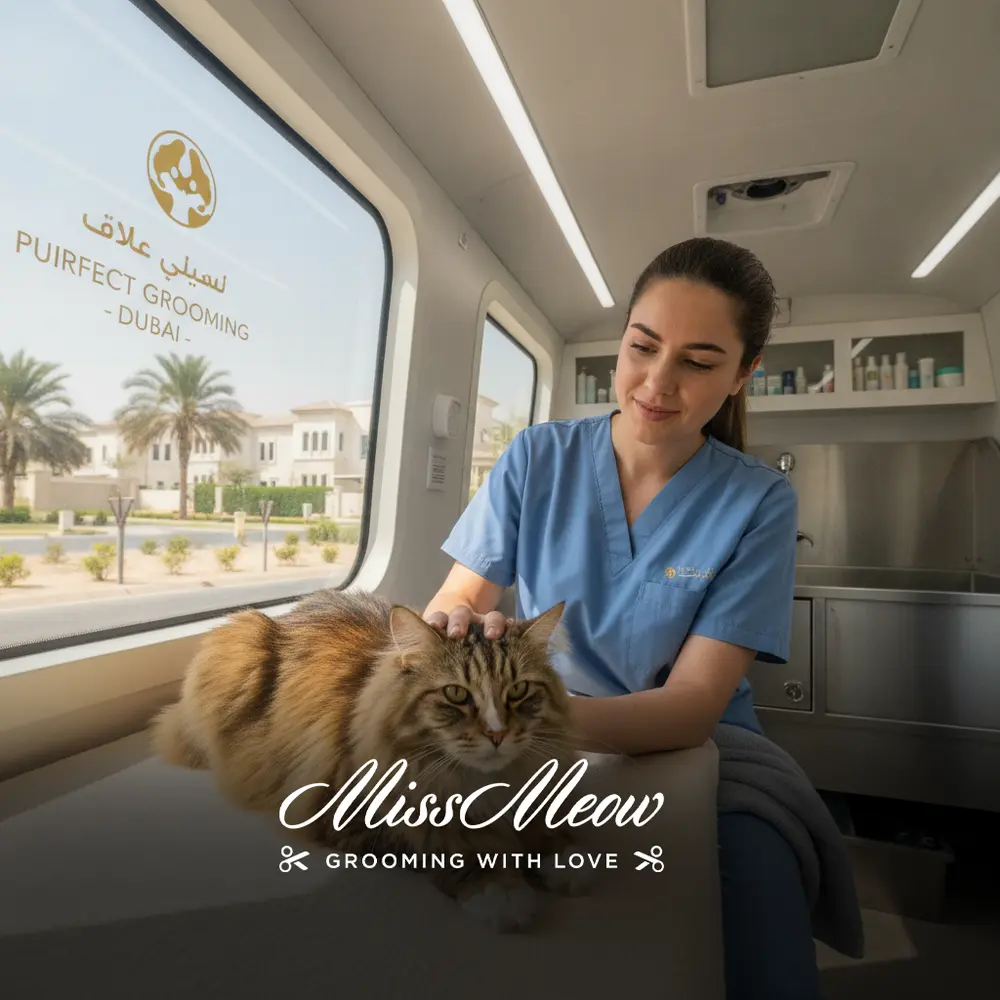
In my experience with anxious cats, the biggest trigger is often the loss of sight. When they are handled by a groomer, they often feel vulnerable, especially if their vision is partially obscured or they are held firmly to prevent them from bolting. Many owners find that looking into mobile pet grooming in Dubai changes the dynamic entirely. Because the groomer comes to the villa or apartment, the cat stays in their home territory. The car ride is eliminated. The strange smells are minimized. Being in a familiar space often drops their stress levels by half before the first brush even touches their fur.
Why Some Cats Hate Going to the Groomer and How Environment Plays a Role
We often assume that a cat just hates being wet or hates the clippers. While those are factors, the environment is usually the silent antagonist. Think about the sensory input in a busy salon. Even if the groomers are gentle, the background noise is constant. A cat’s hearing is significantly more sensitive than ours, allowing them to detect frequencies that we completely tune out. That loud blower running in the next stall sounds like a jet engine to them.
Then there is the issue of restraint. Cats are not like dogs, who can often be calmed with a simple command or a treat. A cat needs to feel like they have an exit strategy. When they are restrained on a table, they feel trapped. Many high-quality services have started using calming pheromone sprays, but those can only do so much if the overall atmosphere remains high-pressure. If you choose to use professional cat grooming services, you should ask about their handling techniques. Do they use forced restraint or positive reinforcement? Is there a designated quiet area for cats?
If your cat is particularly reactive, consider the timing. Scheduling a session for a quiet Tuesday morning when the shop is less likely to be flooded with energetic puppies makes a world of difference. You might also want to leave a favorite blanket or a worn t-shirt that smells like home inside the carrier during the trip. These small touchstones of familiarity can act as anchors for an anxious animal. It is about reducing the unknown variables in their day.
Physical Discomfort and Previous Trauma
Sometimes, the hatred of grooming is strictly physical. If a cat has skin sensitivity or minor cuts that the owner has not noticed, the groomer becomes a source of pain. This is especially true for elderly cats whose skin becomes paper-thin. A grooming brush that felt fine three years ago might now cause genuine discomfort. If you see your cat shivering or becoming aggressive during a session, they are telling you that they are hurting.
We see this frequently with owners who wait too long between sessions. When a cat is severely matted, the grooming process must be invasive to be effective. It is not just a quick brush-out. It involves de-matting or shaving, which pulls on the skin and can be quite frightening for the animal. Regular maintenance is the best way to avoid these high-stress visits. You can book a pet grooming appointment frequently enough that the sessions remain short and low-intensity, preventing the need for deep, aggressive grooming that the cat naturally fears.
This is where Missmeow Grooming really stands out by prioritizing the mental state of the animal over just finishing the job. By focusing on shorter, more frequent visits, they ensure the cat never gets to that point of panic where they feel the need to defend themselves. When the animal learns that the session ends quickly and without pain, the fear response begins to diminish. You start to see them become more receptive to the process.
Common Misconceptions About Feline Grooming
A frequent error is believing that if a cat is social at home, they will be social at the salon. You might have a cat that greets guests at the door and purrs in your lap every evening, yet they transform into a spinning top of claws when they see a groomer. This is called redirected aggression. The cat is so overwhelmed by the shift in their environment that they can no longer regulate their behavior. They are not being mean; they are simply unable to cope with the sensory overload.
Another misconception is that the cat will get used to it over time. While some cats do eventually habituate to the process, many do not. If a cat has a bad experience, that memory is often locked in. You cannot simply force them to endure it repeatedly hoping they will adapt. If you have a particularly sensitive cat, you must adjust your strategy. For example, looking into a dog grooming van in Dubai if you happen to have a household with both pets, or ensuring the grooming schedule is strictly maintained, are better ways to handle the situation.
Some people also believe that bathing is an essential part of the grooming ritual for every cat. Unless your cat has a specific skin condition or has gotten into something they cannot clean off themselves, a bath might not be necessary. If you can skip the water and focus only on brushing and nail trimming, you remove the most stressful part of the entire appointment. Ask your groomer if they can prioritize a dry groom instead of a full wash. You might be surprised at how much calmer your pet remains when they stay dry.
Practical Strategies for a Calmer Experience
Creating a bridge between home and the grooming session is vital. Start by desensitizing your cat to the carrier itself. Do not leave the carrier tucked away in a cupboard to be dragged out only for stressful events. Keep it in the living room as a piece of furniture, with a soft bed inside and treats nearby. Let them sleep in it voluntarily. When the carrier becomes a safe, familiar space, you have already conquered half the battle of getting them to the groomer.
During the drive, cover the carrier with a light towel or blanket. The visual stimulation of the Dubai cityscape—moving lights, other cars, reflections—is incredibly overstimulating for a cat. Darkness inside the carrier helps them settle. A calm, quiet drive is always better than a chaotic one. If you notice your cat is constantly panicked in the car, you may need to reconsider your options and see if a home-based service fits your routine better. A quick review of the available Miss Meow pricing and packages will give you an idea of the different options for in-home care that might be less taxing on your pet.
Preparation is everything. A cat that has had a good play session before the groomer arrives will be naturally more tired. A tired cat is generally a more cooperative cat. Ensure they have eaten a small meal, but not a large one, as a full stomach can lead to nausea during travel or handling. Give them plenty of affection before they head off, but keep your tone calm. If you are anxious, they will sense your heart rate and pick up on your tension, which only confirms their own suspicions that something bad is about to happen.
Addressing Frequently Asked Questions
How often does my cat really need professional grooming? For most indoor cats in the UAE, a professional session once every six to eight weeks is plenty. This keeps the coat manageable and prevents those painful mats from forming in the first place. If your cat is long-haired, you might want to brush them twice a week at home to minimize the work the groomer needs to do.
Should I sedate my cat for a grooming session? In my professional opinion, no. Sedation is a serious medical procedure that carries risks, especially in hot climates like Dubai. It should only be done under the strict supervision of a licensed veterinarian. If your cat is truly unmanageable without sedation, consult your vet about anxiety-reducing supplements or pheromone-based options instead of jumping straight to heavy medication.
Is it better to stay while my cat is being groomed? Most professional groomers will tell you that the cat behaves better when the owner is out of sight. When you are present, your cat is constantly trying to reach you or hide behind you. They cannot settle into the process because they are distracted by your presence. It is usually best to drop them off, go for a coffee, and come back when the work is finished.
Does the groomer use different tools for cats? Yes, absolutely. Feline skin is much thinner than canine skin, and cats are far more sensitive to heat. We use softer brushes, specialized combs for finer hair, and clippers that run at lower temperatures to ensure the cat is never burned or scratched. Never let someone use heavy, blunt tools meant for large dog breeds on a delicate cat.
Final Thoughts on Keeping Your Cat Calm
Ultimately, the goal is to make grooming a manageable part of life rather than a traumatic ordeal. We live in a place where we take extra care to protect our pets from the harsh outdoor environment, and grooming is just an extension of that care. Whether you choose to visit a shop or keep it local to your home, focus on consistency. The more predictable the process, the more your cat will eventually tolerate it.
If you find that your cat is perpetually terrified, do not feel like you are failing. Some personalities are just more prone to anxiety than others. Take the time to observe them, communicate clearly with your groomer about what triggers your pet, and never force a session that is doing more mental harm than physical good. Finding the right balance will make all the difference for your cat’s comfort and your peace of mind.