
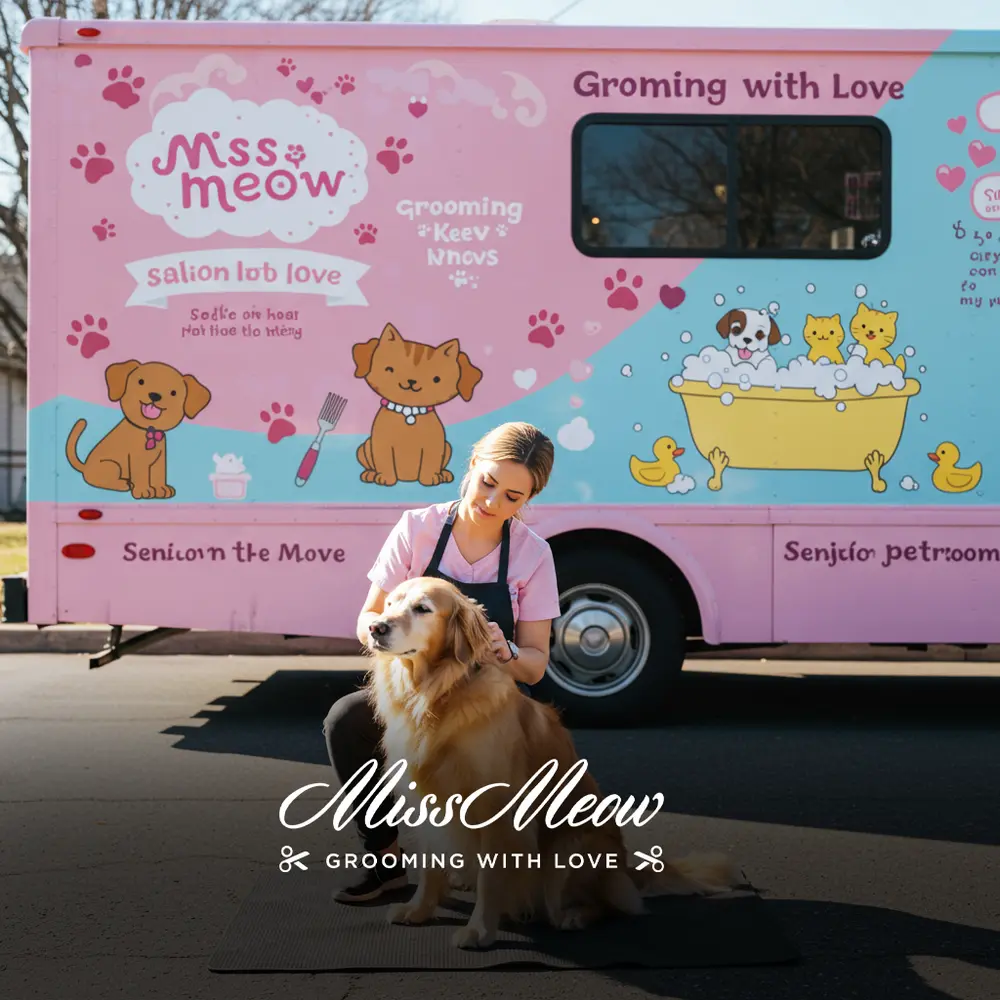
The Best Grooming Routine for Senior Pets
The Best Grooming Routine for Senior Pets
As our beloved companions enter their golden years, their needs subtly yet significantly shift. What once was a straightforward splash-and-dash bath or a quick brush now requires a more thoughtful, gentle approach. Just like humans, senior pets experience changes in their skin, coat, mobility, and even their temperament. Crafting the best grooming routine for senior pets isn’t just about aesthetics; it’s a vital component of their overall health, comfort, and quality of life.
Ignoring these evolving needs can lead to discomfort, skin issues, and even exacerbate underlying health problems. On the other hand, a carefully tailored grooming regimen can transform their twilight years into a period of enhanced well-being and loving attention. This comprehensive guide will delve into the nuances of senior pet grooming, offering practical advice and compassionate strategies to ensure your aging friend remains happy, healthy, and impeccably cared for.
Understanding the Unique Needs of Senior Pets
Before we even pick up a brush or a pair of clippers, it’s crucial to understand what makes senior pets different. Their bodies are no longer as resilient as they once were, and these changes directly impact how we should approach their grooming. Let’s be honest, those youthful exuberance baths are a thing of the past.
Aging Skin and Coat Changes
One of the most noticeable shifts in senior pets is often seen in their skin and coat. Skin can become thinner, less elastic, and more prone to dryness, flakiness, or irritation. It might also develop age spots, warts, or benign growths. The coat, too, undergoes transformation; it might thin out, become coarser, or lose some of its natural luster. In some breeds, excessive shedding can become an issue, while others might develop more mats as they become less active or struggle to groom themselves effectively. These changes make their skin more susceptible to tears and their coat more challenging to manage, necessitating a gentler touch.
Arthritis and Mobility Issues
Ah, the tell-tale signs of a life well-lived: creaky joints and a slower gait. Arthritis and other musculoskeletal issues are incredibly common in older animals. What does this mean for grooming? Simply put, standing for long periods, bending, or holding uncomfortable positions can be painful. Getting in and out of a tub, or even reaching certain areas for a good scratch, might become impossible. This reduced mobility impacts everything from how they stand during brushing to how they tolerate nail trims, demanding patience and adaptability from us.
Increased Sensitivity
Senior pets often become more sensitive to temperature extremes, loud noises, and even the feeling of certain grooming tools. Their senses might dull, making them more easily startled, or conversely, more sensitive to touch in areas where they might have arthritis pain. A gentle touch becomes paramount, as does ensuring a calm, quiet, and warm environment for their grooming sessions. Overstimulation is the last thing we want.
Dental and Oral Health Concerns
While not strictly “fur” grooming, oral hygiene is an undeniable part of a senior pet’s overall well-being. Older animals are particularly susceptible to dental disease, which can lead to pain, infection, and even impact their heart and kidneys. Regular dental checks and gentle oral care during grooming are non-negotiable.
Emotional Well-being and Cognitive Decline
Just like people, some senior pets can experience cognitive dysfunction, leading to confusion, anxiety, or changes in behavior. A grooming session that was once routine might now be perceived as frightening or stressful. Building trust, maintaining a consistent routine, and making grooming a positive, calm experience is vital for their mental and emotional health.
Why a Specialized Grooming Routine Matters for Senior Pets
Given the unique challenges, it becomes clear that “The Best Grooming Routine for Senior Pets” isn’t a luxury; it’s a necessity. It’s an act of love and proactive care that significantly contributes to their comfort and longevity.
Comfort and Pain Management
Matted fur pulls on fragile skin, overgrown nails cause pain and affect gait, and dirty ears can lead to uncomfortable infections. A proper grooming routine directly alleviates these potential sources of discomfort, allowing your senior pet to move more freely and feel better in their own skin. In fact, gentle brushing can even stimulate circulation, which can be soothing for aching muscles.
Hygiene and Preventing Infections
Older pets may have trouble reaching certain areas to clean themselves, or they might become incontinent. Regular cleaning prevents skin infections, urine scald, and keeps their coat free of debris, which can otherwise harbor bacteria and cause irritation. This is particularly true for cats, who pride themselves on cleanliness but may find it harder to maintain as they age.
Early Detection of Health Issues
During a thorough grooming session, you have an unparalleled opportunity to conduct a head-to-tail health check. You’ll feel for new lumps, bumps, or skin lesions, notice changes in coat texture, identify dental problems, or detect subtle signs of pain or discomfort. This vigilance can lead to early diagnosis and treatment of conditions that might otherwise go unnoticed until they become more serious.
Bonding and Mental Stimulation
Grooming, when done gently and positively, can be a wonderful bonding experience. It provides a dedicated time for gentle touch, praise, and connection. For pets experiencing cognitive decline, a predictable and soothing routine can also offer a sense of security and mental engagement, breaking the monotony of their day.
Maintaining Quality of Life
Ultimately, a specialized grooming routine ensures your senior pet can enjoy their golden years with dignity and comfort. It helps them feel clean, loved, and free from the irritations that poor hygiene can bring, thereby significantly enhancing their overall quality of life.
Core Components of The Best Grooming Routine for Senior Pets
Now that we understand the ‘why,’ let’s dive into the ‘how.’ This involves breaking down the grooming process into manageable, gentle steps tailored specifically for the needs of an older animal. This isn’t about speed; it’s about precision and kindness.
Gentle Brushing: A Daily Ritual
Brushing is arguably the most crucial part of a senior pet grooming routine. It helps prevent mats, distributes natural oils, removes loose fur (which can be a big relief, especially for those experiencing increased shedding), and offers a chance for a physical inspection.
Tools & Technique:
- **Soft Brushes:** Opt for brushes with softer bristles or grooming mitts, which are less likely to scratch delicate skin. A rubber curry brush can be excellent for massaging and stimulating circulation without pulling.
- **Slow and Gentle:** Forget vigorous strokes. Use short, light, deliberate strokes. Pay close attention to your pet’s body language. If they flinch or show signs of discomfort, stop or adjust your technique immediately.
- **Focus on Problem Areas:** Areas prone to matting, like behind the ears, armpits, and groin, require extra attention. For cats, these areas are often overlooked in their self-grooming.
- **Frequency:** Daily brushing is ideal, even if for just a few minutes. This prevents matting from becoming severe and makes each session shorter and less stressful.
Bathing with Care: Less is Often More
Bathing senior pets requires considerable planning and caution. Over-bathing can strip natural oils, leading to dry, itchy skin, which is particularly detrimental to their thinner, more sensitive skin. However, some pets, especially those with incontinence or mobility issues, will need regular spot cleaning or full baths to maintain hygiene.
Products & Technique:
- **Hypoallergenic & Moisturizing Shampoos:** Choose shampoos specifically designed for sensitive skin, ideally pH-balanced and containing moisturizers like oatmeal or aloe. Your vet might recommend a medicated shampoo if your pet has specific skin conditions.
- **Warm Water, Not Hot:** Always test the water temperature. Lukewarm water is best to prevent shocking their system or causing discomfort to arthritic joints.
- **Non-Slip Mats:** A non-slip mat in the tub is non-negotiable. This provides stability and prevents falls, which can be devastating for an older pet.
- **Gentle Washing:** Use a handheld shower sprayer to wet them thoroughly and rinse. Gently massage the shampoo into their coat, avoiding harsh scrubbing. Be careful around their face and ears.
- **Thorough Rinsing & Drying:** Rinse until the water runs clear. Any leftover shampoo can irritate the skin. Dry thoroughly with soft towels and, if using a hairdryer, ensure it’s on a low, cool setting and held at a distance to prevent burns. A damp coat can lead to skin issues and chills.
Nail Trimming: A Crucial but Delicate Task
Overgrown nails are a major issue for senior pets. They can impact mobility, cause pain, lead to splayed toes, and even grow into paw pads, causing infection. Their quicks (the blood supply within the nail) can also lengthen as they age, making trimming more challenging.
Why It’s Important:
- **Mobility:** Long nails force paws into unnatural positions, making walking painful and difficult.
- **Pain Prevention:** Prevents nails from curling and digging into paw pads.
- **Joint Health:** Promotes proper gait, reducing strain on arthritic joints.
Technique:
- **Frequent, Small Trims:** Rather than infrequent, dramatic trims, aim for more frequent, smaller trims. This helps keep the quick recessed.
- **Good Lighting & Sharp Clippers:** Use sharp clippers appropriate for your pet’s size and work in a well-lit area.
- **Patience & Rewards:** Take breaks if your pet becomes stressed. Offer treats and praise.
- **Consider Professional Help:** If you’re unsure or your pet is particularly sensitive, don’t hesitate to seek a professional. Missmeow Grooming offers expert mobile pet grooming in Dubai that understands the needs of older animals.
Ear Cleaning: Preventing Infections and Discomfort
Older pets can be more prone to ear infections due to changes in their immune system or reduced ability to shake their heads vigorously. Regular, gentle ear cleaning is vital.
Frequency & Products:
- **As Needed:** Check ears weekly. Clean them if you notice wax buildup, odor, or redness.
- **Vet-Approved Cleaners:** Always use a cleaner recommended by your veterinarian.
Technique:
- **Gentle Wiping:** Use a cotton ball or soft gauze moistened with cleaner to gently wipe the visible parts of the ear.
- **No Deep Insertion:** Never insert cotton swabs or anything else deep into the ear canal, as this can cause damage or push debris further in.
- **Signs of Trouble:** If you notice excessive head shaking, scratching, discharge, or a foul odor, consult your vet immediately.
Eye Care: Keeping Sight Clear and Comfortable
As pets age, their eyes may water more, leading to tear stains, or they might develop discharge. Regular, gentle cleaning prevents irritation and keeps their vision as clear as possible.
- **Soft Cloths & Saline:** Use a soft, damp cloth or a sterile saline solution (pet-safe) to gently wipe away any discharge from the corners of their eyes. Always wipe away from the eye.
- **Check for Changes:** Use this time to observe for any redness, cloudiness (like cataracts), or unusual growths around the eyes.
Dental Hygiene: More Than Just a Pretty Smile
Poor dental health can significantly impact a senior pet’s overall health and comfort. It’s truly a cornerstone of any comprehensive grooming routine for senior pets.
- **Daily Brushing:** If your pet tolerates it, daily brushing with pet-specific toothpaste and a soft brush is ideal. Even a few seconds can make a difference.
- **Dental Chews & Water Additives:** Discuss vet-approved dental chews, treats, or water additives with your veterinarian.
- **Professional Cleanings:** Regular professional dental cleanings under anesthesia are often necessary for senior pets. While there are risks with anesthesia in older animals, the benefits of removing painful infections often outweigh the risks, especially with proper pre-anesthetic screening.
Paw Care: The Foundation of Mobility
Their paws are their connection to the world, and keeping them healthy is crucial for mobility, especially for those with arthritis.
- **Hair Trimming:** Trim the hair between paw pads to prevent slipping and reduce the accumulation of debris.
- **Moisturizing:** If paw pads are dry or cracked, consider a pet-safe paw balm.
- **Inspection:** Check pads for cuts, foreign objects, or excessive wear.
Creating a Calming and Positive Grooming Experience
The success of the best grooming routine for senior pets hinges on making it a positive and stress-free experience. This isn’t just about the physical acts of grooming, but the atmosphere you create.
Warm, Quiet, and Non-Slip Environment
Choose a warm, draft-free area for grooming. Lay down non-slip mats or soft towels to provide stability and comfort, especially for pets with slippery floors or joint issues. Keep noise levels low to avoid startling them.
Short, Frequent Sessions
Long, drawn-out grooming sessions can be exhausting and painful for senior pets. Instead, break grooming into shorter, more frequent sessions. For example, brush for five minutes in the morning and five in the evening, rather than one intense ten-minute session.
Patience and Understanding
This cannot be stressed enough. Your senior pet might be slower, less tolerant, or even a little confused. Be patient, move slowly, and speak in soothing tones. If they seem uncomfortable, take a break.
Plenty of Praise and Treats
Positive reinforcement is key. Reward good behavior with verbal praise, gentle petting, and high-value treats. Associate grooming with pleasant experiences.
Recognizing Stress Signals
Learn to read your pet’s body language. Signs of stress can include lip licking, yawning, stiff posture, tail tucking, avoidance, or even subtle growls. If you see these, stop, reassure them, and perhaps resume later or try a different approach.
When to Seek Professional Help for Your Senior Pet’s Grooming
While DIY grooming is rewarding, there are times when professional assistance is invaluable, especially for senior pets. A professional groomer has the tools, experience, and knowledge to handle challenging situations with care and expertise.
Dealing with Matted Fur or Severe Skin Issues
Matted fur on a senior pet can be incredibly painful to remove and requires delicate handling. Professional groomers are trained to safely demat or, if necessary, shave the mats without injuring the delicate skin underneath. Similarly, if you notice severe skin flaking, redness, or lesions, a professional groomer can often work in conjunction with your vet, using specialized shampoos and techniques.
Reluctance or Aggression During Home Grooming
If your once-tolerant pet now resists grooming, or even shows aggression, it might be due to pain, fear, or cognitive decline. A professional groomer has techniques and facilities to manage anxious or difficult pets more safely, often with less stress for both pet and owner. For instance, services like cat grooming services or those offered by a dedicated dog grooming van in Dubai can provide a controlled and familiar environment.
Mobility Challenges Making Home Grooming Difficult
If lifting your large senior dog into the tub becomes impossible, or if your small senior cat struggles to stand for brushing, professional services can be a lifesaver. Many mobile groomers, like Missmeow Grooming, come equipped with specialized tubs and grooming tables that can be lowered or have ramps, making the experience much more accessible and comfortable for pets with limited mobility. This personalized approach to the grooming routine for senior pets ensures their comfort is prioritized.
Expert Advice and Specialized Tools
Professional groomers are a fount of knowledge. They can recommend specific brushes, shampoos, or techniques tailored to your pet’s breed and individual needs. They also have access to professional-grade tools that can make a big difference, especially for dense coats or difficult nails. Moreover, they can spot subtle changes in your pet’s skin or coat that you might miss, advising you to consult your veterinarian if necessary.
For residents of Dubai seeking compassionate and expert care, considering Missmeow Grooming can be an excellent choice. Their team is well-versed in handling pets of all ages, understanding the nuanced approach required for senior companions. You can review Miss Meow pricing and packages directly on their website to find a service that suits your pet’s needs. To simplify your life and ensure your senior pet receives the very best care, you can easily book a pet grooming appointment with them online.
Monitoring Your Senior Pet’s Health During Grooming
Every grooming session, whether at home or with a professional, is an invaluable opportunity for a comprehensive health check. Think of it as your regular “touch therapy” that also serves a critical diagnostic purpose. Being vigilant is part of the best grooming routine for senior pets.
Daily “Mini-Checks”
During your daily brushing, take a few extra moments to run your hands over your pet’s entire body. Feel for anything new or unusual: lumps, bumps, swelling, tenderness, or changes in temperature. Check their ears for odor or discharge, and their eyes for redness or cloudiness. Look at their gums; are they pink and healthy, or pale or inflamed?
Lumps, Bumps, and Skin Lesions
Senior pets, unfortunately, are prone to developing various growths. Most are benign, but some can be serious. Any new lump or bump, or any existing one that changes in size, shape, or texture, should be brought to your veterinarian’s attention promptly. Don’t ignore a suspicious spot just because it’s small.
Changes in Coat or Body Condition
A dull, greasy, or excessively dry coat can be indicative of underlying health issues, such as thyroid problems or nutritional deficiencies. Sudden weight loss or gain, muscle atrophy, or changes in how they carry themselves (e.g., limping, hunching) should also prompt a veterinary visit. Your grooming routine offers a prime opportunity to notice these subtle but important shifts.
Seeking Vet Advice Promptly
If you discover anything concerning during grooming – be it a skin lesion, an ear infection, or a sign of pain – don’t delay. Early detection and intervention can make a significant difference in the prognosis and quality of life for your senior companion. Your groomer can also be a valuable partner in this, often being the first to spot subtle health cues.
Conclusion
The journey through your pet’s senior years is a precious one, filled with continued love, companionship, and perhaps a few more naps. Providing the best grooming routine for senior pets is not merely a chore; it is an essential act of compassion and care that directly impacts their health, comfort, and happiness. By understanding their changing needs, adopting gentle techniques, creating a positive experience, and knowing when to seek professional help, you can ensure your beloved companion enjoys their golden years with dignity and joy.
Remember, patience, consistency, and a loving touch are the most valuable tools in your senior pet grooming kit. Embrace these moments as opportunities for bonding and connection, making their twilight years truly golden. Your senior pet has given you a lifetime of unconditional love; providing them with meticulous, gentle care in return is perhaps the greatest gift you can offer.

