
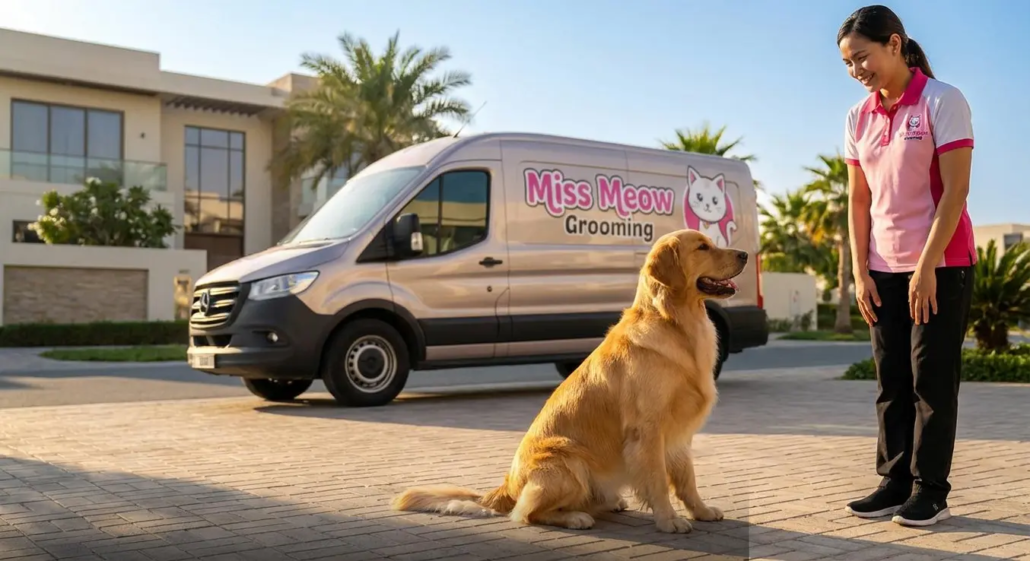
Deshedding Treatments: Say Goodbye to Pet Hair at Home
Deshedding Treatments: Say Goodbye to Pet Hair at Home
If you have ever woken up with a tickle in your nose only to find a stray strand of Golden Retriever fur, or if your favorite black sweater looks like it has sprouted a coat of its own, you are not alone. For many pet owners, the battle against shedding feels like a never-ending war. We vacuum, we lint-roll, and we apologize to guests, yet the “glitter” of the pet world persists. But what if the solution wasn’t just a better vacuum cleaner? What if the secret lay in a more proactive approach? This is where professional-grade deshedding treatments: say goodbye to pet hair at home come into play, offering a way to manage the mess before it even hits your floor.
Pet ownership brings immeasurable joy, but the tumbleweeds of fur drifting across the hardwood floors can test even the most patient soul. Let’s be honest, shedding is a natural biological process, but that doesn’t mean we have to live in a house that feels like a barber shop floor. By understanding the mechanics of how our pets lose hair and implementing a structured routine, we can significantly reduce the volume of fur that ends up on our furniture. In this comprehensive guide, we will explore the depths of deshedding, the tools required, and why investing time in these treatments can change your relationship with your pet and your home environment.
Understanding the Basics of Deshedding Treatments: Say Goodbye to Pet Hair at Home
To tackle the problem, we first need to understand what shedding actually is. Many people use the terms “brushing” and “deshedding” interchangeably, but they are quite different. Regular brushing focuses on removing surface debris and keeping the topcoat free of tangles. It is a maintenance task that should be done daily or several times a week. Deshedding, on the other hand, goes much deeper. It targets the undercoat—the dense, soft layer of hair that provides insulation but is also the primary culprit behind the fur piles in your living room.
Deshedding treatments: say goodbye to pet hair at home involve using specific tools and techniques designed to reach through the topcoat and pull out the loose, dead hairs from the undercoat before they fall out naturally. Have you ever noticed how some dogs seem to “blow their coat” twice a year? This is a massive release of the undercoat, usually triggered by seasonal changes. Without proper intervention, this hair remains trapped against the skin, leading to mats, hotspots, and, eventually, a mess on your carpets. By proactively removing this hair, you aren’t just cleaning; you are improving your pet’s skin health and overall comfort.
The Science Behind Why Pets Shed
Every hair on your pet’s body has a life cycle. It grows, it rests, and then it dies and falls out. This cycle is influenced by several factors, including genetics, health, and environmental triggers like light and temperature. In the wild, animals shed to adapt to changing seasons—growing a thick coat for winter and thinning it out for summer. However, our domesticated friends spend much of their time indoors under artificial lighting and climate control, which can sometimes confuse their internal clocks, leading to year-round shedding.
Some breeds are more notorious than others. Double-coated breeds like Huskies, German Shepherds, and Labradors have a “working” coat that requires constant management. On the other hand, certain breeds have hair that grows continuously, similar to human hair, and they tend to shed much less. Regardless of the breed, a lack of regular grooming can lead to a buildup of dander and old oils. In fact, many people who believe they are allergic to pets are actually reacting to the proteins found in the dander and saliva that cling to these shed hairs. This is why effective deshedding is a health win for the humans in the house as much as for the animals.
The Benefits of Professional-Grade Deshedding at Home
Why should you care about deshedding treatments: say goodbye to pet hair at home? The benefits extend far beyond a cleaner sofa. Firstly, it significantly reduces the allergens in your home. By removing dead hair and dander at the source, you are lowering the concentration of irritants in the air. Secondly, it allows you to inspect your pet’s skin regularly. While you are working through the coat, you might find lumps, bumps, ticks, or skin irritations that were previously hidden under a thick layer of fur.
Furthermore, regular deshedding helps with thermoregulation. A matted undercoat acts like a heavy, unbreathable blanket. In warmer climates, such as the Middle East, this can lead to overheating. For those living in the region, seeking out a dog grooming van in Dubai can be a life-saver, as these professionals bring specialized high-velocity dryers and tools right to your doorstep, ensuring your pet stays cool and comfortable. When the undercoat is thinned out properly, air can circulate against the skin, which is essential for your pet’s natural cooling mechanism.
Choosing the Right Tools for the Job
If you walk into any pet store, the sheer number of brushes can be overwhelming. To implement successful deshedding treatments: say goodbye to pet hair at home, you need to know which tool fits your pet’s specific coat type. A slicker brush is great for general smoothing, but for real deshedding, you might need an undercoat rake or a specialized deshedding blade. These tools are designed with unique teeth that grab the loose undercoat without cutting or damaging the healthy topcoat.
However, a word of caution: these tools must be used correctly. Applying too much pressure or staying in one spot for too long can cause “brush burn,” which is painful for your pet. It is often a delicate balance between being thorough and being gentle. Many owners find that while they can do the basic maintenance, they prefer the expertise of a professional. For those with busy schedules, looking into Miss Meow pricing and packages can reveal affordable ways to get a deep deshedding treatment done by experts who know exactly how much fur to remove without irritating the skin.
A Step-by-Step Guide to Deshedding Your Pet
If you are ready to take the plunge and handle the grooming yourself, preparation is key. Start by bathing your pet. A high-quality deshedding shampoo and conditioner can help loosen the dead hair before you even pick up a brush. The conditioner is particularly important as it flattens the hair cuticle and allows the dead fur to slide out more easily. Once the pet is clean and fully dry—this is crucial, as brushing a wet undercoat can lead to breakage—you can begin the process.
Work in sections. Start at the neck and move toward the tail, following the direction of hair growth. Use long, gentle strokes. You will likely be amazed (and perhaps a little horrified) at the amount of fur that comes off. It is not uncommon to end up with a pile of fur that looks like another small animal! Remember to be extra careful around sensitive areas like the belly, ears, and legs. If your pet becomes restless, take a break. Grooming should be a bonding experience, not a chore that causes stress. In fact, if you find your cat is particularly resistant to the process, you might consider specialized cat grooming services to ensure the job is done safely and efficiently.
The Importance of Professional Intervention
While home grooming is excellent for maintenance, there are times when you simply need the heavy hitters. Professional groomers have access to high-velocity dryers that “blast” the loose hair out of the coat after a bath. This is a level of deshedding that is nearly impossible to achieve with a hand brush alone. Companies like Missmeow Grooming specialize in these types of intensive treatments, providing a level of cleanliness that keeps your home fur-free for much longer than a standard brushing session would.
Professional groomers also have the experience to recognize when shedding is “normal” and when it might be a sign of an underlying health issue. Excessive shedding can sometimes be linked to thyroid problems, skin infections, or poor nutrition. By having a professional look at your pet regularly, you gain an extra set of eyes on their health. Moreover, the convenience of a mobile pet grooming in Dubai means you don’t have to deal with the “fur-nado” inside your own bathroom or laundry room; the mess stays in the grooming van!
Deshedding Treatments: Say Goodbye to Pet Hair at Home and the Role of Diet
We often forget that skin and hair are reflections of internal health. You can use all the deshedding treatments: say goodbye to pet hair at home in the world, but if your pet’s diet is lacking, the shedding will continue to be excessive. Omega-3 and Omega-6 fatty acids are vital for coat health. These “healthy fats” strengthen the hair follicles and add a natural luster to the fur. If the hair is strong and healthy, it stays in the follicle longer, resulting in less shedding.
Consider adding a fish oil supplement or choosing a high-quality kibble that prioritizes skin health. Hydration is also a major factor. Dehydrated skin becomes dry and flaky, which causes hair to fall out more easily. Ensure your pet always has access to fresh water, especially in hot climates where dehydration can happen quickly. A holistic approach that combines proper nutrition, hydration, and regular grooming is the most effective way to manage the hair in your home.
Common Myths About Shedding
There are many misconceptions floating around the pet community. One of the most common is that shaving a double-coated dog will stop shedding and keep them cool. This is actually a myth and can be quite harmful. Shaving a double coat destroys the natural insulation system and can lead to permanent damage to the hair texture, not to mention increasing the risk of sunburn. The hair that grows back is often “patchy” and loses its ability to protect the pet from heat and cold.
Another myth is that “hypoallergenic” dogs don’t shed at all. While it’s true that breeds like Poodles or Bichons shed very little, they still lose hair—it just gets trapped in their curls rather than falling on the floor. These breeds actually require more frequent professional grooming to prevent painful mats. Whether your pet is a low-shedder or a high-shedder, the need for deshedding treatments: say goodbye to pet hair at home remains a constant reality of responsible pet ownership.
Creating a Grooming Schedule That Works
Consistency is the enemy of pet hair. If you only brush your pet once a month, you are always going to be playing catch-up. For the best results, aim for a quick five-minute brush every day and a deep deshedding session once every two weeks. This keeps the undercoat under control and prevents the massive “explosions” of fur that happen during seasonal changes. If this sounds like a lot of work, don’t worry—you don’t have to do it alone.
Many pet owners find that a hybrid approach works best. They do the daily light brushing themselves and then book a pet grooming appointment once a month for a professional-grade deshedding treatment. This ensures the coat is thoroughly cleared of dead hair using professional tools and shampoos, making the daily maintenance much easier to handle. It is an investment in your home’s cleanliness and your pet’s happiness.
The Emotional Connection of Grooming
Beyond the practicalities of cleaning and health, grooming is a profound way to bond with your animal. In the wild, grooming is a social activity that reinforces pack bonds. When you sit down to brush your dog or cat, you are communicating care and affection. It is a quiet time for both of you to relax. Many pets, once they get used to the sensation, truly enjoy the feeling of the dead weight being lifted from their skin.
Of course, not every pet loves it at first. Some may be fearful of the tools or the restraint. This is why it is so important to start slow, use plenty of treats, and keep the sessions positive. If your pet is particularly anxious, the calm, one-on-one environment of a mobile groomer can be much less stressful than a busy, loud grooming salon. The goal is to make deshedding treatments: say goodbye to pet hair at home a pleasant part of their routine, rather than a scary event.
Addressing Shedding in Multi-Pet Households
If you have multiple pets, the hair situation is compounded. A house with three cats and two dogs can quickly feel like it is being swallowed by fur. In these cases, organization is your best friend. Different pets will have different coat types and will require different tools. Managing a multi-pet household means being even more diligent with your deshedding routine. It also means recognizing when you are overwhelmed. There is no shame in calling in the professionals to handle the heavy lifting while you focus on the daily snuggles.
By utilizing specialized deshedding treatments: say goodbye to pet hair at home, you can maintain a household that feels fresh and clean, even with a small army of furry friends. The key is to stay ahead of the cycle. Once the hair is on your couch, the battle is much harder to win. When the hair is still on the pet, you have the upper hand.
The Final Verdict: A Fur-Free Future
Living with pets doesn’t have to mean living with a layer of fur on everything you own. Through a combination of the right tools, a healthy diet, and regular deshedding treatments: say goodbye to pet hair at home, you can reclaim your living space. Whether you choose to do it yourself or rely on the expert services of a mobile groomer, the result is the same: a happier pet and a cleaner home.
Don’t let the frustration of shedding diminish the joy of your pet’s company. Take control of the undercoat today. Whether it’s through the specialized care of a professional or your own dedicated routine at home, saying goodbye to pet hair is entirely possible. Your vacuum cleaner—and your nose—will thank you for it. Remember, a well-groomed pet is a healthy pet, and a healthy pet makes for a very happy home.
Summary of Key Takeaways
To recap, managing pet hair effectively involves understanding that shedding is a deep-rooted biological process that requires more than just surface brushing. You need to target the undercoat using specialized tools and techniques. Don’t forget the importance of internal health; a good diet is the foundation of a strong coat. And finally, don’t be afraid to ask for help. Utilizing professional services can save you time and provide a level of cleanliness that is difficult to achieve on your own. By following these steps, you are well on your way to mastering deshedding treatments: say goodbye to pet hair at home and enjoying a more harmonious life with your four-legged companions.

Leave a Reply
Want to join the discussion?Feel free to contribute!