
How to Fix Bad Dog Breath with Proper Dental Care
How to Fix Bad Dog Breath with Proper Dental Care
We’ve all been there—your furry best friend jumps up for an enthusiastic morning greeting, tail wagging and eyes bright, and instead of a sweet wake-up call, you’re met with a puff of air that smells like a dumpster in mid-July. It is a common struggle for pet owners across the globe. While we often joke about “dog breath” as if it’s an unavoidable part of canine ownership, the truth is that chronic halitosis is frequently a red flag for underlying health issues. Learning how to fix bad dog breath with proper dental care is not just about making your couch cuddles more pleasant; it is a fundamental aspect of ensuring your dog lives a long, pain-free, and healthy life.
In this comprehensive guide, we are going to dive deep into the world of canine oral hygiene. We will explore why that smell happens, the science of plaque and tartar, and practical, actionable steps you can take today to freshen up your pup’s mouth. Whether you have a tiny Chihuahua or a massive Great Dane, the principles of dental health remain remarkably similar, and the benefits of a clean mouth extend far beyond the gums.
The Root of the Problem: Why Does My Dog’s Breath Smell?
Before we can effectively address how to fix bad dog breath with proper dental care, we have to understand what we are fighting. In most cases, the culprit is bacteria. Just like in humans, a dog’s mouth is a complex ecosystem. When food particles mix with saliva, they form a sticky film called plaque. If this plaque isn’t brushed away, it mineralizes into a hard substance known as tartar or calculus within just 48 to 72 hours. This tartar provides a porous surface where even more bacteria can thrive, leading to inflammation of the gums, known as gingivitis.
However, let’s be honest: sometimes the cause is more than just a lack of brushing. Some dogs have a penchant for “dietary indiscretion”—the polite way of saying they eat things they shouldn’t, like garbage or feline “treats” from the litter box. On the other hand, persistent, foul-smelling breath can sometimes indicate systemic issues. For instance, a sweet or fruity smell might point toward diabetes, while a breath that smells like urine could suggest kidney problems. If the smell is truly offensive and accompanied by lethargy or loss of appetite, a trip to the vet is the first logical step before beginning an at-home regimen.
The Science Behind Why We Must Learn How to Fix Bad Dog Breath with Proper Dental Care
It is easy to dismiss dental health as a cosmetic issue, but the biological reality is much more serious. The mouth is the gateway to the rest of the body. When a dog has advanced periodontal disease, the gum tissue becomes inflamed and vascularized. This allows oral bacteria to enter the bloodstream directly. Once in the blood, these bacteria can travel to major organs, including the heart, liver, and kidneys. In fact, studies have shown a direct correlation between gum disease and endocarditis, an inflammation of the heart valves.
By mastering how to fix bad dog breath with proper dental care, you are essentially building a shield for your dog’s internal organs. It is about prevention. Imagine if you never brushed your teeth for five years; the pain and decay would be unbearable. Dogs are notoriously stoic and will often continue to eat even when their teeth are loose or their gums are throbbing with infection. It is our responsibility as pet parents to intervene before the silence of their discomfort becomes a chronic health crisis.
Practical Steps: How to Fix Bad Dog Breath with Proper Dental Care at Home
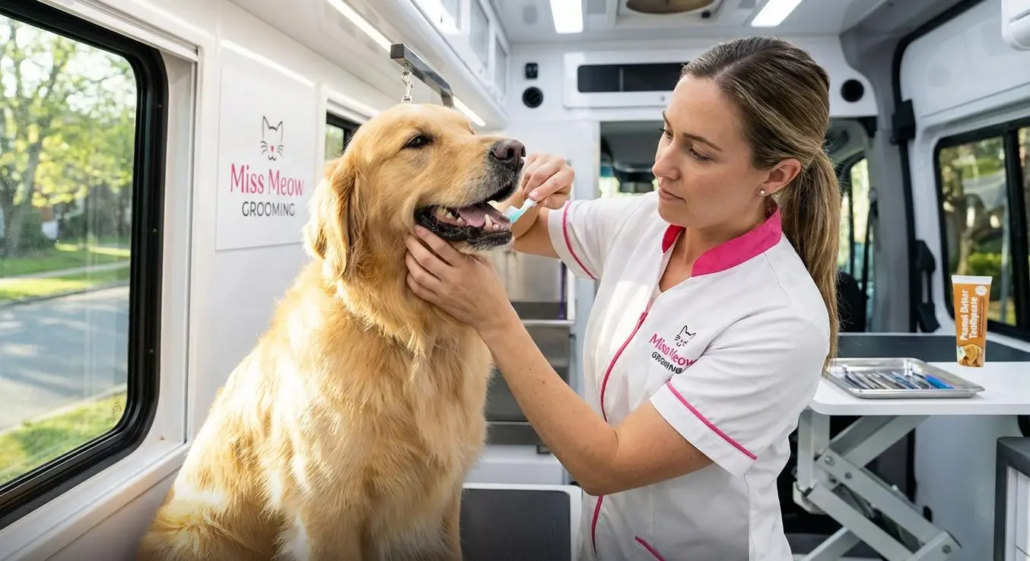
The gold standard for canine oral hygiene is, and always will be, daily brushing. I know what you’re thinking: “My dog will never let me do that.” While it might seem like a daunting task, most dogs can be conditioned to accept, and even enjoy, the process if it’s introduced correctly. Start by choosing a toothpaste specifically formulated for dogs. Never use human toothpaste, as it often contains xylitol, which is highly toxic to dogs, and foaming agents that can upset their stomachs. Dog toothpastes come in flavors like poultry, beef, or peanut butter, making them more of a treat than a chore.
Start slowly by letting your dog lick the paste off your finger. Once they are comfortable with the taste, gently rub your finger along their gums. Gradually transition to a finger brush or a soft-bristled canine toothbrush. Focus on the outside surfaces of the teeth, as this is where the most plaque accumulates. You don’t need to spend ten minutes on it; even a quick thirty-second scrub can make a massive difference in your quest to understand how to fix bad dog breath with proper dental care.
The Role of Diet and Dental Chews
While brushing is the heavy hitter, your dog’s diet also plays a supporting role. Some specialized dental diets are designed with larger kibble sizes or a specific texture that creates a “scrubbing” effect as the dog chews. Furthermore, high-quality dental chews can be an excellent supplement. These chews often contain enzymes that help break down plaque chemically while providing a mechanical scraping action. However, be mindful of the calorie content in these treats, and always look for products that carry the Veterinary Oral Health Council (VOHC) seal of approval.
Water Additives and Sprays
If your dog is particularly resistant to brushing, water additives can be a helpful secondary line of defense. These are tasteless, odorless liquids you add to their drinking bowl that contain ingredients like chlorhexidine or zinc gluconate to reduce the bacterial load in the mouth. While they aren’t a substitute for mechanical cleaning, they are a low-effort way to contribute to how to fix bad dog breath with proper dental care on a daily basis.
The Importance of Professional Grooming and Cleaning
Even with the best at-home care, professional intervention is sometimes necessary. This is where professional services come into play to support your efforts. For example, if you are looking for mobile pet grooming in Dubai, you know that convenience is key to maintaining a regular schedule. A professional groomer can often spot early signs of dental trouble, such as redness, swelling, or broken teeth, that you might miss during your busy daily routine.
At Missmeow Grooming, the focus is on holistic care, ensuring that every part of the pet, from their coat to their nails and even their basic oral hygiene check, is handled with expertise. While a groomer cannot perform a deep medical scaling—which must be done under anesthesia by a vet—they can provide teeth brushing services and breath-freshening treatments that complement your home efforts. Utilizing a dog grooming van in Dubai provides a stress-free environment for your pet, where they can receive one-on-one attention without the anxiety of a traditional salon.
How to Fix Bad Dog Breath with Proper Dental Care: A Step-by-Step Guide
Consistency is the secret ingredient. You cannot fix years of neglect in a single weekend. To truly see results, follow this structured approach to how to fix bad dog breath with proper dental care:
Step 1: The Inspection. Lift your dog’s lips and look at the molars in the back. Is there brown buildup? Are the gums bright red? This baseline helps you track progress.
Step 2: The Vet Visit. If you see heavy tartar or loose teeth, a professional veterinary cleaning is required. No amount of brushing can remove hardened calculus; it requires specialized ultrasonic tools.
Step 3: Establish a Routine. Pick a time of day—perhaps after the final walk—to brush. Consistency helps the dog understand that this is a non-negotiable but rewarding part of their day.
Step 4: Integrate Supplements. Use a combination of dental chews, healthy toys (like rubber kongs with ridges), and water additives to keep the mouth fresh between brushings.
Step 5: Monitor Progress. After a few weeks of consistent care, you should notice a significant decrease in “doggy breath” and a reduction in gum redness.
Lifestyle Factors and Professional Support
Your dog’s environment and the quality of services they receive also impact their overall health. For multi-pet households, don’t forget that feline friends need care too; looking into cat grooming services can ensure that every member of your furry family is healthy and smelling fresh. Before you commit to a routine, it is always wise to research the Miss Meow pricing and packages to see how professional grooming fits into your monthly pet care budget. Regular grooming sessions act as a preventative measure, catching small issues before they become expensive medical bills.
When you are ready to take the next step in your pet’s wellness journey, you can easily book a pet grooming appointment to get a professional’s eyes on your dog’s oral health. This combination of professional oversight and diligent at-home care is the most effective strategy for how to fix bad dog breath with proper dental care.
Natural Remedies: Fact or Fiction?
Many pet owners look for natural ways to freshen their dog’s breath. Some swear by adding a teaspoon of organic coconut oil to their food, which has mild antimicrobial properties. Others suggest chopped parsley, which acts as a natural deodorizer. While these can help slightly with the odor, they do nothing to remove the underlying plaque. Think of them like a breath mint; they mask the smell but don’t treat the cavity. When considering how to fix bad dog breath with proper dental care, use natural remedies as “extra credit,” not as the primary curriculum.
Common Obstacles and How to Overcome Them
What if your dog is aggressive or fearful when you touch their mouth? This is a common hurdle. In these cases, forcing the issue can lead to bites or a broken bond of trust. Instead, focus on dental toys and enzymatic gels that can be applied to the lips, which the dog will then lick off. Slowly desensitize them by touching their muzzle briefly and rewarding them with a high-value treat. Over months, you can work your way up to actual brushing. The journey of how to fix bad dog breath with proper dental care is a marathon, not a sprint.
The Cost of Neglect
It is worth mentioning the financial aspect of this topic. A toothbrush and a tube of dog toothpaste might cost you a small amount per year. In contrast, a full veterinary dental extraction surgery, including anesthesia, X-rays, and medication, can cost thousands. When we discuss how to fix bad dog breath with proper dental care, we are also discussing financial responsibility. Preventing disease is always more affordable than treating it after it has taken hold.
Conclusion: A Healthier, Happier Future
At the end of the day, your dog depends on you for everything. They can’t tell you when their tooth hurts, and they can’t go buy their own toothbrush. By taking the time to learn and implement strategies on how to fix bad dog breath with proper dental care, you are significantly improving their quality of life. You’ll notice they have more energy, they’re more eager to play, and, of course, those morning kisses will be much more welcome.
Bad breath isn’t just a quirk of being a dog; it’s a cry for help from their oral microbiome. With a mix of daily brushing, the right diet, and professional support from trusted providers, you can banish the stench for good. So, grab a brush, find a flavor your dog loves, and start the journey toward a fresher, healthier mouth today. Your dog—and your nose—will thank you for it.

Leave a Reply
Want to join the discussion?Feel free to contribute!