
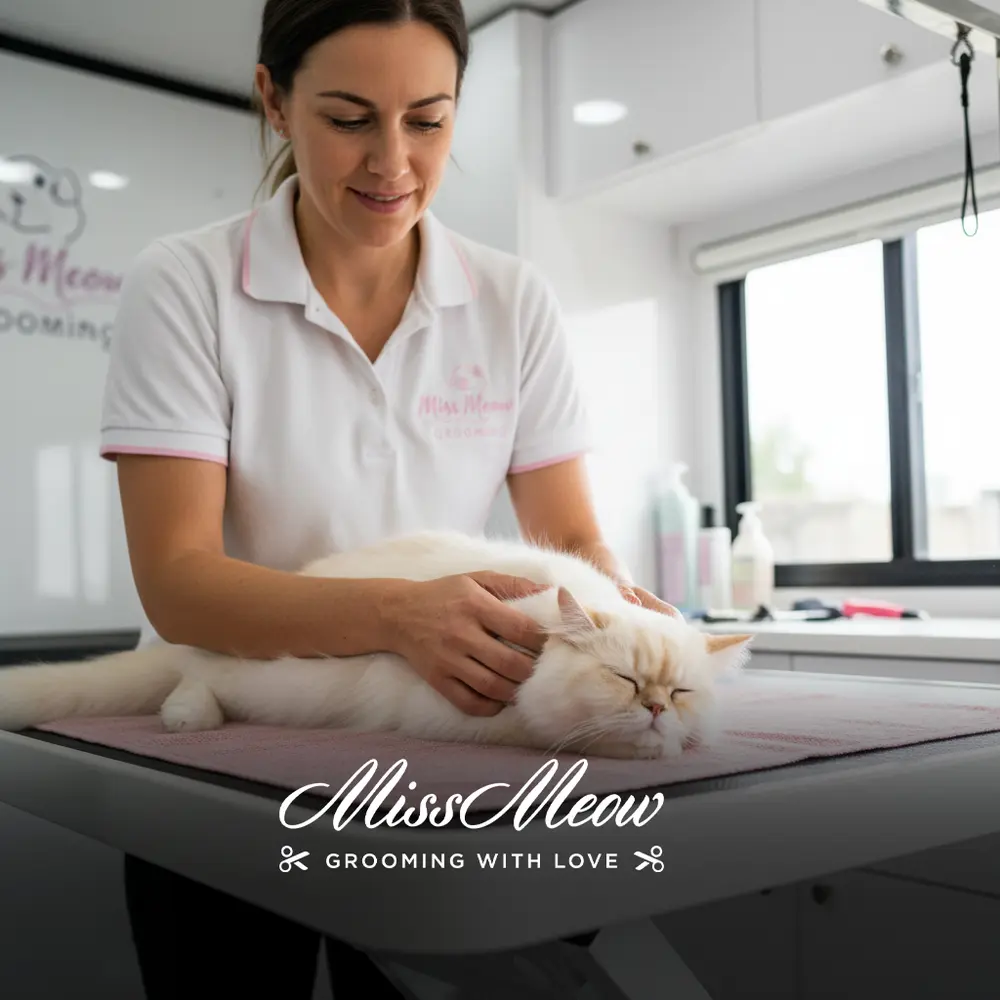
Are Massages Good for Pets?
Are Massages Good for Pets?
As pet parents, we constantly seek ways to enhance the well-being and happiness of our beloved furry companions. From nutritious diets to engaging playtime, every effort is made to ensure they live their best lives. But what if we told you there’s a simple, ancient practice that offers a myriad of benefits, not just for humans, but for animals too? We’re talking about massage therapy. The question, “Are massages good for pets?” often elicits a mix of curiosity and skepticism. Some might envision a pampered pooch on a spa day, while others wonder about the true scientific basis behind such a notion. Let’s delve deep into this fascinating topic and uncover whether these gentle touches can truly make a difference in your pet’s life, transforming it from a luxury to a vital part of their care regimen.
The Enthusiastic “Yes”: Why Massages Are Indeed Good for Pets
In a world increasingly attuned to holistic health, the concept of pet massage has moved beyond niche circles and into mainstream pet care discussions. And for good reason! The answer to “Are massages good for pets?” is a resounding yes, supported by anecdotal evidence from countless pet owners and a growing body of veterinary interest. Much like humans, animals experience stress, muscle soreness, joint stiffness, and emotional imbalances. A well-executed massage can address many of these issues, acting as a non-invasive, drug-free therapy that supports both physical and psychological health. It’s not just about relaxation; it’s about improving quality of life, fostering a deeper bond, and even aiding in the detection of potential health problems before they escalate.
Imagine your dog, after a particularly energetic romp in the park, limping slightly or showing stiffness. Or perhaps your usually aloof cat seems more withdrawn than usual. These are moments when the gentle, therapeutic power of touch can come into play. A massage isn’t merely a fleeting pleasure; it’s a deliberate act designed to stimulate physiological responses that promote healing, comfort, and a profound sense of calm. From boosting circulation to alleviating anxiety, the benefits cascade throughout their entire system, proving that a little tactile attention goes a very long way.
A Deeper Look: How Pet Massages Work Their Magic
To truly understand why mobile pet grooming in Dubai often includes elements of gentle touch and even light massage, it’s helpful to explore the underlying mechanisms. When you apply pressure and stroke a pet’s muscles and skin, you’re initiating a complex series of physiological responses. Firstly, massage enhances blood circulation. Improved blood flow means better delivery of oxygen and nutrients to tissues and organs, and more efficient removal of metabolic waste products like lactic acid, which can cause muscle soreness. This is particularly beneficial for active pets, senior animals, or those recovering from injury.
Secondly, massage directly impacts the nervous system. The gentle touch stimulates mechanoreceptors in the skin and muscles, sending signals to the brain that can reduce the perception of pain and induce a state of relaxation. It helps to activate the parasympathetic nervous system, which is responsible for the “rest and digest” response, counteracting the “fight or flight” response of the sympathetic nervous system. This is why many pets visibly relax, yawn, or even fall asleep during a massage session. For our furry friends, often attuned to subtle changes in their environment, this calming effect is invaluable.
Furthermore, regular massage can help break down adhesions and scar tissue, improve joint flexibility, and increase the range of motion. It can also tone muscles, which is vital for maintaining mobility and preventing injuries, particularly in aging pets or those with orthopedic conditions. Think of it as physical therapy wrapped in a comforting embrace. When considering services like cat grooming services, it’s worth noting how a calm, relaxed animal is much more receptive to being handled, making the grooming experience less stressful for everyone involved. This holistic approach emphasizes the interconnectedness of physical and mental well-being in our cherished companions.
Unveiling the Myriad Benefits of Pet Massage
Let’s move beyond the general concept and explore the specific, tangible advantages that answer the question, “Are massages good for pets?” The benefits extend across physical, emotional, and even preventive health domains.
Physical Perks: Easing Aches and Enhancing Mobility
One of the most immediate and observable benefits of massage for pets is its physical impact. For senior dogs battling arthritis, or a cat with stiffness after a nap, regular therapeutic touch can be a game-changer. Massage helps to:
- Improve Circulation: As mentioned, enhanced blood flow means healthier tissues and faster healing. This can also lead to a shinier, healthier coat as the skin receives better nourishment.
- Reduce Muscle Tension and Soreness: Just like athletes, active pets can experience muscle strain. Massage helps release knots, relieve cramps, and reduce post-exercise stiffness.
- Increase Flexibility and Range of Motion: Gentle stretching and manipulation can improve joint lubrication and flexibility, particularly beneficial for pets with orthopedic issues or those in rehabilitation.
- Alleviate Pain: For pets suffering from chronic pain conditions like arthritis, hip dysplasia, or even post-surgical discomfort (always with vet approval), massage offers a non-pharmacological route to pain relief. It can significantly reduce reliance on pain medication in some cases.
- Aid in Lymphatic Drainage: This helps reduce swelling and flush out toxins, contributing to overall immune health.
Consider a lively Labrador who loves to retrieve, but whose joints are starting to creak with age. Regular massage could be the secret ingredient to keeping him active and comfortable for longer, proving that dog grooming van in Dubai services might offer more than just a trim – they could be a gateway to better physical health.
Mental and Emotional Well-being: A Soothing Balm for the Soul
Beyond the physical, the emotional and psychological benefits of pet massage are profound. Pets, much like humans, can suffer from stress, anxiety, and even depression. Massage provides a powerful antidote:
- Stress and Anxiety Reduction: The calming effect of touch releases endorphins, the body’s natural “feel-good” hormones, helping to alleviate separation anxiety, fear of thunderstorms, noise phobias, or general nervousness.
- Strengthening the Human-Animal Bond: The act of giving a massage is an intimate, trust-building experience. It creates a deeper connection between you and your pet, fostering mutual respect and affection.
- Behavioral Improvements: A calmer, less anxious pet is often a better-behaved pet. Massages can help reduce destructive behaviors linked to stress, making for a more harmonious household.
- Alleviating Loneliness and Boredom: For pets left alone for long periods, or those with limited mobility, a massage session provides much-needed interaction and mental stimulation.
Imagine a rescue dog, initially timid and fearful. Regular, gentle massage could be a cornerstone in building trust and helping them feel safe and loved in their new home. It’s an undeniable answer to the question, “Are massages good for pets?” when we consider their emotional landscapes.
Early Detection and Preventive Care: More Than Just a Feel-Good
Interestingly, massage can also serve as a crucial tool for preventive health. By regularly feeling your pet’s body, you become intimately familiar with their normal contours and textures. This familiarity makes it easier to:
- Spot Lumps, Bumps, or Tender Spots: Early detection of unusual growths, skin lesions, or areas of pain can lead to prompt veterinary intervention, often improving outcomes for various conditions.
- Monitor Changes: You can observe subtle changes in muscle mass, coat quality, or skin condition that might indicate underlying health issues.
- Build Trust for Handling: Pets accustomed to being handled and touched are generally more cooperative during vet visits, grooming sessions, or when needing medication, reducing stress for both pet and owner.
This proactive approach highlights the multifaceted value of integrating massage into your pet’s routine care, transforming it from a mere indulgence into a key component of their overall health strategy. Missmeow Grooming recognizes the importance of such comprehensive care, advocating for practices that extend beyond aesthetics to genuine wellness.
When to Consider a Massage for Your Furry Friend
While the general answer to “Are massages good for pets?” leans heavily towards ‘yes,’ specific situations make it an even more compelling option:
- Aging Pets: As pets age, arthritis, joint stiffness, and decreased mobility become common. Massage can significantly alleviate discomfort and improve their quality of life.
- Active or Athletic Pets: Working dogs, agility competitors, or even just highly energetic breeds can benefit from massage to prevent injuries, reduce muscle soreness, and aid in faster recovery after strenuous activity.
- Anxious or Stressed Pets: For pets exhibiting signs of anxiety, fear, or stress (e.g., destructive chewing, excessive barking, hiding), massage can provide a calming influence.
- Pets Recovering from Injury or Surgery: With veterinary approval, massage can be an invaluable part of a rehabilitation program, improving circulation, reducing swelling, and promoting tissue healing.
- Pets with Certain Chronic Conditions: Conditions like hip dysplasia or certain neurological issues can be managed more comfortably with regular massage, always in conjunction with veterinary treatment.
- Simply for Bonding and Relaxation: Even perfectly healthy, happy pets can benefit from massage as a wonderful way to strengthen the bond with their owner and enjoy a moment of pure bliss.
Understanding when to incorporate this therapeutic touch can truly elevate your pet’s well-being, providing targeted relief and comprehensive care that addresses their unique needs at different stages of life. Before diving in, however, it’s always wise to consult with your veterinarian, especially if your pet has pre-existing health conditions.
DIY Pet Massage: Tips for the Home Enthusiast
You don’t necessarily need a professional to introduce your pet to the wonders of massage. Many techniques can be safely and effectively performed at home, strengthening your bond in the process. Here’s how to get started:
1. Create a Calm Environment: Choose a quiet time and place where you and your pet won’t be disturbed. Speak in a soothing voice. Maybe put on some calming music. Ensure your pet is comfortable, whether lying on their bed or snuggled next to you.
2. Start Slow and Observe: Begin with gentle strokes. Use the flat of your hand to perform long, sweeping motions (effleurage) over their body. Pay close attention to your pet’s reactions. Are they leaning into your touch, purring, or sighing contentedly? Or are they pulling away, tensing up, or showing discomfort? Always respect their boundaries.
3. Focus on Key Areas:
- Neck and Shoulders: Many pets carry tension here. Use circular motions with your fingertips, applying gentle pressure.
- Back: Stroke along the spine, avoiding direct pressure on the bones. You can use light kneading motions (petrissage) along the muscles flanking the spine.
- Legs: Gently cup a leg in your hands and stroke downwards, then use light squeezing motions. Pay attention to the joints but avoid forceful manipulation.
- Head and Ears: Many cats and dogs adore having their heads stroked and ears gently rubbed. This can be incredibly calming.
4. Techniques to Try:
- Effleurage (Stroking): Long, gliding strokes with an open hand. Good for starting and ending a session, and for spreading warmth.
- Petrissage (Kneading): Gently lifting and squeezing muscles. Helps release tension and increase circulation.
- Friction: Small, circular motions with fingertips, often used on specific tight spots, but use sparingly and gently on pets.
5. Know When to Stop: A massage session doesn’t need to be long – 5 to 15 minutes is often sufficient. If your pet shows any sign of discomfort, or simply gets up and walks away, end the session gracefully. Never force it.
Regular DIY massage can truly answer the question, “Are massages good for pets?” by fostering a stronger bond and keeping you attuned to your pet’s physical state. However, remember this is complementary care. If you suspect your pet is in pain or has a serious medical condition, a trip to the vet is paramount.
The Professional Touch: When to Call in the Experts
While home massage offers wonderful benefits, there are times when the expertise of a certified professional pet massage therapist is invaluable. These specialists possess a deeper understanding of animal anatomy, physiology, and specific massage techniques tailored to various conditions. You might consider a professional if:
- Your Pet Has Complex Health Issues: For pets recovering from surgery, managing chronic pain (like severe arthritis or disc disease), or dealing with neurological conditions, a professional can apply targeted, safe, and effective techniques.
- You’re Unsure About Techniques: If you feel uncomfortable or unsure about applying pressure correctly, a professional can provide the right touch without causing harm.
- Behavioral Challenges: Some pets with severe anxiety or aggression may benefit from a professional who understands how to approach and work with them safely and effectively.
- Performance Animals: For competitive dogs (agility, working dogs), professional massage can be a vital part of their training and recovery regimen, optimizing performance and preventing injuries.
Many professional groomers, like Missmeow Grooming, integrate gentle massage elements into their services, recognizing the calming effect and the overall enhancement of the grooming experience. While these are often light, relaxing touches, dedicated animal massage therapists can offer more in-depth therapeutic work. Before committing to a professional, inquire about their certifications, experience, and ensure they work in conjunction with your veterinarian, especially for pets with medical conditions.
Addressing Common Concerns: Are Massages *Always* Good for Pets?
While the overwhelming evidence points to the positive, it’s crucial to acknowledge that there are instances when massage might not be appropriate or should only be performed with extreme caution and veterinary approval. So, while Miss Meow pricing and packages for grooming might include relaxing elements, a full therapeutic massage isn’t a one-size-fits-all solution for every ailment.
Contraindications: When to Exercise Caution (or Avoid Altogether):
- Acute Injuries or Open Wounds: Never massage directly over fresh wounds, sutures, or acute injuries like fractures or sprains, as this can worsen the condition or cause infection.
- Infections or Fevers: Massage can spread infection or exacerbate a fever by increasing circulation.
- Certain Cancers: While gentle touch can be comforting, massage can sometimes stimulate the spread of certain types of cancer. Always consult your vet.
- Skin Conditions: Avoid massaging areas with active rashes, hot spots, or fungal infections to prevent irritation or spread.
- Pregnancy: While some light, calming touch may be okay, intense or specific massage techniques should be avoided during pregnancy without veterinary guidance.
- Pets with Blood Clotting Disorders: Increased circulation could be risky.
It’s imperative to reiterate: massage is not a substitute for veterinary care. If your pet is unwell, in pain, or exhibiting concerning symptoms, the first stop should always be your veterinarian. Massage can be a powerful complementary therapy, working alongside conventional medicine, but it cannot diagnose or cure serious medical conditions on its own.
Always trust your instincts and, most importantly, your pet’s body language. If they show any signs of discomfort – flinching, growling, hissing, trying to escape, or even just tensing up – stop immediately. The goal is comfort and healing, never pain.
Conclusion: The Affirmative Answer to a Comforting Question
So, book a pet grooming appointment and consider adding a massage! After exploring the physiological responses, the myriad benefits, and the cautious considerations, the answer to “Are massages good for pets?” is unequivocally affirmative. From soothing aching joints in senior dogs to calming anxious cats, and from enhancing athletic performance to deepening the human-animal bond, the power of therapeutic touch is undeniable. It’s a holistic practice that nurtures not just their bodies, but also their minds and spirits.
Whether you choose to incorporate gentle, regular home massages or seek the skilled hands of a professional therapist, the intention remains the same: to improve the quality of life for our cherished animal companions. Just as we seek comfort and relief from daily stresses and physical strains, our pets too deserve the profound benefits that massage can offer. It’s a simple, yet powerful, expression of love and care that can transform their well-being, proving once and for all that a gentle touch can indeed work wonders for our furry friends.

