
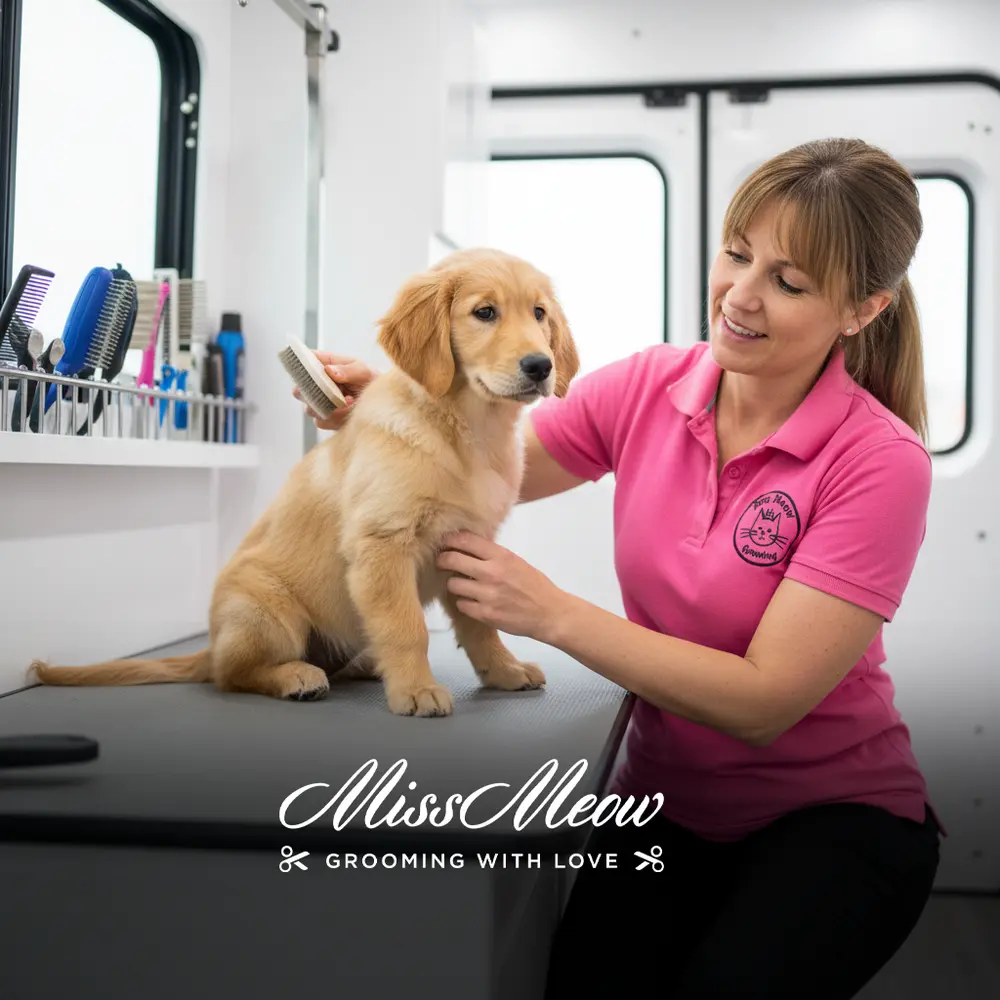
The Right Time to Groom Puppies: Tips and Tricks
The Right Time to Groom Puppies: Tips and Tricks
Bringing a new puppy into your home is an exhilarating experience, filled with boundless joy, playful antics, and, let’s be honest, a fair share of adorable chaos. Amidst the house-training, socialization, and endless games of fetch, one crucial aspect often puzzles new pet parents: grooming. When exactly is the right time to groom puppies? Is it something you jump into immediately, or do you wait until they’re older? This isn’t just about making your furry friend look good; it’s about their health, comfort, and the establishment of a lifelong positive routine. Understanding the optimal timing and methods for introducing your puppy to grooming can make all the difference, transforming what could be a stressful ordeal into a bonding experience.
Many new puppy owners assume grooming is simply about a fancy haircut once they’re big. However, the reality is far more nuanced. Grooming encompasses a range of activities, from nail trims and ear cleaning to brushing and bathing, each requiring its own gentle introduction and consistent practice. Starting early lays the foundation for a well-behaved adult dog who tolerates, and perhaps even enjoys, being handled. Neglecting early grooming can lead to matted fur, painful nails, skin issues, and a dog who dreads the grooming table, making future sessions a struggle for both of you. So, let’s delve into the specifics and uncover the expert tips and tricks to ensure your puppy’s grooming journey is a smooth, positive, and ultimately successful one.
Why Early Introduction to Puppy Grooming is Crucial
Think of it this way: would you wait until your child is a teenager to teach them about hygiene? Of course not! The same principle applies to our canine companions. Early exposure to grooming tools, sounds, and sensations helps desensitize puppies, making them more accepting of the process as they grow. Puppies, especially during their critical socialization period (roughly 3-16 weeks), are incredibly impressionable. Experiences during this window shape their perceptions of the world and how they react to new stimuli.
Introducing grooming early isn’t just about preventing fear; it’s also about establishing trust. When you gently handle their paws, ears, and mouth from a young age, they learn that your touch is safe and associated with positive reinforcement. This trust is invaluable, not only for regular grooming but also for veterinary visits or any situation where they need to be handled. Moreover, regular handling helps you, the owner, become familiar with your puppy’s body, enabling you to spot any unusual lumps, bumps, skin irritations, or parasites early on, which can be critical for their health. Waiting too long can mean dealing with an anxious, squirming adult dog, making even basic tasks like a nail trim a two-person job.
The Socialization Window and Grooming
As mentioned, the socialization window is paramount. During this time, puppies are sponges, absorbing everything around them. This is the prime opportunity to introduce them to the sights, sounds, and sensations of grooming in a calm, positive manner. This includes the whirring of clippers (even if not touching them yet), the feel of a brush, the splash of bathwater, and the sensation of having their paws gently squeezed. Short, frequent sessions are far more effective than long, infrequent ones. The goal isn’t to complete a full groom initially, but rather to create positive associations. Each interaction should end on a high note, perhaps with a treat or a favorite toy, reinforcing that grooming is a pleasant experience.
The Right Time to Groom Puppies: A Timeline for Key Tasks
While a general rule of thumb is to start as soon as your puppy is settled into your home, specific grooming tasks have their own ideal starting points. Let’s break down the timeline for each essential aspect of mobile pet grooming in Dubai.
Week 8-12: The Foundation Phase
This period is all about gentle introduction and positive reinforcement. Your puppy has likely just left their littermates and is navigating a new world. Overwhelming them with a full grooming session is counterproductive. Instead, focus on short, positive interactions.
Brushing: Start Immediately
As soon as your puppy comes home, typically around 8 weeks, you can begin introducing them to a soft puppy brush. Even short-haired breeds benefit from brushing, as it stimulates circulation and removes loose hair. For long-haired breeds, this is absolutely essential to prevent matting. Start with just a few gentle strokes, rewarding them with praise and a treat. Keep sessions very brief, perhaps 30 seconds to a minute, and gradually increase the duration as they become more comfortable. This early habituation makes future brushing sessions much easier and can turn it into a soothing ritual for both of you.
Nail Trimming: Early and Often
Puppy nails are sharp! More importantly, getting them used to having their paws handled and nails trimmed early is crucial. You can start gently touching their paws and separating their toes around 8 weeks. Once they are comfortable with this, introduce the clippers (even if you don’t cut anything initially). Let them sniff the clippers, click them (without cutting) so they get used to the sound, and reward them. When you do start trimming, take off only the very tips. If you’re unsure, ask your vet or a professional groomer for a demonstration. Frequent, tiny trims are better than infrequent, traumatic ones. Aim for every 1-2 weeks.
Ear Cleaning: Gentle Exploration
Many puppies don’t need extensive ear cleaning early on, but it’s important to get them used to having their ears touched and inspected. Gently lift their ear flaps, look inside, and softly massage the base of their ears. If you see dirt or wax, you can use a vet-approved ear cleaner and a cotton ball, never a Q-tip, which can push debris deeper. Again, positive reinforcement is key. If your puppy has floppy ears, which are more prone to infections, this early habituation is even more vital.
Teeth Brushing: The Sooner, The Better
Dental hygiene is often overlooked in puppies, but it’s incredibly important for preventing future dental disease. You can start introducing your puppy to a puppy toothbrush and enzymatic toothpaste (never human toothpaste!) as early as 8-10 weeks. Begin by letting them lick the toothpaste off your finger, then slowly introduce the brush for very short periods, focusing on the outside surfaces of their teeth. This is another area where consistency from a young age pays huge dividends later on.
Week 12-16: First Professional Grooming Visit (Optional, but Recommended)
Around 12-16 weeks, once your puppy has completed their initial vaccination series and has been deemed safe to interact with other dogs and environments, consider their first “puppy trim” or “bath and tidy” at a professional grooming salon. This isn’t about a full haircut necessarily, but more about a positive introduction to the professional grooming environment.
A reputable groomer understands puppy psychology. They’ll introduce your puppy to the grooming table, the bath, the blow dryer (on a low setting), and the sound of clippers in a stress-free manner. This early exposure, handled by an experienced professional, can significantly reduce anxiety about future grooming sessions. They can also offer advice on proper tools for your puppy’s coat type and demonstrate techniques. This first visit is often shorter and less intensive than a full adult groom, focusing on positive exposure rather than perfection. Missmeow Grooming, for example, offers tailored experiences to ensure even the youngest pups feel comfortable and safe during their first encounters.
Why a Professional Groomer is a Smart Choice
While you can certainly handle basic grooming at home, there’s undeniable value in professional services, especially for a puppy’s first experiences. Professionals have specialized equipment, from hydraulic tables to powerful yet quiet dryers, and, most importantly, the expertise to handle nervous puppies gently and effectively. They can spot potential health issues that might be missed by an untrained eye and offer guidance specific to your puppy’s breed and coat type. For those seeking convenience, services like a dog grooming van in Dubai can bring the salon experience right to your doorstep, minimizing travel stress for your little one.
Month 4-6 Onwards: Regular Grooming Schedule
By this stage, your puppy should be fairly comfortable with home grooming tasks. Depending on their breed and coat type, you’ll establish a more regular professional grooming schedule.
First Haircut (If Applicable)
For breeds that require haircuts (e.g., Poodles, Shih Tzus, Bichon Frises), the first full haircut typically happens around 4-6 months of age. This is when their “puppy coat” starts to give way to their adult coat, which can be prone to matting. A professional groomer will know how to manage this transition, ensuring the first haircut is a positive experience.
Bathing: As Needed, With Care
Generally, puppies don’t need frequent baths unless they’ve gotten particularly dirty. Over-bathing can strip their skin of natural oils, leading to dryness and irritation. Aim for once a month or every few weeks, depending on their activity level and coat type. Always use a puppy-specific shampoo and conditioner, and ensure the water temperature is lukewarm. Thoroughly rinse all shampoo out to prevent skin irritation. Make bath time fun with gentle praise and toys.
Tips and Tricks for Successful Puppy Grooming
Beyond the timing, the “how” of grooming your puppy is equally important. These tips will help you create a positive and stress-free experience:
1. **Keep it Positive:** Always associate grooming with positive experiences. Use high-value treats, praise, and gentle, soothing tones. If your puppy shows signs of stress, stop, comfort them, and try again later for a shorter duration.
2. **Short and Sweet Sessions:** Especially in the beginning, keep grooming sessions very brief. A few minutes of brushing or a quick paw check is better than a long, struggling session that ends negatively. Gradually increase the duration as your puppy’s comfort level grows.
3. **Invest in the Right Tools:** Use puppy-appropriate brushes, combs, nail clippers, and shampoos. High-quality tools designed for puppies are gentler and more effective, reducing the risk of discomfort or injury. For specific needs, consider consulting with a professional. While this article focuses on puppies, it’s worth noting that services for cat grooming services also emphasize specialized tools for different coat types and temperaments.
4. **Introduce Tools Slowly:** Let your puppy sniff and investigate grooming tools before you use them. Let them hear the sound of clippers or a low-setting dryer from a distance, gradually bringing it closer. The element of surprise can be a major source of fear.
5. **Practice Handling:** Even when not grooming, regularly touch your puppy’s paws, ears, tail, and mouth. This desensitizes them to being handled and makes actual grooming tasks much easier. Make it a part of your daily bonding time.
6. **Create a Calm Environment:** Choose a quiet, familiar space for grooming. Avoid loud noises or distractions that might startle your puppy. A non-slip mat on a table can provide stability and comfort.
7. **Know When to Stop:** If your puppy becomes overly stressed, anxious, or aggressive, it’s okay to stop. Pushing them too far can create lasting negative associations. Take a break and try again later when both of you are calmer. Sometimes, a professional touch is needed if a puppy becomes too resistant.
8. **Consistency is Key:** Regular grooming, even just a quick brush daily, reinforces the routine and keeps your puppy’s coat in good condition. The more consistent you are, the more accepting they will become.
Common Puppy Grooming Mistakes to Avoid
Even with the best intentions, new puppy owners can fall into common traps. Being aware of these can help you steer clear of them:
1. **Waiting Too Long:** This is perhaps the most significant mistake. As discussed, delaying grooming until your puppy is older makes the process exponentially harder and more stressful for everyone involved. The right time to groom puppies is always sooner rather than later.
2. **Using Human Products:** Never use human shampoo, conditioner, or toothpaste on your puppy. Their skin pH is different, and human products can cause severe irritation, dryness, or even poisoning if ingested (in the case of toothpaste).
3. **Forcing the Issue:** If your puppy is truly terrified, forcing them into a grooming session will only escalate their fear and potentially lead to behavioral issues or even aggression. Patience and positive reinforcement are crucial.
4. **Neglecting Specific Areas:** Don’t just focus on the visible coat. Nails, ears, and teeth often get overlooked until a problem arises. Incorporate these into your routine from day one.
5. **Using the Wrong Tools:** Incorrect brushes can pull hair and hurt skin. Dull nail clippers can split nails. Investing in quality, breed-appropriate tools is essential for effective and comfortable grooming.
6. **Ignoring Matting:** For long-haired breeds, even small mats can quickly turn into large, painful tangles. If you find a mat, try to gently work it out with a detangling spray and a comb. If it’s too severe, do not attempt to cut it out with scissors yourself, as you risk cutting your puppy’s skin. This is a job for a professional groomer.
When to Call in the Professionals for Puppy Grooming
While DIY grooming is important for bonding and basic maintenance, there are times when professional expertise is invaluable. If your puppy has a thick or challenging coat, extreme fear of certain grooming tasks, or if you simply feel overwhelmed, a professional groomer can be a lifesaver. They have the knowledge, experience, and specialized equipment to handle even the most reluctant pups safely and effectively. Many professional grooming services, like those offered by Missmeow Grooming, are designed to make the experience as stress-free as possible for your young companion.
Before booking, inquire about their experience with puppies and their approach to first-time grooms. A good groomer will prioritize a positive experience over a perfect haircut for a puppy’s initial visit. They can also provide guidance on maintaining your puppy’s coat between visits and recommend specific products or techniques. To understand the options available, you might want to look into Miss Meow pricing and packages.
Building a Lifetime of Good Grooming Habits
The journey of grooming your puppy is a marathon, not a sprint. It’s about consistency, patience, and positive reinforcement. Every gentle brush stroke, every tiny nail trim, and every calm bath contributes to building a foundation of trust and good habits that will last a lifetime. A well-groomed dog is not just aesthetically pleasing; they are healthier, happier, and more comfortable. They are also more enjoyable to live with, as regular grooming reduces shedding, keeps their skin healthy, and prevents painful issues like matted fur or overgrown nails.
Remember, the goal is to make grooming a pleasant, routine part of your puppy’s life. By starting early, being patient, and knowing when to seek professional help, you’re setting your furry friend up for a lifetime of comfortable and happy grooming experiences. So, take that brush, grab those treats, and embark on this wonderful bonding journey with your little one. If you’re ready to ensure your puppy gets the best start possible, don’t hesitate to book a pet grooming appointment with experienced professionals who understand the nuances of puppy care.
In conclusion, the right time to groom puppies isn’t a single moment but a continuous process that begins the day they arrive home. It’s an investment in their well-being, their behavior, and your shared future. Happy grooming!

