
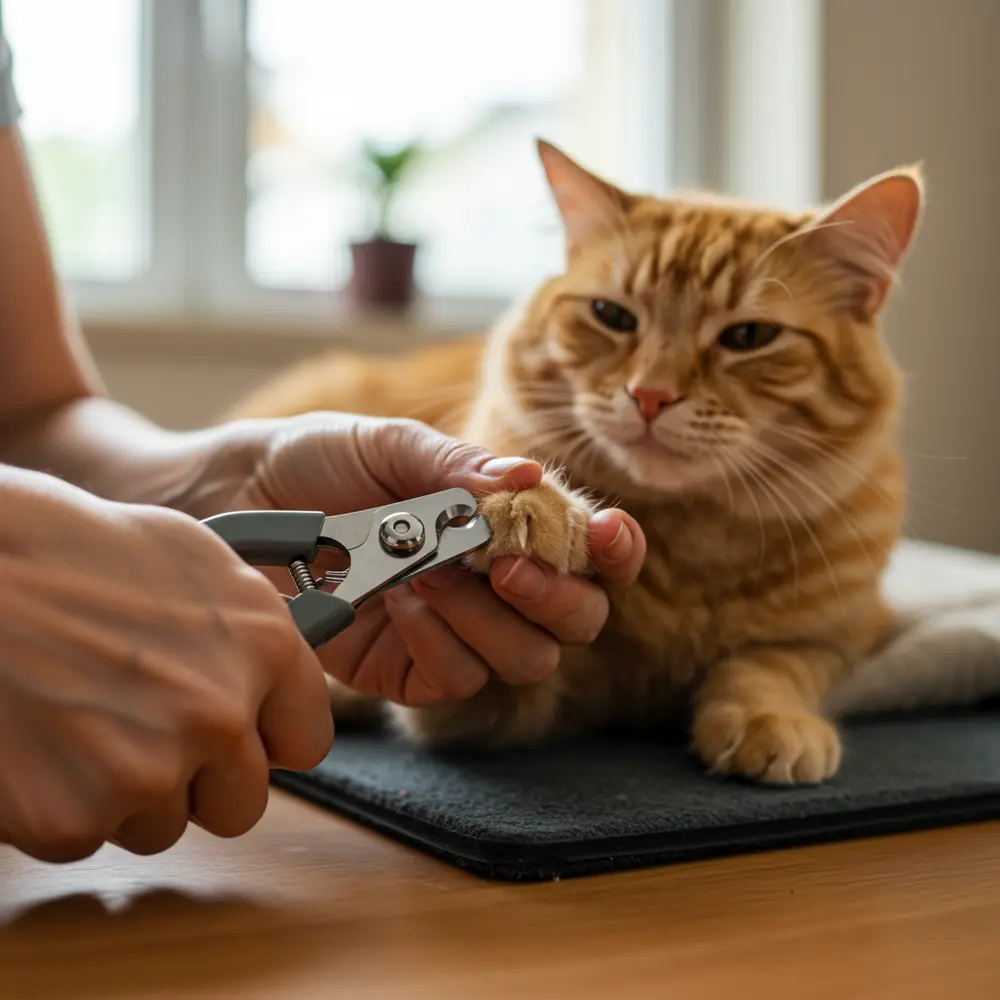
Why Nail Trimming Is Crucial for Pets
Why Nail Trimming Is Crucial for Pets
Your pet’s nails might seem like a minor grooming concern, but ignoring them can lead to severe health complications and significant discomfort. Just like humans require regular nail care, pets depend on their owners to maintain this basic aspect of their physical well-being. Why nail trimming is crucial for pets extends far beyond aesthetics—it prevents painful conditions, maintains proper posture, and safeguards your furniture from unintentional damage. When claws grow too long, they can curl inward, penetrate paw pads, cause infections, or alter how your pet walks. For indoor pets especially, natural wear from outdoor terrain doesn’t occur, making human intervention essential. This guide explores every facet of nail maintenance, transforming this routine task from a chore into a vital component of responsible pet ownership that enhances quality of life.
The Hidden Dangers of Overgrown Nails
Many pet owners underestimate how quickly overgrown nails evolve from a nuisance into a genuine health crisis. When claws extend beyond the paw pad, they exert constant upward pressure on the toe joints. This forces your pet to redistribute weight unnaturally across their paws, leading to chronic joint pain that mimics arthritis. For dogs, this altered gait strains ligaments over time and may contribute to irreversible orthopedic issues. Cats face unique risks—excessively long claws can get caught in carpets or furniture, causing painful rips when they attempt to free themselves. In severe cases, untrimmed nails curve so dramatically that they pierce the paw pad itself, creating open wounds prone to dangerous infections. Observant owners might notice their pet limping or hesitant to walk altogether, indicating that the time for action has long passed.
Joint Deformities and Mobility Issues
Pets suffering from chronic nail overgrowth commonly display visible changes in posture. A dog may develop splayed feet or a shallow gait to minimize toe pressure, while cats often tuck their paws uncomfortably underneath their bodies while resting. Over months and years, this compensation reshapes connective tissues and joints. Tendons stretch beyond their normal range, bones shift position, and arthritis accelerates in vulnerable joints like hips and knees. Geriatric pets endure the worst outcomes—aging muscles and joints are less adaptable to these stressors. The resulting mobility loss diminishes their ability to enjoy walks, playtime, or even navigate stairs safely. Why nail trimming is crucial for pets becomes tragically apparent when irreversible skeletal damage occurs from an entirely preventable condition.
Soft-Tissue Injuries and Infections
When claws penetrate paw pads – known as “ingrown nails” – a vicious cycle of injury begins. The puncture introduces bacteria deep into tissue layers. Keep in mind that pets frequently walk on surfaces contaminated by urine or feces. Even indoors, litter boxes and puppy pads become bacterial hotspots. Infections from these wounds spread rapidly; abscesses requiring surgical drainage often develop within 48 hours. Signs include swollen paws, foul discharge, persistent licking, and intense pain when touched. Treatment becomes complex, as antibiotics struggle to penetrate infected claw beds when the pressure source (the overgrown nail) remains embedded. Diabetic pets risk catastrophic skin infections due to compromised immunity. Preventing such nightmares underscores why nail trimming is crucial for pets.
Physical Health Benefits Beyond the Paws
Well-maintained nails contribute holistically to your pet’s physical health. Proper foot alignment prevents nerve damage between the toes caused by constant unnatural pressure. Weight distribution returns to normal, reducing premature wear on leg joints. Additionally, pets with trimmed nails achieve better traction on smooth surfaces—a critical safety measure for older animals prone to debilitating hip injuries from slips. For cats, appropriate nail length preserves their natural stretching behavior during scratching, which maintains spinal flexibility and shoulder muscle tone. Unexpectedly, dental health connects to nail care too: Pets experiencing chronic pain from overgrown claws often chew excessively on affected paws. This habit transfers oral bacteria to wounds and accelerates tooth wear from obsessive gnawing.
Vascular Integrity and Blood Circulation
Within every nail lies the “quick”—a bundle of blood vessels and nerves supplying nutrients and sensation. In healthy nails, the quick maintains an optimal distance from the tip. However, neglected nails grow unusually long, forcing the quick to extend further toward the edge to nourish the excessive keratin. This vascular shift creates vulnerability during trimming; accidentally cutting into the bloody quick causes pain and reluctance for future sessions. Paradoxically, regular maintenance causes the quick to recede naturally over months, making subsequent trims simpler and safer. Improved blood flow also delivers more antioxidants and regenerates cells efficiently—critical for senior pets or breeds prone to poor circulation. Addressing misconceptions about quick length illustrates why nail trimming is crucial for pets at all life stages.
Psychological Well-being for Pets and Owners Alike
The anxiety surrounding nail trims affects both parties—understandable given past experiences with pain or restraint. However, the mental relief gained through systematic conditioning outweighs these challenges. Pets bearing overgrown nails live in persistent low-grade discomfort comparable to humans wearing tight shoes constantly. This strain manifests as irritability, reluctance to exercise, or even aggression if paws are touched. Regular grooming sessions restore comfort and rebuild trust when paired with positive reinforcement like treats or praise post-trim. Owners experience profound psychological rewards too: Eliminating pain-related behavioral issues reduces guilt while strengthening the human-animal bond through attentive care.
Phobia Reduction Through Cooperative Care
Innovative handling techniques transform claw maintenance from stressful “restraint scenarios” into cooperative rituals. The “paw targeting” method teaches cats or dogs to present their own feet voluntarily when prompted—a breakthrough for animals traumatized by conventional methods. Starting with brief sessions focused solely on holding instruments near paws build confidence over weeks. Using specialized scratch boards encourages cats to maintain their front claws naturally between trims. Desensitizing pets gradually prevents defensive aggression triggered by vulnerability fears. Mobile grooming services excel here; their technicians carry calming sprays and adjustable restraints to manage nervous pets safely outside chaotic home environments. Establishing harmony around clippers highlights why nail trimming is crucial for pets’ emotional health.
Breed Variations Impacting Nail Management
Tailoring your approach to genetic anatomy prevents complications drastically. Sighthounds have exceptionally long quicks requiring monthly monitoring, whereas double-coated Arctic breeds grow deceptively furry feet that obscure nails visually. Black nails present diagnostic challenges since quick location isn’t visually evident—requiring microscopic trimming increments. Decoding these nuances necessitates specialized expertise.
Canine Breed Differences
Greyhounds and Whippets evolved with elongated quicks to support high-speed turns—unfortunate for owners since mistakes bleed profusely. Conversely, large breeds like Newfoundlands bear immense weight on each nail, necessitating shorter lengths to prevent cracking under pressure. Dobermans prone to foot infections require sterile equipment. For difficult dogs, consider dog grooming van in Dubai services offering mobile facilities equipped for giant breeds.
Feline Breed Differences
Persians struggle to retract claws fully due to facial anatomy limiting self-grooming range. Agile Bengals require significantly more scratch surface areas than sedentary breeds to avoid furniture damage. Senior cats develop thickened nails impairing retraction mechanisms, hence specialized cat grooming services approach these claws differently than kitten nails.
Small Pet Requirements
Rabbits and guinea pigs face lethal dangers from untrimmed nails. Their claws curl into foot pads rapidly, forming abscesses resistant to antibiotics. Birds overgrow nails if branch perches disappear from cages. Rodents require chewable surfaces to manually grind teeth and nails simultaneously. Reptile nails snag on substrates risking fractures—consult exotic vets for species-specific tools.
Executing At-Home Trims: Techniques and Pitfalls
Preparing properly prevents panic during DIY sessions. Begin days earlier by conditioning pets to holding instruments without activation. Low-noise grinders suit sound-sensitive animals better than clippers. Identify the quick using torches behind opaque nails before cutting. Always cut perpendicular to avoid painful splintering at odd angles. If bleeding occurs, apply styptic powder immediately instead of caustic home remedies like flour. Post-trim rewards shape positive associations.
Averting Quick Injuries
Novices complication statistics suggest 60% accidentally sever quicks during initial efforts. Discolored claws demand extreme caution—the white crescent on tan nails indicates quick proximity. Never attempt trimming while pets shiver or pant from stress as movements become unpredictable. Support cattle/equipment cats heavily at the elbow joint to prevent jerking reflexes. Pressing toes reveals quick positions through flesh discoloration temporarily.
Recognizing Infection Symptoms
Post-trim vigilance matters—cloudy discharge, oozing warmth or foul smells signal bacterial invasion requiring antibiotics. Reluctance bearing weight warrants X-rays to check for bone infection called osteomyelitis common after deep quicks injuries. Prevent this hazard entirely through consistency; monthly sessions ensure ease since quick overextension never occurs.
Professional Grooming: When Home Efforts Fail
Persistent pet distress, complex medical conditions like diabetes requiring sterile environments, or multi-pet households justify expert intervention. Professional groomers possess tools mitigating risk factors—angled restraint tables improve leverage while hydraulic lifts assist giant breeds safely. Why nail trimming is crucial for pets extends beyond the act itself; booking specialists prevents long-term avoidance at critical moments.
Mobile Services Advantages: Comfort and Convenience
House-call groomers transform stressful salon trips into relaxed familiar environments ideal for anxious animals. mobile pet grooming in Dubai provides temperature-controlled vans sanitized comprehensively between appointments—minimizing disease contagion especially valuable post-pandemic. Their flexibility suits pets needing frequent sensory breaks impossible in busy storefront settings. Adjustable appointment frequency prevents logistical failures when schedules become chaotic.
Cost Effectiveness Long-Term
Monthly professional grooming costs less compared to emergency vet bills from self-caused injuries or infections. Consider Miss Meow pricing and packages that bundle nail clips with essential services like gland expression and hygiene trims to enhance prevention comprehensively. Bulk discounts incentivize consistency vital for pets with chronic pathologies affected by claw length like intervertebral disc disease in long-backed breeds.
Frequency Optimization for Different Species
Contrary to popular belief, claw growth velocity hinges more on biochemistry than activity levels. Schedule bi-weekly interventions for puppies/kittens during rapid growth phases and monthly for adults using date-tracker apps. Senior animals slow keratin production allowing six-week intervals unless arthritis increases scratch frequency damagingly. Concrete or asphalt naturally grinds canine nails faster than carpet-dwellers requiring shorter cycles.
Climate Influence Factors
Dry desert air accelerates keratin brittleness demanding weekly moisture creams besides clipping; humid zones cause faster fungal growth beneath cracked surfaces. Rigorous Icelandic winters where road salt lodges painfully under claws necessitates protective boots. Hyperthyroid cats develop accelerated metabolism growing claws alarmingly fast. These nuances solidify why nail trimming is crucial for pets facing environmental vulnerabilities.
Bringing It All Together
Consistent claw maintenance prevents suffering and expensive healthcare liabilities months later. Assertiveness conditioning converts traumatic showdowns into cooperative activities strengthening your bond. For exceptional convenience, book a pet grooming appointment with certified technicians versed in low-stress handling. Their evaluations catch secondary issues unnoticed at home—like hidden cysts or tumors between digits.
Conclusion
Understanding why nail trimming is crucial for pets reshapes owner perspectives. It’s biomechanical protection, psychological comfort, and infectious disease prevention intertwined in a basic grooming ritual. Each properly trimmed claw averts joint deterioration, pressure wounds, mobility loss, and behavioral changes arising from pain. Professional services provide safer alternatives that compensate for experience limits while preserving lifelong wellness. Ultimately, claw care represents the difference between reactive veterinary compromises and proactive holistic health you can guarantee through conscientious maintenance.
