How to Get Your Pet Used to Grooming
How to Get Your Pet Used to Grooming
For many pet owners, the idea of grooming conjures images of serene, pampered animals enjoying a spa-like experience. The reality, however, can often be a far cry from this idyllic picture. Instead, it might involve a wrestling match with a resistant canine, a terrified feline hiding under the bed, or a bird flapping frantically at the sight of clippers. Grooming, while essential for a pet’s health and hygiene, can be a source of significant stress for both the animal and its human companion. But what if we told you it doesn’t have to be this way? The key lies in patience, positive reinforcement, and a gradual approach to acclimatization. Understanding how to get your pet used to grooming is not just about cleanliness; it’s about building trust, reducing anxiety, and fostering a healthier, happier life for your beloved companion.
Understanding Why Grooming Can Be Such a Stressor for Pets
Before we dive into the “how-to,” it’s crucial to understand the “why.” Why do some pets, even those otherwise docile and friendly, transform into a bundle of nerves or a furry tornado at the mere mention of a bath or nail trim? Several factors contribute to this apprehension. Firstly, many grooming tools—clippers, brushes, dryers—can be perceived as strange, noisy, or even threatening objects. Their sounds and vibrations are alien to an animal’s natural environment. Secondly, the act of being restrained, even gently, can trigger an instinctual fear response. Pets are vulnerable when they can’t escape, and grooming often involves holding them still, which can feel like a loss of control. Thirdly, past negative experiences, such as a painful nail trim or a too-hot bath, can create lasting fear associations. Finally, some breeds are simply more sensitive or have temperaments that lean towards anxiety, making the task even more challenging. Recognizing these underlying reasons helps us approach the process with empathy and a strategy designed to counteract these fears.
The Foundation: Early Introduction and Positive Reinforcement
The golden rule of pet acclimatization, whether to grooming, car rides, or new people, is early and positive exposure. Ideally, this process begins when your pet is a puppy or kitten. The younger they are, the more adaptable and open to new experiences they tend to be. But even if you have an older pet who’s already shown resistance, it’s never too late to start. The principles remain the same: make it positive, make it gradual, and make it rewarding.
Starting with Gentle Touch and Handling
Before any tools even come into play, your pet needs to be comfortable with being touched all over their body. This means gently touching their paws, ears, tail, muzzle, and belly – areas often handled during grooming. Do this regularly, in short sessions, paired with praise and high-value treats. The goal is to create a positive association: “When my human touches my paws, good things happen!” This foundational step is incredibly important for future success in getting your pet used to grooming.
Introducing Grooming Tools as “Friends”
Once your pet is comfortable with touch, slowly introduce the tools. Don’t use them yet, just let your pet see, sniff, and investigate them. Place a brush on the floor and let them approach it. Reward them for calm curiosity. Let them hear the sound of clippers (unturned on at first, then briefly turned on at a distance) and immediately follow with a treat. The idea is to desensitize them to the sight and sound of these objects, turning potential threats into neutral or even positive stimuli. A calm introduction is paramount.
Desensitization Techniques: Step-by-Step Grooming Exposure
The concept of desensitization is about gradually exposing your pet to something they fear or dislike, starting with the mildest version and slowly increasing the intensity. This process should always be paired with positive reinforcement, ensuring that each step is a pleasant experience.
Short, Positive Sessions are Key
Forget hour-long grooming marathons in the beginning. Your training sessions should be brief, perhaps just 2-5 minutes, especially when first teaching your pet how to get used to grooming. Always end on a positive note, even if it means only accomplishing one small step. This leaves your pet wanting more, rather than dreading the next session.
Creating a Calm Environment
Choose a quiet space where your pet feels safe and there are no distractions. A non-slip mat can provide security for their paws during sessions. Soft lighting and calming music might even help some pets relax. Consider using calming diffusers designed for pets if anxiety is particularly high.
Specific Grooming Tasks: Tackling Each Hurdle
Now let’s break down the common grooming tasks and how to approach them individually.
Brushing: A Bonding Experience
Choosing the Right Brush
Different coats require different brushes. A slicker brush, de-shedding tool, or bristle brush can all feel very different. Start with the gentlest option appropriate for your pet’s fur. Ensure it’s not pulling or scratching their skin.
The Brushing Routine
Begin by brushing a small, easy-to-reach area where your pet enjoys being touched, like their back or shoulder. Use light strokes. After a few strokes, stop, praise, and offer a treat. Gradually increase the duration and move to more sensitive areas like the belly, legs, and tail. If your pet shows any signs of discomfort, stop, reassure them, and revert to an area they tolerate. The goal is to make brushing a relaxing, almost meditative experience that strengthens your bond.
Bathing: Making a Splash (Positively!)
Pre-Bath Preparation
Before a bath, brush your pet thoroughly to remove any loose fur or mats. This prevents mats from tightening when wet. Gather all your supplies beforehand: pet-specific shampoo, towels, cotton balls for ears, and treats.
The Gradual Bathing Process
For many pets, the sound and sensation of running water are terrifying. Start by simply getting your pet comfortable with being in the bathroom, then in the tub or shower area (empty). Reward them for calm behavior. Next, introduce small amounts of lukewarm water, perhaps just wetting their paws, and immediately treat. Use a non-slip mat in the tub. If your pet is small enough, consider bathing them in a shallow basin outside the main tub. Use a handheld shower sprayer on a very low setting, or even a cup to gently wet them, avoiding the face and ears. Lather sparingly, rinse thoroughly, and keep the experience quick and positive. After the bath, wrap them in a warm towel and offer more treats and praise. The key is to avoid overwhelming them.
Post-Bath Drying
Many pets are afraid of hair dryers. If possible, towel dry as much as you can. If you must use a dryer, use one specifically designed for pets (lower heat, quieter). Start on a low setting, far away, and gradually bring it closer while providing treats and praise. Never aim hot air directly at their face or sensitive areas. Some pets might prefer air-drying in a warm room.
Nail Trimming: The Most Feared Task
Why It’s So Difficult
Nail trims are often the most dreaded part of grooming. The quick (the sensitive part of the nail) can be easily cut, causing pain and bleeding, which creates a strong negative association. The feeling of restraint, the sight of the clippers, and the unfamiliar sensation all contribute to anxiety.
Desensitizing to Nail Trims
Start by simply handling your pet’s paws frequently, as mentioned earlier. Next, introduce the clippers. Let them sniff them. Tap the clippers on the table so your pet hears the clicking sound, then immediately give a treat. Do this repeatedly. Then, touch the clippers to each nail without actually clipping. Reward. Finally, attempt to clip just one tiny tip of one nail. If successful, celebrate and stop. Over several sessions, you can gradually increase the number of nails trimmed. Using a Dremel tool (grinder) can sometimes be less intimidating for pets as it’s a gentler process, though the sound takes some getting used to. Remember, if you “quick” your pet, remain calm, stop the bleeding with styptic powder, and try again another day. Don’t punish them; they’re already scared.
Ear Cleaning: A Gentle Approach
Many pets dislike having their ears handled. Begin by simply touching and inspecting their ears, pairing it with treats. Introduce the ear cleaner solution, letting them sniff it. Then, gently lift the ear flap, apply a small amount of cleaner, and gently massage the base of the ear. Let your pet shake their head, then gently wipe away any visible debris with a cotton ball or soft gauze. Never use cotton swabs inside the ear canal, as this can push debris deeper or cause injury. Reward them for their cooperation. If you notice redness, swelling, or foul odor, consult your vet, as this could indicate an infection.
Teeth Brushing: Beyond Fresh Breath
Dental hygiene is critical for overall health. Just like other grooming tasks, start early and make it positive. Let your pet lick pet-specific toothpaste off your finger. Then, introduce a finger brush or a pet toothbrush, gently rubbing a single tooth. Gradually increase the number of teeth brushed and the duration. Daily short sessions are far more effective than infrequent, long ones. This is a crucial element of comprehensive pet care that can often be overlooked, but is vital for preventing serious health issues.
When Professional Help Is Needed: Choosing the Right Groomer
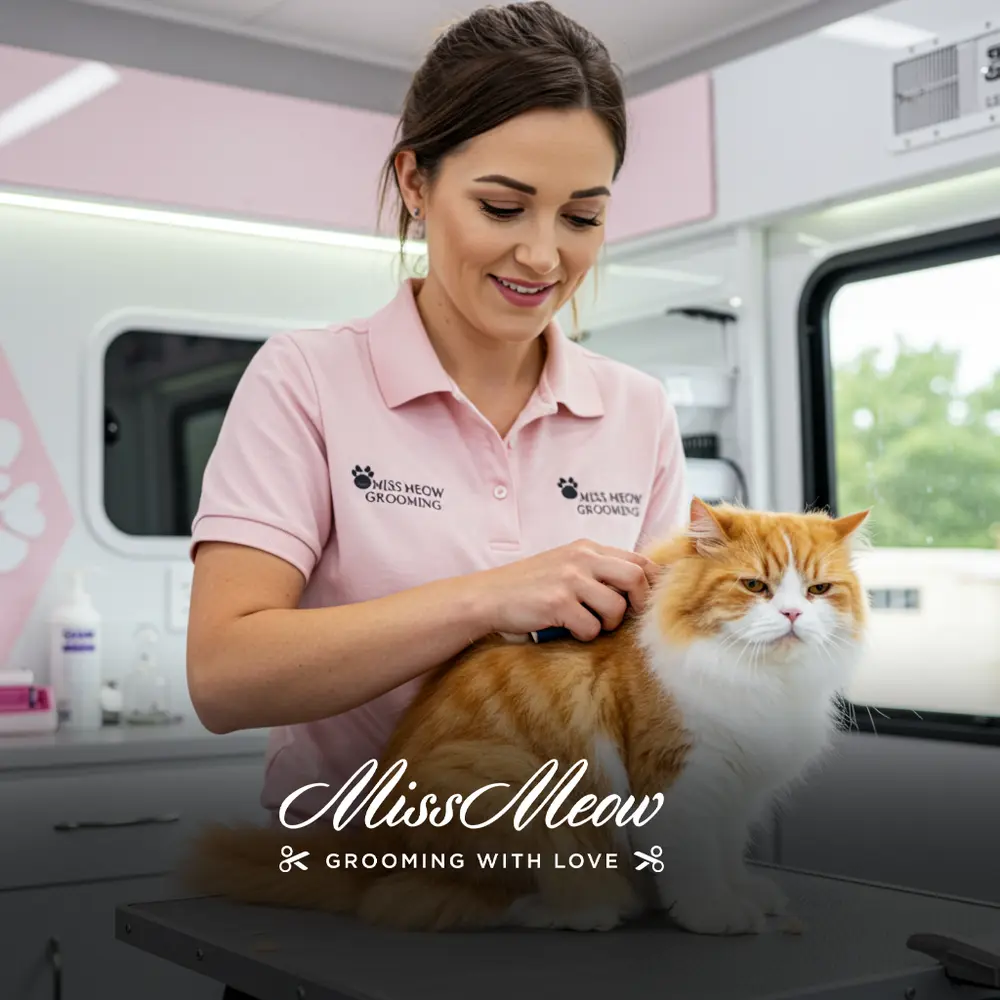
Despite your best efforts, some pets may simply never fully adjust to certain aspects of at-home grooming, or perhaps their coat type requires specialized care you can’t provide. This is where professional groomers become invaluable. A good professional groomer possesses the skills, tools, and experience to handle even the most anxious pets with patience and expertise. They can safely manage tasks like intricate haircuts, de-shedding treatments, and deep cleaning that might be too challenging at home. For example, if you’re in Dubai, seeking out mobile pet grooming in Dubai can be a fantastic option. A mobile service brings the salon to your doorstep, reducing travel stress for your pet and making the experience more comfortable in a familiar environment. Missmeow Grooming offers precisely this type of convenient and professional service.
What to Look for in a Professional Groomer
When choosing a professional, look for someone who prioritizes your pet’s comfort and safety above all else. Ask about their techniques for handling anxious animals, their certifications, and whether they use positive reinforcement. A good groomer will also be transparent about their processes and listen to your concerns. They should have a clean, safe, and calm environment. If you have a cat, ensuring they have experience with cat grooming services is essential, as feline grooming requires a unique approach compared to dogs. Similarly, for dog owners, knowing they operate a well-equipped dog grooming van in Dubai could be a deciding factor for convenience and reduced stress for your furry friend.
Don’t hesitate to visit the grooming facility or van beforehand, if possible, to get a feel for the environment and meet the staff. Discuss your pet’s specific needs, fears, and any previous grooming challenges. Understanding their approach and Miss Meow pricing and packages will help you make an informed decision and ensure your pet receives the best care tailored to their needs.
Maintaining a Positive Grooming Routine
Once your pet is accustomed to grooming, the work isn’t over! Consistency is crucial. Regular, shorter sessions are always better than infrequent, long ones. This prevents matting, reduces the buildup of dirt, and keeps your pet feeling familiar and comfortable with the process. Continue to use positive reinforcement, even when your pet is a grooming pro. A treat and some praise after a session reinforce that grooming is still a good thing.
Observing Your Pet’s Body Language
Always pay close attention to your pet’s body language. Are they licking their lips, yawning excessively, tucking their tail, or trying to move away? These are signs of stress or discomfort. Respect these signals. If your pet is showing severe signs of stress, stop the session and try again later, or re-evaluate your approach. Pushing them too far can undo all your hard work and exacerbate their fears.
Remember, the goal isn’t just to get the job done, but to make the process as pleasant and stress-free as possible for your beloved companion. This consistent, positive approach will not only keep them looking and feeling their best but will also strengthen the bond you share. Ultimately, learning how to get your pet used to grooming is an investment in their long-term well-being and your peace of mind.
The Long-Term Benefits of a Well-Groomed Pet
Beyond the immediate aesthetics, a pet that tolerates, or even enjoys, grooming benefits immensely in the long run. Regular grooming isn’t just about looking good; it’s a vital component of preventative healthcare. Brushing helps distribute natural oils, keeps the coat healthy, and allows you to check for lumps, bumps, parasites, or skin irritations that might otherwise go unnoticed. Nail trims prevent painful ingrown nails, splayed paws, and skeletal issues that can arise from overgrown claws. Dental care prevents painful periodontal disease, which can lead to systemic health problems affecting the heart, kidneys, and liver. Ear cleaning prevents infections. In essence, a pet accustomed to grooming is a healthier, more comfortable pet.
Think of it as an ongoing dialogue with your pet, a part of your daily or weekly routine that speaks volumes about your care and commitment. It provides an opportunity for hands-on inspection of their entire body, enabling early detection of potential health issues that could become more serious if ignored. This proactive approach to health, combined with the reduction of stress during these necessary procedures, significantly enhances your pet’s quality of life. Moreover, when you’ve successfully taught your furry friend to accept regular grooming, trips to the vet or professional groomer become far less traumatic for everyone involved. It truly transforms what could be a dreaded chore into a manageable and even enjoyable part of pet ownership.
The journey to mastering how to get your pet used to grooming might require significant time and dedication, but the rewards are immeasurable. A well-adjusted pet, comfortable with being handled and cared for, is a joy to live with. If you’re ready to take the next step and perhaps explore professional support, don’t hesitate to book a pet grooming appointment with trusted experts who understand the nuances of pet behavior and positive reinforcement. Invest in their comfort today, and reap the benefits of a happy, healthy companion for years to come.

