
Grooming Rescue Dogs: Building Trust and Reducing Fear
Bringing a rescue dog into your home is an incredibly rewarding experience, a testament to compassion and second chances. However, these amazing animals often arrive with a past that can make seemingly simple tasks, like grooming, feel like monumental challenges. Fear, anxiety, and past negative experiences can transform a routine bath or nail trim into a stressful ordeal for both the dog and their new human. The good news? With patience, understanding, and the right approach, grooming rescue dogs can become a positive, trust-building ritual rather than a source of dread. This article will guide you through the nuanced process of building trust and reducing fear, transforming grooming into a bonding experience.
Understanding the Unique Needs of Rescue Dogs During Grooming
Before we even pick up a brush, it’s paramount to understand that rescue dogs aren’t just “dogs” in the conventional sense; they often carry invisible scars. Many have experienced neglect, abuse, abandonment, or a lack of proper socialization. This can manifest as fear of new environments, loud noises, strangers, being touched, or even specific grooming tools. A dog that cringes at the sight of clippers might have been hurt by them in the past, or one that recoils from water might have experienced forced baths. Every growl, whimper, or attempt to escape is a communication, not defiance. Recognizing these signals and respecting their boundaries is the first, crucial step in successful grooming rescue dogs.
Decoding Canine Body Language: Your Dog’s Silent Plea
To effectively build trust, you must become fluent in your dog’s language. A tucked tail, flattened ears, wide eyes (whale eye), lip licking, yawning (when not tired), trembling, or excessive panting are all signs of stress or fear. If you see these signals, pause immediately. Pushing forward will only erode trust and heighten anxiety. Instead, retreat, reassure, and re-evaluate your approach. Learning to read these subtle cues will not only make grooming easier but also deepen your overall bond with your rescue companion.
Creating a Safe and Positive Grooming Environment
The environment plays a pivotal role in how your rescue dog perceives grooming. Imagine being forced into a situation you dread, in a chaotic, unfamiliar place. You’d be anxious too, right? For a rescue dog, the grooming space needs to be a sanctuary, not a torture chamber. Start by choosing a quiet, familiar room in your home, away from distractions like other pets, children, or loud noises. Ensure the area is well-lit but not glaring, and has a non-slip surface if possible, especially for bathing areas, to prevent slips that could lead to further fear.
Gathering Your Grooming Toolkit: Comfort Over Convenience
The right tools can make all the difference when grooming rescue dogs. Opt for quiet clippers if possible, soft brushes, and lukewarm water. Have high-value treats readily available – these are your secret weapons for positive reinforcement. Consider a grooming mat for stability or even a non-slip bath mat for the tub. The goal is to minimize anything that could cause discomfort or alarm. Introducing tools one by one, allowing your dog to sniff them, and pairing them with treats long before actual grooming begins, can significantly reduce apprehension.
The Step-by-Step Grooming Process: A Gentle, Trust-Building Approach
This isn’t about speed; it’s about building a foundation of trust. Break down each grooming task into the smallest possible steps. If your dog is fearful of the brush, simply show them the brush, give a treat. Then touch the brush to their back for a second, give a treat. Gradually increase the duration and intensity. This desensitization and counter-conditioning process is slow, but incredibly effective for grooming rescue dogs.
Session One: Just Being There
Don’t even attempt grooming on the first day. Instead, sit with your dog in the chosen grooming area. Offer treats, praise, and gentle strokes (if they allow). Let them explore the space and associate it with positive interactions. Keep these sessions short and always end on a positive note, even if it’s just for five minutes.
Introducing Touch: The Foundation of Trust
Many rescue dogs are touch-sensitive. Start by gently stroking areas where they are comfortable, typically the chest or shoulders. As they relax, slowly extend your touch to other areas like the back, legs, and eventually paws and ears, always retreating if you see signs of discomfort. Pair every touch with a soft, reassuring voice and a high-value treat. Remember, the ultimate goal of grooming rescue dogs is a cooperative experience.
Brushing: A Gentle Introduction
Choose a soft brush that won’t pull their fur. Let your dog sniff the brush, then reward. Lightly touch the brush to their body, reward. Gradually, make one gentle stroke, then reward. Keep sessions very short – just a few strokes at first. The aim is to create a positive association, not to achieve a perfectly brushed coat initially. If your dog has matting, it’s often best to consult a professional rather than causing pain during the initial stages of trust-building.
The Bathing Ritual: Making a Splash (Positively!)
Baths are often a major hurdle. Start without water. Just lead your dog into the dry tub, give treats, and praise. Do this repeatedly until they are comfortable in the tub. Next, introduce a small amount of lukewarm water, letting them stand in it briefly. Use a non-slip mat. Gradually, wet their paws, then legs, always offering treats and praise. Use a gentle, dog-specific shampoo. Avoid spraying water directly on their face; use a damp cloth instead. Keep bath times short and positive. Remember, for some dogs, even a small amount of water can be terrifying. In such cases, a professional might use techniques like a waterless shampoo or specialized low-pressure systems.
Nail Trims and Ear Cleaning: The Trickiest Bits
These are often the most sensitive areas. For nail trims, again, start slow. Show the clippers, reward. Touch the clippers to a paw, reward. Then, gently touch one nail with the clippers, reward. If they tolerate it, trim just one nail, then stop and celebrate. It might take many sessions to trim all nails. For ears, gently lift the ear flap, look inside (don’t poke anything deep), and reward. Use a vet-approved ear cleaner only if necessary and under guidance. If you’re struggling, professional help is invaluable here. If you’re in Dubai and finding these tasks particularly challenging, consider looking into mobile pet grooming in Dubai, as a familiar environment can make a world of difference for anxious pets.
Tools and Techniques for Anxious Pups
Beyond patience, certain tools and techniques can further aid in reducing fear during grooming. Consider these additions to your gentle approach.
Calming Aids and Distraction Techniques
For some highly anxious dogs, calming aids can be beneficial. These might include pheromone diffusers, calming treats, or even a thundershirt, which applies gentle, constant pressure, much like swaddling a baby. Always consult your vet before using any calming supplements. Distraction is also a powerful tool. A lick mat smeared with peanut butter (xylitol-free!) or a favorite chew toy can keep your dog occupied and associate the grooming process with something enjoyable. A professional groomer might employ similar tactics, using their expertise to make the experience less stressful for your pet.
Positive Reinforcement: Your Most Powerful Tool
We’ve touched on treats, but positive reinforcement encompasses more than just food. Enthusiastic praise, gentle petting in their favorite spots, and even a quick game of fetch afterward can reinforce the idea that grooming leads to good things. Never punish or scold your dog during grooming; this will only exacerbate their fear and break down the trust you’re working so hard to build. Consistency in positive reinforcement is key to turning fear into acceptance, and ultimately, enjoyment.
Building a Consistent Routine and Positive Associations
Consistency is crucial for rescue dogs. Regular, short grooming sessions, even if they’re just a few minutes of brushing, help normalize the process. Dogs thrive on routine and predictability, which reduces uncertainty and anxiety. Make grooming a positive, low-stress part of your weekly or daily schedule, rather than an infrequent, intense event.
Making Grooming a Game: Fun and Engagement
Who says grooming can’t be fun? Turn it into a game. For example, play “find the treat” under the brush, or “touch the clippers for a yummy snack.” Keep the energy light and playful. If you approach grooming with joy and calm, your dog is more likely to mirror that emotion. Remember, even cat grooming services often use similar gentle approaches and positive reinforcement to manage feline anxieties.
Patience, Patience, Patience: The Virtue of Trust
Rome wasn’t built in a day, and neither is trust with a rescue dog. Some dogs will make progress quickly, while others may take months or even years to fully relax during grooming. Don’t get discouraged by setbacks. There will be days when your dog is more anxious than others. Just revert to an earlier, easier step and celebrate small victories. Your patience is the most profound demonstration of your commitment to their well-being and a cornerstone of effectively grooming rescue dogs.
When to Seek Professional Help: Knowing Your Limits
While DIY grooming is rewarding, there are times when professional intervention is not just helpful but necessary. Severe matting, extreme aggression, or an inability to even touch your dog for basic care are all signs that you might need expert assistance. Professional groomers, especially those experienced with anxious or fearful dogs, have specialized tools, techniques, and often a calmer, more confident energy that can make a world of difference.
Finding a Fear-Free Groomer
Look for groomers who advertise “fear-free” or “positive reinforcement” techniques. Interview them, ask about their experience with rescue dogs, and how they handle anxious pets. A good groomer will prioritize your dog’s comfort and safety over aesthetics, even if it means taking multiple, short sessions. They understand that for grooming rescue dogs, trust is paramount.
The Benefits of Mobile Grooming for Anxious Pets
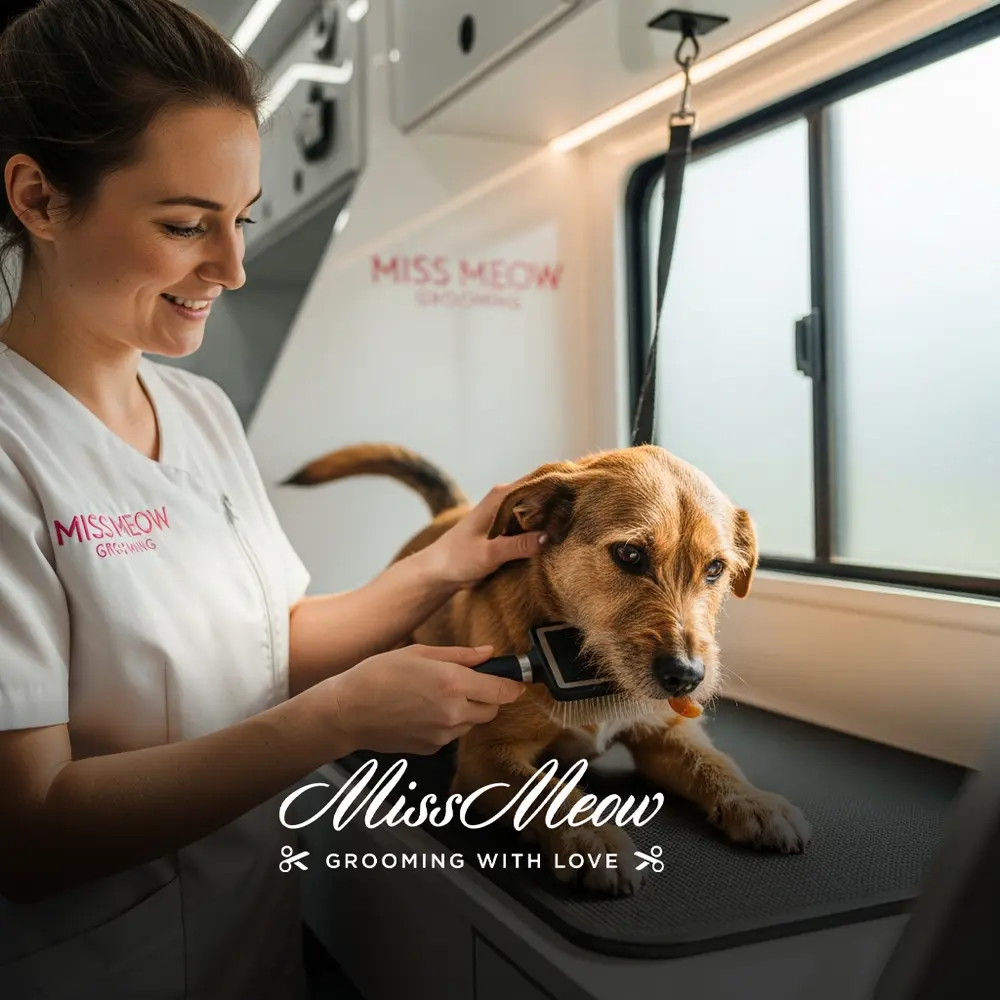
For many rescue dogs, the unfamiliar environment of a traditional grooming salon can be overwhelming. This is where mobile grooming services shine. Having a professional groomer come directly to your home in a specially equipped vehicle can significantly reduce stress. Your dog stays in its familiar territory, eliminating car rides and exposure to other potentially noisy or intimidating animals. A service like a dog grooming van in Dubai from Missmeow Grooming offers a controlled, one-on-one environment that can be ideal for a fearful rescue pup. They can experience professional care without the added anxiety of a new place, helping to make the experience of grooming rescue dogs a far more positive one.
Why Missmeow Grooming?
Missmeow Grooming understands the delicate nature of grooming rescue dogs. Their professionals are trained to work with sensitive animals, prioritizing their comfort and emotional well-being above all else. They use gentle handling techniques, positive reinforcement, and take the time needed to build rapport with your pet. Investing in professional care, especially for the initial few grooms or for specific challenging tasks, can set your rescue dog up for a lifetime of positive grooming experiences. You can review Miss Meow pricing and packages to find a service that suits your rescue dog’s needs and helps them on their journey to comfort.
Conclusion: A Journey of Trust, Not Just a Trim
Grooming rescue dogs is about so much more than keeping them clean and tidy. It’s an ongoing journey of building trust, reinforcing positive associations, and showing your dog that they are safe and loved. Every gentle stroke, every reassuring word, and every tasty treat is a brick in the foundation of an unbreakable bond. It requires immense patience, empathy, and a willingness to adapt your approach to their individual needs. Whether you choose to tackle it yourself with dedication or enlist the help of a compassionate professional, remember that success isn’t measured by a perfect haircut, but by a dog that feels secure, less fearful, and truly understands they are in caring hands. With time and consistent positive experiences, your rescue dog will not only tolerate grooming but may even come to enjoy it, solidifying the profound connection you share. Don’t hesitate to book a pet grooming appointment if you feel your rescue dog would benefit from expert, gentle care in a comfortable setting.