How to Prepare Your Cat for a Lion Cut
How to Prepare Your Cat for a Lion Cut
The decision to give your feline friend a lion cut is often a big one, driven by various factors ranging from severe matting to simply wanting to help your cat stay cool in warmer climates. But beyond the aesthetic appeal or practical necessity, the real success of a lion cut lies in the preparation. This isn’t just about showing up at the groomer; it’s a comprehensive process involving physical, psychological, and environmental considerations to ensure your cat has the most stress-free and positive experience possible. Let’s delve deep into exactly how to prepare your cat for a lion cut, transforming what could be a daunting ordeal into a smooth, even pleasant, affair for both you and your beloved pet.
Understanding the Lion Cut: More Than Just a Style
Before we even begin talking about preparation, it’s vital to truly understand what a lion cut entails. Imagine your cat with a closely shaved body, leaving a fluffy mane around their head and neck, sometimes “boots” of fur on their paws, and often a cute pom-pom at the end of their tail. It’s a distinctive look, no doubt, but it’s not just a fashion statement. For many long-haired breeds, especially those with dense undercoats, a lion cut can be a practical solution to persistent problems.
The primary reasons owners opt for this dramatic trim often include severe matting that’s impossible to brush out without causing pain, excessive shedding that traditional grooming struggles to control, or medical necessities where a vet needs access to the skin. In hot, humid climates, some owners also believe it helps their cats stay cooler, though opinions vary on this specific benefit. Whatever your motivation, ensuring your cat is mentally and physically ready is paramount. A lion cut is a significant change, and proper preparation is the cornerstone of a successful outcome.
The Emotional and Psychological Prep: Desensitization for a Smoother Groom
Cats are creatures of habit and often quite sensitive to change. Being handled by a stranger, enduring strange noises, and feeling the vibration of clippers can be incredibly stressful for them. This is why the emotional and psychological preparation for a lion cut is arguably the most crucial step. It begins long before the actual grooming appointment, ideally weeks or even months in advance.
Familiarizing Your Cat with Touch and Handling
Start by getting your cat accustomed to being touched all over their body, especially in areas that will be groomed: their back, sides, belly, and even their paws. Make these sessions brief and positive, associating touch with treats, gentle praise, and playtime. Gradually increase the duration and intensity of handling. If your cat tolerates having their paws touched, for instance, you can gently squeeze their toes as if you were performing a nail trim. This isn’t about forcing them into submission, but rather building trust and helping them understand that handling doesn’t always lead to discomfort.
Introducing the Sounds and Sensations of Grooming Tools
Many cats fear the sound and vibration of electric clippers. To mitigate this, purchase a quiet pair of pet clippers (even if you don’t plan to do the actual cutting yourself) and let your cat get used to them. Turn them on in another room initially, then gradually bring them closer while offering treats and reassurance. Allow your cat to investigate the clippers when they’re off. Once they’re comfortable with the sound, gently place the *turned-off* clippers against their body to introduce the sensation. This slow, positive desensitization can significantly reduce anxiety on grooming day.
Don’t forget the sound of a hairdryer, which groomers often use to dry cats after a bath. Replicating these experiences at home, even for short periods, can make a world of difference. The goal is to make the foreign less frightening, transforming potentially scary stimuli into mere background noise.
Physical Preparation: Setting the Stage for a Healthy Cut
Beyond the emotional aspect, there are several practical steps you can take to physically prepare your cat for a lion cut. These measures not only make the groomer’s job easier but also ensure your cat’s health and comfort during and after the process.
Regular Brushing: The Foundation of Good Coat Health
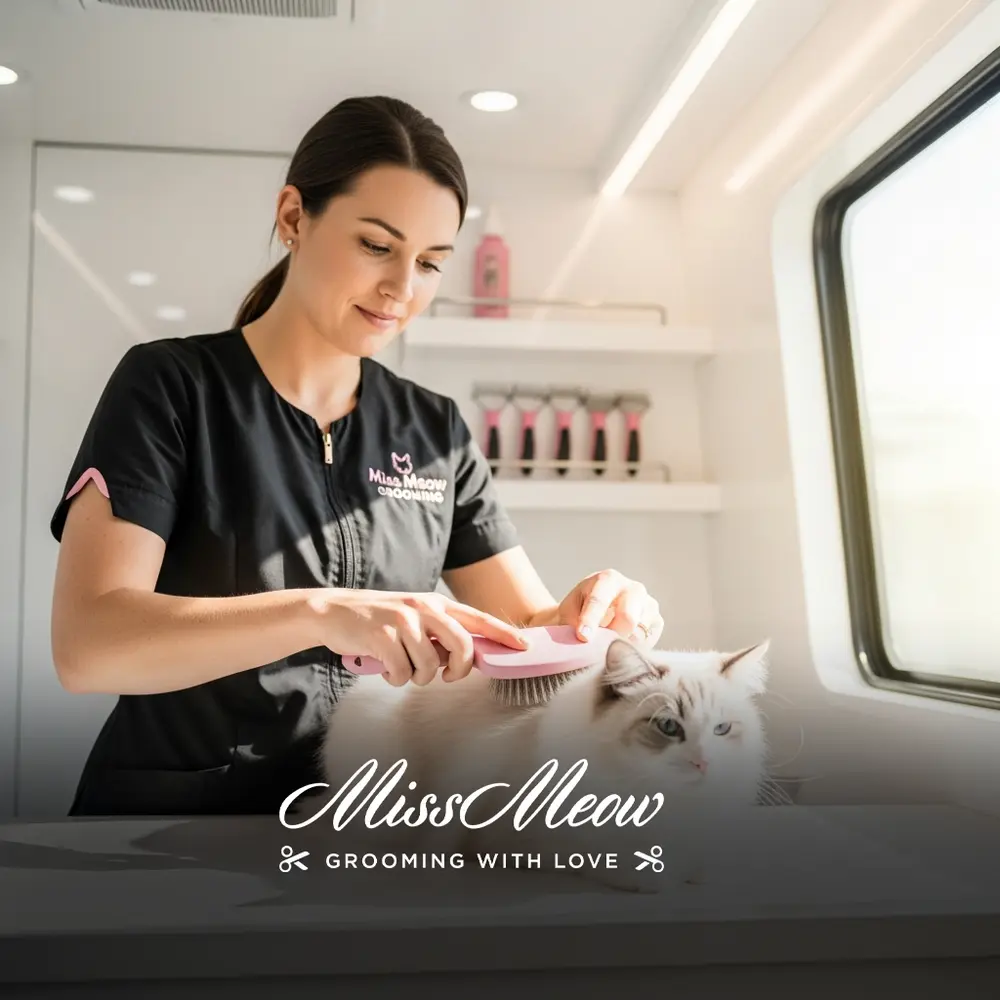
Even if your cat is going to be shaved, regular brushing is incredibly important. It helps remove loose fur, reduces existing mats, and gets your cat used to the grooming process. A well-brushed cat, even one with some matting, is easier for a groomer to work with than a severely matted one. Aim for daily brushing sessions, even if they’re short. Use brushes appropriate for your cat’s coat type, and again, make it a positive experience with rewards.
Pre-Groom Bathing (If Applicable)
While many groomers will bathe a cat as part of the lion cut service, some prefer the cat to arrive clean, especially if dealing with heavy oiliness or dirt. If your cat tolerates baths, a gentle pre-groom bath a day or two before the appointment can be beneficial. Use cat-specific shampoo, ensure thorough rinsing, and dry them completely. However, if bathing causes extreme stress, it’s better to leave this to the professional groomer, who has specialized techniques and equipment.
Nail Trims and Ear Checks
Groomers appreciate it when a cat’s nails are trimmed, as it makes the handling process safer for everyone involved. Aim to trim your cat’s nails a day or two before the appointment. Similarly, a quick check of their ears for any discharge or redness can alert you to potential issues that should be addressed by a vet before a groom. A healthy cat is a happy cat, and these small details contribute significantly to their overall well-being during a potentially stressful event.
Veterinary Consultation for Older or Anxious Cats
If your cat is older, has underlying health conditions, or is particularly anxious, it’s always wise to consult with your veterinarian before scheduling a lion cut. They can assess your cat’s overall health and provide advice on managing stress. In some cases, a vet might recommend mild sedation for extremely anxious cats to ensure their safety and reduce trauma during grooming. This is a conversation you should have openly with both your vet and your chosen groomer.
Choosing the Right Groomer: A Crucial Step in Preparing Your Cat for a Lion Cut
Let’s be honest, finding the right groomer is not just about convenience; it’s about finding a skilled professional who understands feline behavior and specializes in cat grooming. Not all groomers are adept at handling cats, especially for a complex procedure like a lion cut. A positive experience heavily relies on the groomer’s expertise, patience, and ability to minimize stress.
Feline-Specific Expertise Matters
Look for groomers who have specific experience and training in cat grooming. Ask about their certifications, their approach to anxious cats, and their safety protocols. Reading reviews and asking for recommendations from other cat owners can be incredibly helpful. A good cat groomer will prioritize your cat’s comfort and safety above all else, even if it means taking longer or suggesting a different approach if the lion cut proves too stressful for a particular feline.
When searching for top-tier cat grooming services, you want a place that prioritizes your pet’s comfort and well-being. Missmeow Grooming, for example, prides itself on providing professional and compassionate care tailored to each cat’s unique needs. Their experienced team understands the nuances of feline behavior, ensuring a gentle and stress-free experience. If you’re looking for the convenience of a service that comes to you, exploring options like mobile pet grooming in Dubai can be a game-changer for reducing travel stress on your cat.
Discussing Your Cat’s Temperament and Needs
Before the grooming day, have a thorough consultation with your chosen groomer. Discuss your cat’s personality, any known anxieties, health issues, or previous grooming experiences. Be honest about your cat’s quirks. This information allows the groomer to tailor their approach, ensuring they are prepared for any challenges and can create the calmest environment possible for your cat. Inquire about their methods for handling resistant cats and what steps they take to prevent injury or excessive stress. Understanding Miss Meow pricing and packages beforehand also helps manage expectations and ensures there are no surprises.
While this article focuses on cats, it’s worth noting that professional grooming services often extend their expertise to other pets. For example, a quality dog grooming van in Dubai from a reputable provider like Missmeow offers the same convenience and professional care for canine companions. This highlights the versatility and dedication of groomers who aim to provide excellent service across the board.
The Day of the Groom: Minimizing Last-Minute Stress
Even with weeks of preparation, the actual day of the lion cut can still be nerve-wracking for your cat. Your goal is to keep things as calm and routine as possible to prevent any last-minute spikes in anxiety.
Calm Transportation is Key
Ensure your cat is transported in a secure, comfortable carrier. Line it with a familiar blanket or towel that carries your scent to provide comfort. Avoid feeding your cat a large meal right before travel, as motion sickness can be an issue. Drive calmly, avoiding sudden stops or accelerations. If your cat tends to get anxious in the car, consider covering the carrier with a light blanket to block out visual stimuli.
Communicating with the Groomer
Upon arrival, briefly reiterate any concerns or specific instructions to the groomer. Let them know if your cat had a particularly anxious ride or if there’s anything new you’ve observed in their behavior. This open communication is vital for a smooth process. Trust their professional judgment if they suggest modifications based on your cat’s immediate reaction to the grooming environment.
Post-Groom Care: Settling Back In
The grooming experience doesn’t end when you pick up your cat. The transition back home is just as important for their well-being and adjustment to their new look.
Monitoring for Stress and Discomfort
When you bring your cat home, allow them to decompress in a quiet, familiar space. Don’t immediately parade them around or invite guests to see their new haircut. Some cats may act a little “odd” after a groom—hiding, being extra clingy, or even seeming a bit disoriented. This is usually temporary. Look for signs of severe stress, irritation, or discomfort. Check their skin for any redness, nicks, or razor burn, especially in sensitive areas.
Keeping Warm and Protecting Exposed Skin
With most of their fur gone, your cat will be more susceptible to cold. Ensure their environment is warm and free of drafts. If your home is air-conditioned, you might need to adjust the thermostat or provide extra blankets. Also, their exposed skin is now vulnerable to sunburn. Keep them indoors, especially during peak sun hours, for the first few weeks, or consider a protective garment if they spend time outdoors (though indoor cats are generally safer). This is a critical aspect of how to prepare your cat for a lion cut, as it ensures their comfort post-procedure.
Hydration and Nutrition
Offer fresh water and their regular food. Some cats might be a bit off their food after a stressful experience, but they should return to normal within a few hours. If they refuse to eat or drink for an extended period, or show other signs of illness, contact your vet.
Maintaining the Lion Cut and Future Grooms
A lion cut isn’t a one-time affair; it requires ongoing maintenance and careful consideration for future appointments.
How Often Should It Be Repeated?
The frequency of repeat lion cuts depends on your cat’s hair growth rate, coat type, and how quickly matting or shedding becomes an issue. Generally, a lion cut is maintained every 2-4 months. Regular brushing in between grooms, even on the shorter hair, will help prevent new mats from forming as the coat grows back. This ongoing routine is a vital part of preparing your cat for a lion cut over the long term.
Brushing Regimen for the Growing Coat
As the fur begins to grow back, it’s crucial to re-establish a consistent brushing routine. The new growth, especially for long-haired cats, can tangle quickly. Use a soft brush initially and gradually introduce tools like a slicker brush or a comb as the fur lengthens. This reinforces the positive association with grooming and makes future professional grooms much easier.
Addressing Potential Problems
If you notice any skin irritation, excessive scratching, or behavioral changes that persist after the groom, don’t hesitate to contact your vet or groomer. Sometimes, cats can develop clipper rash or sensitivity. Early intervention is always best.
Conclusion: A Happy Cat, A Successful Groom
Successfully navigating the process of a lion cut for your cat is a testament to your dedication as a pet parent. It requires foresight, patience, and a commitment to understanding and meeting your cat’s individual needs. By focusing on emotional desensitization, physical readiness, choosing a skilled groomer, and providing attentive aftercare, you are not just getting a haircut for your cat; you are ensuring a positive, low-stress experience that contributes to their overall health and happiness.
Remember, a lion cut, while sometimes a necessity, is also an opportunity to deepen your bond with your cat through gentle handling and positive reinforcement. When you are ready to take this step, ensure you choose professionals who share your commitment to your cat’s comfort and well-being. For those in Dubai, it’s easy to book a pet grooming appointment with trusted services that prioritize gentle care and expertise. With careful preparation, your cat can sport their new look with confidence and comfort, proving that a little effort goes a long way in ensuring your feline friend feels truly majestic.

