
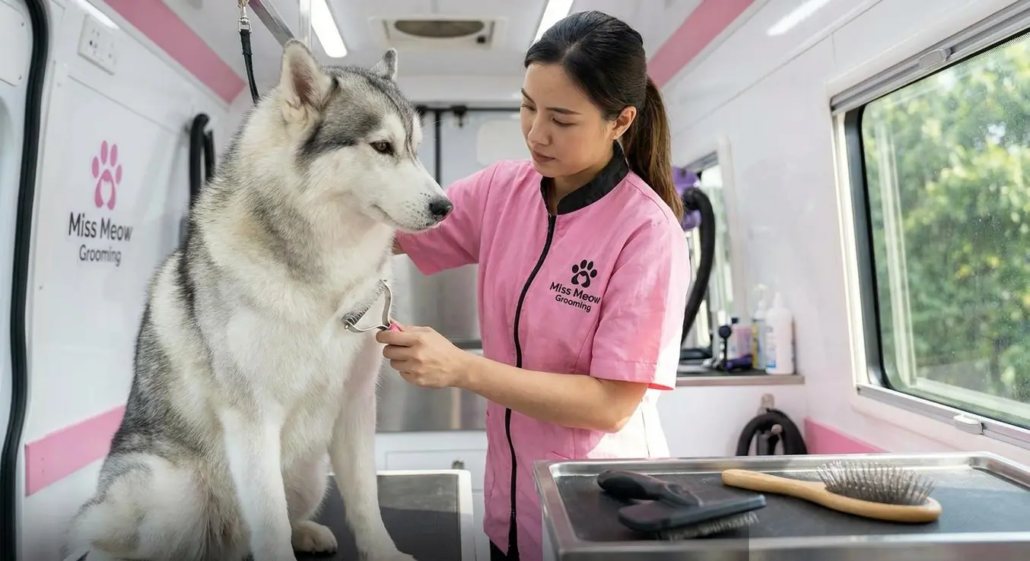
The Best Brushes for Double-Coated Dog Breeds
If you have ever shared your home with a Siberian Husky, a Golden Retriever, or a fluffy Pomeranian, you know that your life is forever changed—and so is your vacuum cleaner’s workload. Owning a double-coated dog is a journey filled with love, loyalty, and a seemingly infinite amount of “canine glitter” floating through the air. However, maintaining that majestic mane is not just about aesthetics; it is about the health and comfort of your furry companion. Finding The Best Brushes for Double-Coated Dog Breeds can be the difference between a relaxing bonding session and a frustrating battle against stubborn mats and tangles.
Let’s be honest: not all brushes are created equal. You might have a drawer full of grooming tools that promised the world but only seemed to scratch the surface of your dog’s thick fur. The secret lies in understanding how a double coat works and why specific tools are designed to penetrate those dense layers. In this comprehensive guide, we will dive deep into the science of shedding, the essential tools every owner needs, and how to keep your pup looking like they just stepped out of a professional show ring.
Understanding the Architecture of a Double Coat
Before we can select the right tools, we need to understand what we are actually brushing. A double coat consists of two distinct layers. First, there is the undercoat—soft, downy hairs that sit close to the skin. Think of this as your dog’s built-in thermal underwear; it keeps them warm in the winter and cool in the summer. Then, there is the topcoat, or guard hairs. these are longer, coarser hairs that repel water and protect the skin from dirt and UV rays.
Twice a year, many double-coated breeds go through a process colloquially known as “blowing the coat.” This is when the undercoat sheds in massive clumps to make room for a new seasonal layer. During these times, the search for The Best Brushes for Double-Coated Dog Breeds becomes even more critical. If the dead undercoat isn’t removed, it can become trapped under the guard hairs, leading to painful mats and even skin infections. This is precisely why a standard comb just won’t cut it for these specialized breeds.
Why You Need the Best Brushes for Double-Coated Dog Breeds
In fact, using the wrong brush can sometimes do more harm than good. A brush that is too soft will only glide over the topcoat, leaving the dense undercoat to tangle and knot. On the other hand, a tool that is too aggressive can scrape the skin or damage the protective guard hairs. When we talk about The Best Brushes for Double-Coated Dog Breeds, we are looking for a balance of efficiency, safety, and comfort for the animal.
Proper grooming does more than just reduce shedding. It stimulates the skin’s natural oils, which are then distributed across the coat to provide that healthy, glossy shine we all love. It also gives you a chance to check for lumps, bumps, or parasites that might be hiding under that thick fur. For residents in busy urban areas, keeping up with this can be a chore, which is why many choose the convenience of mobile pet grooming in Dubai to ensure their pets get professional care right at their doorstep.
The Essential Kit: The Best Brushes for Double-Coated Dog Breeds
To effectively manage a double coat, you generally need a combination of tools rather than a single “magic” brush. Here are the top contenders that should be in every owner’s grooming kit:
1. The Undercoat Rake
If you could only pick one tool, the undercoat rake would likely be it. These brushes feature long, metal tines that are designed to reach through the topcoat and pull out the loose, dead fur from the undercoat without pulling or cutting the healthy hair. They are particularly effective for breeds like Malamutes, Samoyeds, and German Shepherds. When using an undercoat rake, use light pressure and let the tool do the work; you’ll be amazed at how much fur comes out in just a few strokes.
2. The Slicker Brush
A slicker brush has a flat or slightly curved head with rows of thin wire pins. It is fantastic for removing debris, loose hair, and small tangles from the surface of the coat. While it doesn’t reach as deep as a rake, it is essential for the finishing touches and for smoothing out the coat after a deep deshedding session. Many professional groomers at Missmeow Grooming rely on high-quality slicker brushes to give dogs that “poofy,” clean look after a bath.
3. The Dematting Tool
Sometimes, despite our best efforts, mats happen. This is especially true behind the ears, in the armpits, or around the tail. A dematting tool features sharpened blades (designed to be safe against the skin) that cut through the knot rather than pulling it out by the root. This is much less painful for the dog. However, use these with caution—they are meant for spot-treating tangles, not for grooming the whole body.
4. The Pin Brush
For breeds with longer guard hairs, like the Border Collie or the Rough Collie, a pin brush is a great daily maintenance tool. It looks much like a human hairbrush but with longer, wider-spaced pins. It’s perfect for a quick once-over to keep the hair separated and prevent those initial tiny knots from turning into giant mats. While it isn’t one of the heavy hitters for deshedding, it is certainly one of The Best Brushes for Double-Coated Dog Breeds for day-to-day upkeep.
Top Specialized Tools: Refining the Search for The Best Brushes for Double-Coated Dog Breeds
Beyond the basics, there are specialized deshedding tools like the Furminator or similar stainless-steel blades. These are highly effective but must be used with a gentle hand. They work by grabbing the loose undercoat and pulling it out. Because they are so efficient, it is easy to over-brush one spot, which can lead to “brush burn” or thinning of the coat. Always monitor your dog’s skin while using these powerful tools.
If you find that your dog’s shedding has become unmanageable or if you are worried about hurting their skin, it might be time to bring in the experts. Utilizing a dog grooming van in Dubai allows you to watch the professionals work their magic using industrial-grade high-velocity dryers, which actually “blow” the dead hair out far more effectively than any manual brush ever could.
Techniques for Grooming Double-Coated Dogs
Having The Best Brushes for Double-Coated Dog Breeds is only half the battle; how you use them matters just as much. The “line brushing” technique is the gold standard. This involves lifting a section of the coat with one hand and brushing the hair underneath it from the skin outward. By working in small sections, you ensure that you are reaching the skin and not just skimming the top.
Start from the bottom of the dog (the legs) and work your way up toward the back and head. This systematic approach ensures no spot is missed. Also, remember to be extra gentle in sensitive areas. If you encounter a mat, don’t yank it. Hold the base of the fur near the skin to prevent pulling and gently tease the mat apart with your fingers or a dematting comb.
The Role of Bathing in the Shedding Process
Brushing and bathing go hand-in-hand. A warm bath helps to loosen the dead hair, making the brushing process much more productive. However, never bathe a double-coated dog that is already matted, as water can cause the mats to tighten like knots in a wet rope. Always brush thoroughly before the bath, and then again once the dog is completely dry. While we focus heavily on dogs, it’s worth noting that even long-haired cats benefit from similar care, often provided by specialized cat grooming services to prevent hairballs and skin issues.
Professional groomers often use “deshedding shampoos” that contain omega fatty acids to strengthen the hair follicles and moisturize the skin, which naturally reduces the amount of hair that falls out. If you are interested in these specialized treatments, you can check the Miss Meow pricing and packages to see which options best fit your pet’s needs.
Common Myths About Double-Coated Breeds
One of the most dangerous myths is that you should shave a double-coated dog in the summer to keep them cool. Please, whatever you do, do not shave them! As we discussed earlier, the undercoat acts as insulation. When you shave the coat, you remove the dog’s natural ability to regulate its temperature. Furthermore, the guard hairs may never grow back the same way, often resulting in a patchy, “scraggly” appearance and making the dog more susceptible to sunburn and heatstroke.
Another myth is that “one size fits all” when it comes to grooming tools. A brush that works for a Lab (who has a short, dense double coat) will be useless for a Newfoundlander (who has a long, oily, water-resistant double coat). Tailoring your choice of The Best Brushes for Double-Coated Dog Breeds to your specific dog’s hair length and texture is vital for success.
Maintaining Your Tools for Long-Term Success
Even the highest-quality brushes need maintenance. After every grooming session, remove the hair from the pins or tines. Periodically wash your brushes with mild soap and water to remove skin oils and dander, ensuring they are completely dry before the next use to prevent rust. A well-maintained brush will last for years and remain gentle on your dog’s skin.
Consistency is the final piece of the puzzle. Brushing your double-coated dog once a month isn’t enough. For most breeds, a thorough brushing 2–3 times a week is necessary to keep shedding under control. During the heavy shedding seasons of spring and fall, you might find yourself reaching for your brushes every single day. If your schedule is too packed to keep up with this demand, it is incredibly easy to book a pet grooming appointment and let the experts handle the heavy lifting for you.
A Healthy Dog Starts with a Healthy Coat
In conclusion, caring for a double-coated dog is a commitment, but it is one that pays off in the form of a happier, healthier pet. By investing in The Best Brushes for Double-Coated Dog Breeds—specifically an undercoat rake and a slicker brush—you are taking the first step toward a hair-free home and a very grateful dog. Remember to be patient, use the right techniques, and never underestimate the power of a professional’s touch when the shedding season reaches its peak.
Whether you are tackling the fluff at home or calling in the experts to provide a deep-clean and deshed, your dog will thank you for the extra attention. After all, a well-groomed dog is not just a beautiful sight; they are a comfortable and thriving member of the family. So grab those brushes, find a comfortable spot, and start grooming—your vacuum cleaner will thank you too!