
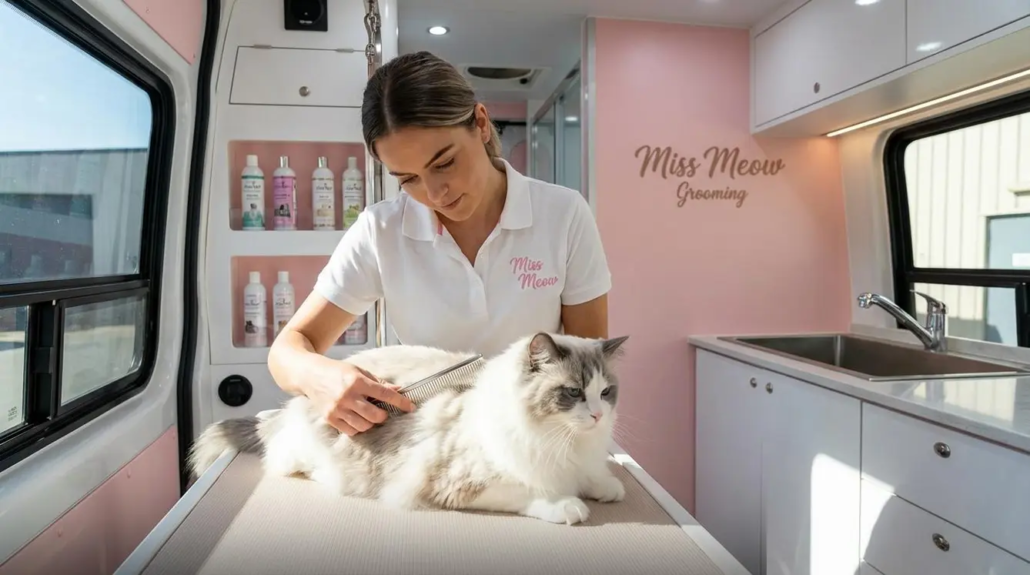
How to Prevent Hair Mats in Long-Haired Cats
How to Prevent Hair Mats in Long-Haired Cats
There is something undeniably majestic about a long-haired cat. Whether it is the regal mane of a Persian, the rugged fluff of a Maine Coon, or the silky elegance of a Ragdoll, these feline companions are the epitome of grace. However, as any owner of a long-haired beauty will tell you, that stunning coat comes with a significant responsibility. Without the right care, that luxurious fur can quickly transform into a tangled nightmare of mats and knots. Learning how to prevent hair mats in long-haired cats is not just about aesthetics; it is a fundamental part of feline health and well-being.
Imagine, for a moment, wearing a heavy wool sweater that is two sizes too small and has several knots tied into the fabric that pull at your skin every time you move. That is essentially what a matted cat feels. Mats are dense clumps of tangled fur that occur when dead hair becomes trapped in the live coat. If left unattended, these mats tighten over time, eventually pulling on the cat’s delicate skin, causing discomfort, restricted movement, and even painful sores or infections. To keep your feline friend purring and comfortable, you need a proactive strategy. In this comprehensive guide, we will explore the essential steps to master how to prevent hair mats in long-haired cats.
Understanding Why Mats Form in the First Place
Before we dive into the solutions, it is important to understand the enemy. Feline fur undergoes a constant cycle of growth and shedding. In short-haired breeds, the shed hair usually falls away or is easily licked off. In long-haired breeds, however, the shed hair often gets trapped within the surrounding long strands. Friction is the secondary culprit. Areas where the fur rubs together—such as the armpits, the groin, and behind the ears—are “hot spots” for mat development. Furthermore, moisture from humidity or a cat’s own saliva during grooming can cause the fur to bind together more tightly.
Interestingly, the texture of the coat plays a role too. Some cats have a “cottony” coat that tangles if you even look at it the wrong way, while others have a “silky” coat that is more resistant to knots. Regardless of the texture, the goal remains the same: removing dead hair before it has the chance to weave itself into a mat. If you live in a bustling city where life moves fast, you might find that professional mobile pet grooming in Dubai is the most efficient way to keep up with these demanding maintenance needs, ensuring your pet gets expert attention right at your doorstep.
Essential Tools for Success: How to Prevent Hair Mats in Long-Haired Cats
You wouldn’t try to paint a masterpiece with a blunt stick, and you shouldn’t try to groom a long-haired cat with the wrong tools. Using a standard human hairbrush or a cheap plastic comb is a recipe for frustration (for both you and the cat). To effectively manage a long coat, you need a specialized kit. Let’s be honest, the initial investment in high-quality tools pays for itself in avoided vet bills and a much happier pet.
The foundation of your kit should be a high-quality stainless steel Greyhound comb. These combs usually have wide teeth on one end and finer teeth on the other. The wide teeth are perfect for the initial pass to find hidden knots, while the fine teeth help smooth out the coat and remove smaller debris. Next, you will want a slicker brush. These brushes have fine, short wires close together and are excellent for pulling out loose undercoat hair. For those stubborn knots that have already started to form, a mat splitter or a de-matting rake can be a lifesaver, allowing you to slice through the knot without pulling the skin. However, these tools must be used with extreme caution.
Establishing a Grooming Routine
The most important secret regarding how to prevent hair mats in long-haired cats is consistency. Grooming should not be an occasional event; it should be a daily ritual. Many owners make the mistake of waiting until they see a mat to pick up the brush. By then, it’s often too late for a painless fix. Instead, aim for 10 to 15 minutes of grooming every single day. This prevents the “buildup” of dead hair and allows you to catch tiny tangles before they escalate into structural problems.
Start by making the experience positive. If your cat isn’t used to being brushed, don’t try to do the whole body at once. Spend two minutes on the back, give them a treat, and let them go. Gradually increase the time and the areas you cover. In fact, many cats grow to love this one-on-one bonding time. It’s a moment of relaxation and affection that strengthens the bond between you. If you find your schedule is simply too packed to maintain this daily, scheduling regular cat grooming services can provide the deep-cleaning and thorough de-shedding that keeps mats at bay.
The Critical Areas: Where Mats Hide
When you are learning how to prevent hair mats in long-haired cats, you must become a bit of a fur detective. There are specific areas on a cat’s body that are prone to matting because of high movement or moisture. The armpits (the “axilla”) are the number one danger zone. As the cat walks and plays, the fur there is constantly rubbing. Other trouble spots include the “breeches” (the long fur on the back of the hind legs), the belly, and the area directly behind the ears where the fur is often finer and softer.
During your daily grooming sessions, pay extra attention to these zones. Use your fingers to feel through the fur down to the skin. Often, a mat can be hidden under a layer of seemingly smooth topcoat. If you feel a small bump or a thickening of the fur, use your metal comb to gently tease it apart. Never pull! If the knot doesn’t yield to a gentle comb, you may need to use a specialized detangling spray to provide some “slip” to the hair fibers.
The Role of Diet and Hydration in Coat Health
We often forget that the coat is a reflection of internal health. A cat with a dry, brittle coat is much more likely to suffer from mats than a cat with a healthy, supple coat. Proper nutrition is a vital component of how to prevent hair mats in long-haired cats. High-quality cat food rich in Omega-3 and Omega-6 fatty acids helps maintain skin elasticity and coat shine. These oils act as a natural lubricant for the hair, making it less likely to snag and tangle.
Hydration is equally important. Dehydrated skin becomes flaky, and those skin flakes can contribute to the “stickiness” of the fur, helping mats form. Ensure your cat has access to fresh, filtered water at all times. Some long-haired cats prefer water fountains, as the moving water encourages them to drink more. By supporting the coat from the inside out, you make your external grooming efforts much more effective. Professional teams like Missmeow Grooming often emphasize the importance of a holistic approach to pet care, noting that a healthy diet makes their job much easier during styling sessions.
When to Call in the Professionals
Sometimes, despite our best efforts, the coat gets away from us. Life happens—perhaps you went on vacation, or maybe your cat went through a heavy seasonal shed. When mats become too close to the skin, attempting to remove them yourself can be dangerous. Cat skin is paper-thin and can easily be nicked by scissors. This is where professional help becomes invaluable. If you have multiple pets, you might even consider the convenience of a dog grooming van in Dubai that can handle both your canine and feline friends in one visit.
Professional groomers have the experience, the specialized clippers, and the steady hands required to remove mats safely. They can also perform a “sanitary clip,” which involves trimming the fur around the rear end and belly to prevent messes and mats in the most sensitive areas. Knowing when to step back and let a professional handle it is a key part of how to prevent hair mats in long-haired cats, as it prevents the cat from developing a fear of the grooming process due to accidental pain at home.
Bath Time: Help or Hindrance?
There is a common misconception that bathing a cat will help remove mats. In reality, water often acts like glue for existing tangles. If you put a matted cat into a bath, those mats will likely tighten as they dry, making them almost impossible to remove without shaving. The rule of thumb is: never bathe a matted cat. You must thoroughly brush out the coat and ensure it is 100% tangle-free before the water touches the fur.
However, once the coat is clear, a bath with a high-quality feline conditioner can be very beneficial. Conditioners help close the hair cuticle, making the strands smoother and more resistant to future tangling. Use only products specifically formulated for cats, as human shampoos can disrupt the pH balance of their skin. If you are unsure about the best products or techniques, checking out Miss Meow pricing and packages can give you an idea of the professional-grade treatments available for your cat’s specific coat type.
Advanced Techniques: Thinning and Trimming
For some exceptionally fluffy cats, the sheer volume of the undercoat is the primary problem. In these cases, learning how to prevent hair mats in long-haired cats might involve some strategic thinning. Thinning shears (scissors with notched blades) can be used to remove some of the bulk from the undercoat without changing the overall look of the cat. This allows for better airflow to the skin and reduces the amount of loose hair that can get tangled.
Another option is the “belly shave” or “lion cut.” While not every owner wants their cat to look like a tiny lion, these clips are highly effective for cats that are prone to severe matting or for those who live in hotter climates. By removing the long fur in the most problematic areas, you drastically reduce the maintenance required. These specialized cuts are best left to professionals who can ensure the cat remains calm and safe throughout the process. To secure a spot for such specialized care, it is always wise to book a pet grooming appointment well in advance, especially during the shedding seasons of spring and autumn.
The Psychological Aspect of Grooming
We cannot discuss how to prevent hair mats in long-haired cats without mentioning the cat’s temperament. Some cats are naturally more tolerant of handling, while others view a brush as a mortal enemy. If your cat is stressed, their muscles tense, making it harder to reach the skin and more likely that you will accidentally pull on a sensitive area. Stress also increases the production of oils on the skin, which can lead to more matting.
Use pheromone sprays or calming treats to create a serene environment. Keep grooming sessions short and sweet. If you feel yourself getting frustrated because of a stubborn knot, stop. Your cat will pick up on your tension, and the experience will become negative for both of you. Patience is your greatest tool. Remember, the goal is to make grooming a regular, “non-event” in your cat’s life—just another part of their day like eating or napping.
Seasonal Changes and Shedding
As the seasons change, so does your cat’s coat. During the transition from winter to spring, long-haired cats go through a massive “blow out” of their thick winter undercoat. This is the period of highest risk for matting. You might find that your usual 15-minute daily session needs to be doubled. On the other hand, during the peak of summer or winter, the shedding may stabilize, but the environmental factors (like dry indoor heat or high outdoor humidity) can still affect the hair texture.
During these high-shedding periods, consider using a de-shedding tool like a Furminator, but use it sparingly. These tools are designed to reach deep into the undercoat and pull out loose hair. However, if used too aggressively, they can damage the topcoat or irritate the skin. The key to how to prevent hair mats in long-haired cats during seasonal shifts is to stay ahead of the shed. Don’t let the dead hair sit in the coat for more than 24 hours.
Final Thoughts on Long-Term Coat Maintenance
Caring for a long-haired cat is a commitment that lasts for the lifetime of the pet. It is a labor of love that rewards you with a beautiful, healthy, and comfortable companion. By investing in the right tools, establishing a daily routine, focusing on high-risk areas, and providing a proper diet, you have all the knowledge you need on how to prevent hair mats in long-haired cats. It isn’t always easy, and there will be days when the “fur-nado” seems to be winning, but the sight of your cat lounging comfortably without a single knot in their fur makes every minute of brushing worth it.
Never hesitate to seek professional help when needed. A professional groomer is your partner in your cat’s health. They can provide the deep cleaning, precise trimming, and expert advice that keeps your cat’s coat in peak condition. Whether you choose to do the majority of the work yourself or rely on a mobile service, the most important thing is that your cat remains mat-free and happy. After all, a cat’s coat is their crowning glory, and with your help, it can stay that way forever.

Leave a Reply
Want to join the discussion?Feel free to contribute!