How to Remove Sticky Substances from Your Pet’s Fur
Every pet owner has been there, haven’t we? You turn your back for just a moment, and suddenly, your beloved companion has managed to find themselves in a predicament. Whether it’s a rogue piece of chewing gum, a patch of tar from a walk, or the remnants of a sugary treat, sticky substances clinging to their beautiful fur can be a nightmare. It’s not just an aesthetic issue; these sticky situations can cause discomfort, skin irritation, and even lead to your pet ingesting harmful materials if left unaddressed. The sheer thought of trying to untangle a matted mess can be daunting, but fear not! This comprehensive guide will walk you through the safest and most effective methods for removing sticky substances from your pet’s fur, helping you restore their coat to its pristine glory while keeping them happy and healthy.
Understanding the Sticky Situation: Why It’s a Problem
Before diving into solutions, let’s briefly consider why a sticky patch on your pet’s fur is more than just a minor annoyance. First and foremost, it can be incredibly uncomfortable for your animal. Imagine having something constantly pulling at your hair – that’s essentially what they’re experiencing. The stickiness can mat their fur, leading to painful tangles and even skin sores if the matting becomes severe and pulls too tightly on the skin. Moreover, some sticky substances are toxic. Tar, certain glues, and even some food products can be harmful if ingested. Pets, being naturally curious creatures, will often try to lick or chew at anything unusual on their bodies, risking ingestion. This makes prompt and safe removal absolutely crucial for their well-being.
The process of trying to remove these substances can also be stressful for your pet. They might not understand what you’re doing, leading to anxiety, resistance, and even nips or bites if they feel threatened or pained. Our goal here isn’t just to clean their fur, but to do so in a way that minimizes stress and maximizes safety for both you and your furry friend. Patience, gentleness, and the right approach are key to successfully navigating these sticky challenges.
General Principles for Removing Sticky Substances from Your Pet’s Fur
Before we tackle specific types of sticky messes, let’s establish some fundamental ground rules that apply across the board. Adhering to these principles will not only make the process smoother but also safer for your pet.
1. Stay Calm and Patient
Your pet can sense your stress. If you’re anxious or rushed, they’ll likely become anxious too, making the task much harder. Take a deep breath. Gather all your supplies before you start. Approach the situation with a calm demeanor, speaking softly and reassuringly to your pet throughout the entire process.
2. Prioritize Safety
This is non-negotiable. Always protect your pet’s eyes, ears, and mouth. Some removal agents, even natural ones, can be irritating. Avoid using harsh chemicals, solvents, or anything not explicitly recommended for pet use. If you’re unsure about a product, err on the side of caution and consult your veterinarian or a professional groomer.
3. Assess the Situation
What kind of sticky substance is it? How large is the affected area? Is it close to their skin, eyes, or mouth? The answers to these questions will dictate your approach. A small piece of gum is very different from a large patch of tar. Understanding the scope of the problem helps in choosing the right method.
4. Gather Your Tools
Having everything you need within arm’s reach prevents you from having to leave your pet unattended during the process. Essential tools often include: a fine-toothed comb or flea comb, blunt-nosed scissors, absorbent towels, pet-friendly shampoo, warm water, and specific removal agents depending on the substance (e.g., vegetable oil, peanut butter, cornstarch).
5. Test a Small Area First
If you’re using any product you haven’t tried before on your pet, apply a tiny amount to an unaffected area of skin or fur. Wait a few minutes to ensure there’s no adverse reaction before proceeding to the sticky patch. This simple step can prevent widespread irritation.
Specific Sticky Situations and How to Remove Them
Now, let’s get down to the nitty-gritty. Different sticky culprits require different strategies for effective and safe removal. Here’s a breakdown:
How to Remove Chewing Gum from Pet Fur
Ah, the classic gum incident! Whether it’s from stepping on it or brushing against it, gum in fur is a common vexation. The good news is, it’s usually one of the easier sticky substances to tackle.
- The Peanut Butter or Vegetable Oil Method: This is arguably the most popular and effective technique. The oils in peanut butter (ensure it’s xylitol-free if using the regular kind, as xylitol is toxic to dogs) or plain vegetable oil help to break down the gum’s stickiness. Liberally apply a dollop of peanut butter or oil directly onto the gum and the surrounding fur. Gently work it in with your fingers for 5-10 minutes. You’ll notice the gum starting to lose its adhesive quality and become crumbly.
- Ice Cube Method: If you’re wary of oils, an ice cube can also work. Rub an ice cube over the gum until it hardens. Once frozen, the gum becomes brittle and can often be gently broken off. This method requires a bit more patience and is usually better for smaller gum pieces.
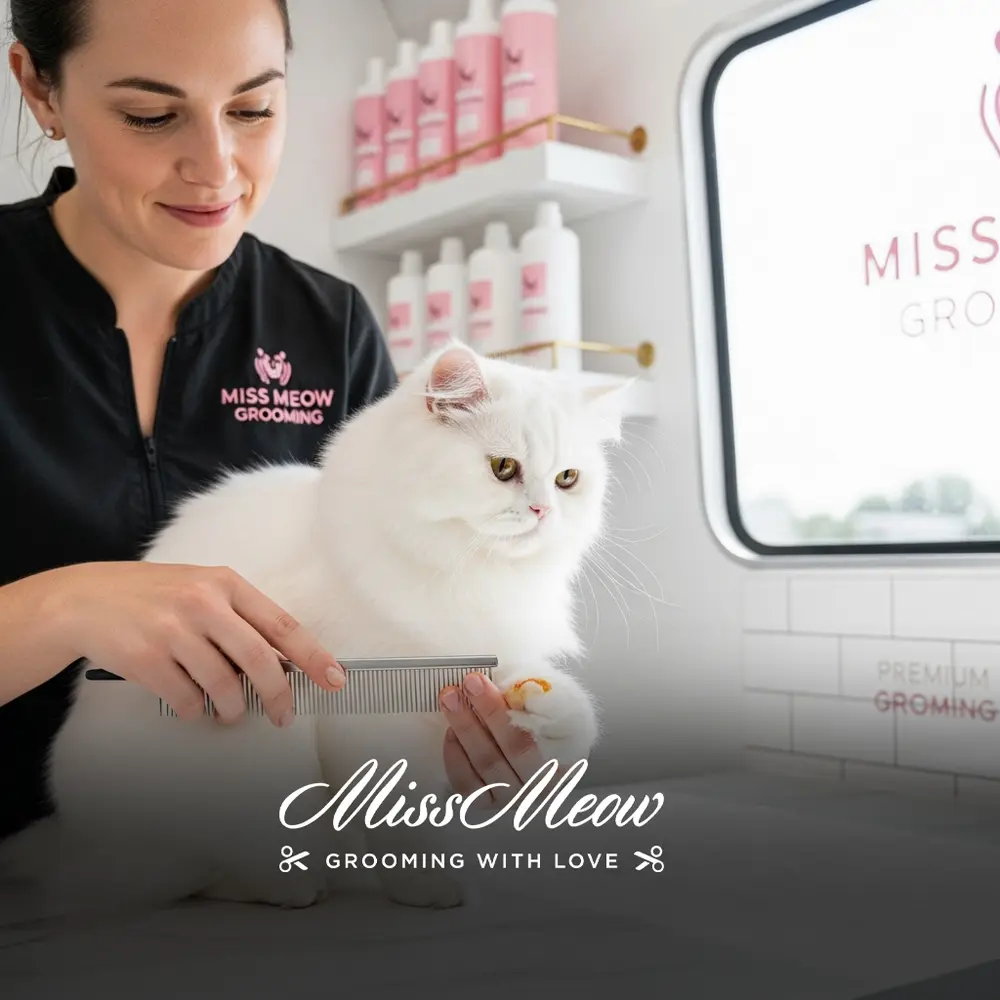
- Combing and Clipping: Once the gum has been softened by oil or hardened by ice, carefully use a fine-toothed comb to gently work it out of the fur. For stubborn bits or if the gum is deeply embedded and matted, you might need to use blunt-nosed scissors to carefully clip away the affected fur. Always point the scissors away from the skin and use a comb or your fingers as a barrier between the skin and the blades.
- Post-Removal: After the gum is gone, shampoo the area with a mild pet-friendly shampoo to remove any residue from the oil or gum. Rinse thoroughly.
Dealing with Tar or Asphalt
Tar is a trickier beast. It’s often very dark, incredibly sticky, and can be quite irritating to the skin. Plus, it’s toxic if ingested.
- Mineral Oil or Vegetable Oil: Similar to gum, oils are your best bet. Apply a generous amount of mineral oil, vegetable oil, or even butter (unsalted is best) to the tar. Gently massage the oil into the tar for a good 10-15 minutes. The oil helps to dissolve the tar’s adhesive properties.
- Gentle Combing and Wiping: As the tar softens, carefully use a fine-toothed comb to pull it away from the fur. Simultaneously, use paper towels or a clean cloth to wipe away the loosened tar. You might need to reapply oil several times.
- Clipping as a Last Resort: If the tar is extensive or very close to the skin, clipping the affected fur may be the safest and most humane option. Be extremely cautious.
- Bathing: Once the tar is largely removed, wash the area thoroughly with a degreasing pet shampoo. You might need to repeat this step a couple of times to remove all oily residue and tar traces.
Sap and Other Tree Resins
Tree sap can be surprisingly tenacious, and like tar, it can get very matted in fur.
- Rubbing Alcohol (Isopropyl Alcohol): This is often the most effective for sap. Dampen a cotton ball or soft cloth with rubbing alcohol and gently dab it onto the sap. The alcohol will help dissolve the sap. Be careful not to let your pet lick the alcohol, and avoid getting it into their eyes or mouth.
- Vegetable Oil: For a less harsh alternative, vegetable oil can also work, though it may take more time. Apply and massage as you would for gum or tar.
- Combing and Washing: Once the sap has softened, comb it out gently. Follow up with a good bath using pet shampoo to remove any remaining stickiness and alcohol residue.
Grease and Oily Stains
Cooking grease, car grease, or other oily residues can make a significant mess on fur.
- Cornstarch or Flour: These powdery substances are excellent at absorbing oil. Sprinkle a generous amount of cornstarch or flour over the greasy area. Let it sit for 5-10 minutes, then brush it out. The powder will clump with the grease, making it easier to remove. Repeat if necessary.
- Dish Soap (Diluted): For tougher grease stains, a very small amount of mild, diluted dish soap (like Dawn, which is often used for wildlife affected by oil spills) can be effective. Apply it directly to the grease, gently work it in, and then rinse thoroughly. Be absolutely sure to use only a tiny amount and rinse meticulously to prevent skin irritation.
- Pet Degreasing Shampoo: Many pet supply stores offer shampoos specifically designed to degrease coats. These are ideal for this type of problem. For our feline companions, dealing with oily patches might require specialized cat grooming services to ensure their sensitive skin isn’t irritated.
Paint and Craft Adhesives
The type of paint matters here. Water-based paints are much easier to remove than oil-based or dried acrylics.
- Water-Based Paint (Wet): If the paint is still wet, simply rinse the area with warm water and a mild pet shampoo.
- Water-Based Paint (Dry): For dried water-based paint, warm water, a gentle scrub with a soft brush, and pet shampoo should do the trick.
- Oil-Based Paint/Acrylics: This is where it gets tricky. Mineral oil or vegetable oil can sometimes soften acrylics or oil paints. Apply, let it soak, and gently comb. For stubborn or dried paint, clipping is often the safest route. Never use paint thinners or harsh solvents on your pet. If a large amount of paint is involved, or if it’s a toxic type of paint, it’s always best to contact your vet.
- Craft Glues (e.g., Elmer’s Glue): Most craft glues are water-soluble. A warm, wet cloth and a little pet shampoo should remove them easily.
- Superglue: This is a serious one. Do NOT try to pull it off. If it’s on fur, apply vegetable oil or mineral oil repeatedly to the area. This can sometimes help to loosen it. If it’s on the skin or a large area, or if your pet is in distress, this is a definite vet visit situation. Do not attempt aggressive removal at home.
Post-Removal Care and Prevention
Once you’ve successfully managed to remove sticky substances from your pet’s fur, the job isn’t quite over. Proper aftercare is essential to prevent skin irritation and ensure their comfort.
1. Thorough Bathing
Always follow up any removal process with a complete bath, using a high-quality, pet-friendly shampoo. This ensures all residues from the sticky substance and any removal agents are completely washed away. Pay special attention to rinsing, as leftover shampoo can also irritate the skin. For dogs, a thorough rinse is key; a dog grooming van in Dubai could be a convenient option if you lack the facilities at home.
2. Check for Skin Irritation
After the bath, carefully inspect the affected area. Look for any redness, swelling, nicks from clippers, or signs of irritation. If you notice anything concerning, contact your veterinarian. Sometimes, even with the gentlest methods, the skin underneath can be sensitive.
3. Brushing and Drying
Brush your pet’s fur thoroughly once it’s dry to ensure there are no lingering tangles and to distribute natural oils, promoting a healthy coat. Make sure their fur is completely dry to prevent skin issues like hot spots.
4. Prevention is Key
An ounce of prevention is truly worth a pound of cure, especially when it comes to sticky messes. Here are a few tips:
- Supervise Outdoors: Keep a close eye on your pet during walks, especially in areas where construction or debris might be present.
- Secure Waste Bins: Make sure all household waste, especially food scraps and gum, are securely contained and out of your pet’s reach.
- Pet-Proof Your Home: Store all sticky craft supplies, glues, and chemicals in cabinets your pet cannot access.
- Regular Grooming: A well-maintained coat is less likely to hold onto sticky substances. Regular brushing helps to remove loose fur and minor debris before it becomes a problem. Professional grooming can also help maintain coat health and identify potential issues early.
When to Call a Professional or Veterinarian
Let’s be honest, not every sticky situation can be handled at home. There are times when calling in the experts is not just advisable, but necessary. Knowing when to seek professional help is a sign of a responsible pet owner.
- Large or Extensive Areas: If a significant portion of your pet’s fur is covered, especially if it’s close to sensitive areas, attempting to clean it yourself might cause more stress or harm.
- Toxic Substances: For substances like harsh chemicals, industrial glues, or large quantities of tar, a vet visit is imperative. They can assess for potential toxicity and provide safe removal.
- Pet’s Distress: If your pet is in a lot of pain, exhibiting extreme anxiety, growling, or trying to bite, it’s safer to let a professional handle it. They have techniques and tools to manage distressed animals.
- Inability to Remove: If, after several gentle attempts, you can’t seem to make progress, don’t force it. Aggressive scrubbing can damage skin and fur.
- Signs of Skin Irritation: If you notice redness, swelling, or open sores developing around the sticky area, consult your vet immediately.
- For Complex Grooming Needs: Sometimes, the best solution is a professional groomer. Services like mobile pet grooming in Dubai can bring the expertise right to your doorstep, making the experience less stressful for your pet. They have the right tools, knowledge, and patience to handle even the trickiest mats and sticky problems with minimal fuss. You can check out Miss Meow pricing and packages to see how they can assist.
Conclusion: Keeping Your Pet Clean and Happy
Dealing with sticky substances in your pet’s fur is certainly not the most glamorous part of pet ownership, but it’s a common hurdle many of us face. The key takeaway from this guide is to approach each sticky situation with patience, gentleness, and a clear understanding of the right techniques for how to remove sticky substances from your pet’s fur. Remember to always prioritize your pet’s safety and comfort above all else.
By using common household items like vegetable oil or peanut butter for gum, mineral oil for tar, or even just cornstarch for grease, you can often resolve these messy encounters quickly and effectively. However, never hesitate to reach out to a professional groomer or your veterinarian if the situation seems overwhelming, if the substance is toxic, or if your pet is highly distressed. Businesses like Missmeow Grooming are experts in handling these delicate situations, ensuring your pet gets the best care. Being prepared and knowing when to seek help ensures that your beloved companion’s coat remains healthy, shiny, and wonderfully free of sticky surprises. If you ever find yourself in a bind, don’t hesitate to book a pet grooming appointment with trusted professionals.