Why Proper Drying Prevents Fungal Infections in Pets
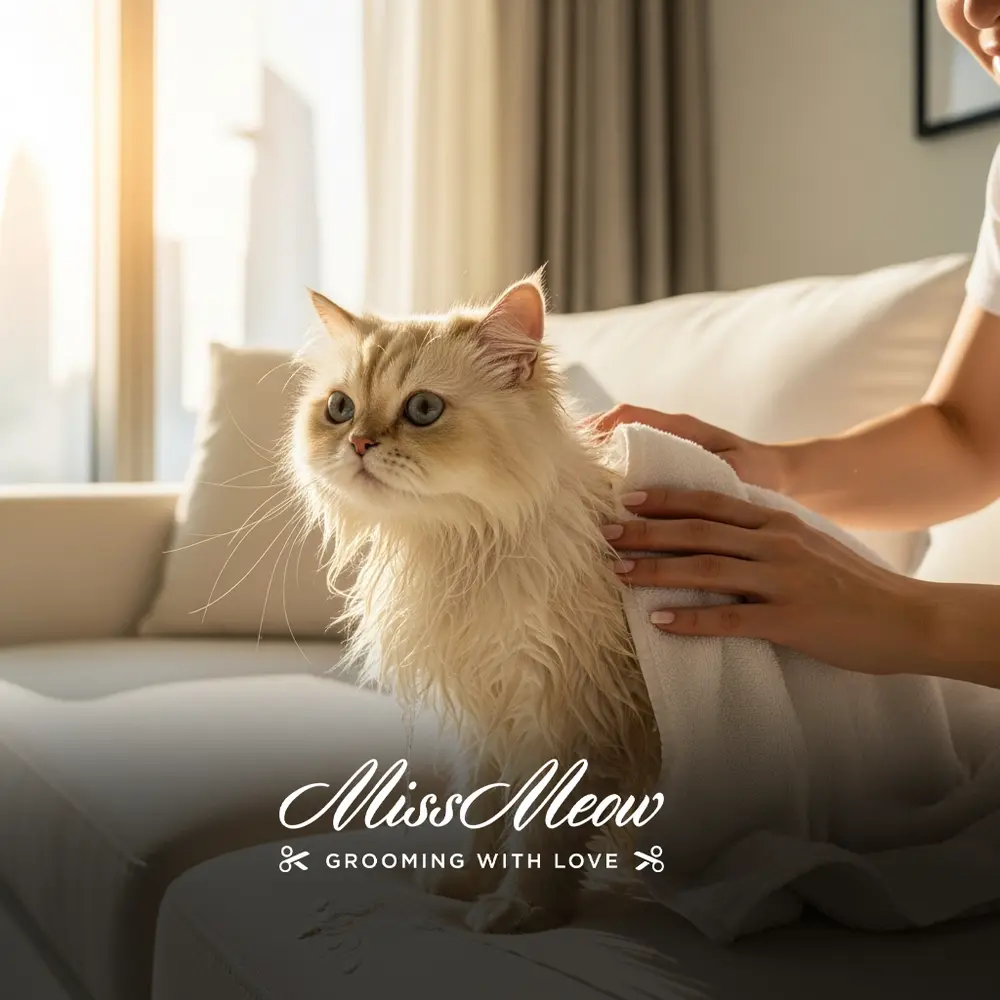
The air-conditioning hums in a Downtown Dubai apartment, a welcome counterpoint to the relentless summer heat outside. Inside, a fluffy Persian cat, freshly bathed after shedding liberally across a pristine cream sofa, is getting the towel treatment. Her owner, diligent but perhaps a little rushed, gives her a good rub, notices she’s still a bit damp underneath her luxurious coat, and thinks, “Ah, the AC will take care of the rest.” It’s a common scenario here in the UAE, where humidity is a constant companion and quick fixes often seem appealing. But that lingering dampness, especially in a dense coat, isn’t just a minor inconvenience. It’s an open invitation, a warm, moist nursery for something far more sinister: fungal infections. Understanding mobile pet grooming in Dubai can shed light on professional approaches to preventing these issues, but even at home, proper drying is critical.
The UAE Climate: A Breeding Ground for Trouble
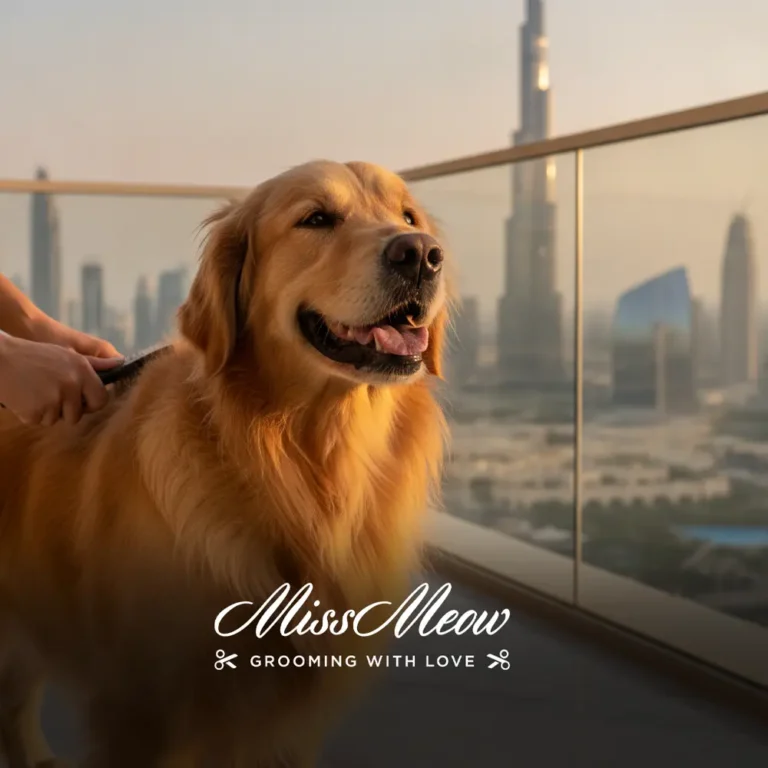
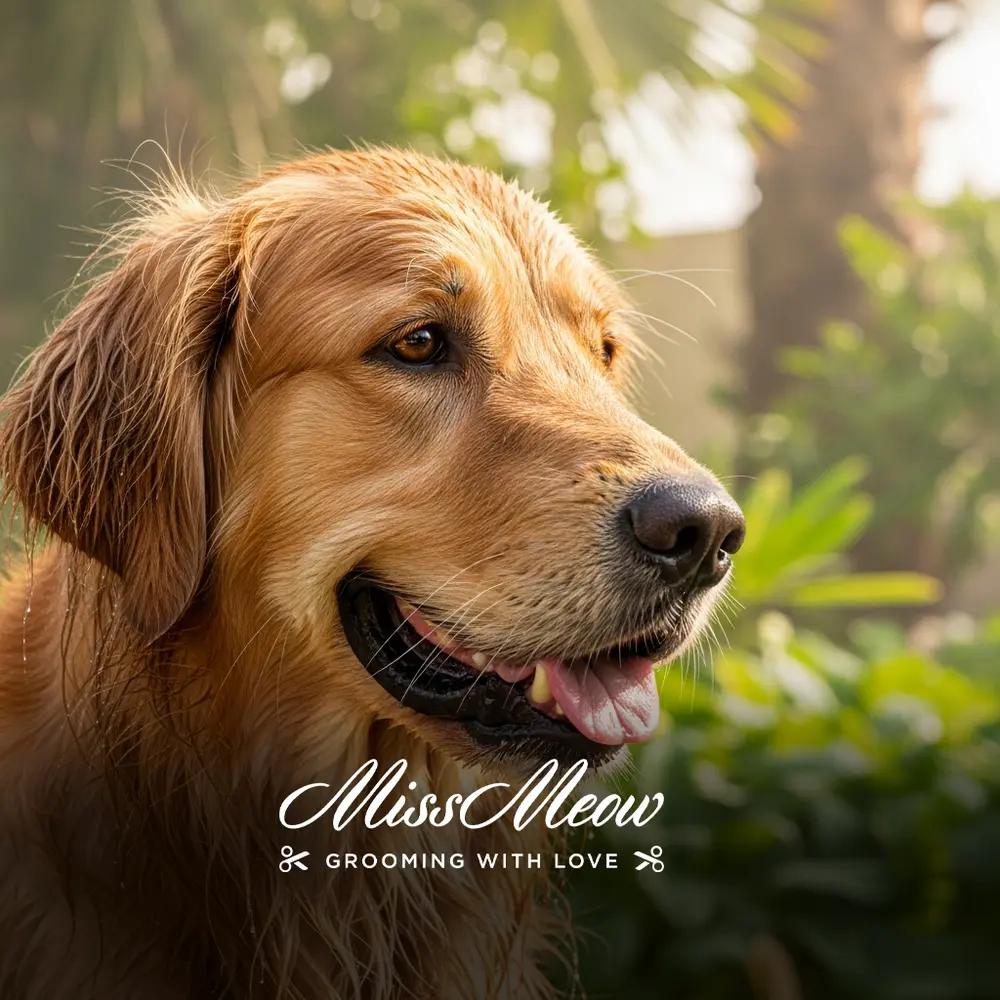
Imagine a spirited Golden Retriever, all joy and wagging tail, after an exhilarating morning splash at Kite Beach. The salty water clings to his thick double coat. Back in the car, windows down for the breeze, he might feel mostly dry on the surface. But deep down, where the skin meets the undercoat, moisture can persist for hours. This isn’t just about the beach, though. Even a quick bath at home, followed by casual towel drying, can leave residual dampness. Dubai’s climate, with its high humidity levels for much of the year, creates a perfect storm. Fungus, like ringworm or yeast, thrives in warm, moist, dark environments. And what’s warmer, moister, and darker than the hidden layers of a pet’s coat, especially close to their skin, after an incomplete dry?
The issue is particularly pronounced for breeds with long, thick, or double coats – think Huskies, Samoyeds, Golden Retrievers, Maine Coons, or even many short-haired cats with dense fur. Their coats are designed for insulation, which means they trap moisture efficiently. Without thorough drying, that moisture doesn’t just evaporate. It sits, creating a microclimate ideal for fungal spores to multiply, leading to itching, irritation, and eventually, full-blown infections. It’s a silent threat lurking beneath what seems like a clean, fluffy exterior.
Understanding Fungal Infections: More Than Just “Itchies”
When we talk about fungal infections in pets, we’re usually referring to conditions like dermatophytosis (commonly known as ringworm, despite not being a worm) or yeast infections. Ringworm manifests as circular patches of hair loss, often with scaly, red skin, and can be highly contagious to other pets and even humans. Yeast infections, particularly caused by Malassezia, tend to occur in skin folds, ear canals, and between paw pads. They often present with a greasy feel, redness, intense itching, and a distinct, somewhat pungent odor – often described as cheesy or like stale corn chips.
These aren’t just cosmetic problems. Left untreated, they cause significant discomfort and pain for your pet. The constant scratching can break the skin barrier, opening the door for secondary bacterial infections. The itchiness can lead to behavioral changes, anxiety, and even aggression due to the chronic irritation. It’s a downhill spiral that starts with something as simple as a damp patch of fur.
The Science of “Damp”: Why Moisture is the Enemy
Fungi are opportunistic. They are present in almost every environment, including our homes and on our pets’ skin, in small, harmless amounts. But introduce the right conditions – warmth, darkness, and critically, moisture – and they seize the opportunity to proliferate. Pet hair, especially when matted or dense, acts like a sponge. Water gets trapped against the skin, raising the local humidity and temperature. This environment weakens the skin’s natural protective barrier, making it easier for fungal spores to penetrate and establish an infection.
Consider the delicate balance of your pet’s skin. It’s a complex ecosystem. When it’s constantly wet, the natural oils are stripped away, beneficial bacteria are displaced, and the pH balance can shift. All of these factors contribute to an environment where fungi can flourish, making a strong case for why proper drying prevents fungal infections in pets.
Beyond the Towel: Techniques for Effective Drying and Preventing Fungal Infections in Pets
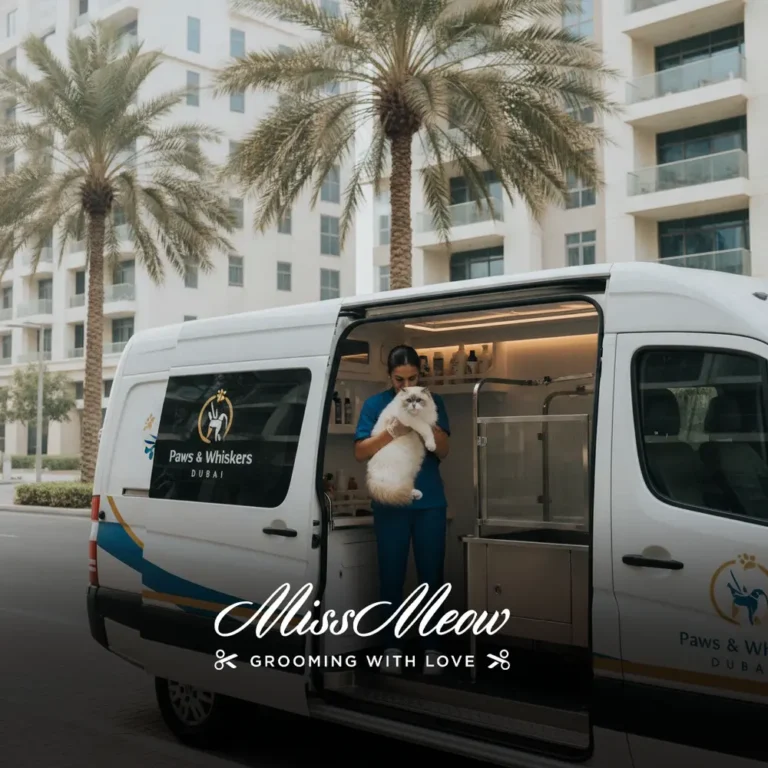
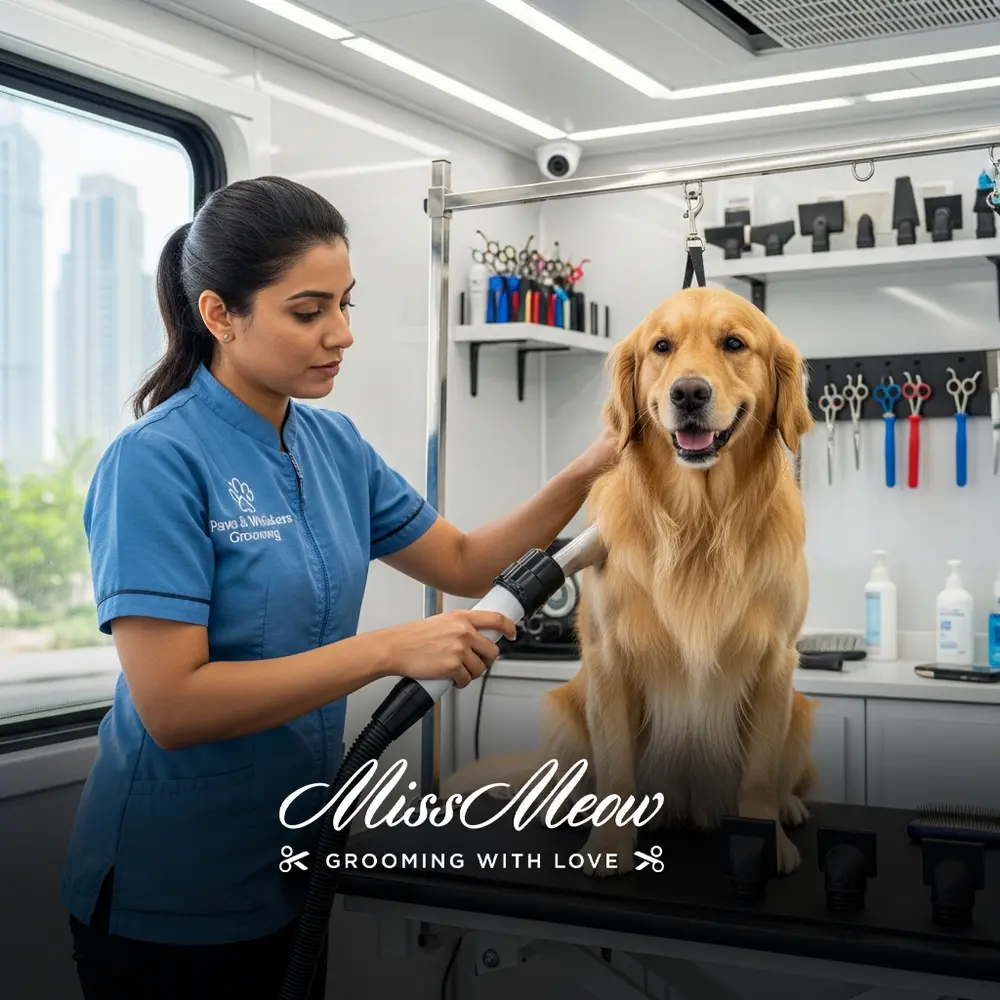
A Missmeow Grooming van is parked outside a JVC villa, the low hum of professional equipment a familiar sound. Inside, a groomer is methodically drying a spirited Miniature Poodle, ensuring every curl is fluffed and every inch of skin is dry. This professional approach highlights the sheer difference proper technique makes. While a towel removes surface moisture, it rarely gets to the root of the problem, particularly with thicker coats.
For home grooming, investing in a good quality pet-specific forced-air dryer is a game-changer. These aren’t like human hairdryers (which can be too hot and damage pet skin); they use high-volume, cooler air to blast water out of the coat without excessive heat. The key is to start with a thorough towel dry, squeezing as much water out as possible. Then, use the dryer, always keeping the nozzle moving, working section by section. For double-coated breeds, use a slicker brush simultaneously to lift the undercoat, allowing air to penetrate right down to the skin. This isn’t a quick job, but it’s essential for your pet’s health.
In my experience with anxious cats, sometimes the noise of a forced-air dryer can be intimidating. Starting with a lower setting, using calming pheromone sprays, or even doing short, positive drying sessions can help them acclimate. Patience is paramount.
It’s about more than just looking dry; it’s about *being* dry, deep within the coat layers.
The Right Tools for the Job
Beyond the pet dryer, microfiber towels absorb far more moisture than regular cotton towels. A good quality slicker brush and a wide-toothed comb are indispensable for detangling and opening up the coat, allowing air to circulate. Always check the temperature of the air coming from your dryer on your own skin first; it should feel comfortably warm, not hot. Overheating can cause skin burns and further damage.
Dealing with Different Coat Types
A short-haired Basset Hound still needs thorough drying, especially in their characteristic skin folds. For long-haired breeds like Afghan Hounds or Shih Tzus, careful brushing during drying prevents matting, which can trap moisture and harbor fungi. Even hairless breeds like Sphynx cats, while lacking fur, have skin folds that can trap moisture and require gentle, deliberate drying. Every pet is unique, and their drying routine should reflect that.
Professional Grooming: Your Best Defense Against Dampness
Regular professional grooming, particularly in a climate like Dubai’s, offers an unparalleled level of preventive care. Groomers are equipped with powerful, temperature-controlled dryers and have the expertise to thoroughly dry even the densest or most challenging coats. They know how to identify areas prone to dampness – armpits, groin, between paw pads, under the tail, and behind the ears – and ensure they are meticulously dried. This isn’t just a luxury; it’s a vital part of a comprehensive pet health regimen.
Professional groomers also regularly check for early signs of skin issues, including redness, flaking, or unusual odors that might indicate the beginning of a fungal or bacterial infection. They can recommend appropriate bathing frequencies and specific shampoos that help maintain skin health. This proactive approach is particularly beneficial in preventing fungal infections in pets before they become severe. For comprehensive cat grooming services or dog grooming, having a routine appointment truly makes a difference. Missmeow Grooming specializes in ensuring your pet leaves their dog grooming van in Dubai not just clean, but absolutely, thoroughly dry.
Daily Habits for a Dry, Healthy Pet
Beyond professional grooming, consistent home care is crucial. After every bath, every dip in the pool, or even a walk on a humid morning that leaves your pet damp, dedicate time to proper drying. Use a high-quality pet towel, then follow with a pet-specific dryer if your pet tolerates it. For dogs who enjoy a morning splash in their kiddie pool, or a quick rinse after a particularly dusty walk, make sure they are completely dry before settling down for a nap.
Regular brushing also helps. It removes loose fur and tangles, improving air circulation within the coat and reducing the chances of moisture getting trapped. If you notice your pet obsessively licking or scratching a particular area, or if you detect any unusual smells, it’s time to investigate further.
Checking for Early Signs
Be vigilant. Gently part your pet’s fur and examine their skin regularly. Look for any redness, flakes, scabs, pimples, or hair loss. Pay close attention to warm, dark areas like armpits, groin, paw pads, and ear flaps. A slightly yeasty smell can be an early indicator. Early detection makes treatment far easier and prevents prolonged discomfort for your pet. Catching these signs promptly is a testament to why proper drying prevents fungal infections in pets in the long run.
FAQs About Drying and Fungal Prevention
Q1: Can I use my human hairdryer on my pet?
A1: Absolutely not. Human hairdryers get far too hot for a pet’s skin. Their skin is thinner and more sensitive than ours, and you can easily cause burns or dry out their skin, leading to more problems. Always use a dryer designed specifically for pets, which uses cooler, high-volume air.
Q2: How often should I bathe my pet in Dubai?
A2: It really depends on your pet’s breed, coat type, activity level, and any skin conditions. For most healthy dogs, every 2-4 weeks is a good general guideline. Cats often need less frequent bathing, but long-haired breeds might benefit from monthly baths. The key is consistent thorough drying after every single bath. Your groomer can give you personalized advice.
Q3: My dog hates the dryer. What can I do?
A3: This is common! Start slow and make it positive. Introduce the dryer from a distance, on the lowest setting, with lots of treats and praise. Don’t force it. Gradually move closer, letting them sniff it, turning it on briefly. Short, frequent sessions are better than one long, stressful one. Consider a quiet, low-noise pet dryer. Sometimes, a professional groomer can achieve a thorough dry with less stress because they have specialized equipment and techniques.
Q4: How do I know if my pet has a fungal infection?
A4: Look for red, itchy, scaly patches, often circular, with hair loss. A strong, yeasty smell, especially in skin folds or ears, is another big clue. Your pet might be scratching, licking, or chewing excessively. If you suspect anything, a vet visit is essential for proper diagnosis and treatment.
Conclusion: A Dry Pet is a Happy, Healthy Pet
The relentless sun and pervasive humidity of the UAE make diligent pet care not just good practice, but an absolute necessity. The simple act of ensuring your pet is thoroughly dry after every encounter with water is one of the most effective shields against uncomfortable, costly, and potentially contagious fungal infections. It requires a bit more time, the right tools, and an understanding of your pet’s unique coat, but the peace of mind and your pet’s comfort are immeasurable rewards. Don’t underestimate the power of a complete dry; it truly is foundational to their well-being in our climate. If you’re looking to elevate your pet’s grooming routine and ensure they receive the best care to keep them clean, healthy, and dry, explore Miss Meow pricing and packages. Take the proactive step today to secure your pet’s health and comfort. Book a pet grooming appointment to give your pet the gift of a truly thorough dry.