How to Calm an Anxious Pet Before Grooming


How to Calm an Anxious Pet Before Grooming

For many pet parents, the mere mention of “grooming day” can conjure images of wrestling matches, frantic escapes, and heartbroken whines. It’s a scenario all too familiar: your beloved furry companion, usually so brave and confident, transforms into a trembling ball of nerves at the sight of clippers, a brush, or even the travel crate. Understanding how to calm an anxious pet before grooming isn’t just about making the groomer’s job easier; it’s about safeguarding your pet’s emotional well-being and strengthening the bond you share. After all, nobody wants their best friend to dread an essential part of their health and hygiene routine.

In fact, grooming, whether it’s a simple nail trim at home or a full pampering session at a professional salon, can be a source of significant stress for many animals. The unfamiliar smells, sounds, sensations, and even the presence of strangers can trigger a fight-or-flight response. But what if there was a way to turn this dreaded event into a more manageable, even positive, experience? This comprehensive guide will delve into practical, empathetic strategies designed to help you prepare your pet, ease their fears, and ensure a calmer, more comfortable grooming journey for everyone involved. Let’s embark on this mission to transform grooming anxiety into grooming zen.

The Root of the Wobble: Understanding Pet Grooming Anxiety

Before we can effectively address anxiety, we must first understand its origins. Pet grooming anxiety isn’t usually born out of malice; it stems from a place of fear, confusion, or past negative experiences. Imagine being held still by a giant, unfamiliar hands, while strange buzzing tools approach your fur and skin – it’s a lot to process for a creature that communicates primarily through body language and instinct. Common triggers can range from the noise of clippers and dryers, the restraint required for certain procedures, to unfamiliar environments and handlers. Some pets might also have had a painful experience, like a nail trimmed too short or a knot pulled roughly, leading to a lasting aversion.

Common Triggers for Grooming Stress

Dogs and cats alike can find various aspects of grooming overwhelming. For instance, the high-pitched whine of electric clippers can be frightening to sensitive ears, while the blast of a high-velocity dryer can be terrifying. Similarly, being lifted onto a grooming table, which can feel precarious, or having their paws handled can be deeply uncomfortable for many. For others, it might be the car ride to the groomer, the separation from their owner, or simply the presence of other animals in a new space. Recognizing these specific triggers in your pet is the first crucial step in learning how to calm an anxious pet before grooming effectively.

It’s vital to remember that anxiety isn’t a choice; it’s a genuine emotional response. Dismissing your pet’s fear only exacerbates it. Instead, adopting an empathetic approach, acknowledging their discomfort, and systematically working to alleviate it will yield the best results. Every wag of a tail or twitch of an ear tells a story; our job is to listen and respond with patience and understanding. Whether you opt for an in-home service or visit a salon, understanding your pet’s unique anxieties is paramount.

Proactive Steps: Setting the Stage for Serenity

The journey to a calm grooming experience begins long before the groomer arrives or you step out the door. Proactive preparation is key. This involves gradually introducing your pet to the sensations of grooming, ensuring they associate these experiences with positive outcomes rather than stress. Think of it as a long-term investment in their emotional well-being.

Desensitization and Positive Reinforcement: A Gradual Approach

Desensitization involves slowly exposing your pet to grooming tools and sensations in a non-threatening way, at their pace. Start by simply letting them sniff the clippers (unplugged!), brush, or towel. Offer treats and praise for calm investigation. Gradually, you can introduce the sound of the clippers from a distance, then closer, always pairing it with delicious rewards. The goal is to create a positive emotional response to these items. If you’re wondering about convenience, many pet owners in the region find that services like mobile pet grooming in Dubai can offer a less stressful environment, as the grooming takes place in the familiar surroundings of your home.

Positive reinforcement is your most powerful tool here. Every small step your pet takes towards tolerating a grooming sensation should be celebrated with high-value treats, verbal praise, and gentle petting. If they flinch or show signs of discomfort, stop immediately and try again later, taking a step back in the process. Never force or punish them, as this will only intensify their fear. Consistency is crucial; brief, daily sessions are far more effective than infrequent, long, stressful ones.

The Power of Touch: Acclimating Your Pet to Handling

A significant part of grooming involves being touched and handled, often in sensitive areas like paws, ears, tail, and muzzle. If your pet isn’t accustomed to this, it can be a major source of anxiety. Start practicing gentle handling from a young age, if possible. Regularly touch their paws, gently inspect their ears, and softly stroke their muzzle. Make these interactions pleasant, perhaps while cuddling on the couch or during playtime, always rewarding their calm acceptance. This helps build trust and makes the actual grooming process feel less invasive.

For cats, who can be particularly sensitive to handling, this might involve brief, soft strokes along their back and belly, gradually moving to their paws. Many cat grooming services recognize the unique challenges of feline anxiety and employ specific gentle handling techniques. The more comfortable your pet is with being touched all over, the less stressful grooming will be.

Creating a Calm Environment Before the Groomer Arrives

The immediate environment plays a huge role in your pet’s emotional state. Before the grooming session, whether it’s at home or a salon, creating a serene atmosphere can significantly help in how to calm an anxious pet before grooming. Think about sensory inputs: what they see, hear, and smell.

Scent-sational Solutions: Aromatherapy and Pheromones

Certain scents have a scientifically proven calming effect on animals. Lavender, for example, is often used in animal aromatherapy (ensure it’s pet-safe and properly diluted, or use products specifically designed for pets). Diffusers with calming essential oils can be introduced into the grooming area well in advance. Pheromone sprays or diffusers, like Adaptil for dogs or Feliway for cats, mimic the natural calming pheromones released by mothers, providing a sense of security and familiarity. Spray these on towels, bedding, or in the general area where grooming will occur, allowing time for them to take effect before the session.

Music and White Noise: A Symphony of Calm

Just as humans find certain music soothing, so too can pets. Classical music, reggae, or specially composed pet-calming music can help mask startling noises and create a more relaxed auditory environment. Playing this music at a low volume for an hour or so before grooming can work wonders. Alternatively, a white noise machine can help block out sudden external sounds that might trigger anxiety, allowing your pet to rest easier and feel more secure.

Pre-Grooming Rituals: Making the Experience Predictable and Positive

Pets thrive on routine and predictability. Establishing a consistent pre-grooming ritual can signal to your pet what’s coming, allowing them to mentally prepare and potentially reduce their anxiety. These rituals should always end with a positive reward.

Exercise and Play: Draining Excess Energy

A tired pet is often a calm pet. Before a grooming appointment, engage your dog in a vigorous walk, a lengthy play session at the park, or even a good run in the backyard. For cats, a stimulating play session with their favorite toy can help burn off nervous energy. The goal is to tire them out physically, making them more inclined to rest and less prone to agitation during the grooming process. Remember, a tired body often leads to a relaxed mind.

The Calming Effects of a Full Belly (or a Distraction Treat)

While you don’t want to overfeed your pet right before grooming (especially if car sickness is an issue), a light meal or a special treat given an hour or two prior can provide a sense of comfort and satisfaction. During the grooming itself, especially for shorter procedures like nail trims, high-value treats can be an incredibly effective distraction. A smear of peanut butter (xylitol-free!) on a Lickimat or a slow feeder can keep your pet happily engaged while the groomer works. This technique is especially useful when using a dog grooming van in Dubai, as the close quarters make distractions even more important.

Communication is Key: Briefing Your Groomer on Your Pet’s Needs

An often-overlooked aspect of how to calm an anxious pet before grooming is effective communication with your chosen groomer. They are professionals, but they aren’t mind-readers. Providing them with detailed information about your pet’s history, triggers, and preferences can make all the difference.

Before your appointment, have an honest conversation with your groomer. Explain what frightens your pet (e.g., the sound of the dryer, having their paws touched), what calms them down (e.g., a specific treat, a favorite toy, gentle strokes behind the ears), and any past negative experiences. Inquire about their approach to anxious animals. Do they use force-free methods? Are they comfortable taking breaks? Do they have quiet areas? A good groomer will appreciate this information and adjust their approach accordingly.

Choosing the Right Groomer: Empathy and Experience Matter

Not all groomers are created equal, especially when it comes to handling anxious or reactive pets. Look for groomers who prioritize your pet’s comfort over speed or aesthetic perfection. Ask about their certifications, experience with anxious animals, and their philosophy on handling. A truly empathetic groomer will take the time to build rapport with your pet, use gentle handling techniques, and be patient, even if it means the grooming takes longer. They might suggest multiple short sessions rather than one long, stressful one for severely anxious pets. When looking for a trusted partner, you might find that Missmeow Grooming stands out for its compassionate approach and experienced team.

Don’t hesitate to do a “meet and greet” where your pet can visit the salon or meet the mobile groomer without any actual grooming taking place. This allows them to become familiar with the environment and the person in a low-pressure setting. Understanding Miss Meow pricing and packages often includes options that cater to different needs, including those of anxious pets.

During the Grooming Process: Support and Reassurance (If You’re Present)

For some pets, having their owner present can be a source of comfort, while for others, it can heighten their anxiety (they might constantly try to get back to you, distracting the groomer). Discuss with your groomer whether your presence is helpful or a hindrance. If you are present, your role is to be a calm, reassuring anchor.

Maintain a relaxed demeanor. Your pet is incredibly attuned to your emotions, and if you’re anxious, they will pick up on it. Speak in a soothing, low voice, offering gentle praise and reassurance. If the groomer allows, you might be able to offer treats during particularly challenging parts of the process, always deferring to the groomer’s instructions for safety. Remember, your calm presence is a powerful tool in how to calm an anxious pet before grooming and even during the session itself.

Keeping Cool: Managing Your Own Anxiety

It’s natural to feel stressed when your pet is stressed. However, projecting your own anxiety onto your pet will only make matters worse. Take a few deep breaths. Remind yourself that the groomer is a professional, and they are working to help your pet. If you find yourself becoming overwhelmed, it might be best to step out of the room for a few moments, or leave your pet with the groomer and return later. Trusting the process and maintaining your own composure is a gift you give to your pet.

Post-Grooming Praise: Reinforcing a Positive Association

The grooming experience doesn’t end when the last snip is made. The post-grooming period is crucial for reinforcing a positive association. When your pet is returned to you, whether from the salon or the mobile van, shower them with praise, affection, and a special treat. Play their favorite game, go for a walk, or simply have a quiet cuddle session. The goal is to make the end of grooming synonymous with good things.

Avoid scrutinizing their haircut too much in front of them or making a big fuss if something isn’t perfect. Your focus should be on their emotional state. If they were anxious, acknowledge their bravery and reward them for getting through it. This helps build a positive memory of the entire event, making the next grooming session potentially less stressful.

When Professional Help is Needed: Consulting Your Vet or a Behaviorist

Despite your best efforts, some pets may exhibit severe grooming anxiety that doesn’t respond to at-home desensitization or environmental adjustments. In such cases, it’s crucial to seek professional help. Your veterinarian can rule out any underlying medical conditions that might be contributing to pain or discomfort during grooming. They can also discuss situational anxiety medications or supplements that might help take the edge off for extremely stressed animals.

For persistent behavioral issues, a certified veterinary behaviorist or professional pet trainer specializing in fear and anxiety can provide tailored strategies. They might introduce specific counter-conditioning exercises, teach advanced desensitization techniques, or help identify complex triggers you might have missed. Sometimes, a multi-faceted approach involving medication, behavior modification, and a highly patient groomer is required to truly address severe anxiety and ensure a pet’s welfare.

Final Thoughts on How to Calm an Anxious Pet Before Grooming

Learning how to calm an anxious pet before grooming is an ongoing process that requires patience, consistency, and a deep understanding of your pet’s individual needs. It’s about building trust, creating positive associations, and ensuring every interaction surrounding grooming is as low-stress as possible. Remember that every small victory, every tiny step your pet takes towards comfort, is a significant achievement.

By implementing these strategies, you’re not just preparing your pet for a haircut; you’re teaching them valuable coping skills and reinforcing your role as their protector and confidant. A calm pet leads to a happier pet parent and a more enjoyable experience for all involved. Don’t let grooming be a source of dread; transform it into an opportunity to strengthen your bond and ensure your furry friend lives a healthier, more comfortable life. If you’re ready to take the next step towards a smoother grooming experience, you can book a pet grooming appointment with confidence, knowing you’ve done your part to prepare your beloved companion.
The Right Time to Groom Puppies: Tips and Tricks


The Right Time to Groom Puppies: Tips and Tricks

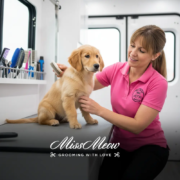
Bringing a new puppy into your home is an exhilarating experience, filled with boundless joy, playful antics, and, let’s be honest, a fair share of adorable chaos. Amidst the house-training, socialization, and endless games of fetch, one crucial aspect often puzzles new pet parents: grooming. When exactly is the right time to groom puppies? Is it something you jump into immediately, or do you wait until they’re older? This isn’t just about making your furry friend look good; it’s about their health, comfort, and the establishment of a lifelong positive routine. Understanding the optimal timing and methods for introducing your puppy to grooming can make all the difference, transforming what could be a stressful ordeal into a bonding experience.

Many new puppy owners assume grooming is simply about a fancy haircut once they’re big. However, the reality is far more nuanced. Grooming encompasses a range of activities, from nail trims and ear cleaning to brushing and bathing, each requiring its own gentle introduction and consistent practice. Starting early lays the foundation for a well-behaved adult dog who tolerates, and perhaps even enjoys, being handled. Neglecting early grooming can lead to matted fur, painful nails, skin issues, and a dog who dreads the grooming table, making future sessions a struggle for both of you. So, let’s delve into the specifics and uncover the expert tips and tricks to ensure your puppy’s grooming journey is a smooth, positive, and ultimately successful one.

Why Early Introduction to Puppy Grooming is Crucial

Think of it this way: would you wait until your child is a teenager to teach them about hygiene? Of course not! The same principle applies to our canine companions. Early exposure to grooming tools, sounds, and sensations helps desensitize puppies, making them more accepting of the process as they grow. Puppies, especially during their critical socialization period (roughly 3-16 weeks), are incredibly impressionable. Experiences during this window shape their perceptions of the world and how they react to new stimuli.

Introducing grooming early isn’t just about preventing fear; it’s also about establishing trust. When you gently handle their paws, ears, and mouth from a young age, they learn that your touch is safe and associated with positive reinforcement. This trust is invaluable, not only for regular grooming but also for veterinary visits or any situation where they need to be handled. Moreover, regular handling helps you, the owner, become familiar with your puppy’s body, enabling you to spot any unusual lumps, bumps, skin irritations, or parasites early on, which can be critical for their health. Waiting too long can mean dealing with an anxious, squirming adult dog, making even basic tasks like a nail trim a two-person job.

The Socialization Window and Grooming

As mentioned, the socialization window is paramount. During this time, puppies are sponges, absorbing everything around them. This is the prime opportunity to introduce them to the sights, sounds, and sensations of grooming in a calm, positive manner. This includes the whirring of clippers (even if not touching them yet), the feel of a brush, the splash of bathwater, and the sensation of having their paws gently squeezed. Short, frequent sessions are far more effective than long, infrequent ones. The goal isn’t to complete a full groom initially, but rather to create positive associations. Each interaction should end on a high note, perhaps with a treat or a favorite toy, reinforcing that grooming is a pleasant experience.

The Right Time to Groom Puppies: A Timeline for Key Tasks

While a general rule of thumb is to start as soon as your puppy is settled into your home, specific grooming tasks have their own ideal starting points. Let’s break down the timeline for each essential aspect of mobile pet grooming in Dubai.

Week 8-12: The Foundation Phase

This period is all about gentle introduction and positive reinforcement. Your puppy has likely just left their littermates and is navigating a new world. Overwhelming them with a full grooming session is counterproductive. Instead, focus on short, positive interactions.

Brushing: Start Immediately

As soon as your puppy comes home, typically around 8 weeks, you can begin introducing them to a soft puppy brush. Even short-haired breeds benefit from brushing, as it stimulates circulation and removes loose hair. For long-haired breeds, this is absolutely essential to prevent matting. Start with just a few gentle strokes, rewarding them with praise and a treat. Keep sessions very brief, perhaps 30 seconds to a minute, and gradually increase the duration as they become more comfortable. This early habituation makes future brushing sessions much easier and can turn it into a soothing ritual for both of you.

Nail Trimming: Early and Often

Puppy nails are sharp! More importantly, getting them used to having their paws handled and nails trimmed early is crucial. You can start gently touching their paws and separating their toes around 8 weeks. Once they are comfortable with this, introduce the clippers (even if you don’t cut anything initially). Let them sniff the clippers, click them (without cutting) so they get used to the sound, and reward them. When you do start trimming, take off only the very tips. If you’re unsure, ask your vet or a professional groomer for a demonstration. Frequent, tiny trims are better than infrequent, traumatic ones. Aim for every 1-2 weeks.

Ear Cleaning: Gentle Exploration

Many puppies don’t need extensive ear cleaning early on, but it’s important to get them used to having their ears touched and inspected. Gently lift their ear flaps, look inside, and softly massage the base of their ears. If you see dirt or wax, you can use a vet-approved ear cleaner and a cotton ball, never a Q-tip, which can push debris deeper. Again, positive reinforcement is key. If your puppy has floppy ears, which are more prone to infections, this early habituation is even more vital.

Teeth Brushing: The Sooner, The Better

Dental hygiene is often overlooked in puppies, but it’s incredibly important for preventing future dental disease. You can start introducing your puppy to a puppy toothbrush and enzymatic toothpaste (never human toothpaste!) as early as 8-10 weeks. Begin by letting them lick the toothpaste off your finger, then slowly introduce the brush for very short periods, focusing on the outside surfaces of their teeth. This is another area where consistency from a young age pays huge dividends later on.

Week 12-16: First Professional Grooming Visit (Optional, but Recommended)

Around 12-16 weeks, once your puppy has completed their initial vaccination series and has been deemed safe to interact with other dogs and environments, consider their first “puppy trim” or “bath and tidy” at a professional grooming salon. This isn’t about a full haircut necessarily, but more about a positive introduction to the professional grooming environment.

A reputable groomer understands puppy psychology. They’ll introduce your puppy to the grooming table, the bath, the blow dryer (on a low setting), and the sound of clippers in a stress-free manner. This early exposure, handled by an experienced professional, can significantly reduce anxiety about future grooming sessions. They can also offer advice on proper tools for your puppy’s coat type and demonstrate techniques. This first visit is often shorter and less intensive than a full adult groom, focusing on positive exposure rather than perfection. Missmeow Grooming, for example, offers tailored experiences to ensure even the youngest pups feel comfortable and safe during their first encounters.

Why a Professional Groomer is a Smart Choice

While you can certainly handle basic grooming at home, there’s undeniable value in professional services, especially for a puppy’s first experiences. Professionals have specialized equipment, from hydraulic tables to powerful yet quiet dryers, and, most importantly, the expertise to handle nervous puppies gently and effectively. They can spot potential health issues that might be missed by an untrained eye and offer guidance specific to your puppy’s breed and coat type. For those seeking convenience, services like a dog grooming van in Dubai can bring the salon experience right to your doorstep, minimizing travel stress for your little one.

Month 4-6 Onwards: Regular Grooming Schedule

By this stage, your puppy should be fairly comfortable with home grooming tasks. Depending on their breed and coat type, you’ll establish a more regular professional grooming schedule.

First Haircut (If Applicable)

For breeds that require haircuts (e.g., Poodles, Shih Tzus, Bichon Frises), the first full haircut typically happens around 4-6 months of age. This is when their “puppy coat” starts to give way to their adult coat, which can be prone to matting. A professional groomer will know how to manage this transition, ensuring the first haircut is a positive experience.

Bathing: As Needed, With Care

Generally, puppies don’t need frequent baths unless they’ve gotten particularly dirty. Over-bathing can strip their skin of natural oils, leading to dryness and irritation. Aim for once a month or every few weeks, depending on their activity level and coat type. Always use a puppy-specific shampoo and conditioner, and ensure the water temperature is lukewarm. Thoroughly rinse all shampoo out to prevent skin irritation. Make bath time fun with gentle praise and toys.

Tips and Tricks for Successful Puppy Grooming

Beyond the timing, the “how” of grooming your puppy is equally important. These tips will help you create a positive and stress-free experience:

1. **Keep it Positive:** Always associate grooming with positive experiences. Use high-value treats, praise, and gentle, soothing tones. If your puppy shows signs of stress, stop, comfort them, and try again later for a shorter duration.

2. **Short and Sweet Sessions:** Especially in the beginning, keep grooming sessions very brief. A few minutes of brushing or a quick paw check is better than a long, struggling session that ends negatively. Gradually increase the duration as your puppy’s comfort level grows.

3. **Invest in the Right Tools:** Use puppy-appropriate brushes, combs, nail clippers, and shampoos. High-quality tools designed for puppies are gentler and more effective, reducing the risk of discomfort or injury. For specific needs, consider consulting with a professional. While this article focuses on puppies, it’s worth noting that services for cat grooming services also emphasize specialized tools for different coat types and temperaments.

4. **Introduce Tools Slowly:** Let your puppy sniff and investigate grooming tools before you use them. Let them hear the sound of clippers or a low-setting dryer from a distance, gradually bringing it closer. The element of surprise can be a major source of fear.

5. **Practice Handling:** Even when not grooming, regularly touch your puppy’s paws, ears, tail, and mouth. This desensitizes them to being handled and makes actual grooming tasks much easier. Make it a part of your daily bonding time.

6. **Create a Calm Environment:** Choose a quiet, familiar space for grooming. Avoid loud noises or distractions that might startle your puppy. A non-slip mat on a table can provide stability and comfort.

7. **Know When to Stop:** If your puppy becomes overly stressed, anxious, or aggressive, it’s okay to stop. Pushing them too far can create lasting negative associations. Take a break and try again later when both of you are calmer. Sometimes, a professional touch is needed if a puppy becomes too resistant.

8. **Consistency is Key:** Regular grooming, even just a quick brush daily, reinforces the routine and keeps your puppy’s coat in good condition. The more consistent you are, the more accepting they will become.

Common Puppy Grooming Mistakes to Avoid

Even with the best intentions, new puppy owners can fall into common traps. Being aware of these can help you steer clear of them:

1. **Waiting Too Long:** This is perhaps the most significant mistake. As discussed, delaying grooming until your puppy is older makes the process exponentially harder and more stressful for everyone involved. The right time to groom puppies is always sooner rather than later.

2. **Using Human Products:** Never use human shampoo, conditioner, or toothpaste on your puppy. Their skin pH is different, and human products can cause severe irritation, dryness, or even poisoning if ingested (in the case of toothpaste).

3. **Forcing the Issue:** If your puppy is truly terrified, forcing them into a grooming session will only escalate their fear and potentially lead to behavioral issues or even aggression. Patience and positive reinforcement are crucial.

4. **Neglecting Specific Areas:** Don’t just focus on the visible coat. Nails, ears, and teeth often get overlooked until a problem arises. Incorporate these into your routine from day one.

5. **Using the Wrong Tools:** Incorrect brushes can pull hair and hurt skin. Dull nail clippers can split nails. Investing in quality, breed-appropriate tools is essential for effective and comfortable grooming.

6. **Ignoring Matting:** For long-haired breeds, even small mats can quickly turn into large, painful tangles. If you find a mat, try to gently work it out with a detangling spray and a comb. If it’s too severe, do not attempt to cut it out with scissors yourself, as you risk cutting your puppy’s skin. This is a job for a professional groomer.

When to Call in the Professionals for Puppy Grooming

While DIY grooming is important for bonding and basic maintenance, there are times when professional expertise is invaluable. If your puppy has a thick or challenging coat, extreme fear of certain grooming tasks, or if you simply feel overwhelmed, a professional groomer can be a lifesaver. They have the knowledge, experience, and specialized equipment to handle even the most reluctant pups safely and effectively. Many professional grooming services, like those offered by Missmeow Grooming, are designed to make the experience as stress-free as possible for your young companion.

Before booking, inquire about their experience with puppies and their approach to first-time grooms. A good groomer will prioritize a positive experience over a perfect haircut for a puppy’s initial visit. They can also provide guidance on maintaining your puppy’s coat between visits and recommend specific products or techniques. To understand the options available, you might want to look into Miss Meow pricing and packages.

Building a Lifetime of Good Grooming Habits

The journey of grooming your puppy is a marathon, not a sprint. It’s about consistency, patience, and positive reinforcement. Every gentle brush stroke, every tiny nail trim, and every calm bath contributes to building a foundation of trust and good habits that will last a lifetime. A well-groomed dog is not just aesthetically pleasing; they are healthier, happier, and more comfortable. They are also more enjoyable to live with, as regular grooming reduces shedding, keeps their skin healthy, and prevents painful issues like matted fur or overgrown nails.

Remember, the goal is to make grooming a pleasant, routine part of your puppy’s life. By starting early, being patient, and knowing when to seek professional help, you’re setting your furry friend up for a lifetime of comfortable and happy grooming experiences. So, take that brush, grab those treats, and embark on this wonderful bonding journey with your little one. If you’re ready to ensure your puppy gets the best start possible, don’t hesitate to book a pet grooming appointment with experienced professionals who understand the nuances of puppy care.

In conclusion, the right time to groom puppies isn’t a single moment but a continuous process that begins the day they arrive home. It’s an investment in their well-being, their behavior, and your shared future. Happy grooming!


How to Schedule Grooming for Large Breeds


How to Schedule Grooming for Large Breeds

Owning a large breed dog is an absolute joy, isn’t it? Their majestic presence, their gentle giants’ hearts, and often, their incredible capacity for snuggles are simply unmatched. But let’s be honest, those magnificent coats and sturdy frames come with their own unique set of responsibilities, especially when it comes to grooming. It’s not just about aesthetics; it’s fundamentally about their health, comfort, and well-being. And for large breeds, with their sheer volume of fur, powerful nails, and often, a disdain for small bathtubs, establishing an effective grooming schedule isn’t just a recommendation—it’s a necessity. This comprehensive guide will walk you through precisely how to schedule grooming for large breeds, ensuring your beloved companion stays happy, healthy, and impeccably presented, without turning grooming day into a wrestle match.

Many pet parents of larger dogs might feel overwhelmed by the prospect. After all, a quick brush for a Chihuahua is a vastly different endeavor than a full grooming session for a Newfoundland. But with the right approach, understanding your dog’s specific needs, and a dash of consistency, you can transform grooming from a chore into a routine that both you and your dog appreciate. We’ll delve into everything from breed-specific considerations to the nitty-gritty of bathing, brushing, nail care, and even the often-overlooked aspects of dental and ear hygiene. So, let’s embark on this journey to master the art of scheduling grooming for our larger-than-life canine companions.

Understanding Your Large Breed’s Unique Needs

Before we even think about setting up a calendar, the first crucial step in learning how to schedule grooming for large breeds is to truly understand the individual requirements of your dog. Not all large breeds are created equal, and what works for a short-coated Mastiff won’t necessarily apply to a fluffy Bernese Mountain Dog.

Coat Type Matters Immensely

This is perhaps the biggest differentiator. Large breeds come in a dazzling array of coat types, each demanding particular attention:

  • Double-Coated Giants: Think Huskies, Malamutes, Newfoundlands, Great Pyrenees, and Bernese Mountain Dogs. These breeds boast a dense, insulating undercoat and a coarser topcoat. Their grooming needs are primarily centered around managing shedding, preventing matting, and ensuring their coat can regulate temperature effectively. Regular, thorough brushing is non-negotiable, often daily, to remove loose undercoat and prevent painful mats. De-shedding tools are your best friend here.
  • Long-Haired Beauties: Old English Sheepdogs, Standard Poodles (when kept long), and even some retrievers can fall into this category. These coats are prone to tangles and mats, especially in areas of friction like armpits, behind the ears, and around the tail. Daily brushing with a slicker brush and comb is essential, as is regular trimming to maintain a manageable length and prevent debris from getting embedded.
  • Short-Coated Powerhouses: Breeds like Great Danes, Boxers, Rottweilers, and Greyhounds might seem low-maintenance, but they still shed! While they don’t typically mat, regular brushing (at least weekly) with a rubber curry brush or grooming mitt helps remove loose hair, distribute natural oils, and promote a healthy shine. They also benefit from routine baths to keep their skin clean and healthy.
  • Wiry-Coated Characters: Airedale Terriers and Giant Schnauzers, for example, have distinct wiry coats that require regular stripping (either hand-stripping or machine clipping) to maintain texture and health. This isn’t a DIY job for most and often requires a professional groomer.

Size and Strength Considerations

It’s an obvious point, but one often underestimated: large dogs are, well, large. This means bathing them can be an Olympic-level feat in a standard tub. Drying them takes longer. Lifting them onto a grooming table (if you’re brave enough to attempt DIY) requires significant strength. Their nails are thicker and harder, making trimming more challenging. Their sheer size dictates that grooming equipment needs to be robust and effective.

Temperament and Training

How does your big dog feel about being handled? Early positive exposure to grooming tools and being touched all over their body makes a world of difference. A well-socialized and desensitized large breed is much easier to groom, whether by you or a professional. If your dog is anxious or reactive, grooming becomes not just physically challenging but also emotionally demanding for both of you. Patience, positive reinforcement, and gradual introduction are key.

Developing a Consistent Large Breed Grooming Schedule

Once you’ve assessed your dog’s specific needs, it’s time to map out a routine. Consistency truly is the cornerstone of successful large breed grooming. It prevents problems from escalating, keeps your dog comfortable, and ultimately saves you time and stress in the long run.

General Frequency Guidelines (A Starting Point)

  • Brushing: This is your most frequent task.
    • Daily: For double-coated, long-haired, or high-shedding breeds (e.g., Newfoundlands, Huskies, Goldens). This prevents mats and manages shedding effectively.
    • 2-3 Times Per Week: For medium-length coats or those prone to some tangling (e.g., some Labs, Collies).
    • Weekly: For short-coated breeds (e.g., Great Danes, Boxers). This removes loose hair and maintains skin health.
  • Bathing:
    • Every 4-8 Weeks: This is a common interval for most large breeds, depending on their activity level, coat type, and how quickly they get dirty. Over-bathing can strip natural oils, leading to dry skin, so always use a high-quality dog shampoo.
    • As Needed: If your dog rolls in something particularly unsavory or has specific skin conditions requiring more frequent medicated baths (consult your vet).
  • Nail Trimming:
    • Every 2-4 Weeks: Large breed nails grow quickly and can become problematic if neglected. Long nails can cause pain, affect gait, and even lead to skeletal issues over time. If you hear their nails clicking on hard floors, they’re too long.
  • Ear Cleaning:
    • Monthly or Bi-Weekly: Especially important for breeds with floppy ears (e.g., Bloodhounds, Basset Hounds, Golden Retrievers) or those prone to ear infections. Use a veterinarian-approved ear cleaner and cotton balls—never cotton swabs deep in the canal.
    • As Needed: If you notice dirt, odor, or excessive scratching.
  • Dental Care:
    • Daily or Every Other Day: Brushing your dog’s teeth is the gold standard for preventing plaque and tartar buildup, which can lead to serious health issues. Use a dog-specific toothbrush and toothpaste.
    • Yearly Professional Cleanings: Often recommended by vets, especially as your dog ages, to address buildup that at-home care can’t tackle.

Seasonal Adjustments

The seasons can dramatically impact your large breed’s grooming needs. In spring, double-coated breeds experience their heaviest “blowing out” of their winter undercoat, requiring intensified brushing and de-shedding efforts. Summer might mean more frequent baths if your dog enjoys swimming or gets dirty easily, or perhaps even a professional “tidy up” trim for long-haired breeds to help them stay cooler. Winter, while seemingly less demanding, can still bring its challenges, like dry skin from indoor heating or snow/ice buildup in paw pads.

The “What” and “How” of Large Breed Grooming Tasks

Now that we have a frequency guide, let’s break down the actual tasks involved in scheduling grooming for large breeds and how to approach them effectively.

Bathing Strategies for Giants

This is often the most daunting task. Forget the kitchen sink! Options include:

  • Walk-in Shower/Bathtub: If you have one, this is often the easiest at home. Use a non-slip mat and a handheld shower sprayer.
  • Outdoor Washing Station: Great for warmer weather. A garden hose with a spray nozzle and a designated washing area works wonders.
  • Self-Service Dog Washes: Many pet stores offer elevated tubs, professional dryers, and all the supplies you need for a reasonable fee. This eliminates the mess at home.

Always use dog-specific shampoos and conditioners. Lather thoroughly, paying attention to armpits, groin, and tail. Rinse, rinse, and rinse again until the water runs clear—shampoo residue can irritate skin.

Brushing: A Daily Ritual for Many

This isn’t just about beauty; it’s about health. Regular brushing prevents mats, removes loose hair, stimulates the skin, and distributes natural oils. Invest in the right tools: a slicker brush for detangling and removing undercoat, a wide-toothed comb for checking for mats, and a de-shedding tool (like a rake or a shedding blade) for double-coated breeds. Make it a positive experience with treats and praise.

Nail Trimming: The Often-Dreaded Task

Large breed nails can be thick and dark, making the quick (the sensitive part) hard to see. If you’re unsure, or your dog is resistant, seek professional help. Tools include guillotine-style clippers, scissor-style clippers (often preferred for large, thick nails), or a Dremel-style grinder. The grinder is often less stressful for dogs and can create smoother nails. Always have styptic powder on hand in case you nick the quick. If you live in a city like Dubai, finding specialized help for this can be crucial. If you’re looking for professional help, mobile pet grooming in Dubai can be an excellent, stress-free option for your large companion.

Ear Cleaning and Health Checks

Check ears weekly for redness, odor, or discharge—signs of infection. For cleaning, moisten a cotton ball with a vet-approved ear cleaner and gently wipe the visible parts of the ear. Never insert anything deep into the ear canal. For dogs with long, floppy ears, ensure they are dried thoroughly after baths or swims to prevent moisture buildup.

Dental Hygiene: More Than Just Bad Breath

Periodontal disease is incredibly common in dogs and can lead to serious systemic health issues. Daily brushing is ideal. Introduce it slowly, starting with just putting toothpaste on your finger, then a finger brush, and finally a dog toothbrush. Dental chews, water additives, and specialized diets can help, but they are generally supplementary to brushing, not a replacement.

De-shedding and Dematting: Essential for Comfort

For large, heavily coated breeds, professional de-shedding treatments can significantly reduce the amount of fur around your home and keep your dog more comfortable. Dematting should always be done with extreme care; if mats are severe or close to the skin, it’s often kinder and safer to have them professionally shaved out rather than painfully brushed through.

Choosing the Right Grooming Partner: Professional vs. DIY

When considering how to schedule grooming for large breeds, you’ll inevitably weigh the DIY approach against professional services. Both have their merits, and often, a hybrid approach works best.

DIY: Pros and Cons

Pros: You save money, you build a stronger bond with your dog, and you have complete control over the timing.

Cons: It’s physically demanding, requires an investment in quality tools, and you might lack the expertise for complex tasks like intricate trims or severe matting. Plus, the mess!

Professional Groomers: When to Call the Experts

For many large breed owners, a professional groomer is invaluable. They have the specialized equipment (hydraulic tables, high-velocity dryers, industrial tubs), expertise, and often the sheer physical strength to handle even the most boisterous giants. They can perform services like full baths, de-shedding treatments, intricate trims, nail grinding, and thorough health checks that might be difficult or impossible at home.

Look for groomers experienced with large breeds. Ask about their facilities, their handling techniques, and their philosophy on challenging dogs. Reputable groomers prioritize your dog’s comfort and safety above all else. For instance, dog grooming van in Dubai services offer unparalleled convenience, bringing the entire salon experience right to your doorstep, which can be a game-changer for large dogs who might be stressed by car rides or traditional salon environments. Missmeow Grooming, for example, specializes in providing a calm, one-on-one experience that minimises stress for your big dog.

Even if you handle daily brushing at home, consider professional services for baths, de-shedding, and nail trims every 4-8 weeks. This allows you to maintain the basics while relying on experts for the more arduous or specialized tasks. And while this article focuses on canines, for households with multiple pets, it’s worth noting that many professional services, like Missmeow’s, also offer top-notch cat grooming services, ensuring all your furry friends are covered.

Troubleshooting Common Scheduling Challenges

Let’s be real, life happens. Even with the best intentions, maintaining a strict grooming schedule for a large breed can present challenges. Here’s how to navigate them.

Time Constraints

Grooming a large dog isn’t a five-minute job. It requires dedicated time. If your schedule is packed, this is where professional groomers, particularly mobile services, shine. They save you travel time and often offer flexible appointment slots. If you’re doing it yourself, break tasks down: brush in the morning, clean ears in the evening, tackle nails on a different day. Don’t try to do everything at once if time is short.

Budget Considerations

Professional grooming for a large breed can be an investment. To manage costs, consider a hybrid approach: do the daily brushing and perhaps some light bathing at home, then schedule professional full grooms less frequently (e.g., every 8-10 weeks instead of 4-6). Many groomers offer packages or loyalty programs that can help reduce the per-session cost. Always inquire about options like Miss Meow pricing and packages to find a plan that fits your budget without compromising your dog’s needs.

Behavioral Issues

A large dog who dislikes grooming can turn a routine task into a battle. Patience, positive reinforcement, and gradual desensitization are crucial. If severe anxiety or aggression is present, consult with a professional dog trainer or a veterinary behaviorist before attempting to force grooming. A skilled professional groomer, especially one with experience in fear-free handling, can often work wonders. They understand body language and can adapt their techniques to make the experience less stressful. Sometimes, a gentle sedative prescribed by your vet might be necessary for specific tasks.

Finding Available Appointments

Large breed grooming appointments typically take longer and require specialized space, so slots can fill up fast, especially with reputable groomers. Plan ahead! Book your next appointment before you leave the current one. If you’re seeking to book a pet grooming appointment, especially for a large breed, giving ample notice is always a good idea to secure your preferred time and day.

The Undeniable Benefits of a Consistent Grooming Routine

Why go through all this effort? The advantages of a well-maintained grooming schedule for your large breed extend far beyond just having a clean, good-looking dog.

Health and Hygiene

Regular grooming prevents painful matting that can pull on the skin and hide parasites or skin infections. It allows for early detection of lumps, bumps, hot spots, rashes, or external parasites like fleas and ticks. Clean ears reduce the risk of infections, and healthy teeth prevent serious dental disease that can impact heart, kidney, and liver function. Proper nail length prevents discomfort, splayed toes, and potential joint issues.

Comfort and Well-being

Imagine wearing a matted, itchy sweater 24/7—that’s what a neglected coat feels like to your dog. A clean, brushed, and trimmed coat allows for better air circulation, helps regulate body temperature, and simply feels more comfortable. Long, overgrown nails can make walking painful and awkward, reducing your dog’s desire to exercise and play.

Strengthening the Bond

Grooming sessions, when approached calmly and positively, become another opportunity for bonding. Gentle brushing, affectionate ear rubs, and even careful nail trimming performed with patience and praise can strengthen the trust between you and your large companion. It’s dedicated one-on-one time that speaks volumes of your care and attention.

Early Detection of Issues

Because you (or your groomer) are regularly touching and examining your dog’s entire body, you’re much more likely to notice subtle changes. A new lump, a tender spot, an unusual smell from an ear, or a change in skin texture can all be early indicators of health problems that can be addressed promptly by your veterinarian, often leading to better outcomes.

Conclusion: Mastering the Art of Scheduling Grooming for Large Breeds

Successfully figuring out how to schedule grooming for large breeds is a significant commitment, but one that pays dividends in your dog’s health, happiness, and your peace of mind. It’s not a one-size-fits-all solution; it requires understanding your dog’s unique coat, temperament, and activity level. By implementing a consistent routine of brushing, bathing, nail care, and ear and dental hygiene, you’re not just maintaining their appearance; you’re proactively safeguarding their overall well-being.

Whether you choose to embrace the challenge of DIY grooming, rely entirely on the expertise of professional groomers, or adopt a balanced hybrid approach, the key is consistency and care. Remember, a well-groomed large breed isn’t just a testament to your dedication; it’s a comfortable, confident, and healthier companion ready to share many more years of joyful adventures by your side. So, grab your brushes, schedule those appointments, and give your magnificent large dog the comprehensive care they truly deserve!


Grooming for Shih Tzus: What Makes Them Special


Grooming for Shih Tzus: What Makes Them Special

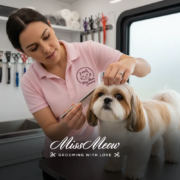
Ah, the Shih Tzu! With their flowing locks, charming personalities, and those perpetually sweet, often hidden eyes, they are undeniably one of the most captivating dog breeds. But behind that adorable facade lies a secret: a coat that demands attention, love, and a consistent grooming regimen. If you’ve ever wondered why grooming for Shih Tzus isn’t just a chore but an art form, you’re in the right place. Their unique physical characteristics, from their luxurious double coat to their brachycephalic (short-nosed) structure, make their grooming needs truly special and distinct from many other breeds. It’s not merely about aesthetics; it’s intrinsically linked to their health, comfort, and overall well-being. Let’s delve into the wonderful world of Shih Tzu grooming and uncover what sets these little emperors apart.

The Shih Tzu’s Majestic Coat: A Double-Edged Sword

The hallmark of the Shih Tzu is, without a doubt, its magnificent, flowing double coat. Bred for centuries to live indoors as pampered companions, their hair was designed to be long and luxurious, cascading to the floor in a show-stopping display. This isn’t just fur; it’s a testament to their regal heritage. However, this same beauty comes with significant responsibility. The Shih Tzu’s coat is composed of a soft, downy undercoat and a longer, silken outer coat. This combination, while stunning, is highly prone to tangling and matting if not meticulously cared for. Imagine wearing a silk gown over a fluffy wool sweater – that’s essentially what a Shih Tzu experiences, and without proper management, knots can form quickly, becoming uncomfortable and even painful.

Unlike many breeds that shed seasonally, Shih Tzus are often considered “low-shedding” dogs, which is fantastic news for allergy sufferers. But don’t be fooled; “low-shedding” doesn’t mean “no maintenance.” Instead of shedding individual hairs, their loose hair tends to get caught within the existing coat, forming mats if not brushed out regularly. This unique hair texture and growth pattern are fundamental to understanding what makes grooming for Shih Tzus so incredibly special. It requires a dedicated approach that goes beyond a simple weekly brush; it’s a lifestyle commitment to keeping their coat healthy, untangled, and gleaming.

Understanding the Shih Tzu’s Grooming Needs: More Than Just a Trim

To truly appreciate the effort involved in maintaining a Shih Tzu, one must understand that their grooming routine encompasses much more than just a trip to the salon every few months. It’s an ongoing process that includes daily brushing, regular bathing, and specialized attention to their eyes, ears, and teeth. Neglecting any of these areas can lead to a host of problems, from skin infections hiding beneath matted fur to painful dental issues. So, what exactly does this comprehensive care entail?

Daily Brushing: The Cornerstone of Shih Tzu Coat Health

Let’s be honest, daily brushing might sound like a lot, but for a Shih Tzu, it’s non-negotiable. Their double coat, as we’ve discussed, is a magnet for tangles. A quick, thorough daily session (10-15 minutes, perhaps while you’re watching TV) can prevent hours of painful dematting later. The goal is to reach down to the skin, ensuring no knots are lurking close to the body, as these are the ones that quickly become problematic mats. Skipping even a few days can lead to significant issues, particularly in areas like behind the ears, armpits, and under the tail. It’s a habit that forms the backbone of successful grooming for Shih Tzus, keeping their fur free-flowing and their skin healthy.

Bathing Your Shih Tzu: A Delicate Dance

Given their long, floor-skimming coats, Shih Tzus can pick up dirt and debris quite easily. Regular bathing is therefore essential, typically every 2-4 weeks, depending on their lifestyle. This isn’t a quick dunk and rinse, though. It’s a delicate process that requires patience and the right products. Always use a high-quality dog shampoo and conditioner specifically formulated for long-haired breeds or sensitive skin. Never use human products, as they can strip natural oils and irritate their skin. When shampooing, gently work the lather through the coat, avoiding harsh scrubbing that can cause tangles. Pay particular attention to rinsing thoroughly; any leftover shampoo can lead to skin irritation and dullness. This careful approach to bathing truly highlights what makes grooming for Shih Tzus such a unique endeavor.

Drying and Detangling: The Post-Bath Ritual

The drying process after a bath is just as crucial as the bath itself. Leaving a Shih Tzu’s dense coat to air dry completely is a recipe for matting disaster. Instead, gently blot their fur with a towel – never rub vigorously. Follow up with a low-heat hairdryer, brushing as you go. This technique helps to straighten the hair and prevent tangles from forming as it dries. Use a pin brush or a slicker brush, always brushing in the direction of hair growth, working in small sections. A good quality metal comb is also indispensable for checking for any missed tangles, especially in delicate areas. It’s during this stage that you really set the stage for a beautifully groomed Shih Tzu.

The Art of the Trim: Styling for Health and Comfort

While some Shih Tzu owners adore the full, show-length coat, many opt for more practical trims, especially for pets who live active lives. These “pet cuts” or “puppy cuts” keep the hair shorter, making daily maintenance significantly easier. Trimming around the eyes is paramount to prevent hair from irritating their corneas, which can lead to discomfort or even serious eye issues. Similarly, keeping the hair short around their paws prevents slipping and dirt accumulation, and a sanitary trim around their rear end helps maintain hygiene. Understanding the various cuts and their benefits is a key part of what makes grooming for Shih Tzus a tailored experience for each individual dog.

Essential Grooming Tools for Shih Tzus: Your Arsenal for a Happy Pup

To embark on the journey of Shih Tzu grooming, you’ll need the right equipment. Think of it as a chef needing the right knives; without them, the task becomes much harder, if not impossible. Investing in good quality tools will not only make the process smoother for you but also more comfortable for your beloved companion.

  • **Pin Brush:** Ideal for general brushing and working through the longer parts of their coat. Look for one with rounded pins to avoid scratching the skin.
  • **Slicker Brush:** Excellent for removing loose undercoat and teasing out minor tangles, especially useful after bathing.
  • **Metal Comb:** A fine-toothed metal comb is your best friend for finding and gently working out small knots, particularly around the face, ears, and tail.
  • **Dog Shampoo and Conditioner:** As mentioned, choose formulations for long hair or sensitive skin. Look for tearless options for their face.
  • **Blunt-Nosed Scissors:** Essential for carefully trimming hair around the eyes and paws. The blunt tips prevent accidental pokes.
  • **Nail Clippers or Grinder:** Keeping nails short is vital for paw health and comfort. A grinder can be less intimidating for some dogs and owners.
  • **Ear Cleaner:** A vet-approved solution to keep their floppy ears clean and free from infection.

Having these tools on hand is not just about convenience; it’s about preparedness. A well-equipped grooming kit ensures you’re ready to tackle any grooming challenge, making the entire experience less stressful for both you and your Shih Tzu. These specialized tools truly underline what makes grooming for Shih Tzus a task requiring specific considerations.

Beyond the Fur: Holistic Grooming for Shih Tzus

While the coat often steals the spotlight, a truly special approach to grooming for Shih Tzus encompasses more than just their luxurious mane. Their unique anatomy requires specific attention to several other areas, ensuring their overall health and happiness.

Ear Care: Preventing Infections in Those Floppy Ears

Shih Tzus have adorable floppy ears, which, while cute, create a warm, moist environment perfect for yeast and bacteria to thrive. Regular ear cleaning is crucial to prevent uncomfortable and painful ear infections. Weekly checks and cleaning with a vet-approved ear solution can make a world of difference. Gently wipe the visible part of the ear canal and outer ear with a cotton ball or gauze soaked in the cleaner. Never insert anything deep into the ear canal. If you notice redness, a foul odor, or excessive head shaking, it’s time for a vet visit.

Dental Hygiene: A Crucial but Often Overlooked Aspect

Brachycephalic breeds like Shih Tzus are particularly prone to dental issues due to their crowded mouths. Their teeth are often packed tightly, leading to increased plaque and tartar buildup. Daily tooth brushing with dog-specific toothpaste is the gold standard for preventing dental disease. Dental chews and water additives can help, but they are not a substitute for regular brushing. Poor dental hygiene can lead to painful infections, tooth loss, and even impact their overall systemic health. This is an area where proactive care truly pays off.

Nail Trimming: Keeping Paws Healthy and Comfortable

Overgrown nails can be incredibly uncomfortable, altering a dog’s gait and potentially leading to splayed toes or paw injuries. Regular nail trimming, typically every 2-4 weeks, is essential. If you can hear their nails clicking on the floor, they’re too long. For Shih Tzus, whose nails often have dark quicks, it can be tricky to know how much to cut. If you’re nervous, ask your vet or a professional groomer to demonstrate, or consider using a nail grinder, which allows for more gradual trimming. Keeping their paws neat and tidy is an important part of comprehensive grooming for Shih Tzus.

Eye Care: Clearing the Way for Those Beautiful Eyes

Those big, beautiful Shih Tzu eyes are prone to several issues, most notably tear staining and irritation from long hair. Regular cleaning of the area around their eyes with a damp cloth or a specialized eye cleaner helps prevent unsightly and unhygienic tear stains. It’s also vital to keep the hair trimmed short around their eyes or, in the case of a show cut, to use a topknot to keep the hair out of their line of sight. Any redness, discharge, or squinting should be immediately addressed by a vet, as Shih Tzus can be susceptible to corneal ulcers and other eye conditions.

When to Call the Professionals: Why Missmeow Grooming is Your Shih Tzu’s Best Friend

While daily home care is invaluable, there comes a time when professional expertise becomes indispensable, especially when considering the intricate demands of grooming for Shih Tzus. Even the most diligent owner can benefit from the skilled hands of a professional groomer. They possess the specialized tools, training, and experience to handle complex situations, from severe matting to intricate breed-specific cuts. A professional groomer can spot potential health issues hidden beneath the fur, such as skin lesions, parasites, or ear infections, that an owner might miss.

For those living in a bustling city like Dubai, convenience is often key. Missmeow Grooming understands this need and brings the salon experience right to your doorstep. Imagine the stress saved by not having to transport your precious pup to a busy grooming salon! Our state-of-the-art dog grooming van in Dubai is fully equipped to provide a serene and professional grooming environment for your Shih Tzu. We pride ourselves on offering comprehensive services that cater to all breeds, though our expertise in the nuanced requirements for grooming for Shih Tzus truly sets us apart.

Furthermore, while our discussion today centers on our canine companions, it’s worth noting that Missmeow Grooming also offers exceptional cat grooming services, ensuring all your beloved pets receive top-notch care. Our professional groomers are adept at handling even the most nervous pets, ensuring a calm and positive experience. They can achieve those intricate trims and address those stubborn mats safely and efficiently, things that might be challenging for an owner to do at home. If you’re curious about the cost-effectiveness and comprehensive nature of our services, you can easily review Miss Meow pricing and packages on our website. Opting for a professional mobile pet grooming in Dubai service, like ours, not only saves you time but also ensures your Shih Tzu receives the highest standard of care, leading to a happier, healthier, and certainly better-looking dog.

Common Grooming Mistakes to Avoid with Shih Tzus

Even with the best intentions, it’s easy to fall into common pitfalls when it comes to grooming for Shih Tzus. Being aware of these mistakes can help you provide better care for your furry friend.

  • **Skipping Daily Brushing:** This is perhaps the biggest mistake. A few missed days can quickly turn into severe mats that are painful and difficult to remove, often requiring professional intervention or even shaving.
  • **Using the Wrong Tools:** A brush designed for a Labrador simply won’t cut it for a Shih Tzu. Using inappropriate brushes or combs can pull their delicate hair, causing pain and fear of grooming.
  • **Not Being Patient:** Grooming takes time and patience, especially with a breed as sensitive as the Shih Tzu. Rushing the process can make it a negative experience, leading to resistance in the future.
  • **Neglecting Other Grooming Aspects:** Focusing solely on the coat and ignoring dental care, ear cleaning, or nail trimming is a holistic mistake. Remember, grooming is about overall health.
  • **Bathing a Matted Dog:** Never bathe a Shih Tzu that has significant mats. Water tightens mats, making them nearly impossible to remove without causing extreme pain or skin damage. Mats must be brushed out or shaved off *before* a bath.
  • **Using Human Products:** As mentioned before, human shampoos and conditioners are not formulated for a dog’s skin pH and can cause dryness, irritation, and skin problems.

The Special Bond: Grooming as an Act of Love and Connection

Let’s be honest, grooming a Shih Tzu is a significant commitment. It takes time, patience, and often, a little bit of sweat! But beyond the practical aspects of hygiene and health, grooming sessions offer a unique opportunity to strengthen the bond with your dog. It’s a quiet time, where gentle strokes and soothing words can create a deep connection. Your Shih Tzu learns to trust you, and you learn to understand their subtle cues. This intimate interaction allows you to check for any new lumps, bumps, or skin irritations that might indicate a health issue, acting as an early detection system. In fact, many owners find that this dedicated time transforms a necessary chore into a cherished ritual, a tangible expression of love and care. This transformation of a routine task into a bonding experience is truly what makes grooming for Shih Tzus so incredibly special.

In conclusion, the journey of grooming for Shih Tzus is indeed a special one, marked by their unique coat, specific anatomical needs, and the delightful personalities they bring to our lives. It demands consistency, the right tools, and a holistic approach that extends beyond just their beautiful fur. From daily brushing to regular professional care, every step contributes to their health, comfort, and undeniable charm. Whether you’re a seasoned Shih Tzu parent or considering welcoming one into your home, understanding these distinct requirements is key. And when you need expert assistance, remember that services like Missmeow Grooming are just a click away to book a pet grooming appointment, ensuring your little emperor always looks and feels their best. After all, a well-groomed Shih Tzu isn’t just a pretty sight; it’s a happy, healthy, and deeply cherished member of the family.


Grooming for Persian Cats: A Complete Guide


Grooming for Persian Cats: A Complete Guide

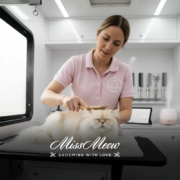
Ah, the Persian cat. With their distinctive flat faces, captivating eyes, and, most notably, their magnificent, flowing coats, these feline beauties are truly a sight to behold. They are living, purring works of art, adored for their serene disposition and luxurious appearance. However, any Persian cat parent will tell you that maintaining that exquisite coat is a labor of love – a dedicated ritual that goes far beyond a simple brush here and there. Indeed,

grooming for Persian cats

isn’t just about aesthetics; it’s a crucial component of their overall health and well-being. Neglect can lead to painful mats, skin issues, and discomfort for your beloved companion. This comprehensive guide aims to arm you with all the knowledge, tips, and tricks you’ll need to keep your Persian looking and feeling their absolute best, transforming grooming from a chore into a cherished bonding experience.

Why Grooming for Persian Cats is Non-Negotiable

Let’s be honest: that glorious, long coat isn’t going to maintain itself. Unlike short-haired breeds who can largely manage their self-grooming with minimal human intervention, Persian cats require significant assistance. Their double coat, consisting of a dense undercoat and long, silky guard hairs, is prone to several issues if not regularly maintained.

First and foremost, matting is the arch-nemesis of every Persian cat owner. Mats are tangled clumps of fur that can pull on the skin, causing pain, restricting movement, and even leading to skin infections if left unchecked. Beneath these mats, parasites can hide, and moisture can get trapped, creating a breeding ground for bacteria and fungi. What starts as a small tangle can quickly escalate into a painful, fur-bound straitjacket for your cat.

Beyond matting, regular grooming helps to remove loose hair, reducing shedding around your home (a win for both you and your furniture!). It also allows you to regularly inspect your cat’s skin for any abnormalities – bumps, cuts, rashes, or signs of fleas and ticks – enabling early detection of potential health problems. Furthermore, the act of brushing stimulates blood circulation and distributes natural skin oils, which are vital for a healthy, shiny coat.

Think of it this way: your Persian cat’s coat is their natural armor and their most defining feature. Proper

grooming for Persian cats

ensures this armor remains pristine, functional, and comfortable. It’s an investment in their comfort, health, and happiness, and ultimately, strengthens the bond you share.

Essential Tools for Persian Cat Grooming Success

Before you even think about starting your grooming routine, you need to gather the right arsenal of tools. Using incorrect brushes or subpar equipment can make the process frustrating for both you and your cat, potentially even causing discomfort. Here’s what you’ll need:

1. Brushes and Combs: Your Primary Weapons Against Tangles

  • Slicker Brush: This brush features fine, short wires packed closely together on a flat surface. It’s excellent for removing loose hair, detangling the topcoat, and breaking up small mats. Be gentle, as the wires can be sharp if used with too much pressure.
  • Metal Comb (Wide-toothed and Fine-toothed): A good quality stainless steel comb is indispensable. Start with the wide-toothed side to gently work through larger tangles, then switch to the fine-toothed side for finishing touches and to ensure no hidden knots remain, especially in sensitive areas like the “armpits” and “britches.”
  • Pin Brush: With widely spaced pins, this brush is ideal for the general upkeep of the long coat, distributing oils, and adding fluff. It’s gentler than a slicker brush and great for daily maintenance.
  • De-shedding Tool (e.g., Furminator-style): While not for daily use, a de-shedding tool can be incredibly effective during shedding seasons to remove the dense undercoat. Use sparingly and carefully to avoid irritating the skin.

2. Bathing Essentials: Keeping the Coat Pristine

  • Cat-Specific Shampoo and Conditioner: Never use human shampoo on your cat, as their skin pH is different. Opt for a high-quality, moisturizing cat shampoo, possibly one formulated for long-haired breeds or sensitive skin. A conditioner is crucial for softening the fur and preventing tangles post-bath.
  • Rubber Mat: Place this in the sink or tub to give your cat traction, making them feel more secure during bathing.
  • Several Towels: You’ll need plenty to blot and wrap your cat after their bath.
  • Hair Dryer (with a cool setting): A pet-specific dryer or a human dryer on a low, cool setting can significantly speed up drying and prevent matting as the coat dries.

3. Nail and Ear Care: The Often-Overlooked Details

  • Cat Nail Clippers: Invest in sharp, good quality clippers (scissor or guillotine style). Dull clippers can split the nail.
  • Styptic Powder: Keep this on hand in case you accidentally cut too far and nick the quick of the nail. It will stop the bleeding quickly.
  • Ear Cleaner: A veterinarian-approved ear cleaning solution for cats is necessary for keeping their ears free from wax and debris.
  • Cotton Balls or Soft Cloth: For applying ear cleaner and gently wiping the outer ear.

4. Eye Care and General Hygiene

  • Soft Cloths or Cotton Pads: For gently wiping away tear stains and discharge from your Persian’s eyes.
  • Warm Water or Saline Solution: Use these for eye cleaning.

Having all these tools readily available before you start will make the

grooming for Persian cats

process much smoother and less stressful for everyone involved.

The Step-by-Step Grooming for Persian Cats Process

Now that you’re equipped, let’s walk through the comprehensive grooming routine. Remember, patience is key, and positive reinforcement (treats, praise!) goes a long way.

1. The Pre-Bath Brush-Out: Crucial First Step

This is arguably the most vital step. You absolutely must remove all tangles and mats before bathing your Persian. Water will only tighten mats, making them nearly impossible to remove without shaving. Spend a good 15-30 minutes, or even longer for a heavily matted cat, meticulously working through the coat.

Start with the wide-toothed metal comb, gently working from the tips of the fur towards the skin, section by section. Pay extra attention to common matting areas: behind the ears, under the chin, in the “armpits,” on the belly, and around the “britches” (the long fur around their hind legs). Use a slicker brush to remove loose hair. If you encounter a mat, try to gently tease it apart with your fingers or the wide-toothed comb. For stubborn mats, a mat splitter or blunt-nosed scissors (used with extreme caution, always pointing away from the skin) might be necessary, but if you’re unsure, it’s best to consult a professional groomer.

2. The Bath: A Spa Day for Your Feline

Persian cats should be bathed every 4-6 weeks, or more frequently if they get particularly dirty or have skin issues.

Preparation: Trim nails beforehand to minimize scratches. Place a rubber mat in the sink or tub. Have your shampoo, conditioner, and towels ready.

Wetting Down: Gently place your cat in the tub. Use a handheld sprayer or a pitcher to thoroughly wet their entire coat with lukewarm water. Speak in a calm, soothing voice.

Shampooing: Apply a small amount of cat shampoo, working it gently into the fur. Avoid getting soap in their eyes and ears. Start from the neck and work your way down to the tail. Lather thoroughly but gently.

Rinsing: This is critical. Rinse, rinse, and rinse again until the water runs clear and you can feel no residue in the fur. Any leftover shampoo can irritate the skin and attract dirt faster.

Conditioning: Apply cat conditioner, focusing on the ends and areas prone to tangles. Let it sit for a few minutes as per product instructions, then rinse thoroughly.

Initial Drying: Immediately after rinsing, gently squeeze excess water from the coat. Wrap your cat in a large, absorbent towel and gently blot. Avoid rubbing vigorously, as this can cause tangles.

3. Drying: Preventing Mats and Promoting Fluff

This is where many Persian cat owners go wrong. Air-drying a Persian cat is an invitation for mats. You must dry their coat thoroughly and promptly.

Using a hair dryer on a low, cool setting, continuously brush the fur as you dry. Use your pin brush or slicker brush to ensure the fur is drying straight and tangle-free. Pay close attention to the undercoat, ensuring it’s completely dry. This process can take a significant amount of time, but it’s essential for preventing mats. You can also use a “forced air” pet dryer, which is faster and more efficient, if you have one.

4. Nail Trimming: Keeping Paws Healthy

Aim to trim your Persian’s nails every 2-4 weeks. Gently press on each toe pad to extend the nail. Clip only the sharp tip, avoiding the pink “quick” which contains blood vessels and nerves. If you’re unsure, just clip the very end of the hook. If you accidentally cut the quick, apply styptic powder immediately. Regular handling of paws from a young age can make this task much easier.

5. Ear Cleaning: A Clear Connection

Check your cat’s ears weekly. If you notice dirt or wax, or if they shake their head or scratch their ears, it’s time for a clean.

Apply a veterinarian-approved ear cleaning solution to a cotton ball or soft cloth. Gently wipe the visible parts of the outer ear. Never insert anything into the ear canal. If you notice redness, discharge, or a foul odor, consult your vet, as this could indicate an infection.

6. Eye Care: Clearing the Path to Beauty

Persian cats are known for their brachycephalic (flat) faces, which can lead to increased tear production and tear staining. Daily wiping of the eyes is often necessary.

Use a soft, damp cloth or a specially designed pet eye wipe to gently clean away any discharge or tear stains around the eyes. Always wipe away from the eye, and use a fresh part of the cloth for each eye to prevent cross-contamination. Persistent or excessive tearing, or green/yellow discharge, warrants a vet visit.

Dealing with Common Grooming Challenges

Even with the best intentions, you might encounter some hurdles when

grooming for Persian cats

.

Matting Mayhem

If you find a mat, don’t panic. Small, loose mats can often be worked out with a wide-toothed comb and a detangling spray. Hold the fur at the base of the mat close to the skin to prevent pulling, then gently tease the mat apart from the ends. For larger, tighter mats, consider using a mat splitter or, if you’re not confident, seek professional help. Remember, never pull on a mat aggressively.

The Reluctant Grooming Partner

Some cats simply don’t enjoy grooming. Start grooming sessions when your cat is relaxed and sleepy. Keep sessions short initially and gradually increase the duration. Use plenty of praise, gentle petting, and treats. If your cat becomes agitated, stop and try again later. Consistency and positive association are key. It’s a marathon, not a sprint.

Excessive Shedding

Persians naturally shed, especially during seasonal changes. During these times, increase your brushing frequency, perhaps even twice daily. A de-shedding tool can be used once a week to help remove the heavy undercoat. A high-quality diet rich in Omega fatty acids can also contribute to healthier skin and coat, potentially reducing excessive shedding.

When to Seek Professional Grooming Services

Despite your best efforts, there are times when calling in the experts is the wisest decision. Professional groomers have specialized tools, training, and experience to handle even the most challenging Persian coats.

If your Persian has severe matting that you can’t safely remove, a professional groomer can gently and effectively shave or demat the coat, preventing discomfort and potential injury to your cat. They can also offer hygienic trims, lion cuts (which can be a godsend in hot climates or for cats prone to severe matting), and thorough cleaning of ears and eyes.

Sometimes, the convenience alone is worth it. Life gets busy, and finding the time for a full, multi-hour grooming session can be tough. That’s where professional cat grooming services come in handy. Services like mobile pet grooming in Dubai can bring the salon experience right to your doorstep, saving you travel time and stress.

At

Missmeow Grooming

, for instance, they understand the unique needs of Persian cats and are equipped to provide top-tier care, ensuring your feline friend receives expert attention without the hassle of a clinic visit. While our conversation today orbits around the majestic Persian, it’s a testament to professional groomers that they often cater to a diverse clientele. Missmeow Grooming also understands the specific needs of canines, even offering a dedicated dog grooming van in Dubai to ensure every pet gets the tailored attention it deserves.

Before booking, it’s always a good idea to check out the services offered, such as Miss Meow pricing and packages to find one that suits your needs. Don’t hesitate to book a pet grooming appointment if you feel overwhelmed or simply want to treat your Persian to a professional pampering session. It’s an act of love, not a sign of failure.

Maintaining Coat Health Between Professional Grooming for Persian Cats Sessions

Even with regular professional visits, daily home maintenance is crucial. A quick 5-10 minute brushing session each day can prevent the build-up of tangles and loose hair, making the longer grooming sessions much easier.

Beyond brushing, consider your cat’s diet. High-quality cat food with essential fatty acids (Omega-3 and Omega-6) can dramatically improve skin health and coat luster from the inside out. Supplements, if recommended by your vet, can also play a role.

The environment matters too. Keeping your home relatively dust-free and ensuring your cat has access to clean water helps with overall health, which reflects in their coat. Regular playtime also keeps them active and happy, contributing to their general well-being.

The Joy of a Well-Groomed Persian

Undertaking

grooming for Persian cats

is a commitment, there’s no denying that. It requires patience, the right tools, and a consistent routine. However, the rewards are immeasurable. A well-groomed Persian is a comfortable, healthy, and happy cat. Their coat will be silky, free of mats, and gleaming, showcasing their inherent beauty. The regular interaction also strengthens the bond between you and your feline companion, turning what could be a chore into a loving ritual. So, embrace the brushes, the baths, and the commitment – your beautiful Persian cat will thank you for it with purrs, head-nuzzles, and perhaps, a slightly less hair-covered sofa. Enjoy the journey of caring for your magnificent feline friend!


Why Cats Benefit from Professional Grooming Too


Why Cats Benefit from Professional Grooming Too

For centuries, felines have captivated humanity with their enigmatic charm, self-sufficient demeanor, and seemingly impeccable grooming habits. Indeed, any cat owner will tell you that a significant portion of their pet’s day is dedicated to meticulous licking, preening, and polishing their fur. This innate fastidiousness often leads to a common misconception: that cats are perfectly capable of handling all their grooming needs themselves, rendering professional intervention unnecessary. But is this truly the whole picture? In fact, while a cat’s tongue is a remarkable tool, it has its limitations. The truth, perhaps surprising to some, is that there are profound reasons why cats benefit from professional grooming too, going far beyond what even the most dedicated feline can achieve on their own. This isn’t just about aesthetics; it’s about health, comfort, and a deeper understanding of our beloved companions’ well-being.

Beyond the Lick: Understanding the Limits of Feline Self-Care

Let’s be honest, watching a cat methodically clean itself is a mesmerizing display of natural efficiency. Their barbed tongues act like tiny combs, distributing oils, removing loose fur, and keeping their coats relatively tidy. However, this natural process, while impressive, isn’t foolproof. Think about a long-haired Persian attempting to detangle a deep mat behind their ear, or an elderly cat struggling to reach their lower back due to arthritis. These scenarios, unfortunately, are all too common. Their grooming efforts can also lead to an increased ingestion of loose fur, contributing significantly to hairball formation – a problem that can range from a minor annoyance to a serious health concern requiring veterinary attention. Furthermore, a cat cannot trim its own claws, properly clean its ears of wax buildup, or thoroughly inspect its skin for parasites or irritations in hard-to-reach places. This is precisely where the expertise of a professional groomer becomes not just beneficial, but often crucial.

The Hidden Dangers of Neglected Coats

Neglecting a cat’s coat, especially for long-haired breeds or those prone to shedding, can lead to a cascade of issues. Mats, for instance, are more than just an aesthetic problem. These tightly tangled clumps of fur can pull on a cat’s delicate skin, causing pain, discomfort, and even bruising. They can also trap moisture, leading to skin infections, hot spots, and parasitic infestations. Severe matting can restrict movement, making even simple actions like walking, jumping, or lying down agonizing. A professional groomer has the tools and the gentle touch to carefully and safely remove these mats, alleviating immediate discomfort and preventing future problems. They can also effectively deshed a cat, significantly reducing the amount of loose fur ingested and, consequently, the frequency and severity of hairballs.

Tangible Health Benefits: Why Cats Benefit from Professional Grooming Too

The advantages of professional grooming extend far beyond just a shiny coat. Many of these benefits are directly linked to a cat’s overall health and well-being, often preventing more serious issues down the line. It’s a proactive approach to pet care that can save both discomfort for your cat and costly vet bills for you.

Skin and Coat Health: A Deeper Clean

A professional bath, using cat-specific shampoos and conditioners, can do wonders for a cat’s skin and coat. It removes dirt, dander, excess oils, and environmental allergens that a cat’s tongue simply cannot. This deep cleaning promotes healthier skin, reduces irritation, and can even alleviate issues like dandruff. For cats prone to oily coats or those with specific skin conditions, medicated baths administered by a groomer can be particularly effective. Moreover, the thorough drying process helps prevent fungal issues that can arise from damp fur. Regular grooming sessions also stimulate blood flow to the skin, encouraging healthy fur growth and distribution of natural oils, resulting in a healthier, shinier, and more vibrant coat.

Nail Trimming: A Crucial but Often Overlooked Aspect

Trimming a cat’s nails is a task many owners find daunting, and for good reason – a wrong clip can cause pain and bleeding. However, overgrown claws can curl and grow into the paw pads, causing severe pain, infection, and making walking difficult. They can also get snagged on carpets or furniture, leading to painful tears or even broken claws. Professional groomers are skilled in safe and efficient nail trimming, knowing exactly how much to clip to avoid the quick. This simple procedure, often included in comprehensive cat grooming services, not only ensures your cat’s comfort but also protects your furniture from excessive scratching and keeps your own skin safe during playtime!

Ear and Eye Care: Preventing Infections

While cats do a fair job of keeping their faces clean, they often miss the nooks and crannies of their ears and eyes. Professional groomers can carefully clean a cat’s ears, removing wax buildup and dirt that can lead to infections. They also check for any signs of mites or other issues. Similarly, they can gently clean around the eyes, removing tear stains and discharge that can irritate the skin and, if left untreated, sometimes indicate underlying health problems. This meticulous attention to detail is a hallmark of truly professional care.

The Comfort and Behavioral Advantages

Beyond the physical benefits, professional grooming also contributes significantly to a cat’s comfort, hygiene, and even their overall temperament. A comfortable cat is generally a happier, more relaxed cat.

Stress Reduction and Enhanced Comfort

Imagine trying to scratch an itch you can’t reach, or having your hair perpetually tangled. That’s often the reality for cats with neglected coats or painful mats. Professional grooming alleviates this discomfort, reducing stress levels in your feline friend. For elderly cats suffering from arthritis, or overweight cats who struggle to groom themselves adequately, this relief is immeasurable. A clean, mat-free coat allows them to move more freely, sleep more comfortably, and generally enjoy a better quality of life. The gentle handling and pampering during a grooming session can even be a calming experience for some cats, provided they are introduced to it positively.

Odor Control and Home Hygiene

Let’s face it, even the cleanest cats can sometimes develop an odor, especially if their coats aren’t thoroughly cleaned or if they have skin issues. Professional bathing eliminates these odors, leaving your cat smelling fresh and clean. This, in turn, contributes to a more pleasant home environment for everyone. Less dander and loose fur floating around also means fewer allergens in your home, which is a significant plus for allergy sufferers.

Early Detection of Health Issues

Professional groomers are trained to pay close attention to a cat’s entire body. During a grooming session, they are often the first to notice lumps, bumps, skin lesions, parasites (fleas, ticks), changes in coat texture, or even dental issues that might otherwise go unnoticed by an owner. Think of them as a crucial second line of defense in your cat’s preventative healthcare team. Should they discover anything concerning, they will promptly inform you, allowing for earlier veterinary intervention, which is almost always beneficial for your pet’s prognosis.

Who Benefits Most from Professional Grooming?

While every cat can enjoy the perks of a professional spruce-up, certain felines stand to gain even more from regular grooming appointments. Understanding these specific needs can help you determine the ideal grooming schedule for your companion.

Long-Haired Breeds

Breeds like Persians, Maine Coons, Ragdolls, and Siberians possess glorious, flowing coats that are undeniably beautiful but also highly prone to matting and tangling. Their fur requires consistent, thorough care that goes beyond a daily brush. Professional groomers have specialized tools and techniques to manage these magnificent coats, preventing mats and keeping them in pristine condition. Regular professional grooming is not just a luxury for these breeds; it’s a necessity.

Elderly or Arthritic Cats

As cats age, their flexibility decreases, and conditions like arthritis can make self-grooming a painful chore. Reaching certain areas becomes difficult, leading to neglected patches and mats. Professional groomers can gently assist these seniors, providing a comfortable and stress-free grooming experience that keeps them clean, comfortable, and free from painful tangles.

Overweight Cats

Similarly, overweight cats often struggle to reach and clean their entire bodies. This can result in a dirty, matted coat, particularly around their hindquarters. Professional grooming can help these cats maintain hygiene and comfort while they work towards a healthier weight.

Cats with Specific Skin or Coat Conditions

Whether it’s excessive shedding, dry skin, dandruff, or allergies, certain cats benefit immensely from specialized bathing and conditioning treatments offered by professional groomers. They can use specific products and techniques to address these issues, bringing relief and improving the overall health of the skin and coat.

Shedding Season and Allergy Sufferers

During shedding seasons, professional deshedding treatments can dramatically reduce the amount of loose fur around your home and on your cat. This not only keeps your cat more comfortable but also significantly reduces allergens in the environment, benefiting household members who suffer from pet allergies. Services like mobile pet grooming in Dubai can bring this relief right to your doorstep, making the process incredibly convenient.

What to Expect from Professional Cat Grooming

When you choose to have your cat professionally groomed, you’re not just signing up for a bath. You’re investing in a comprehensive service designed to enhance their health and well-being. A typical grooming session might include a thorough brushing to remove loose fur and minor tangles, a warm bath with cat-specific shampoo and conditioner, careful towel and blow-drying, nail trimming, ear cleaning, and sometimes even a sanitary clip or a lion cut for particularly matted cats. Many professional groomers, such as Missmeow Grooming, also offer additional services tailored to individual needs.

It’s important to select a groomer who understands feline behavior and uses gentle, fear-free handling techniques. Cats are not small dogs, and their grooming requires a different approach, emphasizing patience, calmness, and understanding. A good groomer will prioritize your cat’s comfort and safety above all else.

Choosing the Right Partner for Your Cat’s Grooming Needs

When considering professional grooming for your feline friend, the choice of groomer is paramount. You want a team that not only possesses the technical skills but also the compassionate understanding of feline behavior. Look for professionals who are patient, gentle, and committed to making the grooming experience as stress-free as possible for your cat. In a bustling city like Dubai, where many pet services are available, finding a reliable and high-quality provider is essential. While it’s common to hear about a dog grooming van in Dubai, excellent mobile options for cats exist too, bringing convenience right to your home.

The benefits of professional grooming for cats are undeniable, encompassing a wide range of health, comfort, and behavioral advantages. From preventing painful mats and skin infections to improving hygiene and even aiding in the early detection of health issues, a professional touch can truly make a world of difference for your cherished companion. It’s an investment in their long-term health and happiness, ensuring they lead a life that’s as comfortable and vibrant as possible. To explore the various options and understand the investment, checking out Miss Meow pricing and packages can be a helpful first step.

Conclusion: A Pawsitive Step Towards Enhanced Feline Well-being

In conclusion, the notion that cats are entirely self-sufficient groomers is a charming myth that, unfortunately, can lead to preventable discomfort and health issues. The reality is that why cats benefit from professional grooming too stems from a combination of their unique physical limitations and the comprehensive, expert care that only a trained professional can provide. It’s about ensuring their skin is healthy, their coat is free of painful mats, their nails are properly maintained, and any potential health concerns are caught early. This dedicated attention contributes significantly to their overall quality of life, reducing stress and enhancing their comfort.

Just as we humans rely on professional stylists, dentists, and healthcare providers for aspects of our well-being we can’t manage ourselves, our feline companions also thrive under the care of experienced groomers. It’s an act of love, responsibility, and proactive pet care that strengthens the bond you share with your cat, allowing them to live their healthiest, happiest life. Don’t underestimate the profound impact a professional grooming session can have. If you’re ready to give your cat the gift of professional care, it’s easy to book a pet grooming appointment and witness the positive transformation firsthand.


Grooming Mistakes Every Pet Owner Should Avoid


Grooming Mistakes Every Pet Owner Should Avoid

As devoted pet owners, we strive to provide the best for our furry, feathered, or scaled companions. We ensure they have quality food, comfortable beds, plenty of toys, and endless affection. Yet, when it comes to grooming, many well-intentioned guardians inadvertently make errors that can compromise their pet’s health, happiness, and even their bond. It’s easy to overlook the nuances of a proper grooming routine, especially with the daily demands of life. However, understanding and rectifying these common grooming mistakes every pet owner should avoid is paramount to ensuring our beloved animals lead long, comfortable, and hygienic lives. This comprehensive guide will walk you through the most frequent blunders, offering practical advice to transform your grooming routine from a chore into a beneficial ritual.

The Unseen Perils of Neglecting Proper Pet Grooming

Grooming is far more than just aesthetics; it’s a fundamental aspect of preventive healthcare. Many pet owners, perhaps unknowingly, underestimate its significance. Think of it this way: just as we wouldn’t go weeks without showering or brushing our teeth, our pets require consistent care to maintain their physical well-being. Neglecting this vital routine doesn’t just lead to a scruffy appearance; it opens the door to a host of health problems. We’re talking about painful matting, skin infections hidden beneath a matted coat, dental disease that can lead to organ damage, and overgrown nails that cause lameness and discomfort. These aren’t minor inconveniences; they are serious issues that can result in expensive veterinary bills and, more importantly, unnecessary suffering for your pet. One of the biggest grooming mistakes every pet owner should avoid is assuming grooming is merely a superficial task. In reality, it’s a proactive measure against a myriad of potential ailments, ensuring your pet is not only looking their best but feeling their best too.

Common Bathing Blunders Every Pet Owner Should Avoid

Using Human Shampoo: A Recipe for Skin Irritation

This is perhaps one of the most common, yet easily avoidable, errors. Human shampoos, even “gentle” ones, are formulated for human skin pH levels, which are significantly different from those of dogs and cats. Using human products on your pet can strip their skin of natural oils, leading to dryness, irritation, itching, and even allergic reactions. Imagine trying to wash your delicate silk shirt with harsh laundry detergent; it simply won’t end well. Always opt for a high-quality shampoo specifically designed for pets, taking into account their coat type and any skin sensitivities they might have. There’s a reason pet-specific products exist – they’re tailored to their unique physiological needs.

Incorrect Water Temperature and Rinsing Thoroughness

Ever experienced a lukewarm shower on a cold day, or a scalding one when you just wanted a refresh? Pets feel the same way! Water that’s too hot can burn their sensitive skin, while water that’s too cold can be a terrifying and uncomfortable experience. Aim for lukewarm water – think baby bath temperature – which is comfortable and safe. Furthermore, not rinsing thoroughly enough is another significant blunder. Shampoo residue left on the coat can cause skin irritation, flakiness, and attract dirt more quickly, leading to a greasy feeling. Take your time during rinsing, ensuring every last bubble is gone. It often takes longer than you think, especially for pets with thick coats. Pay particular attention to areas like the armpits, groin, and under the tail.

Skipping Conditioning and Over-Bathing

Just like our hair, a pet’s coat can benefit immensely from conditioning, especially if they have long or prone-to-tangle fur. A good pet conditioner helps to moisturize the skin and coat, making it softer, shinier, and easier to brush, which in turn helps prevent matting. Forgetting this step is a disservice to your pet’s comfort. On the other hand, over-bathing is also a mistake. While hygiene is important, bathing your pet too frequently can strip their skin of essential natural oils, leading to dryness, itchiness, and even a compromised skin barrier, making them more susceptible to infections. The ideal bathing frequency varies greatly depending on the breed, coat type, activity level, and any skin conditions. For most pets, a bath every 4-6 weeks is sufficient, unless they’ve rolled in something particularly unpleasant!

Brushing Beyond the Surface: Overcoming Common Coat Care Missteps

Using the Wrong Brush Type and Not Brushing Often Enough

A “one-size-fits-all” approach to brushing is a definite pitfall. Different coat types require specific tools. A slicker brush might be perfect for a Golden Retriever, but wholly inadequate for a Poodle or a short-haired cat. Using the wrong brush can be ineffective, uncomfortable, or even damaging to your pet’s coat and skin. Invest in appropriate brushes for your pet’s specific fur type, whether it’s a de-shedding tool, a pin brush, a comb, or a rubber curry brush. Equally detrimental is not brushing frequently enough. Regular brushing removes loose hair, dirt, and debris, distributes natural skin oils, and, most crucially, prevents matting. For long-haired breeds, daily brushing might be necessary, while short-haired pets may only need it a few times a week. Ignoring this fundamental step is among the gravest grooming mistakes every pet owner should avoid, leading to painful tangles and skin issues.

Ignoring Undercoat and Dealing with Mats Incorrectly

Many breeds have a dense undercoat that sheds profusely. If you’re only brushing the top layer of fur, you’re missing the vast majority of dead hair trapped underneath. This trapped undercoat can quickly lead to painful mats, especially in areas of friction like behind the ears, armpits, and groin. Specialized de-shedding tools and techniques are essential for these double-coated breeds. Furthermore, finding a mat can be alarming, but trying to cut it out with scissors is incredibly dangerous. It’s shockingly easy to cut your pet’s skin underneath the mat, as the skin often gets pulled up into the tangle. Instead, try to gently work through small mats with your fingers and a comb, using a mat splitter if necessary, always pulling away from the skin. For severe matting, it’s always best to seek professional help rather than attempting a risky home remedy.

Nail Care Nightmares: Mistakes to Steer Clear Of

Cutting Too Short and Not Trimming Often Enough

The fear of “quicking” – cutting into the blood vessel and nerve ending within the nail – often leads pet owners to either avoid trimming altogether or only snip off the very tip. While caution is good, not trimming nails often enough can be incredibly detrimental. Overgrown nails can cause pain, deform your pet’s paws, make walking difficult, and even lead to serious joint problems over time. Imagine walking with shoes that are constantly too small and pushing your toes back. That’s what overgrown nails feel like to your pet. Aim for regular trims, typically every 2-4 weeks, depending on your pet’s activity level and nail growth rate. Learning where the quick is (or having a vet or groomer show you) is crucial. If your pet has dark nails, where the quick isn’t visible, trim small bits at a time until you see a small black dot in the center, which indicates you’re close to the quick.

Using Dull Clippers and Making it a Traumatic Experience

Dull clippers don’t cut; they crush the nail, which can be very painful for your pet. Always use sharp, high-quality clippers appropriate for your pet’s size. Keep them clean and consider replacing them periodically. Another common pitfall is turning nail trims into a traumatic event. If you approach the task with anxiety, your pet will pick up on it. Start early, introduce clippers slowly, offer treats, and make it a positive experience. If your pet is resistant, try trimming just one nail a day, or even just touching their paws and rewarding them. Patience and positive reinforcement are key. Remember, consistency helps build trust and makes the process smoother for both of you.

Dental Disasters: Oral Hygiene Errors Pet Owners Make

Skipping Teeth Brushing Entirely and Using Human Toothpaste

Many pet owners completely overlook dental hygiene, assuming their pet’s diet or chew toys are sufficient. This is a critical error. Just like humans, pets accumulate plaque and tartar, leading to gum disease, bad breath, and potentially serious systemic health issues if left unchecked. Periodontal disease is rampant in pets, affecting over 80% of dogs and 70% of cats by age three. Brushing your pet’s teeth regularly (daily is ideal, but a few times a week is a great start) is the single most effective way to combat this. Crucially, never use human toothpaste. It contains ingredients like fluoride and xylitol that are toxic to pets if ingested. Always use pet-specific toothpaste, which is safe to swallow and comes in flavors pets enjoy, like chicken or beef.

Ignoring Bad Breath and Relying Solely on Dental Treats

Many owners dismiss “dog breath” or “cat breath” as normal. In reality, persistent bad breath (halitosis) is a strong indicator of dental disease, not just a minor inconvenience. It signifies a bacterial overload in the mouth that needs attention. While dental treats, chews, and water additives can be beneficial, they are generally not a substitute for regular brushing. Think of them as supplements to a good oral hygiene routine, not the main event. They can help reduce plaque, but they rarely reach all tooth surfaces or effectively clean below the gum line where periodontal disease often begins. A comprehensive dental strategy combines brushing, appropriate dental chews, and regular professional dental cleanings by a veterinarian.

Ear and Eye Care: Overlooking These Sensitive Areas

Using Cotton Swabs Too Deeply in Ears and Ignoring Infection Signs

A common misconception is that pet ears should be cleaned with cotton swabs, much like human ears. However, a pet’s ear canal is L-shaped, and using a cotton swab can push debris further down, potentially causing blockages or even rupturing the eardrum. Instead, use a veterinarian-approved ear cleaning solution and cotton balls or gauze to gently wipe the visible parts of the ear. Never insert anything deep into the ear canal. Furthermore, ignoring early signs of ear infections – such as excessive head shaking, scratching at the ears, redness, swelling, discharge, or a foul odor – is another serious oversight. Prompt veterinary attention can prevent a minor issue from escalating into a painful and chronic condition.

Ignoring Eye Discharge or Redness

While some clear eye discharge can be normal, especially in certain breeds prone to tear staining, any excessive tearing, thick or colored discharge (yellow, green), redness of the eyes, swelling, squinting, or pawing at the face warrants immediate attention. These can be signs of allergies, foreign objects, infections, or more serious underlying health issues. A quick wipe with a damp, soft cloth is usually sufficient for minor crusting, but anything beyond that needs professional assessment. Never self-diagnose or use human eye drops without veterinary guidance, as they can be harmful to your pet.

The Emotional Aspect: How Grooming Mistakes Affect Your Pet’s Well-being

Beyond the physical consequences, poor grooming practices can deeply impact your pet’s emotional state. Imagine being held down, poked, prodded, and experiencing pain, all without understanding why. This is often how pets perceive a rough or painful grooming session. Repeated negative experiences can lead to severe anxiety, fear, and even aggression towards grooming tools, handlers, or even the act of being touched. This creates a vicious cycle where grooming becomes a battle, stress levels skyrocket for both pet and owner, and the essential care simply doesn’t get done. Building a positive association with grooming from an early age, using positive reinforcement, treats, and praise, is crucial. If your pet already has a negative association, approach grooming slowly, in short sessions, focusing on comfort and rewards. Sometimes, identifying and correcting grooming mistakes every pet owner should avoid involves rethinking the entire approach to make it a more pleasant experience for everyone involved.

When to Call the Pros: Recognizing Your Limitations and Seeking Expert Help

Let’s be honest, not every pet owner is equipped to handle every grooming task, and that’s perfectly okay! Recognizing your limitations is not a failure; it’s a responsible act of pet ownership. Some pets have incredibly challenging coats that require specific techniques and tools. Others might be anxious, aggressive, or have pre-existing conditions that make at-home grooming difficult or even dangerous. Severe matting, for instance, is not something to tackle at home with household scissors. It requires professional tools and expertise to safely remove without injuring the pet. This is where professional groomers truly shine. They possess the knowledge, specialized equipment, and often the patience and gentle touch needed to handle even the most challenging cases. For pet owners in Dubai seeking expert assistance, Missmeow Grooming offers a range of professional services. A qualified groomer can not only perform complex tasks like de-matting and breed-specific cuts but can also provide guidance on maintaining your pet’s coat between visits. They can identify potential issues you might miss and ensure your pet receives comprehensive care. If you find yourself struggling with a particular aspect of grooming, or if your pet displays significant resistance, don’t hesitate to reach out to a professional. Services like mobile pet grooming in Dubai can bring the salon experience right to your doorstep, making the process less stressful for your pet and more convenient for you. Whether you need specialized cat grooming services or a comprehensive treatment for your canine friend in a dedicated dog grooming van in Dubai, professionals are there to help. Investing in professional grooming is an investment in your pet’s health and happiness. You can learn more about Miss Meow pricing and packages or book a pet grooming appointment directly on their website.

Conclusion: Transforming Grooming from a Chore to a Cherished Ritual

Grooming is an ongoing commitment, an integral part of responsible pet ownership that extends far beyond mere vanity. It’s a powerful tool for maintaining health, preventing disease, and strengthening the bond you share with your companion. By understanding and actively avoiding the grooming mistakes every pet owner should avoid, you’re not just preventing problems; you’re actively contributing to your pet’s overall comfort, well-being, and longevity. From using the right shampoos and brushes to diligently caring for nails and teeth, every small effort counts. Remember, a well-groomed pet is typically a healthier and happier pet, free from discomfort, pain, and the stress of preventable issues. Take the time to educate yourself, observe your pet’s needs, and don’t be afraid to seek professional help when needed. Make grooming a positive, consistent experience, and you’ll undoubtedly enjoy many more years of joyful companionship with your wonderfully cared-for furry friend.


Grooming Tips for Show-Ready Pets


Grooming Tips for Show-Ready Pets

Ah, the dazzling lights of the show ring! Or perhaps it’s just the gleam of a perfectly healthy, happy pet bounding through your living room. Either way, preparing a pet to be “show-ready” goes far beyond a quick brush and a bath. It’s an art, a science, and a loving commitment that impacts not just their appearance, but their overall health and confidence. If you’ve ever watched a beautifully groomed animal glide with undeniable poise, you know the meticulous effort that goes into achieving that flawless look. This comprehensive guide will delve deep into the essential grooming tips for show-ready pets, transforming your beloved companion into a true head-turner, inside and out.

Think of it this way: a show-ready pet isn’t just about looking good for a judge or a camera; it’s about optimizing their well-being. A clean coat, trimmed nails, healthy teeth, and bright eyes aren’t merely aesthetic choices. They are indicators of good health and proper care, which in turn contribute to a pet’s comfort and demeanor. An uncomfortable pet, plagued by mats or overgrown nails, simply won’t exude the confidence and vitality we associate with a truly magnificent animal. So, let’s embark on this journey to perfection, ensuring your furry friend is always ready for their close-up, whether that’s on a stage or just snuggling on the sofa.

The Foundation of Flawless: Essential Grooming Habits

Before we dive into the finer points of competitive grooming, it’s crucial to establish a solid foundation of regular, consistent care. Skipping the basics is like trying to build a mansion on quicksand – it just won’t stand up to scrutiny. These aren’t just one-off tasks; they are daily or weekly rituals that build up to that coveted show-ready sheen.

Brushing: The Daily Ritual for a Dazzling Coat

Brushing is arguably the most fundamental aspect of pet grooming. It’s more than just untangling knots; it stimulates blood circulation, distributes natural oils, removes loose hair, dirt, and debris, and helps prevent matting. For show pets, brushing is paramount. The type of brush and frequency will depend heavily on your pet’s coat type.

  • Short-haired breeds: A rubber curry brush or a bristle brush used a few times a week will help remove loose fur and add shine.
  • Long-haired breeds: These require daily attention. A slicker brush followed by a pin brush is often effective for removing tangles and preventing mats. Always brush in sections, working from the ends upwards to avoid discomfort.
  • Wire-haired breeds: Hand-stripping or specific stripping tools are essential to maintain their coarse texture, especially if they are shown. Regular brushing with a slicker brush can help with shedding.
  • Curly-haired breeds: Poodles and Bichons, for example, need daily brushing with a slicker brush to prevent matting that can quickly become severe.

Remember, consistent brushing also allows you to inspect your pet’s skin for any abnormalities – lumps, bumps, parasites, or dry patches – early detection of which can be vital for their health.

Bathing: The Art of a Pristine Clean

Bathing frequency varies greatly depending on the breed, activity level, and coat condition. However, for a show-ready pet, strategic bathing is key. Over-bathing can strip natural oils, leading to dry skin and a dull coat, while under-bathing allows dirt and oils to accumulate, leading to matting and skin issues.

  • Choose the Right Products: Invest in high-quality, pH-balanced shampoos and conditioners specifically formulated for pets. Consider products designed to enhance coat color, add volume, or address specific skin conditions if applicable. Avoid human shampoos, as they can be too harsh.
  • Pre-Bath Prep: Always brush your pet thoroughly BEFORE bathing to remove as many tangles and loose hairs as possible. Water can tighten mats, making them much harder to remove later.
  • The Technique: Use lukewarm water. Wet your pet thoroughly, apply shampoo, lather gently, and ensure you rinse, rinse, rinse! Any shampoo residue left on the coat can cause skin irritation and dullness. Follow with a conditioner, allowing it to sit for the recommended time before rinsing completely.
  • Drying: Pat your pet dry with towels, then use a pet-specific hairdryer on a cool or low-heat setting. Brush as you dry to prevent tangles and achieve a smooth finish. Ensure they are completely dry, especially long-haired breeds, to prevent skin infections.

Nail Care: More Than Just a Trim

Overgrown nails aren’t just unsightly; they can be incredibly painful for your pet, leading to splayed toes, difficulty walking, and even skeletal problems over time. For show-ready pets, perfectly trimmed and well-maintained nails are a must.

Use sharp, good-quality clippers or a dremel tool. If using clippers, be careful to avoid the quick – the pink part of the nail that contains blood vessels and nerves. If you’re unsure, ask a vet or professional groomer to show you the ropes. Regular nail trimming (typically every 2-4 weeks) will encourage the quick to recede, making future trims easier and less stressful for both of you. Don’t forget the dewclaws!

Ear Cleaning: A Fresh Perspective

Clean ears are essential for hygiene and health. For breeds with floppy ears or those prone to ear infections, regular cleaning can prevent a host of problems. Use a veterinarian-approved ear cleaner and cotton balls – never cotton swabs, as they can push debris further into the ear canal. Gently wipe the visible parts of the ear, being careful not to go too deep. Look for any redness, odor, or excessive discharge, which could indicate an infection requiring veterinary attention.

Dental Hygiene: The Smile of a Champion

Often overlooked, oral health is a cornerstone of overall pet well-being. Bad breath isn’t just unpleasant; it’s often a sign of dental disease, which can lead to serious systemic health issues. For show-ready pets, pearly whites and healthy gums contribute to their overall vibrant appearance and vitality.

Aim to brush your pet’s teeth daily using pet-specific toothpaste and a toothbrush. Dental chews, water additives, and regular veterinary dental check-ups also play a crucial role. A confident pet with a healthy, sparkling smile is truly a joy to behold!

Head to Paw Perfection: Specific Grooming Details for Show-Ready Pets

Once the foundational grooming habits are in place, it’s time to focus on the intricate details that elevate a well-groomed pet to a show-stopping one. These finer points are where true artistry and dedication shine through, ensuring every aspect of your pet’s presentation is immaculate.

Eye Care: Bright, Clear, and Confident

Clear, bright eyes are a sign of health and vitality. For many breeds, tear staining can be a persistent issue, detracting from an otherwise perfect presentation.

  • Tear Stain Removal: Gently wipe away tear stains daily with a damp cloth or pet-specific tear stain remover. Be careful not to get any product into their eyes. Regular cleaning can prevent the stains from setting in deeply.
  • Trimming Around Eyes: For long-haired breeds, carefully trim any hair that could obstruct vision or irritate the eyes. Use blunt-nosed scissors and always cut away from the eye, ensuring your pet is calm and still.
  • Checking for Debris: Periodically check their eyes for any foreign objects, redness, or discharge that might indicate an infection or irritation.

Paw Perfection: The Foundation of Movement

A pet’s paws bear the brunt of their adventures, and meticulous care here is crucial for comfort and appearance. Neglected paws can lead to discomfort, slipping, and even infections.

  • Trimming Paw Pad Hair: For many breeds, especially those with longer coats, hair between the paw pads can collect dirt, debris, and even ice in colder climates, leading to matting and discomfort. Carefully trim this hair flush with the pads using small, blunt-nosed scissors or clippers. This also improves traction.
  • Moisturizing Pads: Dry, cracked paw pads can be painful. Consider applying a pet-safe paw balm to keep them supple and healthy.
  • Nail Filing/Grinding: After clipping, using a nail file or dremel can smooth sharp edges and further shorten the nail, giving a neater, more professional finish.

Coat Contouring and Styling

Depending on your pet’s breed, specific coat trimming and styling might be required to meet breed standards or simply to enhance their natural beauty. This could involve anything from subtle tidying around the ears and tail to elaborate show clips.

  • Sanitary Trim: This involves carefully trimming the hair around your pet’s private areas to maintain hygiene and prevent matting from waste.
  • Feathering Trims: For breeds with feathering on their legs or tail, careful scissoring can create clean lines and enhance their elegant appearance.
  • Breed-Specific Cuts: If you are aiming for a show ring, thoroughly research your breed’s specific grooming requirements. Precision and symmetry are often highly valued. This is an area where professional expertise is often invaluable.

Nutrition and Wellness: The Internal Glow of Show-Ready Pets

Let’s be honest, no amount of external grooming can truly mask an unhealthy animal. The adage “you are what you eat” holds true for our pets as well. A healthy diet and overall wellness are absolutely critical for achieving that coveted ‘show-ready’ glow that radiates from within. It’s about more than just filling their bellies; it’s about nourishing their entire system.

High-Quality Diet: Fueling the Radiance

The cornerstone of a healthy coat and vibrant skin is a balanced, high-quality diet. Look for pet foods with real meat as the first ingredient, wholesome grains (if not grain-free), and beneficial fats.

  • Protein: Essential for hair growth and overall muscle development.
  • Healthy Fats (Omega-3 and Omega-6): These fatty acids are crucial for skin health, coat shine, and reducing inflammation. Sources include fish oil, flaxseed, and certain animal fats.
  • Vitamins and Minerals: A complete and balanced diet should provide all necessary micronutrients to support cellular health, including skin and hair follicles.

Consider consulting with your veterinarian or a canine nutritionist to ensure your pet’s diet is perfectly tailored to their specific needs, age, breed, and activity level.

Hydration: The Secret to Supple Skin

Just like humans, pets need adequate hydration for healthy skin and coat. Ensure your pet always has access to fresh, clean water. Dehydration can lead to dry, flaky skin and a dull coat, no matter how much you brush or bathe them.

Supplements: An Extra Boost (When Needed)

While a balanced diet is primary, certain supplements can provide an extra boost, especially for pets with specific needs or coat challenges.

  • Omega Fatty Acid Supplements: Fish oil (rich in EPA and DHA) is often recommended for improving coat shine, reducing shedding, and addressing dry, itchy skin.
  • Biotin and Zinc: These nutrients play a role in skin and coat health. However, always consult your vet before adding any supplements to your pet’s regimen, as too much of a good thing can sometimes be detrimental.

Stress Reduction: Calm and Confident

Stress, whether from an upcoming show, travel, or changes in environment, can manifest physically in a pet, including changes in coat quality (e.g., excessive shedding, dullness). A calm, happy pet is more likely to have a healthy, vibrant appearance.

  • Regular Exercise: Burns off excess energy and reduces anxiety.
  • Consistent Routine: Pets thrive on predictability.
  • Positive Reinforcement: Make grooming a positive, bonding experience rather than a stressful ordeal.

The Final Polish: Pre-Show Rituals and Touch-Ups

With all the foundational work done, the days leading up to a show, or even just a special occasion where your pet needs to look their absolute best, are about refining and perfecting. These final grooming tips for show-ready pets ensure every hair is in place, and every detail contributes to a stunning presentation.

Strategic Bathing & Drying

Timing your final bath is crucial. For some coats, bathing a day or two before the show allows natural oils to redistribute, giving a more natural texture. For others, a bath on the morning of the show might be ideal for maximum fluff and volume. Experiment to see what works best for your pet’s specific coat.

Always ensure thorough drying, often with forced air dryers and strategic brushing, to achieve the desired texture and volume without frizz. This might mean line drying, which involves drying small sections of hair at a time, brushing through each section until perfectly straight and dry.

Last-Minute Trims & Tidy-Ups

Perform a final check for any errant hairs around the face, ears, paws, and tail. A quick trim with sharp scissors can make a world of difference. Double-check paw pads and sanitary areas for cleanliness. Any lingering tear stains or saliva stains around the mouth should be gently wiped away.

Coat Enhancers & Finishing Sprays

Used sparingly and appropriately, certain finishing products can enhance the coat’s natural beauty.

  • Shine Sprays: A light mist can add a healthy luster without making the coat greasy.
  • Anti-Static Sprays: Especially useful in dry conditions to prevent flyaways.
  • Volumizing Sprays: Can give a lift to flatter coats.

Always opt for pet-safe products and test them beforehand to ensure there’s no adverse reaction. The goal is enhancement, not artificiality.

The Scent Factor

While a freshly bathed pet smells delightful, avoid heavy perfumes or colognes. Judges and other participants often have allergies, and a natural, clean scent is always preferred. A good quality, lightly scented deodorizing spray designed for pets is usually sufficient if needed.

Calm Demeanor

A nervous or fidgety pet can make even the best grooming appear less than perfect. Spend time acclimating your pet to handling, brushing, and standing still. Positive reinforcement and calm reassurance during the final stages of grooming will help them remain relaxed and confident. A relaxed pet truly embodies the essence of “show-ready.”

The Professional Touch: When to Call in the Experts for Grooming Tips for Show-Ready Pets

While home grooming is incredibly rewarding and essential for daily maintenance, there comes a time when professional expertise is not just beneficial, but often necessary, especially when aiming for that truly show-ready look. Whether it’s for complex breed-specific clips, dealing with severe matting, or simply ensuring a consistently high standard, professional groomers are invaluable partners in your pet’s journey to perfection.

Consider the precision required for certain cuts, the specialized equipment needed for specific coat types, or the sheer time commitment for a full pampering session. Professional groomers have the training, tools, and experience to handle even the most challenging grooming tasks, ensuring your pet looks impeccable and feels comfortable. They can also offer personalized grooming tips for show-ready pets tailored to your specific breed and their unique needs.

For those in bustling cities like Dubai, convenience is often key. Imagine having a fully equipped salon come right to your doorstep! Services like mobile pet grooming in Dubai are revolutionizing how busy pet owners maintain their companions’ pristine condition. This personalized service minimizes stress for the pet, as they’re in a familiar environment, and saves you precious time.

Professional groomers also excel in handling specific needs. For instance, if you have a feline friend, understanding the nuances of their coat and temperament is critical. Expert cat grooming services can ensure even the most particular puss emerges looking elegant and feeling refreshed, without the stress of a traditional salon visit. Similarly, if you have a canine companion, finding a reliable dog grooming van in Dubai means your dog receives top-tier care from experienced professionals right outside your home, equipped with all the necessary tools for a perfect groom.

Choosing a reputable service, such as Missmeow Grooming, means entrusting your pet to skilled hands who understand the subtleties of preparing an animal for any occasion, from a casual family photo to a serious competition. Their expertise covers everything from meticulous bathing and drying to precise trims and even breed-standard styling. To understand the various options available and what might best suit your pet’s needs and your budget, it’s always a good idea to check out Miss Meow pricing and packages. This transparency helps you plan your pet’s grooming regimen effectively.

Ultimately, whether it’s routine maintenance or preparing for that significant event, a partnership with a professional groomer can elevate your pet’s grooming game significantly. Don’t hesitate to book a pet grooming appointment when you need that extra bit of polish or simply wish to ensure your pet consistently receives the best possible care. It’s an investment in their health, comfort, and undeniable star quality.

Conclusion: Unleashing Your Pet’s Inner Champion with Grooming Tips for Show-Ready Pets

Achieving a “show-ready” appearance for your beloved pet is a journey, not a destination. It’s a continuous commitment to their health, comfort, and aesthetic appeal. From the daily brush-outs and thoughtful bathing routines to meticulous paw care and a nutritious diet, every step plays a vital role in transforming your companion into a radiant example of their breed. These comprehensive grooming tips for show-ready pets are designed to empower you, the pet owner, with the knowledge and techniques to nurture that inner champion.

Remember, the most beautiful coats, the brightest eyes, and the most confident demeanors stem from consistent care and a deep understanding of your pet’s individual needs. It’s a holistic approach that marries external polish with internal well-being. And while the idea of a competition might seem daunting, the principles of show grooming are equally applicable to ensuring your pet simply lives its best, most comfortable, and most beautiful life every single day.

So, roll up your sleeves, grab your grooming tools, and enjoy the bonding experience. With dedication, patience, and perhaps a little help from the professionals, you’ll soon have a pet that not only looks show-ready but feels it too – confident, healthy, and absolutely glowing. After all, isn’t that what every pet truly deserves?


How Miss Meow Ensures Hygiene in Every Session


How Miss Meow Ensures Hygiene in Every Session

In the bustling urban landscape of Dubai, where convenience often meets luxury, pet parents are constantly seeking the best for their beloved companions. This quest extends far beyond just quality food and comfortable living spaces; it delves deep into the realm of health and well-being, with professional grooming playing a pivotal role. But when we talk about grooming, especially mobile services, a crucial question invariably arises: how does a service provider ensure impeccable hygiene standards? For those discerning pet owners, the answer lies in understanding the meticulous processes adopted by top-tier providers. This article will meticulously explore how Miss Meow ensures hygiene in every session, demonstrating their unwavering commitment to your pet’s health and safety, making them a benchmark in the industry.

Let’s be honest, the thought of a grooming service, especially one that travels from home to home, might initially spark concerns about cross-contamination or less-than-sterile environments. It’s a natural apprehension, and one that Miss Meow takes incredibly seriously. Their philosophy isn’t just about making your pet look good; it’s fundamentally about protecting their health. From the moment their state-of-the-art mobile unit arrives at your doorstep to the final flourish of a freshly groomed coat, every step is governed by stringent hygiene protocols. They understand that true care goes hand-in-hand with an environment that is not just clean, but clinically so, safeguarding against bacteria, fungi, and parasites. This dedication to cleanliness isn’t just a marketing ploy; it’s embedded in the very fabric of their operation, a testament to their professional integrity.

The Foundation: Miss Meow’s Purpose-Built Mobile Grooming Sanctuary

The journey towards exceptional hygiene begins long before the groomer even touches your pet. It starts with the very environment in which the grooming takes place. Miss Meow doesn’t just convert a standard vehicle; they design and equip purpose-built mobile grooming sanctuaries. Think of it as a veterinary clinic on wheels, but with a spa-like ambiance tailored for pets. These vehicles are meticulously designed with smooth, non-porous surfaces that are easy to clean and disinfect, eliminating the nooks and crannies where germs might hide. Unlike a stationary salon where various animals might share spaces over hours, each mobile session effectively creates a private, sterile zone for your pet.

Consider the flooring and wall materials. They aren’t carpeted or porous wood, which can harbor moisture and pathogens. Instead, they utilize commercial-grade, anti-slip, waterproof materials that can withstand rigorous cleaning agents without degrading. Ventilation is another often-overlooked hero in hygiene. Miss Meow’s vans are equipped with powerful, filtered ventilation systems that continuously circulate fresh air, extracting pet dander, loose hair, and any potential airborne contaminants. This not only keeps the air quality pristine for your pet but also for the groomer, creating a healthier working environment. Furthermore, each dog grooming van in Dubai operated by Miss Meow is self-contained, meaning it carries its own fresh water supply and waste water disposal system, completely independent of your home’s utilities. This prevents any potential contamination from external sources and ensures responsible disposal of all grooming by-products.

Rigorous Cleaning Protocols: Before, During, and After Every Single Session

It’s one thing to have a well-designed space; it’s another to maintain it with unwavering discipline. Miss Meow’s hygiene commitment shines brightest in its multi-layered cleaning protocols, applied with religious consistency. Before any pet steps into the van, the entire grooming area undergoes a thorough wipe-down and disinfection. This initial step is critical for eliminating any lingering traces from the previous session, no matter how minor. Every surface, from the grooming table to the tub and tools, is prepared as if for a brand new client.

During the session itself, cleanliness is continuously monitored. Excess hair is promptly removed, spills are immediately cleaned, and tools are kept organized to prevent clutter and potential cross-contamination. This proactive approach minimizes the chances of any issues developing. But the most intensive phase occurs post-session. Once a grooming appointment concludes, the van transforms into a sterilization zone. All used towels, grooming aprons, and other fabric items are immediately bagged for high-temperature laundering. The grooming tub, table, and all hard surfaces are first scrubbed to remove visible debris, then treated with veterinary-grade disinfectants specifically chosen for their efficacy against a broad spectrum of bacteria, viruses, and fungi, yet safe for pets. These disinfectants require specific contact times to be effective, and Miss Meow’s team adheres to these strictly. This meticulous cleaning regimen ensures that the environment is truly reset, ready to welcome the next furry client into a pristine, safe space. This thorough process truly exemplifies how Miss Meow ensures hygiene in every session.

Sterilization and Disinfection: Going Beyond Basic Cleanliness for Miss Meow

When it comes to pet grooming, merely “cleaning” isn’t enough; true hygiene demands sterilization and disinfection. Miss Meow understands this distinction profoundly. While general cleaning removes dirt and debris, disinfection aims to kill harmful microorganisms, and sterilization aims to eliminate all forms of microbial life. For their grooming tools, Miss Meow employs a multi-step process that often rivals those found in professional medical settings.

Dedicated Tool Sets for Each Pet

To begin, it’s imperative to note that Miss Meow uses fresh, clean towels and capes for every single pet. There is no reuse without proper laundering. Furthermore, all grooming tools, including brushes, combs, clippers, and scissors, are meticulously cleaned and disinfected after each use. They don’t just rinse them; they use specific cleaning solutions designed to break down oils and hair. Clippers, in particular, are disassembled, cleaned, lubricated, and then treated with a clipper disinfectant spray that kills bacteria, viruses, and fungi on contact, also preventing rust.

Advanced Sterilization Techniques

For tools that come into direct contact with the skin or could potentially break the skin barrier (like certain types of scissors), Miss Meow often utilizes more advanced methods. While a full autoclave (steam sterilization) might be impractical for every single mobile tool on the go, they rely heavily on high-level disinfectants and UV-C light sanitizers where appropriate. These technologies provide an additional layer of protection, ensuring that critical grooming tools are not just clean, but truly sanitized. This rigorous approach minimizes the risk of transmitting skin infections, fungal issues, or parasites between pets, which, let’s be honest, is a paramount concern for any responsible pet parent. This detailed attention to instruments is a core pillar of how Miss Meow ensures hygiene in every session.

Premium Products for Optimal Health: Selecting the Right Solutions

The commitment to hygiene extends beyond just the physical environment and tools; it encompasses the very products used on your pet’s skin and coat. Miss Meow exclusively partners with reputable suppliers to procure professional-grade shampoos, conditioners, and other grooming aids. These products are carefully selected not only for their effectiveness in cleaning and conditioning but also for their safety profile, ensuring they are hypoallergenic, pH-balanced for pets, and free from harsh chemicals that could irritate sensitive skin or cause allergic reactions.

Think about it: using subpar products could strip natural oils, dry out skin, or leave residues that become breeding grounds for bacteria. Miss Meow avoids this by investing in premium formulations. They also carry a range of specialized products to address specific needs, such as medicated shampoos for skin conditions (used only with veterinary guidance), tear stain removers, and flea and tick prevention washes. This thoughtful selection process means that every drop of product used contributes positively to your pet’s overall dermatological health and comfort, rather than posing a potential risk. For those seeking specialized cat grooming services, the product selection is even more refined, considering the unique sensitivities and grooming habits of felines, ensuring a gentle yet effective cleaning process.

Trained Professionals: The Human Element in Maintaining Standards

No amount of sophisticated equipment or premium products can replace the vigilance and expertise of a well-trained human. Miss Meow’s grooming team is not just skilled in styling; they are rigorously educated in sanitation protocols, animal health, and safe handling practices. Each groomer undergoes continuous training, staying updated on the latest industry best practices for hygiene and infection control.

Their training covers:

  • Proper hand hygiene techniques (frequent washing and sanitizing).
  • Identification of potential health issues on pets (skin lesions, parasites, unusual lumps) that might require veterinary attention before or during grooming.
  • Correct usage and contact times for disinfectants.
  • Safe handling of potentially infectious materials (e.g., heavily matted fur with skin irritation).
  • Understanding cross-contamination risks and how to prevent them.

This deep understanding empowers them to act as the first line of defense against health risks. They are trained to refuse service or recommend veterinary consultation if a pet presents with a contagious condition, prioritizing the health of all animals over a single appointment. This human dedication to detail is an indispensable aspect of how Miss Meow ensures hygiene in every session.

Client Education & Communication: A Partnership in Pet Health

Miss Meow believes that hygiene isn’t a one-way street; it’s a partnership. They actively engage with pet parents, offering advice on at-home grooming practices that can complement their professional services. This might include recommendations for regular brushing, checking for parasites, or even recognizing early signs of skin issues. By empowering clients with knowledge, they create a collaborative approach to pet health.

Moreover, transparency is key. If a groomer notices anything unusual during a session – a skin irritation, fleas, or a new lump – they immediately communicate this to the owner. This proactive reporting ensures that potential health issues are addressed promptly, potentially preventing them from escalating. They also welcome questions from pet parents about their hygiene practices, understanding that trust is built on open communication and demonstrated commitment. This open dialogue reinforces the shared goal of keeping pets healthy and happy, fostering a stronger community of responsible pet owners. It also allows owners to understand the value behind the premium service and the detailed attention given to cleanliness.

Customized Care: Adapting Hygiene Protocols to Individual Pet Needs

No two pets are exactly alike, and their hygiene needs can vary significantly based on breed, age, health status, and even temperament. Miss Meow’s approach is never a one-size-fits-all. Instead, their groomers are skilled at assessing each pet individually and adapting their hygiene protocols accordingly. For instance, an elderly dog with sensitive skin might require gentler handling and specific hypoallergenic products, while a long-haired cat prone to matting might need extra attention to thorough drying to prevent skin infections.

This customization extends to the tools as well. While all tools are disinfected, a pet with a known history of skin allergies might have specific combs or brushes designated for their use to minimize any potential irritation. Pets with compromised immune systems or those recovering from surgery are handled with even greater care, sometimes requiring additional precautions or specialized cleaning solutions. This nuanced understanding and flexible application of hygiene standards demonstrate a profound respect for each animal’s unique needs, ensuring that their well-being is always at the forefront of the grooming experience. This thoughtful approach ensures that every pet receives care tailored to their specific circumstances, elevating the overall standard of service.

Why Hygiene is Non-Negotiable: The Health Benefits for Your Pet

The meticulous efforts Miss Meow invests in hygiene aren’t just about adhering to industry standards; they translate directly into tangible health benefits for your cherished companion. A clean grooming environment and sterile tools dramatically reduce the risk of:

  • Skin Infections: Unclean tools can introduce bacteria or fungi into minor cuts or abrasions on the skin, leading to painful infections.
  • Parasitic Infestations: While unlikely with proper cleaning, dirty environments could theoretically transmit fleas, ticks, or mites between pets.
  • Allergic Reactions: Residues from previous pets or harsh cleaning agents can trigger allergic reactions in sensitive animals.
  • Cross-Contamination: Preventing the spread of contagious diseases (like kennel cough or ringworm) is paramount, especially in a service that interacts with multiple animals.

Beyond preventing illness, a hygienic grooming session ensures a healthier coat and skin, reduces shedding, minimizes odors, and can even highlight underlying health issues that might otherwise go unnoticed. For any pet owner concerned about the welfare of their animal, understanding how Miss Meow ensures hygiene in every session provides immense peace of mind. Their mobile pet grooming service in Dubai offers not just convenience, but also a significantly reduced stress environment for pets, which further contributes to their overall well-being during the grooming process.

Transparency and Trust: Miss Meow Grooming’s Commitment to Open Practices

In today’s service-oriented world, trust is built on transparency. Missmeow Grooming actively encourages clients to ask questions about their hygiene practices and policies. They are confident in their protocols and believe that informed clients are happy clients. This openness fosters a strong relationship between the groomer, the pet, and the owner, ensuring that everyone is on the same page regarding expectations and standards. From the moment you inquire about Miss Meow pricing and packages, you’ll find a clear outline of their comprehensive services, which inherently include their commitment to supreme hygiene.

The dedication to visible cleanliness, the detailed breakdown of their disinfection routines, and the professional demeanor of their staff all contribute to an environment of trust. Pet owners can feel assured that when they choose Miss Meow, they are opting for a service that prioritizes their pet’s health and safety as much as they do. This holistic approach to service delivery, where hygiene is not just a task but a core value, is what truly sets Miss Meow apart in the competitive landscape of pet care. It’s a promise upheld with every spray, every wipe, and every expertly delivered grooming stroke.

Conclusion: Miss Meow’s Unrivaled Standard of Cleanliness

Ultimately, choosing a pet grooming service is an act of trust. You are entrusting a professional with the care and well-being of a beloved family member. For Miss Meow, that trust is earned through an unwavering, demonstrable commitment to hygiene in every facet of their operation. From the purpose-built design of their mobile units to their rigorous multi-step cleaning and sterilization protocols, the selection of premium products, and the continuous training of their dedicated professionals, every element converges to create an environment that is not just clean, but truly safe and healthy for your pet.

Their proactive approach, transparent communication, and personalized care ensure that your pet receives the highest standard of grooming without compromising their health. When you consider how Miss Meow ensures hygiene in every session, it becomes clear why they are a preferred choice for discerning pet parents in Dubai. They don’t just groom pets; they protect them. So, the next time your furry friend is due for a pampering session, rest assured that Miss Meow offers not only convenience and expertise but also an unparalleled dedication to cleanliness that truly sets them apart. Experience the difference for yourself and book a pet grooming appointment that puts hygiene at the forefront of pet care.


How to Get Your Pet Used to Grooming


How to Get Your Pet Used to Grooming

For many pet owners, the idea of grooming conjures images of serene, pampered animals enjoying a spa-like experience. The reality, however, can often be a far cry from this idyllic picture. Instead, it might involve a wrestling match with a resistant canine, a terrified feline hiding under the bed, or a bird flapping frantically at the sight of clippers. Grooming, while essential for a pet’s health and hygiene, can be a source of significant stress for both the animal and its human companion. But what if we told you it doesn’t have to be this way? The key lies in patience, positive reinforcement, and a gradual approach to acclimatization. Understanding how to get your pet used to grooming is not just about cleanliness; it’s about building trust, reducing anxiety, and fostering a healthier, happier life for your beloved companion.

Understanding Why Grooming Can Be Such a Stressor for Pets

Before we dive into the “how-to,” it’s crucial to understand the “why.” Why do some pets, even those otherwise docile and friendly, transform into a bundle of nerves or a furry tornado at the mere mention of a bath or nail trim? Several factors contribute to this apprehension. Firstly, many grooming tools—clippers, brushes, dryers—can be perceived as strange, noisy, or even threatening objects. Their sounds and vibrations are alien to an animal’s natural environment. Secondly, the act of being restrained, even gently, can trigger an instinctual fear response. Pets are vulnerable when they can’t escape, and grooming often involves holding them still, which can feel like a loss of control. Thirdly, past negative experiences, such as a painful nail trim or a too-hot bath, can create lasting fear associations. Finally, some breeds are simply more sensitive or have temperaments that lean towards anxiety, making the task even more challenging. Recognizing these underlying reasons helps us approach the process with empathy and a strategy designed to counteract these fears.

The Foundation: Early Introduction and Positive Reinforcement

The golden rule of pet acclimatization, whether to grooming, car rides, or new people, is early and positive exposure. Ideally, this process begins when your pet is a puppy or kitten. The younger they are, the more adaptable and open to new experiences they tend to be. But even if you have an older pet who’s already shown resistance, it’s never too late to start. The principles remain the same: make it positive, make it gradual, and make it rewarding.

Starting with Gentle Touch and Handling

Before any tools even come into play, your pet needs to be comfortable with being touched all over their body. This means gently touching their paws, ears, tail, muzzle, and belly – areas often handled during grooming. Do this regularly, in short sessions, paired with praise and high-value treats. The goal is to create a positive association: “When my human touches my paws, good things happen!” This foundational step is incredibly important for future success in getting your pet used to grooming.

Introducing Grooming Tools as “Friends”

Once your pet is comfortable with touch, slowly introduce the tools. Don’t use them yet, just let your pet see, sniff, and investigate them. Place a brush on the floor and let them approach it. Reward them for calm curiosity. Let them hear the sound of clippers (unturned on at first, then briefly turned on at a distance) and immediately follow with a treat. The idea is to desensitize them to the sight and sound of these objects, turning potential threats into neutral or even positive stimuli. A calm introduction is paramount.

Desensitization Techniques: Step-by-Step Grooming Exposure

The concept of desensitization is about gradually exposing your pet to something they fear or dislike, starting with the mildest version and slowly increasing the intensity. This process should always be paired with positive reinforcement, ensuring that each step is a pleasant experience.

Short, Positive Sessions are Key

Forget hour-long grooming marathons in the beginning. Your training sessions should be brief, perhaps just 2-5 minutes, especially when first teaching your pet how to get used to grooming. Always end on a positive note, even if it means only accomplishing one small step. This leaves your pet wanting more, rather than dreading the next session.

Creating a Calm Environment

Choose a quiet space where your pet feels safe and there are no distractions. A non-slip mat can provide security for their paws during sessions. Soft lighting and calming music might even help some pets relax. Consider using calming diffusers designed for pets if anxiety is particularly high.

Specific Grooming Tasks: Tackling Each Hurdle

Now let’s break down the common grooming tasks and how to approach them individually.

Brushing: A Bonding Experience

Choosing the Right Brush

Different coats require different brushes. A slicker brush, de-shedding tool, or bristle brush can all feel very different. Start with the gentlest option appropriate for your pet’s fur. Ensure it’s not pulling or scratching their skin.

The Brushing Routine

Begin by brushing a small, easy-to-reach area where your pet enjoys being touched, like their back or shoulder. Use light strokes. After a few strokes, stop, praise, and offer a treat. Gradually increase the duration and move to more sensitive areas like the belly, legs, and tail. If your pet shows any signs of discomfort, stop, reassure them, and revert to an area they tolerate. The goal is to make brushing a relaxing, almost meditative experience that strengthens your bond.

Bathing: Making a Splash (Positively!)

Pre-Bath Preparation

Before a bath, brush your pet thoroughly to remove any loose fur or mats. This prevents mats from tightening when wet. Gather all your supplies beforehand: pet-specific shampoo, towels, cotton balls for ears, and treats.

The Gradual Bathing Process

For many pets, the sound and sensation of running water are terrifying. Start by simply getting your pet comfortable with being in the bathroom, then in the tub or shower area (empty). Reward them for calm behavior. Next, introduce small amounts of lukewarm water, perhaps just wetting their paws, and immediately treat. Use a non-slip mat in the tub. If your pet is small enough, consider bathing them in a shallow basin outside the main tub. Use a handheld shower sprayer on a very low setting, or even a cup to gently wet them, avoiding the face and ears. Lather sparingly, rinse thoroughly, and keep the experience quick and positive. After the bath, wrap them in a warm towel and offer more treats and praise. The key is to avoid overwhelming them.

Post-Bath Drying

Many pets are afraid of hair dryers. If possible, towel dry as much as you can. If you must use a dryer, use one specifically designed for pets (lower heat, quieter). Start on a low setting, far away, and gradually bring it closer while providing treats and praise. Never aim hot air directly at their face or sensitive areas. Some pets might prefer air-drying in a warm room.

Nail Trimming: The Most Feared Task

Why It’s So Difficult

Nail trims are often the most dreaded part of grooming. The quick (the sensitive part of the nail) can be easily cut, causing pain and bleeding, which creates a strong negative association. The feeling of restraint, the sight of the clippers, and the unfamiliar sensation all contribute to anxiety.

Desensitizing to Nail Trims

Start by simply handling your pet’s paws frequently, as mentioned earlier. Next, introduce the clippers. Let them sniff them. Tap the clippers on the table so your pet hears the clicking sound, then immediately give a treat. Do this repeatedly. Then, touch the clippers to each nail without actually clipping. Reward. Finally, attempt to clip just one tiny tip of one nail. If successful, celebrate and stop. Over several sessions, you can gradually increase the number of nails trimmed. Using a Dremel tool (grinder) can sometimes be less intimidating for pets as it’s a gentler process, though the sound takes some getting used to. Remember, if you “quick” your pet, remain calm, stop the bleeding with styptic powder, and try again another day. Don’t punish them; they’re already scared.

Ear Cleaning: A Gentle Approach

Many pets dislike having their ears handled. Begin by simply touching and inspecting their ears, pairing it with treats. Introduce the ear cleaner solution, letting them sniff it. Then, gently lift the ear flap, apply a small amount of cleaner, and gently massage the base of the ear. Let your pet shake their head, then gently wipe away any visible debris with a cotton ball or soft gauze. Never use cotton swabs inside the ear canal, as this can push debris deeper or cause injury. Reward them for their cooperation. If you notice redness, swelling, or foul odor, consult your vet, as this could indicate an infection.

Teeth Brushing: Beyond Fresh Breath

Dental hygiene is critical for overall health. Just like other grooming tasks, start early and make it positive. Let your pet lick pet-specific toothpaste off your finger. Then, introduce a finger brush or a pet toothbrush, gently rubbing a single tooth. Gradually increase the number of teeth brushed and the duration. Daily short sessions are far more effective than infrequent, long ones. This is a crucial element of comprehensive pet care that can often be overlooked, but is vital for preventing serious health issues.

When Professional Help Is Needed: Choosing the Right Groomer

Despite your best efforts, some pets may simply never fully adjust to certain aspects of at-home grooming, or perhaps their coat type requires specialized care you can’t provide. This is where professional groomers become invaluable. A good professional groomer possesses the skills, tools, and experience to handle even the most anxious pets with patience and expertise. They can safely manage tasks like intricate haircuts, de-shedding treatments, and deep cleaning that might be too challenging at home. For example, if you’re in Dubai, seeking out mobile pet grooming in Dubai can be a fantastic option. A mobile service brings the salon to your doorstep, reducing travel stress for your pet and making the experience more comfortable in a familiar environment. Missmeow Grooming offers precisely this type of convenient and professional service.

What to Look for in a Professional Groomer

When choosing a professional, look for someone who prioritizes your pet’s comfort and safety above all else. Ask about their techniques for handling anxious animals, their certifications, and whether they use positive reinforcement. A good groomer will also be transparent about their processes and listen to your concerns. They should have a clean, safe, and calm environment. If you have a cat, ensuring they have experience with cat grooming services is essential, as feline grooming requires a unique approach compared to dogs. Similarly, for dog owners, knowing they operate a well-equipped dog grooming van in Dubai could be a deciding factor for convenience and reduced stress for your furry friend.

Don’t hesitate to visit the grooming facility or van beforehand, if possible, to get a feel for the environment and meet the staff. Discuss your pet’s specific needs, fears, and any previous grooming challenges. Understanding their approach and Miss Meow pricing and packages will help you make an informed decision and ensure your pet receives the best care tailored to their needs.

Maintaining a Positive Grooming Routine

Once your pet is accustomed to grooming, the work isn’t over! Consistency is crucial. Regular, shorter sessions are always better than infrequent, long ones. This prevents matting, reduces the buildup of dirt, and keeps your pet feeling familiar and comfortable with the process. Continue to use positive reinforcement, even when your pet is a grooming pro. A treat and some praise after a session reinforce that grooming is still a good thing.

Observing Your Pet’s Body Language

Always pay close attention to your pet’s body language. Are they licking their lips, yawning excessively, tucking their tail, or trying to move away? These are signs of stress or discomfort. Respect these signals. If your pet is showing severe signs of stress, stop the session and try again later, or re-evaluate your approach. Pushing them too far can undo all your hard work and exacerbate their fears.

Remember, the goal isn’t just to get the job done, but to make the process as pleasant and stress-free as possible for your beloved companion. This consistent, positive approach will not only keep them looking and feeling their best but will also strengthen the bond you share. Ultimately, learning how to get your pet used to grooming is an investment in their long-term well-being and your peace of mind.

The Long-Term Benefits of a Well-Groomed Pet

Beyond the immediate aesthetics, a pet that tolerates, or even enjoys, grooming benefits immensely in the long run. Regular grooming isn’t just about looking good; it’s a vital component of preventative healthcare. Brushing helps distribute natural oils, keeps the coat healthy, and allows you to check for lumps, bumps, parasites, or skin irritations that might otherwise go unnoticed. Nail trims prevent painful ingrown nails, splayed paws, and skeletal issues that can arise from overgrown claws. Dental care prevents painful periodontal disease, which can lead to systemic health problems affecting the heart, kidneys, and liver. Ear cleaning prevents infections. In essence, a pet accustomed to grooming is a healthier, more comfortable pet.

Think of it as an ongoing dialogue with your pet, a part of your daily or weekly routine that speaks volumes about your care and commitment. It provides an opportunity for hands-on inspection of their entire body, enabling early detection of potential health issues that could become more serious if ignored. This proactive approach to health, combined with the reduction of stress during these necessary procedures, significantly enhances your pet’s quality of life. Moreover, when you’ve successfully taught your furry friend to accept regular grooming, trips to the vet or professional groomer become far less traumatic for everyone involved. It truly transforms what could be a dreaded chore into a manageable and even enjoyable part of pet ownership.

The journey to mastering how to get your pet used to grooming might require significant time and dedication, but the rewards are immeasurable. A well-adjusted pet, comfortable with being handled and cared for, is a joy to live with. If you’re ready to take the next step and perhaps explore professional support, don’t hesitate to book a pet grooming appointment with trusted experts who understand the nuances of pet behavior and positive reinforcement. Invest in their comfort today, and reap the benefits of a happy, healthy companion for years to come.