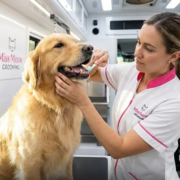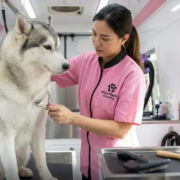
The Best Brushes for Double-Coated Dog Breeds


The Best Brushes for Double-Coated Dog Breeds

If you have ever shared your home with a Siberian Husky, a Golden Retriever, or a fluffy Pomeranian, you know that your life is forever changed—and so is your vacuum cleaner’s workload. Owning a double-coated dog is a journey filled with love, loyalty, and a seemingly infinite amount of “canine glitter” floating through the air. However, maintaining that majestic mane is not just about aesthetics; it is about the health and comfort of your furry companion. Finding The Best Brushes for Double-Coated Dog Breeds can be the difference between a relaxing bonding session and a frustrating battle against stubborn mats and tangles.

Let’s be honest: not all brushes are created equal. You might have a drawer full of grooming tools that promised the world but only seemed to scratch the surface of your dog’s thick fur. The secret lies in understanding how a double coat works and why specific tools are designed to penetrate those dense layers. In this comprehensive guide, we will dive deep into the science of shedding, the essential tools every owner needs, and how to keep your pup looking like they just stepped out of a professional show ring.

Understanding the Architecture of a Double Coat

Before we can select the right tools, we need to understand what we are actually brushing. A double coat consists of two distinct layers. First, there is the undercoat—soft, downy hairs that sit close to the skin. Think of this as your dog’s built-in thermal underwear; it keeps them warm in the winter and cool in the summer. Then, there is the topcoat, or guard hairs. these are longer, coarser hairs that repel water and protect the skin from dirt and UV rays.

Twice a year, many double-coated breeds go through a process colloquially known as “blowing the coat.” This is when the undercoat sheds in massive clumps to make room for a new seasonal layer. During these times, the search for The Best Brushes for Double-Coated Dog Breeds becomes even more critical. If the dead undercoat isn’t removed, it can become trapped under the guard hairs, leading to painful mats and even skin infections. This is precisely why a standard comb just won’t cut it for these specialized breeds.

Why You Need the Best Brushes for Double-Coated Dog Breeds

In fact, using the wrong brush can sometimes do more harm than good. A brush that is too soft will only glide over the topcoat, leaving the dense undercoat to tangle and knot. On the other hand, a tool that is too aggressive can scrape the skin or damage the protective guard hairs. When we talk about The Best Brushes for Double-Coated Dog Breeds, we are looking for a balance of efficiency, safety, and comfort for the animal.

Proper grooming does more than just reduce shedding. It stimulates the skin’s natural oils, which are then distributed across the coat to provide that healthy, glossy shine we all love. It also gives you a chance to check for lumps, bumps, or parasites that might be hiding under that thick fur. For residents in busy urban areas, keeping up with this can be a chore, which is why many choose the convenience of mobile pet grooming in Dubai to ensure their pets get professional care right at their doorstep.

The Essential Kit: The Best Brushes for Double-Coated Dog Breeds

To effectively manage a double coat, you generally need a combination of tools rather than a single “magic” brush. Here are the top contenders that should be in every owner’s grooming kit:

1. The Undercoat Rake

If you could only pick one tool, the undercoat rake would likely be it. These brushes feature long, metal tines that are designed to reach through the topcoat and pull out the loose, dead fur from the undercoat without pulling or cutting the healthy hair. They are particularly effective for breeds like Malamutes, Samoyeds, and German Shepherds. When using an undercoat rake, use light pressure and let the tool do the work; you’ll be amazed at how much fur comes out in just a few strokes.

2. The Slicker Brush

A slicker brush has a flat or slightly curved head with rows of thin wire pins. It is fantastic for removing debris, loose hair, and small tangles from the surface of the coat. While it doesn’t reach as deep as a rake, it is essential for the finishing touches and for smoothing out the coat after a deep deshedding session. Many professional groomers at Missmeow Grooming rely on high-quality slicker brushes to give dogs that “poofy,” clean look after a bath.

3. The Dematting Tool

Sometimes, despite our best efforts, mats happen. This is especially true behind the ears, in the armpits, or around the tail. A dematting tool features sharpened blades (designed to be safe against the skin) that cut through the knot rather than pulling it out by the root. This is much less painful for the dog. However, use these with caution—they are meant for spot-treating tangles, not for grooming the whole body.

4. The Pin Brush

For breeds with longer guard hairs, like the Border Collie or the Rough Collie, a pin brush is a great daily maintenance tool. It looks much like a human hairbrush but with longer, wider-spaced pins. It’s perfect for a quick once-over to keep the hair separated and prevent those initial tiny knots from turning into giant mats. While it isn’t one of the heavy hitters for deshedding, it is certainly one of The Best Brushes for Double-Coated Dog Breeds for day-to-day upkeep.

Top Specialized Tools: Refining the Search for The Best Brushes for Double-Coated Dog Breeds

Beyond the basics, there are specialized deshedding tools like the Furminator or similar stainless-steel blades. These are highly effective but must be used with a gentle hand. They work by grabbing the loose undercoat and pulling it out. Because they are so efficient, it is easy to over-brush one spot, which can lead to “brush burn” or thinning of the coat. Always monitor your dog’s skin while using these powerful tools.

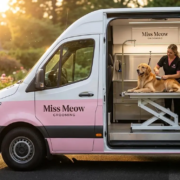
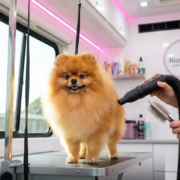
If you find that your dog’s shedding has become unmanageable or if you are worried about hurting their skin, it might be time to bring in the experts. Utilizing a dog grooming van in Dubai allows you to watch the professionals work their magic using industrial-grade high-velocity dryers, which actually “blow” the dead hair out far more effectively than any manual brush ever could.

Techniques for Grooming Double-Coated Dogs

Having The Best Brushes for Double-Coated Dog Breeds is only half the battle; how you use them matters just as much. The “line brushing” technique is the gold standard. This involves lifting a section of the coat with one hand and brushing the hair underneath it from the skin outward. By working in small sections, you ensure that you are reaching the skin and not just skimming the top.

Start from the bottom of the dog (the legs) and work your way up toward the back and head. This systematic approach ensures no spot is missed. Also, remember to be extra gentle in sensitive areas. If you encounter a mat, don’t yank it. Hold the base of the fur near the skin to prevent pulling and gently tease the mat apart with your fingers or a dematting comb.

The Role of Bathing in the Shedding Process

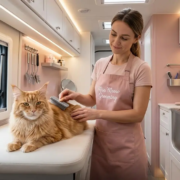
Brushing and bathing go hand-in-hand. A warm bath helps to loosen the dead hair, making the brushing process much more productive. However, never bathe a double-coated dog that is already matted, as water can cause the mats to tighten like knots in a wet rope. Always brush thoroughly before the bath, and then again once the dog is completely dry. While we focus heavily on dogs, it’s worth noting that even long-haired cats benefit from similar care, often provided by specialized cat grooming services to prevent hairballs and skin issues.

Professional groomers often use “deshedding shampoos” that contain omega fatty acids to strengthen the hair follicles and moisturize the skin, which naturally reduces the amount of hair that falls out. If you are interested in these specialized treatments, you can check the Miss Meow pricing and packages to see which options best fit your pet’s needs.

Common Myths About Double-Coated Breeds

One of the most dangerous myths is that you should shave a double-coated dog in the summer to keep them cool. Please, whatever you do, do not shave them! As we discussed earlier, the undercoat acts as insulation. When you shave the coat, you remove the dog’s natural ability to regulate its temperature. Furthermore, the guard hairs may never grow back the same way, often resulting in a patchy, “scraggly” appearance and making the dog more susceptible to sunburn and heatstroke.

Another myth is that “one size fits all” when it comes to grooming tools. A brush that works for a Lab (who has a short, dense double coat) will be useless for a Newfoundlander (who has a long, oily, water-resistant double coat). Tailoring your choice of The Best Brushes for Double-Coated Dog Breeds to your specific dog’s hair length and texture is vital for success.

Maintaining Your Tools for Long-Term Success

Even the highest-quality brushes need maintenance. After every grooming session, remove the hair from the pins or tines. Periodically wash your brushes with mild soap and water to remove skin oils and dander, ensuring they are completely dry before the next use to prevent rust. A well-maintained brush will last for years and remain gentle on your dog’s skin.

Consistency is the final piece of the puzzle. Brushing your double-coated dog once a month isn’t enough. For most breeds, a thorough brushing 2–3 times a week is necessary to keep shedding under control. During the heavy shedding seasons of spring and fall, you might find yourself reaching for your brushes every single day. If your schedule is too packed to keep up with this demand, it is incredibly easy to book a pet grooming appointment and let the experts handle the heavy lifting for you.

A Healthy Dog Starts with a Healthy Coat

In conclusion, caring for a double-coated dog is a commitment, but it is one that pays off in the form of a happier, healthier pet. By investing in The Best Brushes for Double-Coated Dog Breeds—specifically an undercoat rake and a slicker brush—you are taking the first step toward a hair-free home and a very grateful dog. Remember to be patient, use the right techniques, and never underestimate the power of a professional’s touch when the shedding season reaches its peak.

Whether you are tackling the fluff at home or calling in the experts to provide a deep-clean and deshed, your dog will thank you for the extra attention. After all, a well-groomed dog is not just a beautiful sight; they are a comfortable and thriving member of the family. So grab those brushes, find a comfortable spot, and start grooming—your vacuum cleaner will thank you too!

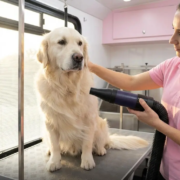
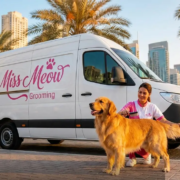
How to Choose the Best Mobile Groomer in Sharjah and Abu Dhabi


How to Choose the Best Mobile Groomer in Sharjah and Abu Dhabi

Living in the United Arab Emirates comes with a lifestyle of convenience and luxury, but it also brings unique challenges for pet owners. Whether you are navigating the busy streets of Sharjah or the expansive neighborhoods of Abu Dhabi, finding the time to take your furry friend to a physical salon can be a logistical nightmare. Traffic, heat, and the stress of car rides can turn a simple haircut into a day-long ordeal for both you and your pet. This is precisely why mobile grooming has skyrocketed in popularity. However, with so many options popping up, knowing how to choose the best mobile groomer in Sharjah and Abu Dhabi is essential for ensuring your pet receives top-tier care in a safe environment.

Think about it: your pet is a member of your family. You wouldn’t trust just anyone with your own health or styling, so why should your dog or cat be any different? A mobile groomer brings the salon to your doorstep, providing a one-on-one experience that traditional shops often lack. But how do you separate the professionals from the amateurs? It takes more than just a van and a pair of clippers to provide a high-quality service. In this guide, we will explore the nuances of the industry and provide you with a roadmap to making the right choice for your beloved companion.

Why You Should Learn How to Choose the Best Mobile Groomer in Sharjah and Abu Dhabi

You might be asking yourself, “Does it really matter which service I pick as long as they show up?” The short answer is yes. The long answer involves safety, hygiene, and the emotional well-being of your pet. In the humid and often dusty climate of the UAE, pets require specific grooming routines to prevent skin infections, heatstroke, and matting. A professional who understands the local environment will know how to treat a coat exposed to AC-dryness and outdoor sand. Furthermore, the convenience of mobile pet grooming in Dubai and surrounding emirates like Sharjah means your pet never has to wait in a cage, which significantly reduces anxiety.

On the other hand, a poorly chosen service could lead to nicks, burns from overheated clippers, or even the transmission of parasites if the van isn’t properly sanitized between appointments. When you understand how to choose the best mobile groomer in Sharjah and Abu Dhabi, you are essentially investing in your pet’s health. Let’s be honest, a happy, clean pet makes for a much happier home. By doing your due diligence, you ensure that the person entering your driveway is a trained expert who treats your pet with the same love and patience that you do.

Assessing the Quality of the Grooming Van

One of the first things you should look at when determining how to choose the best mobile groomer in Sharjah and Abu Dhabi is the vehicle itself. It isn’t just a transport van; it is a miniature, fully functional salon. A high-quality dog grooming van in Dubai or Abu Dhabi should be climate-controlled, well-lit, and equipped with a professional-grade bathtub and grooming table. If the van looks rusted or unkempt from the outside, it’s a red flag regarding the maintenance of the tools inside.

Furthermore, ask about their power and water sources. The best mobile units are self-contained, meaning they don’t need to plug into your home’s electricity or use your garden hose. This level of autonomy shows a commitment to professionalism. Hygiene is another non-negotiable factor. Between every session, the groomer must disinfect the surfaces and tools. Don’t be afraid to ask, “What is your sanitation protocol?” A professional will be proud to tell you about their cleaning routine because they know it’s vital for preventing the spread of skin conditions and bacteria.

The Importance of Experience and Certification

While the equipment is important, the person wielding the shears is the most critical element. In your quest to figure out how to choose the best mobile groomer in Sharjah and Abu Dhabi, always inquire about the groomer’s experience. Are they certified by a recognized grooming association? How many years have they been working with specific breeds? For instance, grooming a Poodle requires a completely different skill set than grooming a Golden Retriever or a Persian cat. Missmeow Grooming, for example, prides itself on employing staff who understand the delicate nature of pet handling and breed-specific aesthetics.

Experience also dictates how a groomer handles a nervous pet. Let’s face it, not every dog loves the sound of a blow dryer. A seasoned professional will use calming techniques, positive reinforcement, and a gentle touch to ensure the experience is as stress-free as possible. If a groomer seems rushed or impatient, they might not be the right fit. You want someone who views pet grooming as a craft and a caregiving task, not just a job to be finished quickly.

How to Choose the Best Mobile Groomer in Sharjah and Abu Dhabi Based on Services Offered

Not all grooming packages are created equal. When you are looking at how to choose the best mobile groomer in Sharjah and Abu Dhabi, look closely at what is included in their “full groom.” A comprehensive service should include more than just a bath and a haircut. It should involve ear cleaning, nail trimming, gland expression (if necessary), and a thorough inspection for any lumps, bumps, or skin irritations that you might have missed. Specialized cat grooming services are also a sign of a versatile provider, as feline grooming requires a much higher level of precision and patience due to their thin skin and temperament.

In fact, many owners overlook the “extras” that can make a big difference. For example, does the groomer offer de-shedding treatments or teeth brushing? In the sandy environments of Sharjah and Abu Dhabi, paws can become dry and cracked. A groomer who offers paw pad balms or specialized shampoos for sensitive skin is someone who understands the local needs. Always check if they can customize their services based on your pet’s specific requirements rather than offering a one-size-fits-all solution.

Evaluating Reviews and Word-of-Mouth Reputation

In the digital age, we have the benefit of collective knowledge at our fingertips. When researching how to choose the best mobile groomer in Sharjah and Abu Dhabi, Google Reviews and social media comments are gold mines of information. Look for patterns rather than isolated incidents. Does everyone mention how punctual the groomer is? Do people rave about how their anxious dog was handled with care? These are the indicators of a truly great service. On the other hand, if you see recurring complaints about hygiene or missed appointments, it’s best to move on.

Don’t stop at just reading the stars; look at how the company responds to feedback. A company that addresses concerns professionally and seeks to resolve issues is often more trustworthy than one that ignores its customers. Furthermore, ask your neighbors or fellow pet owners at the park. Word-of-mouth remains one of the most reliable ways to find hidden gems in the UAE’s pet care industry. People are usually very honest about their experiences, especially when it comes to the safety of their pets.

Transparency in Pricing and Packages

Let’s talk about the elephant in the room: cost. While we all want to save money, the cheapest option is rarely the best when it comes to mobile grooming. The overhead of maintaining a high-tech van and employing skilled staff is significant. When you are evaluating Miss Meow pricing and packages, you will notice that professional services are transparent about what you are paying for. Hidden fees are a major turn-off. A reputable company will provide a clear quote based on your pet’s size, breed, and the condition of their coat.

It is important to remember that you aren’t just paying for a bath; you are paying for the convenience of not leaving your house, the gas, the specialized equipment, and the expertise of the groomer. If a price seems too good to be true, it likely is. It might mean they are cutting corners on hygiene or using low-quality shampoos that could irritate your pet’s skin. A fair price reflects the quality and safety of the service provided.

Geographic Coverage and Availability

Another practical aspect of how to choose the best mobile groomer in Sharjah and Abu Dhabi is their service area. Some companies might claim to cover “all of the UAE,” but in reality, they might only visit certain areas on specific days. This can make scheduling difficult. You want a provider that has a reliable presence in your specific neighborhood, whether you are in Al Majaz in Sharjah or Khalifa City in Abu Dhabi. Consistency is key, especially if you want to set up a regular grooming schedule every four to six weeks.

Reliability is just as important as coverage. If a groomer cancels last minute or shows up hours late without a phone call, it disrupts your day. Professional mobile groomers use sophisticated booking systems to manage their routes and keep clients informed of their arrival time. This level of organization is usually a good indicator of the quality of care they provide to the animals as well. After all, if they can’t manage a calendar, can they manage a sharp pair of scissors around a moving dog?

Initial Consultation and First Impressions

Before the first snip, a good groomer will take a moment to meet your pet and talk to you. This initial consultation is your chance to see how they interact with your furry friend. Do they crouch down to the pet’s level? Do they speak in a calm, soothing voice? This is a vital part of knowing how to choose the best mobile groomer in Sharjah and Abu Dhabi. They should ask about your pet’s medical history, any allergies, and your specific styling preferences. This conversation builds trust and ensures that everyone is on the same page.

Pay attention to the questions they ask you as well. A professional will want to know if your dog has any sensitive spots or if your cat has ever had a bad reaction to grooming in the past. This proactive approach to safety and comfort is what sets the “best” apart from the “rest.” If they just grab the leash and head for the van without a word, it’s a sign that they view your pet as a number rather than an individual.

The Role of Technology in Modern Grooming

Modern mobile grooming has come a long way. From online booking portals to GPS tracking of the van, technology has made the process smoother than ever. When considering how to choose the best mobile groomer in Sharjah and Abu Dhabi, look for those who embrace these conveniences. Being able to book a pet grooming appointment through a user-friendly website or app saves you the hassle of back-and-forth phone calls and allows you to manage your pet’s schedule with ease.

Additionally, some high-end services provide “after-groom” photos or digital report cards detailing how your pet behaved and if the groomer noticed anything you should keep an eye on, like an ear infection or a skin patch. This level of communication is invaluable. It bridges the gap between the grooming van and the pet owner, giving you peace of mind even if you aren’t standing right there during the process.

Safety Protocols and Emergency Preparedness

No one likes to think about things going wrong, but safety must always be a priority. A crucial step in how to choose the best mobile groomer in Sharjah and Abu Dhabi is checking their emergency protocols. Does the groomer have a first-aid kit on board? Do they have a plan in place if a pet becomes overly stressed or if a minor injury occurs? A professional will have clear answers to these questions. They should also be fully insured, which protects both you, your pet, and the groomer in the event of an accident.

Furthermore, look for features in the van like non-slip flooring and secure tethering systems on the grooming table. These small details prevent falls and injuries. A groomer who prioritizes safety will never leave a pet unattended on the table, not even for a second. This level of focused attention is one of the primary benefits of mobile grooming, as the groomer isn’t distracted by other barking dogs or walk-in customers.

Conclusion: Making the Best Choice for Your Pet

In conclusion, finding the perfect grooming service requires a bit of homework, but the payoff is a happy, healthy, and great-smelling pet. When you master how to choose the best mobile groomer in Sharjah and Abu Dhabi, you eliminate the stress of travel and ensure your pet gets the personalized attention they deserve. Look for a service that combines high-tech equipment with a high-touch, compassionate approach. Check their reviews, verify their experience, and ensure their pricing is transparent and fair.

Your pet’s grooming session should be a highlight of their month, not a source of anxiety. By choosing a reputable, professional, and loving mobile groomer, you are providing them with a spa-like experience right in the comfort of their own driveway. Whether you have a tiny kitten or a giant Husky, the right groomer is out there. Take the time to find them, and your pet will surely thank you with plenty of tail wags and purrs.


Top Pet Grooming Mistakes Every Owner Should Avoid


Top Pet Grooming Mistakes Every Owner Should Avoid

We’ve all been there. You look at your beloved furry friend, realize their coat is looking a bit lackluster or their nails are clicking a rhythm on the hardwood floor, and you think, “I can handle this myself.” Armed with a bottle of shampoo and a pair of scissors, you head to the bathroom with the best of intentions. However, what often follows is a comedy of errors—or worse, a stressful experience for both you and your pet. While grooming at home can be a wonderful bonding experience, it is also a minefield of potential mishaps. Understanding the top pet grooming mistakes every owner should avoid is the first step toward ensuring your pet stays healthy, happy, and looking their absolute best.

In the world of pet care, grooming is often misunderstood as a purely cosmetic endeavor. In reality, it is a vital pillar of preventative healthcare. A tangled coat can lead to painful skin infections, and overgrown nails can permanently alter a dog’s gait. Let’s be honest: our pets rely on us for their hygiene, and when we get it wrong, they are the ones who pay the price. In this comprehensive guide, we will dive deep into the common pitfalls that well-meaning owners fall into and how you can navigate the grooming process like a seasoned professional.

Top Pet Grooming Mistakes Every Owner Should Avoid: The Timing Trap

One of the most frequent errors owners make is simply waiting too long between sessions. It is easy to let the weeks slip by, but for many breeds, consistency is everything. When you delay grooming, you aren’t just dealing with a longer coat; you are allowing mats to form and dirt to become deeply embedded. Many owners believe that a “once-every-six-months” shave-down is sufficient, but this can be incredibly hard on a pet’s skin and coat health. Regular maintenance prevents the need for drastic measures later on.

Think of it like dental hygiene; you wouldn’t wait a year to brush your teeth, right? Similarly, brushing your pet’s fur should be a daily or weekly ritual depending on their breed. If you find yourself constantly overwhelmed by the sheer amount of shedding or tangles, it might be time to look into mobile pet grooming in Dubai. Professional groomers can help establish a routine that keeps your pet in top condition without the stress of you having to manage every single detail yourself. By avoiding the mistake of “procrastination grooming,” you ensure that the process remains a positive experience rather than a traumatic overhaul.

Using the Wrong Products for the Job

It is a tempting thought: “My shampoo is high-end and organic, surely it’s fine for my dog.” This is one of the most dangerous top pet grooming mistakes every owner should avoid. Human skin and pet skin have vastly different pH levels. A human’s skin is naturally more acidic, whereas a dog or cat’s skin is more neutral. When you use human products on your pet, you strip away the natural oils that protect their skin, often leading to dryness, irritation, and even chemical burns in sensitive cases.

Furthermore, cats are particularly sensitive to certain essential oils and chemicals found in human-grade products. Using a product not specifically formulated for felines can lead to toxicity. If you are looking for specialized cat grooming services, you will notice that professionals use strictly pH-balanced, tear-free formulas designed specifically for the unique needs of feline fur. Always invest in high-quality, pet-specific shampoos and conditioners. If your pet has a skin condition, consult with a vet or a professional groomer before choosing a product to ensure you aren’t exacerbating the issue.

The Disaster of Dry Brushing and Surface Brushing

Many owners think they’ve done a great job brushing their pet, only to be told by a professional that the animal is “matted to the skin.” How does this happen? It’s usually due to “surface brushing.” This occurs when you only brush the very top layer of the fur, leaving the undercoat to tangle and knot. These hidden mats can pull on the skin, causing discomfort and preventing air from reaching the skin’s surface, which creates a breeding ground for bacteria.

Another common error is brushing a pet when their fur is completely dry and dirty, or worse, brushing out a mat after it has gotten wet. Water often acts like a glue for tangles, tightening them into hard lumps. To avoid these top pet grooming mistakes every owner should avoid, you should use a detangling spray and ensure you are reaching all the way down to the skin with a slicker brush or a metal comb. This technique, often called “line brushing,” ensures that every layer of the coat is free of debris and knots. If the task seems too daunting for a long-haired breed, Missmeow Grooming offers expert solutions that take the guesswork out of coat maintenance.

Top Pet Grooming Mistakes Every Owner Should Avoid: Nail Clipping Nightmares

Few things strike fear into the hearts of pet owners quite like the “quick.” The quick is the vein and nerve that runs through the center of a pet’s nail. If you cut it, it hurts, and it bleeds—a lot. Because of this fear, many owners either avoid clipping nails altogether or they cut only the very tips, which isn’t enough to prevent the nail from curling or putting pressure on the paw pads.

On the other hand, some owners get a bit too ambitious and cut too far back. If you have a dog with black nails, seeing the quick is nearly impossible. This is where many of the top pet grooming mistakes every owner should avoid come to light. The trick is to take small, incremental slices rather than one big chop. If you are nervous about doing this at home, utilizing a dog grooming van in Dubai can be a lifesaver. Professionals have the tools, like grinders and specialized styptic powder, to handle nail trims quickly and safely, removing the anxiety from the equation for both the pet and the owner.

The Danger of Kitchen Scissors

Let’s talk about the “quick trim” at home. You see a stray tuft of hair near your dog’s eyes or a mat behind their ear, and you grab the nearest pair of kitchen scissors. Please, stop right there. This is perhaps one of the most common causes of accidental injury in home grooming. Pets are unpredictable; they flinch, they sneeze, and they wiggle. Kitchen scissors have sharp points and lack the safety features of professional grooming shears.

It only takes a split second for a minor trim to turn into a trip to the emergency vet for stitches. Skin is incredibly thin, especially in areas like the ears, the “armpits,” and the sanitary areas. Instead of risking a cut, use electric clippers with a safety guard or, better yet, leave the haircutting to the experts. Professional groomers spend years learning how to handle blades around moving targets. If you’re curious about the cost of professional safety, checking out the Miss Meow pricing and packages will show you that peace of mind is often more affordable than a vet bill for an accidental laceration.

Ignoring the Ears and Eyes

Grooming isn’t just about the fur and the nails; it’s about the “nooks and crannies” too. Many owners overlook ear cleaning and eye maintenance. For breeds with floppy ears, moisture and wax can build up rapidly, leading to painful yeast infections. Conversely, dogs with white fur or prominent eyes often suffer from tear staining, which can become crusty and harbor bacteria if not wiped away daily.

However, another mistake is being too aggressive. Sticking a Q-tip deep into a dog’s ear canal is a recipe for disaster and can cause permanent hearing damage. The correct way is to use a veterinarian-approved ear cleaner and a soft cotton ball to gently wipe the visible parts of the ear. Similarly, when cleaning around the eyes, use a damp cloth and never apply soap or harsh chemicals near the ocular surface. Neglecting these small details is a hallmark of the top pet grooming mistakes every owner should avoid, as these “minor” areas can lead to major health complications if ignored.

The Bathing Blunder: Not Rinsing Thoroughly

You’ve managed to get your dog into the tub, you’ve lathered them up, and now you’re ready to dry. But did you rinse enough? Probably not. Leftover soap residue is one of the leading causes of post-bath itching and “hot spots.” When shampoo stays on the skin, it dries it out and causes intense irritation. You should rinse until the water runs absolutely clear and then rinse for another two minutes just to be safe.

Additionally, the temperature of the water matters. While we might enjoy a steaming hot shower, pets find high heat distressing and it can actually burn their skin. Lukewarm water is the gold standard. On the flip side, using freezing cold water can send a small pet into a state of shock. Finding that middle ground is essential for a successful bath. Remember, the goal is to make the pet feel refreshed, not tortured.

Top Pet Grooming Mistakes Every Owner Should Avoid: Improper Drying

Once the bath is over, the work isn’t done. Many owners make the mistake of leaving their pet to “air dry.” While this might work for a short-haired dog in a warm climate, for double-coated breeds or long-haired cats, it’s a disaster. Damp fur trapped against the skin can lead to fungal infections and that dreaded “wet dog smell,” which is actually the scent of bacteria thriving in the moisture.

Using a human hairdryer is another common mistake. Our dryers are far too hot for a pet’s sensitive skin and can cause accidental burns or extreme dehydration of the hair shaft. Professional groomers use high-velocity dryers that use air volume rather than heat to blast water away from the skin. If you’re grooming at home, stick to thorough towel drying and use a hairdryer only on the “cool” or “low” setting, keeping it in constant motion to avoid hot spots.

The Psychological Aspect: Forcing the Process

Perhaps the most overlooked of the top pet grooming mistakes every owner should avoid is ignoring the pet’s emotional state. If you force a terrified pet through a bath or a nail trim, you are essentially training them to hate grooming. This creates a cycle of stress that gets worse with every session. Grooming should be introduced slowly, with plenty of treats and positive reinforcement.

If your pet is showing signs of extreme stress—such as excessive panting, trembling, or aggression—it is okay to stop. Pushing through a “bad” session can lead to long-term behavioral issues. This is often why professional services are preferred; a neutral environment and a calm, experienced handler can often soothe a pet that would otherwise be a nightmare for their owner at home. If you’re ready to transition to a stress-free experience, it’s easy to book a pet grooming appointment and let the experts handle the heavy lifting while you focus on being the “fun” parent.

Why Professional Knowledge Matters

At the end of the day, grooming is a skill that combines artistry with biological knowledge. Professional groomers understand the difference between a coat that needs de-shedding and one that needs clipping. They know how to spot early signs of skin tags, tumors, or parasites that an owner might miss under a thick layer of fur. When you avoid the top pet grooming mistakes every owner should avoid, you aren’t just making your pet look “pretty”—you are contributing to their longevity.

It’s also about the right environment. Home bathrooms are often slippery and cramped, which adds to a pet’s anxiety. A dedicated grooming space, like those found in professional vans, is equipped with non-slip surfaces, safety restraints, and professional-grade tubs. This specialized setup minimizes the risk of slips and falls, which is a major concern for senior pets or those with joint issues.

Summary of Best Practices

To wrap things up, let’s look at a quick checklist to ensure you’re on the right track:

  • Always brush before a bath to remove tangles.
  • Use only pet-specific, pH-balanced shampoos.
  • Check the water temperature—lukewarm is best.
  • Rinse twice as much as you think you need to.
  • Never use sharp kitchen scissors for “quick trims.”
  • Dry the coat thoroughly to prevent skin issues.
  • Make it a positive experience with treats and praise.

By keeping these points in mind, you can steer clear of the top pet grooming mistakes every owner should avoid. Whether you choose to handle the routine maintenance at home or rely on the expertise of a professional service, the goal remains the same: a healthy, happy pet that feels as good as they look. Grooming is a labor of love, and with the right approach, it can be one of the most rewarding aspects of your relationship with your animal companion. Don’t let a simple mistake turn into a major headache—stay informed, stay patient, and when in doubt, call in the pros.


Is Hard Water in Dubai Affecting Your Pet’s Coat?


Is Hard Water in Dubai Affecting Your Pet’s Coat?

Living in the desert metropolis of Dubai offers a lifestyle like no other. From the stunning skyline of the Marina to the tranquil vibes of Arabian Ranches, our pets enjoy the high life alongside us. However, beneath the luxury of our temperature-controlled homes lies a hidden challenge that many pet owners overlook: the quality of the tap water. If you have noticed that your Golden Retriever’s golden locks are looking a bit dull, or your Persian cat’s fur feels more like straw than silk, you are likely asking yourself a very important question: Is Hard Water in Dubai Affecting Your Pet’s Coat? It is a concern that resonates with thousands of residents across the UAE, and the answer is more complex than a simple yes or no.

Water is the essence of life, but not all water is created equal. In the UAE, the vast majority of our domestic water comes from desalination plants. While this water is treated to meet high safety standards for hygiene, it often contains a high concentration of minerals, specifically calcium and magnesium. This “hardness” is what leads to that white, chalky residue on your showerheads and kitchen taps. Now, if these minerals can build up on stainless steel, imagine what they are doing to your pet’s delicate skin and fur. In this comprehensive guide, we will explore the science, the signs, and the solutions to ensure your furry friend remains as radiant as the Dubai sunset.

The Science Behind It: Is Hard Water in Dubai Affecting Your Pet’s Coat?

To understand the impact, we first need to look at the chemistry. Hard water is characterized by high levels of dissolved minerals. When you bathe your pet in this water, the minerals don’t just rinse away; they react with the fatty acids in pet shampoos to create what is commonly known as “soap scum.” This isn’t just a bathtub nuisance; it creates a film that sticks to the hair shafts and the skin’s surface. This film acts as a barrier, preventing natural oils from moisturizing the coat and stopping moisture from entering the hair follicle. When people ask, “Is Hard Water in Dubai Affecting Your Pet’s Coat?”, they are usually seeing the physical manifestation of this mineral buildup.

Furthermore, the pH level of the water in Dubai tends to be slightly more alkaline than what is ideal for a pet’s skin. A dog’s skin, for instance, has a specific pH balance that helps maintain the “acid mantle,” a protective layer that fends off bacteria and allergens. Frequent exposure to hard, alkaline water can disrupt this balance, leading to a host of dermatological issues. Let’s be honest, we spend a lot on premium kibble and fancy toys, but we often forget that the very water we use for hygiene might be the culprit behind their constant scratching or lacklustre appearance.

Visible Signs That Is Hard Water in Dubai Affecting Your Pet’s Coat

Identifying the problem is the first step toward a solution. You might be wondering if your pet’s current grooming routine is failing or if the environment is to blame. If you are noticing any of the following symptoms, then it is a clear indication that is hard water in Dubai affecting your pet’s coat. First and foremost is the “dullness factor.” A healthy coat should have a natural sheen that reflects light. Hard water minerals coat the hair, making it look matte and lifeless. Even after a thorough bath, the fur might feel slightly tacky or “grimy” to the touch.

Secondly, pay attention to the texture. Is the fur brittle? Does it break easily? Hard water strips away the natural sebum (oil) that protects each strand of hair. Without this protection, the hair becomes porous and fragile. For long-haired breeds like Shih Tzus or Maine Coons, this leads to increased tangling and matting. Matting is not just an aesthetic issue; it can be painful for the pet and lead to skin infections. Additionally, keep an eye out for “pet dandruff.” Dry, flaky skin is a common side effect of mineral deposits clogging the pores and drying out the epidermis. If your pet is constantly itching despite having no fleas, the water might be the invisible irritant.

The Impact on Different Breeds and Fur Types

Not every pet reacts to hard water in the same way. Some breeds are more susceptible to the harsh effects of the UAE’s water supply. For instance, dogs with double coats, such as Huskies or Malamutes, can trap mineral deposits deep within their undercoat, making it incredibly difficult to rinse thoroughly. On the other hand, breeds with silky coats, like Maltese or Yorkies, will show signs of dullness much faster because their hair is more akin to human hair. Interestingly enough, cat grooming services often report that feline skin is particularly sensitive to the pH fluctuations caused by hard water, leading to localized dermatitis.

Short-haired breeds aren’t immune either. While they might not suffer from heavy matting, their skin is more exposed. When the skin becomes dry and the protective barrier is compromised, these pets become more vulnerable to environmental allergens like dust and pollen, which are prevalent in the desert. This creates a cycle of irritation that can be hard to break without addressing the water quality. It’s not just about vanity; it’s about the overall comfort and health of your companion. When you consider the question—is hard water in Dubai affecting your pet’s coat?—you must realize it is a multi-layered issue affecting different animals in unique ways.

How Professional Grooming Makes a Difference

Maintaining a pet’s coat in a hard-water environment requires specialized knowledge and tools. This is where professional intervention becomes invaluable. Many pet owners find that no matter how many shampoos they buy, they can’t achieve that “show-dog” finish at home. This is often because professional groomers use high-quality water filtration systems or specific demineralizing shampoos that break down the calcium buildup. Using a mobile pet grooming in Dubai can be a game-changer because these units are often equipped with advanced systems designed to handle the local water conditions better than a standard home showerhead.

Professional groomers, like those at Missmeow Grooming, understand the delicate balance required to restore a coat’s health. They employ techniques such as deep-conditioning treatments and the use of pH-balanced products that counteract the alkalinity of the local water. By opting for a dog grooming van in Dubai, you ensure that your pet is treated in an environment where the water quality is monitored and the products used are professional-grade. This level of care goes a long way in reversing the damage caused by daily or weekly exposure to unfiltered tap water. Regular professional sessions can strip away the mineral layers, allowing the skin to breathe and the fur to regain its natural elasticity.

DIY Solutions: Protecting Your Pet at Home

While professional grooming is essential, there are steps you can take at home to mitigate the effects of hard water. One of the most effective solutions is installing a high-quality shower filter. There are many filters available in the UAE specifically designed to remove chlorine and heavy minerals from tap water. This is a relatively inexpensive investment that benefits both you and your pet. When you bathe your pet, try to use lukewarm water rather than hot, as heat can further strip away essential oils from an already dry coat.

Another tip is to use a final rinse made of diluted apple cider vinegar. The acidity of the vinegar helps to neutralize the alkalinity of the hard water and break down mineral deposits. (Just be sure to avoid the eyes and any open scratches!). Furthermore, look for shampoos that are labeled “chelating” or “clarifying.” These are specifically formulated to latch onto minerals and wash them away. However, be careful not to over-bathe. Over-bathing in hard water can accelerate the drying process, making the problem worse. If you are unsure about which products to use, checking out the Miss Meow pricing and packages can give you an idea of the specialized treatments available that you might want to supplement with your home care routine.

The Role of Nutrition in Counteracting External Damage

We often focus so much on what we put *on* our pets that we forget what we put *in* them. While is hard water in Dubai affecting your pet’s coat from the outside, a strong internal foundation can help the body fight back. A diet rich in Omega-3 and Omega-6 fatty acids is crucial for skin health. These healthy fats help to reinforce the skin’s natural lipid barrier, making it more resilient against the drying effects of calcium and magnesium. Salmon oil or flaxseed supplements are often recommended by veterinarians in Dubai to combat the “desert dry” look.

Hydration is another key factor. Ensure your pet is drinking plenty of fresh, filtered water. If the tap water is too hard for their skin, it’s often best to provide them with filtered or bottled water for drinking as well. Proper hydration ensures that the skin cells remain plump and the hair follicles receive the nutrients they need to produce strong, healthy fur. It’s a holistic approach—treating the water they touch and the water they consume.

Is Hard Water in Dubai Affecting Your Pet’s Coat? A Deeper Look at Skin Irritation

Beyond the fur, the skin is the first line of defense. When hard water dries out the skin, it creates microscopic cracks. These cracks are an open invitation for bacteria and yeast to flourish. In the humid months of a Dubai summer, these conditions can lead to “hot spots” or moist dermatitis. If you notice your dog licking its paws excessively or your cat over-grooming certain areas, it might not be allergies—it might be the discomfort caused by mineral residue. Understanding that is hard water in Dubai affecting your pet’s coat is the first step toward preventing these more serious medical issues.

Seasonal Changes and Water Quality

Interestingly, the impact of hard water can fluctuate with the seasons. During the peak of summer, the demand for water increases, and the desalination process might vary, leading to different mineral concentrations. Additionally, the heat itself opens up the pores and the hair cuticles, making them more susceptible to mineral penetration. During these months, the answer to “is hard water in Dubai affecting your pet’s coat?” is a resounding yes. More frequent conditioning and professional check-ups become vital during the hotter months to ensure the coat doesn’t succumb to the harsh environmental “double whammy” of heat and minerals.

Conclusion: Ensuring Your Pet’s Radiance in the UAE

In conclusion, while the water in Dubai is a marvel of modern engineering, its mineral content poses a significant challenge for pet owners. From dull, brittle fur to itchy, flaky skin, the evidence is clear: is hard water in Dubai affecting your pet’s coat? It certainly is. However, by being proactive—using filters, choosing the right grooming products, and focusing on nutrition—you can protect your pet from these adverse effects. The key is consistency and recognizing that your pet’s grooming needs in the UAE are different from those in other parts of the world.

Don’t let the “hidden minerals” in your pipes steal your pet’s shine. Whether you have a playful pup or a sophisticated senior cat, they deserve to feel comfortable in their own skin. If you’ve noticed the signs of hard water damage, now is the time to act. Professional care is just a phone call away, and the results are often visible after just one session. Ready to give your pet the pampering they deserve? You can book a pet grooming appointment today and see the transformation for yourself. With the right care, your pet’s coat can be as vibrant and beautiful as the city we call home.


How Regular Grooming Extends Your Pet’s Lifespan


How Regular Grooming Extends Your Pet’s Lifespan

We often think of grooming as a luxury or a cosmetic necessity—a way to make our furry friends look “cute” for social media or to keep our living rooms free of stray hair. However, if we peel back the layers of that freshly brushed coat, we discover a much deeper truth. Grooming is, in reality, a fundamental pillar of preventative healthcare. When we ask the question, “How Regular Grooming Extends Your Pet’s Lifespan,” we aren’t just talking about aesthetics; we are talking about biological health, early disease detection, and psychological well-being. For any pet parent who views their dog or cat as a family member, understanding this connection is the first step toward ensuring a long, vibrant life for their companion.

Let’s be honest: our pets are masters at hiding discomfort. It is an evolutionary trait; showing weakness in the wild was a death sentence. By the time a pet starts limping or stops eating, a health issue might have already progressed to a critical stage. This is where the magic of a consistent grooming routine comes into play. It provides a structured, frequent opportunity to examine the body in detail, catching the tiny signals that something might be wrong. In this deep dive, we will explore the physiological and emotional ways that proper maintenance contributes to a longer, happier existence for our pets.

The Skin as a Vital Health Indicator

The skin is the largest organ of the body, both for humans and our pets. It serves as the primary barrier against environmental pathogens, regulates temperature, and protects internal organs. When a pet is groomed regularly, the skin is stimulated. Brushing removes dead skin cells and distributes natural oils across the coat, which keeps the skin hydrated and the fur resilient. Without this, the skin can become dry, cracked, and prone to secondary infections.

How Regular Grooming Extends Your Pet’s Lifespan becomes evident when you consider the prevention of “hot spots” and dermatitis. Mats—those tight clumps of tangled hair—are more than just an eyesore. They pull on the skin, causing constant pain and creating pockets where moisture and bacteria thrive. Over time, these can lead to deep-seated skin infections that tax the immune system. A healthy immune system that isn’t constantly fighting off preventable skin issues is one that can better protect your pet against more serious internal diseases as they age.

Early Detection: The Groomer’s Secret Weapon

One of the most significant ways that How Regular Grooming Extends Your Pet’s Lifespan is through the power of early detection. A professional groomer or a dedicated owner brushing their pet daily is often the first to notice a new lump, a strange bump, or a change in skin texture. Many forms of canine and feline cancer, such as mast cell tumors, are treatable if caught early. However, these small growths are easily hidden under a thick or unkempt coat.

During a thorough session, every inch of the pet’s body is handled—from the tips of the ears to the base of the tail. This “hands-on” approach allows for the identification of swollen lymph nodes, hidden parasites like ticks that carry Lyme disease, or even subtle signs of weight loss that might be masked by fluffy fur. By identifying these issues in their infancy, medical intervention can happen sooner, significantly increasing the chances of a full recovery and, consequently, a longer life.

The Hidden Danger of Poor Dental Hygiene

When discussing grooming, many people forget the mouth. However, oral health is perhaps the most direct link between grooming and lifespan. Periodontal disease is rampant in pets that do not receive regular dental care. Bacteria in the mouth don’t just stay there; they enter the bloodstream through inflamed gums. Once in the blood, these bacteria can travel to and damage the heart, kidneys, and liver.

Systemic organ failure is a leading cause of death in senior pets, and much of it can be traced back to years of dental neglect. Integrating teeth cleaning into a regular grooming schedule is a proactive way to protect the heart and kidneys. In fact, studies have suggested that consistent dental care can add years to a pet’s life. This is why many owners now seek out specialized cat grooming services that include oral check-ups and cleaning as part of their routine maintenance.

Maintaining Mobility Through Nail Care

It might seem like a minor detail, but nail trimming is essential for long-term skeletal health. On the other hand, neglecting a pet’s claws can lead to a domino effect of physical ailments. When nails are too long, they force the pet to change the way they walk. This shifts the alignment of the paws, which in turn puts abnormal pressure on the joints of the legs and the spine.

For an older pet, this can exacerbate arthritis and lead to chronic pain or a complete loss of mobility. A pet that cannot move comfortably is a pet that will quickly lose muscle mass and cardiovascular health. By keeping nails at a proper length, we ensure that their skeletal structure remains aligned, reducing the risk of long-term joint degradation. This simple act of maintenance is a key component of How Regular Grooming Extends Your Pet’s Lifespan, as it keeps them active well into their senior years.

The Psychological Impact and Stress Reduction

We must also consider the mental health of our companions. A pet that is covered in mats, plagued by itchy skin, or burdened by overgrown nails is a pet in a constant state of low-level stress. Chronic stress leads to the overproduction of cortisol, a hormone that, in high levels, can weaken the immune system and cause various health complications over time. Let’s be honest, wouldn’t you feel irritable and exhausted if you couldn’t move freely or if your skin was constantly irritated?

Regular grooming sessions, especially when performed in a familiar and low-stress environment, can actually be a bonding experience. It reduces the sensory “noise” of discomfort, allowing the pet to relax. This is why many residents in busy urban areas are turning to mobile pet grooming in Dubai. By bringing the salon to the driveway, the stress of travel is eliminated, making the grooming process a positive contribution to the pet’s mental well-being rather than a traumatic event. A happy, stress-free pet is a healthy pet.

The Evolution of Professional Care

The industry has shifted from basic “wash and dry” shops to holistic wellness centers. Modern professionals are trained to recognize the signs of ear infections, eye discharge, and even behavioral changes that might indicate pain. When you utilize a high-quality dog grooming van in Dubai, you aren’t just paying for a haircut; you are investing in a wellness check that happens in the comfort of your pet’s own territory. Missmeow Grooming, for example, emphasizes this holistic approach, ensuring that every session addresses the physical and emotional needs of the animal.

Temperature Regulation and Seasonal Safety

Another often overlooked aspect of How Regular Grooming Extends Your Pet’s Lifespan is the role of the coat in thermoregulation. Contrary to popular belief, a pet’s fur isn’t just to keep them warm; in many breeds, it acts as insulation against the heat as well. However, this only works if the coat is clean and free of mats. A matted coat traps heat and prevents air from reaching the skin, which can lead to heatstroke—a condition that can be fatal within minutes.

Conversely, in cooler months or in air-conditioned environments, a clean, fluffed coat provides the necessary insulation to keep the body’s core temperature stable. By managing the coat according to the season and the specific breed’s needs, we prevent the physiological strain caused by extreme temperature fluctuations. This consistency in body temperature regulation reduces the burden on the heart and lungs, further supporting a longer life.

The Role of Nutrition and Grooming

It is a two-way street: nutrition affects the coat, and grooming helps us see the effects of nutrition. A dull, brittle, or thinning coat is often the first sign of a nutritional deficiency or an underlying metabolic disorder like hypothyroidism or Cushing’s disease. When we maintain a schedule, we become intimately familiar with the “normal” state of our pet’s fur. If the texture suddenly changes, it’s a red flag that prompts a visit to the vet.

Furthermore, regular brushing helps reduce the amount of loose fur a pet (especially a cat) ingests while self-grooming. This drastically reduces the formation of hairballs, which can sometimes cause dangerous intestinal blockages. In this way, How Regular Grooming Extends Your Pet’s Lifespan by preventing surgical emergencies and ensuring the digestive system remains clear and functional.

Choosing the Right Service for Your Lifestyle

Every pet is unique, and their grooming needs vary based on breed, age, and activity level. Some may require a simple bath and brush every few weeks, while others need complex clips and deep-cleaning treatments. Understanding the various Miss Meow pricing and packages can help owners tailor a schedule that fits both their budget and their pet’s specific health requirements. Whether it’s a high-energy Golden Retriever or a sedentary Persian cat, the goal remains the same: sustained health through meticulous care.

Investing in the Future of Your Pet

It is easy to push off a grooming appointment when life gets busy. However, we should view these sessions not as a chore, but as an investment in the future. The cost of a regular grooming session is significantly lower than the cost of treating a severe skin infection, performing dental surgery, or managing a chronic illness that could have been caught early. When we look at How Regular Grooming Extends Your Pet’s Lifespan, the financial and emotional ROI is undeniable.

Beyond the physical benefits, the time spent grooming—whether at home or by a professional—builds trust. It reinforces the bond between the pet and the caregiver. This bond is the foundation of a pet’s life. When a pet feels cared for and comfortable, their overall quality of life skyrockets. Quality of life and quantity of life are deeply intertwined; a pet that enjoys their days is more resilient and more likely to thrive into their “golden years.”

Practical Tips for Home Maintenance

While professional grooming is essential, home care plays a supporting role. Brushing your pet a few times a week keeps the coat manageable between professional visits. It also desensitizes them to being handled, which makes the professional’s job easier and less stressful for the animal. Check their ears for redness or odor, and keep an eye on their paw pads for cracks or stuck debris. These small habits, combined with professional expertise, create a comprehensive safety net for your pet’s health.

Conclusion: A Commitment to Longevity

In conclusion, the phrase “How Regular Grooming Extends Your Pet’s Lifespan” is not an exaggeration. It is a biological reality. From the prevention of systemic infections via dental care to the early detection of life-threatening tumors and the maintenance of skeletal health through nail trimming, grooming is a medical necessity. It is the most proactive thing a pet owner can do to ensure their companion stays by their side for as long as possible.

If you haven’t established a routine yet, there is no better time than the present. Your pet relies on you to make decisions for their health that they cannot make for themselves. Take the leap and book a pet grooming appointment today. Whether you choose a traditional salon or the convenience of a mobile unit, you are making a choice that prioritizes their well-being. After all, our pets give us their whole lives; the least we can do is make sure those lives are as long, healthy, and comfortable as possible.


Dealing with Cat Anxiety During Grooming Sessions


Dealing with Cat Anxiety During Grooming Sessions

Let’s be honest: for most cat owners, the mere mention of a bath or a brush sends their feline friend sprinting under the sofa or scaling the nearest bookshelf. We love our cats for their independent spirits and meticulous self-cleaning habits, but when it comes to human intervention in their hygiene, the dynamic often shifts from cuddly to chaotic. Dealing with Cat Anxiety During Grooming Sessions is a challenge that requires patience, understanding, and a gentle touch. Unlike dogs, who often view grooming as an extension of play or social bonding, cats are highly territorial and sensitive to sensory changes. To them, the sound of running water or the vibration of clippers isn’t just a minor annoyance; it can feel like a direct threat to their safety.

If you have ever tried to trim your cat’s claws only to end up with more scratches on your arms than the scratching post, you are not alone. It is a common struggle, but it doesn’t have to be a permanent one. By understanding the underlying causes of their fear and implementing strategic techniques, you can transform a stressful ordeal into a manageable—and perhaps even pleasant—experience for both you and your pet. The secret lies in gradual exposure and creating an environment where the cat feels in control rather than cornered.

Understanding the Root of the Problem

To effectively manage the situation, we must first look at the world through a cat’s eyes. Cats are both predators and prey in the wild. This dual nature makes them hyper-aware of their surroundings. When we pick them up, restrain them, and apply strange-smelling soaps or loud tools, we are essentially triggering their “fight or flight” response. Dealing with Cat Anxiety During Grooming Sessions starts with acknowledging that their fear is a natural biological reaction, not a sign of “bad behavior” or spite.

Furthermore, cats have a much more acute sense of smell and hearing than humans do. The scent of a floral shampoo might be pleasant to us, but to a cat, it can be overwhelming and intrusive. Similarly, the high-pitched whine of a professional blow dryer can sound like a roaring engine to their sensitive ears. When we combine these sensory triggers with the physical restraint required for a thorough cleaning, it’s no wonder they become anxious. Our goal as caregivers is to bridge the gap between necessary hygiene and their need for security.

Identifying Signs of Stress in Your Feline

How do you know when your cat has moved from minor annoyance to full-blown panic? Recognizing the early warning signs is crucial. If you ignore the subtle cues, the anxiety will only escalate, making future sessions even harder. Look for dilated pupils, flattened ears, and a twitching tail. These are the feline equivalent of a “yellow light” warning you to slow down. If the cat begins to hiss, growl, or let out low-pitched meows, they are telling you they have reached their limit.

In more severe cases, an anxious cat might pant, drool, or even experience involuntary urination. These are clear indicators that the stress levels have become dangerous. At this point, it is best to stop the session immediately. Forcing a terrified cat through a bath will only cement their fear and potentially damage the bond you share. Instead, we want to work within their “threshold,” pushing boundaries just enough to make progress without causing a meltdown. This is the cornerstone of effectively Dealing with Cat Anxiety During Grooming Sessions.

The Power of a Calm Environment

Where you choose to groom your cat matters just as much as how you do it. A bustling kitchen with children running around and a TV blaring in the background is a recipe for disaster. To minimize stress, choose a quiet, enclosed room where the cat feels relatively safe. Some owners find that playing soft classical music or using pheromone diffusers can help take the edge off a cat’s nerves. These synthetic pheromones mimic the natural “happy messages” cats leave when they rub their cheeks against furniture, signaling that the area is safe.

However, even the best home environment can’t always compete with the convenience of professional help that comes to you. Many owners have found that using a mobile pet grooming in Dubai is a game-changer. By bringing the grooming station to your doorstep, you eliminate the stress of a car ride and the anxiety-inducing sights and sounds of a traditional busy salon. The cat remains in a familiar territory, which significantly lowers their baseline stress levels before the grooming even begins.

Strategies for Dealing with Cat Anxiety During Grooming Sessions

Desensitization is your best friend when it comes to long-term success. You wouldn’t expect a person who is afraid of heights to skydive on their first day of therapy, so don’t expect your cat to enjoy a full bath immediately. Start by leaving the grooming tools—brushes, combs, clippers—out in the cat’s living space. Let them sniff and investigate these objects on their own terms. Reward their curiosity with high-value treats.

Once they are comfortable with the presence of the tools, move to “mock grooming.” Touch the brush to their side without actually brushing, or click the nail clippers in the air while giving them a treat. This creates a positive association with the sounds and sensations. When Dealing with Cat Anxiety During Grooming Sessions, the objective is to make the process predictable. Cats crave routine, and if they know that a specific sound leads to a delicious snack, their fear begins to dissipate. Eventually, you can move to short, two-minute grooming sessions, gradually increasing the duration as they remain calm.

The Expertise of Professional Groomers

There are times when a cat’s anxiety is simply too high for a DIY approach, or perhaps their coat has become so matted that it requires professional intervention. This is where the skills of an experienced professional become invaluable. Professional groomers, such as the team at Missmeow Grooming, are trained to handle nervous felines with specific techniques that prioritize the animal’s well-being. They understand feline anatomy and behavior, knowing exactly how to hold a cat to make them feel secure without being restrictive.

A professional touch can often accomplish in twenty minutes what might take an owner two hours of struggle. These experts use specialized equipment designed for speed and safety. When you opt for professional cat grooming services, you are not just paying for a clean pet; you are investing in a stress-managed environment where the risk of injury to both the cat and the handler is minimized. Professionals know when to take breaks and when to use soothing techniques that an amateur might not be aware of.

Innovative Solutions for Modern Pet Owners

Modern grooming has evolved significantly. We are no longer limited to the “one size fits all” approach of the past. For instance, the rise of specialized vehicles has revolutionized the industry. Whether you have a cat that needs a trim or a canine companion that needs a wash, the flexibility of a dog grooming van in Dubai highlights how the industry is moving toward personalized, mobile solutions. These vans are fully equipped with temperature-controlled water, high-quality shampoos, and ergonomic tables, all within a self-contained, quiet space.

This personalized attention is particularly beneficial for Dealing with Cat Anxiety During Grooming Sessions because it removes the “waiting room” factor. In a standard shop, a cat might have to wait in a cage surrounded by barking dogs and unfamiliar smells. In a mobile unit, the focus is 100% on them. This one-on-one interaction allows the groomer to move at the cat’s pace, stopping if the cat shows signs of overstimulation and resuming only when they have settled down.

The Importance of Professional Help in Dealing with Cat Anxiety During Grooming Sessions

Why do some cats behave better for a stranger than for their owners? It’s a question that baffles many. Often, it’s because the cat picks up on the owner’s own anxiety. If you are nervous about clipping your cat’s nails, your cat will feel your tension and assume there is a reason to be afraid. A professional groomer approaches the task with a calm, assertive energy that can actually be quite soothing to an animal. They aren’t worried about the cat’s reaction; they are focused on the task with a steady hand.

Moreover, professionals have access to tools that make the job easier. From waterless shampoos that eliminate the need for a scary dunk in the tub to silicone “lick mats” that keep a cat occupied with a treat while they are being brushed, these tools are designed to distract and delight. If you are curious about the costs associated with these high-level services, you can easily check Miss Meow pricing and packages to find a solution that fits your budget and your cat’s specific needs. Whether it’s a simple nail trim or a full “lion cut,” having a professional handle the heavy lifting can save your relationship with your cat from the strain of grooming-related conflict.

Long-Term Benefits of Dealing with Cat Anxiety During Grooming Sessions

While it might seem like a lot of effort to cater to a cat’s delicate sensibilities, the long-term benefits are undeniable. A cat that is groomed regularly is less likely to suffer from painful mats, which can pull on the skin and cause infections. Regular grooming also reduces the amount of loose fur they ingest, which in turn leads to fewer hairballs and a healthier digestive system. But perhaps the greatest benefit is the peace of mind you get knowing your cat is healthy and comfortable.

When you successfully navigate the hurdles of Dealing with Cat Anxiety During Grooming Sessions, you are also building a deeper level of trust. Your cat learns that even when something unusual is happening, you are there to protect them. This trust spills over into other areas of your life together, from vet visits to administering medication. It turns a potential battleground into a moment of care and connection.

Choosing the Right Time and Approach

Timing is everything. Never try to groom a cat when they are in the middle of a “zoomie” session or right after they have been startled by a loud noise. The best time to approach them is when they are naturally relaxed—perhaps after a meal or a long nap. Their energy levels are lower, and they are more likely to tolerate being handled. Keep your own energy calm and your voice low and melodic.

If you find that the home environment is just too full of distractions or if you simply don’t have the time to dedicate to the slow process of desensitization, it’s perfectly okay to delegate. Don’t wait until your cat’s fur is an unmanageable mess. You can book a pet grooming appointment today and let the experts handle the transition. Regularity is key; the more often a cat experiences a stress-free grooming session, the more routine it becomes, eventually losing its “scary” status altogether.

Post-Grooming Care: The “Cool Down” Period

What you do after the grooming session is just as important as the session itself. Once the brushes are put away or the groomer has left, give your cat some space. Some cats like to immediately groom themselves to “reset” their scent, while others might want to hide for a half-hour. Let them. Provide a special treat or a new toy as a “jackpot” reward for their bravery.

Never scold a cat for being anxious during a session. Punishing fear only creates more fear. Instead, focus on the small victories. Did they let you brush their back for thirty seconds today instead of ten? That’s a win. Did they stay calm while you touched their paws? That’s progress. Over time, these small wins add up to a significant shift in behavior. Dealing with Cat Anxiety During Grooming Sessions is a marathon, not a sprint.

Conclusion: A Path Toward Stress-Free Grooming

In the end, our cats rely on us for their health and safety. While they might protest the bath or the brush in the moment, the comfort of a clean, mat-free coat is something they certainly appreciate. By taking a proactive, empathetic approach to Dealing with Cat Anxiety During Grooming Sessions, we can remove the trauma from the equation. Whether you choose to work on desensitization at home or enlist the help of a mobile professional, the goal remains the same: a happy, healthy, and relaxed feline.

Remember that every cat is an individual. What works for a gregarious Ragdoll might not work for a shy rescue cat. Be prepared to adapt your techniques and be patient with the process. With the right tools, a calm environment, and perhaps a little help from the pros, grooming day can stop being a day of dread and start being just another part of your cat’s pampered life. After all, they deserve to look and feel their best, and we deserve to keep our skin scratch-free!


Why Your Pet Needs a Professional Deshedding Service Before Summer


Why Your Pet Needs a Professional Deshedding Service Before Summer

As the mercury begins to climb and the golden sun of the UAE starts to feel a little more intense, pet owners across the region find themselves facing a familiar challenge. It starts with a few stray hairs on the sofa, then a light dusting of fur on your favorite black trousers, and before you know it, your living room is hosting a parade of “fur-tumbleweeds” drifting across the floorboards. While shedding is a perfectly natural biological process for our four-legged companions, the transition into the hotter months presents a unique set of difficulties. Understanding Why Your Pet Needs a Professional Deshedding Service Before Summer isn’t just about keeping your upholstery clean; it is about the fundamental health, comfort, and well-being of your beloved dog or cat.

Many pet parents assume that a quick brush at home is enough to manage the seasonal change. However, there is a profound difference between surface-level maintenance and a deep, professional deshedding treatment. In a climate like ours, where the heat can become oppressive in a matter of weeks, being proactive with your pet’s coat management is one of the kindest things you can do for them. In this comprehensive guide, we will explore the science of shedding, the risks of neglecting the undercoat, and the lifestyle benefits of choosing a professional touch over a DIY approach.

The Biological Mechanism Behind Seasonal Shedding

To understand Why Your Pet Needs a Professional Deshedding Service Before Summer, we first have to look at what is happening beneath the surface of their fur. Most domestic pets have what is known as a “double coat.” This consists of a harsh, weather-resistant outer layer called guard hairs and a soft, dense inner layer known as the undercoat. The undercoat acts as insulation, keeping them warm in the winter and, surprisingly, helping to regulate their temperature in the summer—but only if it is managed correctly.

When the days get longer and the temperature rises, a pet’s body receives a hormonal signal to “drop” the heavy winter undercoat. This process is often called “blowing the coat.” If this dead hair isn’t removed efficiently, it becomes trapped against the skin. Instead of providing insulation, it creates a thick, matted layer that prevents air from reaching the skin, essentially wrapping your pet in a heavy wool sweater during a heatwave. This is why a professional intervention is so critical; regular brushes often only glide over the top, leaving the problematic undercoat untouched.

Why Your Pet Needs a Professional Deshedding Service Before Summer for Heat Management

Let’s be honest: Dubai summers are no joke. For a dog or cat, heat exhaustion is a very real and dangerous threat. While humans sweat to cool down, our pets rely primarily on panting and heat exchange through their skin and paw pads. If a pet is burdened by a thick layer of dead, trapped undercoat, their natural cooling mechanism is severely compromised. By investing in a professional service, you are essentially helping them “thin out” their wardrobe for the summer.

A professional deshedder uses specialized tools that reach through the topcoat to gently extract the loose undercoat without damaging the healthy guard hairs. This allows for better airflow, which is the primary way your pet stays cool. If you’ve been looking for high-quality mobile pet grooming in Dubai, you probably already know that heat is the biggest enemy of your pet’s comfort. Reducing the volume of fur before the peak of summer ensures that every breeze and every blast of air conditioning actually reaches their skin, providing them with the relief they deserve.

Skin Health and the Prevention of “Hot Spots”

Another critical reason Why Your Pet Needs a Professional Deshedding Service Before Summer is the prevention of skin irritations. When dead hair is left to sit on the skin, it traps moisture, oils, and dander. In the humid environment of a coastal city, this becomes a breeding ground for bacteria and fungi. This can lead to “hot spots”—painful, inflamed, and often oozing patches of skin that can spread rapidly if the pet starts licking or scratching them.

Professional groomers are trained to spot these issues before they become emergencies. During a deshedding session, they can identify lumps, bumps, or dry patches that you might miss under a thick coat. Furthermore, the products used in a professional setting, such as deshedding shampoos and conditioners, are formulated to strengthen the hair follicles and soothe the skin, reducing the likelihood of irritation during the high-shedding season. Cats are notorious for hiding their discomfort, which is why specialized cat grooming services are essential; a professional can manage their delicate skin and coat without the stress that often accompanies home grooming attempts.

The Impact of Professional Tools vs. Home Brushing

You might be wondering, “Can’t I just buy a brush and do it myself?” While home brushing is a great habit for bonding and maintenance, it rarely achieves the same results as a professional session. Professional groomers utilize a multi-step process that involves high-velocity dryers, deshedding blades, undercoat rakes, and silicone brushes. The high-velocity dryer, in particular, is a game-changer. It literally blows the dead hair out from the root, reaching areas that a hand brush simply cannot navigate.

When you use a dog grooming van in Dubai, you are getting access to industrial-grade equipment designed specifically for this purpose. The mechanical action of these tools, combined with the expertise of the groomer, ensures that up to 90% of the loose hair is removed in a single session. This is far more effective than the 20-30% usually achieved with a standard grocery-store brush. This efficiency is the core reason Why Your Pet Needs a Professional Deshedding Service Before Summer—it’s about getting the job done thoroughly to provide lasting comfort.

Reduced Allergens and a Cleaner Home Environment

It’s not just about the pet; it’s about you and your family, too. For many of us, the “shedding season” coincides with a rise in indoor allergies. It isn’t actually the fur itself that people are allergic to, but the dander (dead skin cells) and saliva that stick to the fur. When your pet sheds, these allergens are dispersed into the air and onto every surface in your home. By removing the bulk of that hair professionally, you significantly reduce the amount of dander circulating in your living space.

Imagine a summer where you don’t have to vacuum every single day, or where you can actually host guests without worrying about their clothes being covered in cat hair. This level of cleanliness is much easier to maintain after a professional treatment. Missmeow Grooming understands that a clean pet leads to a clean home, and their mobile services are designed to keep the mess out of your house and inside their specialized grooming environment. When checking Miss Meow pricing and packages, it is easy to see the value in the time and energy you save on household cleaning alone.

The Psychology of a Well-Groomed Pet

We often forget that pets, much like humans, feel better when they are clean and well-maintained. A heavy, matted, or excessively thick coat can be physically draining. It adds weight, restricts movement, and causes itchiness. Have you ever noticed how “zippy” and energetic a dog becomes after a fresh groom? That isn’t a coincidence. Removing the dead weight of a winter coat is like a literal weight being lifted off their shoulders.

Furthermore, regular professional grooming desensitizes pets to being handled. This is particularly important for younger animals or those that are naturally anxious. The controlled, calm environment of a professional van, away from the distractions of the home, allows the pet to relax into the process. This psychological comfort is a huge part of Why Your Pet Needs a Professional Deshedding Service Before Summer. It prepares them mentally and physically for the active months ahead, ensuring they are ready for park visits and walks once the sun goes down.

Why Shaving is Not Always the Answer

A common misconception is that the best way to keep a pet cool in summer is to shave them down to the skin. However, for double-coated breeds, this can be incredibly damaging. Shaving a double-coated dog or cat can ruin their coat’s texture, leading to permanent patches or hair that grows back “fuzzy” and prone to matting. Even worse, it removes the guard hairs that protect them from UV rays, leaving them vulnerable to sunburn and even skin cancer.

This is exactly Why Your Pet Needs a Professional Deshedding Service Before Summer instead of a shave. Deshedding removes only the dead undercoat while leaving the protective outer layer intact. This allows the coat to function as it was designed—insulating against the heat and protecting against the sun. A professional groomer will guide you on the best approach for your specific breed, ensuring that their natural defenses remain functional while maximizing their cooling potential.

The Convenience Factor: Mobile Grooming in the UAE

One of the biggest hurdles for pet owners is the logistics of getting their pet to a salon. The heat makes it difficult to transport a furry friend in a car, and the stress of a busy waiting room can be overwhelming for many pets. This is where the beauty of mobile services comes in. Having a professional come to your doorstep eliminates the travel stress and keeps your pet in a familiar environment.

If you are ready to give your pet the best start to the season, you should book a pet grooming appointment with a service that understands the local climate. By choosing a mobile option, you ensure that the entire process—from the initial bath to the final deshedding brush—is handled in a climate-controlled, professional-grade facility parked right outside your home. It’s the ultimate convenience for the busy pet owner and the most comfortable option for the pet.

A Step-by-Step Look at a Professional Deshedding Session

So, what actually happens during a session? It usually begins with a thorough assessment of the coat’s condition. The groomer then uses a specialized deshedding shampoo that helps to loosen the hair follicles of the dead undercoat. This is followed by a conditioner that hydrates the skin and makes the hair easier to extract. The “magic” often happens during the drying phase; the high-velocity air stream removes a significant portion of the loose fur before a brush even touches the pet.

Once the pet is dry, the groomer uses specific tools like carding combs or undercoat rakes to finish the job. They pay close attention to high-shed areas like the “trousers” (the back of the thighs), the ruff around the neck, and the base of the tail. The result is a pet that looks sleeker, feels lighter, and smells incredible. This meticulous process is the primary reason Why Your Pet Needs a Professional Deshedding Service Before Summer—it’s a level of detail that is simply impossible to replicate at home.

Final Thoughts on Summer Preparation

As we look forward to the summer months, our to-do lists are often filled with travel plans, home maintenance, and preparing for the heat. Including your pet’s coat care in those preparations is essential. A professional deshedding service is an investment in your pet’s health, your home’s cleanliness, and your own peace of mind. By addressing the shedding process before the temperatures peak, you are preventing discomfort, reducing health risks, and ensuring your furry friend can enjoy the season to the fullest.

Don’t wait until the first 40-degree day to realize that your pet is struggling. Be proactive. Recognize the signs of a heavy undercoat and understand that your pet relies on you to make the right choices for their comfort. Whether you have a fluffy Golden Retriever, a thick-coated Persian cat, or a mixed breed with a surprising amount of fur, they will all benefit from the expertise of a professional. Why Your Pet Needs a Professional Deshedding Service Before Summer is clear: it is about quality of life, both for the pet and the person who loves them.

In conclusion, the transition into summer doesn’t have to be a battle against fur and heat. With the right professional help, your pet can stay cool, healthy, and happy. Remember, the goal of grooming isn’t just to make them look good—it’s to make them feel good. Take the step today and prepare your pet for the vibrant, sunny months ahead with a treatment that truly makes a difference.


Grooming Tips for Pomeranians to Keep Their Coat Fluffy


Grooming Tips for Pomeranians to Keep Their Coat Fluffy

There is perhaps no dog breed more synonymous with the word “cloud” than the Pomeranian. These tiny, spirited companions are known for their vibrant personalities and, more importantly, their magnificent, voluminous coats. However, achieving that perfect, round, cotton-candy look doesn’t happen by accident. If you have ever looked at your Pom and thought they were looking a little more “flat” than “fluffy,” you are not alone. Maintaining that signature silhouette requires a blend of consistency, the right tools, and a deep understanding of their unique double coat. In this comprehensive guide, we will dive deep into Grooming Tips for Pomeranians to Keep Their Coat Fluffy, ensuring your little lion remains the talk of the neighborhood.

Understanding the Pomeranian Double Coat

Before we pick up a brush, we have to understand what we are working with. Pomeranians possess what is known as a double coat. This consists of a soft, dense undercoat that provides insulation and a longer, harsher outer coat made of guard hairs that stand off the body. It is this combination that creates the “fluff.” If the undercoat becomes compacted or the guard hairs become weighed down by oils and dirt, the fluff factor vanishes. Let’s be honest, a flat-coated Pomeranian is still cute, but they lose that regal, puffball essence we all love.

One of the most important Grooming Tips for Pomeranians to Keep Their Coat Fluffy is to never, ever shave them. Shaving a double-coated dog can permanently damage the texture of the hair and disrupt their natural ability to regulate their temperature. Instead of cooling them down, it leaves them vulnerable to sunburn and heatstroke. The goal of grooming is to manage the hair, not remove it. By focusing on shedding cycles and moisture balance, you can maintain that iconic look without compromising the dog’s health.

Daily Brushing: The Foundation of the Fluff

If you want a fluffy Pomeranian, you have to get comfortable with a brush. This isn’t a once-a-week task; it is a daily commitment. Brushing serves two purposes: it removes loose fur from the undercoat before it can form mats, and it stimulates the skin’s natural oils, distributing them along the hair shaft for a healthy shine. However, simply dragging a brush over the top isn’t enough. You need to practice “line brushing.”

Line brushing involves parting the hair and brushing from the skin outward in small sections. This ensures you are reaching the dense undercoat where tangles often hide. For those living in busy urban environments, finding the time for this can be tricky. This is why many owners opt for mobile pet grooming in Dubai to ensure their pets get professional-level maintenance right at their doorstep. A professional can help clear out the “dead” hair that prevents the coat from standing upright.

Essential Tools for the Perfect Pom-Puff

You wouldn’t try to paint a masterpiece with a house-painting brush, and you shouldn’t groom your Pom with subpar tools. To follow our Grooming Tips for Pomeranians to Keep Their Coat Fluffy, you need a specific kit. First, a high-quality slicker brush with fine, flexible pins is non-negotiable. This is your primary tool for fluffing the hair and removing debris. Second, a stainless steel greyhound comb is essential for checking your work; if the comb can’t slide through the hair easily, there is a hidden knot that needs attention.

Furthermore, consider a dual-sided pin brush for finishing touches and a dematting tool for those stubborn spots behind the ears. Using these tools correctly prevents the coat from laying flat. In fact, many people who also own cats find that the tools used in professional cat grooming services—specifically the fine-toothed combs—are surprisingly effective for the delicate hair around a Pomeranian’s face and ears.

Bathing for Volume: Not All Shampoos are Equal

Bathing a Pomeranian is a bit of an art form. If you use a heavy, oil-laden shampoo, you will weigh down the hair, resulting in a sleek but decidedly non-fluffy dog. To keep the coat standing tall, you want a volumizing shampoo. These formulas are designed to open up the hair cuticle slightly or coat the hair in proteins that add “body.” However, you must be careful not to over-strip the coat of its natural moisture, which can lead to brittle hair and breakage.

Always follow up with a light, leave-in conditioner or a diluted rinse-out conditioner. The trick is to apply conditioner only to the ends of the guard hairs and avoid the roots, as heavy conditioning at the skin level is the fastest way to lose volume. If you find the bathing process overwhelming, calling a dog grooming van in Dubai can take the stress off your hands. These vans are equipped with professional-grade tubs and high-velocity dryers that are far more effective than your standard home hairdryer.

The Magic of the High-Velocity Dry

If there is one “secret” among the Grooming Tips for Pomeranians to Keep Their Coat Fluffy, it is the method of drying. Rubbing a Pomeranian with a towel is a recipe for disaster; it creates friction, causes tangles, and flattens the hair. Instead, you should gently pat them dry and then use a high-velocity dryer. These machines don’t rely on high heat, which can damage the hair; instead, they use a powerful stream of air to “blast” the water out of the coat and separate every individual hair strand.

As you dry, use your slicker brush to brush the hair against the direction of growth. This technique, often called “force drying,” is what gives Pomeranians that perfectly round, dandelion-clock appearance. If you are doing this at home, ensure the dryer is on a cool or warm setting. For those who want this salon-quality finish without the mess in their bathroom, check out the Miss Meow pricing and packages to see how an expert groomer can handle the blow-out for you. A professional finish lasts much longer than a DIY one.

Dealing with Mats and Tangles Safely

Even with the best intentions, mats can happen. They usually form in high-friction areas: behind the ears, under the armpits, and around the “trousers” (the back of the thighs). When you find a mat, don’t reach for the scissors immediately. Cutting out a mat often leaves a visible “hole” in the fluff that can take months to grow back. Instead, use a detangling spray and your fingers to gently tease the knot apart.

Once the mat is loosened, use the end of your metal comb to pick it apart slowly. This patience is a key part of our Grooming Tips for Pomeranians to Keep Their Coat Fluffy. If the matting is too severe, it may be time to seek professional help. Missmeow Grooming professionals are trained to handle “pelted” or matted coats with care, ensuring the dog remains comfortable while preserving as much of the coat as possible. Preventing mats is always easier than removing them, so pay extra attention to those friction-prone areas during your daily brushing sessions.

The Role of Nutrition in Coat Fluffiness

We often talk about what we put *on* the coat, but what we put *into* the dog is just as important. A dull, flat coat is often a sign of nutritional deficiencies. To keep that coat fluffy and resilient, a Pomeranian needs a diet rich in Omega-3 and Omega-6 fatty acids. These healthy fats nourish the hair follicles and ensure the guard hairs are strong enough to stand upright rather than snapping or laying flat.

Hydration also plays a massive role. Dehydrated skin leads to dry, brittle hair that loses its “bounce.” Ensure your Pom always has access to fresh water, especially in warmer climates like the UAE. If you notice your dog’s coat looking particularly lackluster, a consultation with a vet or a high-end groomer might reveal that a supplement change is needed. A healthy dog is a fluffy dog, and no amount of brushing can compensate for poor internal health.

Trimming for Shape, Not for Length

While we’ve established that shaving is a big no-no, trimming is absolutely necessary to maintain a tidy, fluffy look. Pomeranians tend to grow long hair between their paw pads and around their “sanitary” areas. Keeping these areas trimmed prevents them from tracking in dirt or becoming stained. Additionally, a light “toss-up” or “outline trim” can help accentuate the roundness of the coat.

When trimming for fluff, the goal is to remove the “stragglers”—those long, thin hairs that stick out beyond the main silhouette. By trimming these back to the level of the dense coat, you create a more compact and voluminous appearance. This requires a steady hand and professional-grade shears. If you’re not confident with scissors near a wiggly dog, it’s always safer to book a pet grooming appointment and let a stylist handle the shaping. They can give your Pom that perfect “show-ring” circle that is hard to achieve at home.

The “Puppy Uglies” and Seasonal Shedding

If you have a young Pomeranian between 4 and 8 months old, you might notice them losing their fluff in patches. Don’t panic! This is a natural phase known as the “puppy uglies.” During this time, they shed their soft puppy fur to make way for their adult double coat. It can look a bit moth-eaten and straggly, but it’s a necessary transition. During this phase, continue following these Grooming Tips for Pomeranians to Keep Their Coat Fluffy to ensure the new growth comes in healthy.

Adult Poms also go through seasonal “blow outs,” usually twice a year. During these periods, they will lose a massive amount of undercoat in a short window of time. If this dead hair isn’t brushed out, it will get trapped and cause the coat to look flat and matted. Increasing your brushing frequency to twice a day during shedding season is the only way to keep the fluff alive while your vacuum cleaner works overtime.

Professional Grooming: Why It’s Worth It

Let’s be honest: grooming a Pomeranian is a lot of work. It is a labor of love, but it is also time-consuming and physically demanding. Professional groomers have access to tools that the average owner doesn’t—like high-velocity dryers, specialized de-shedding shampoos, and ergonomic grooming tables that keep the dog still and safe. Regular professional visits ensure that the deep undercoat is thoroughly cleaned and that any potential skin issues are caught early.

For many owners, the convenience of having a professional come to them is a game-changer. It reduces the stress on the dog, who doesn’t have to deal with a long car ride or a noisy shop full of other barking dogs. A calm dog is much easier to groom, resulting in a better, fluffier finish. Whether you do it yourself or hire help, consistency is the ultimate secret.

Common Mistakes That Ruin the Fluff

In our journey through Grooming Tips for Pomeranians to Keep Their Coat Fluffy, we must highlight some common pitfalls. One of the biggest mistakes is brushing a dry coat. Brushing dry hair can cause static and breakage. Always use a light grooming spray or even a fine mist of water to provide some “slip” to the hair before brushing. Another mistake is neglecting the tail. The “plume” of the tail is a Pomeranian’s pride and joy; it should be brushed outward from the bone to create a fan-like effect.

Finally, don’t ignore the ears. The hair on the ears is finer and more prone to oils, which can make them look “greasy” and flat. A little bit of cornstarch or specialized grooming powder can help absorb excess oil between baths, keeping the head look puffy and alert. By avoiding these small errors, you can significantly improve the overall texture and appearance of your dog’s coat.

Conclusion: The Reward of a Fluffy Friend

There is nothing quite like the feeling of a freshly groomed, ultra-fluffy Pomeranian strutting through the house. It’s a testament to your care and dedication as an owner. While the process of brushing, bathing, and drying might seem daunting at first, it becomes a wonderful bonding time for you and your pet. Remember, the key to the fluff isn’t a magic product; it’s the combination of the right technique, the right tools, and a regular schedule.

By following these Grooming Tips for Pomeranians to Keep Their Coat Fluffy, you ensure that your dog doesn’t just look good, but feels good too. A well-maintained coat prevents skin irritation, keeps them cool in the summer and warm in the winter, and keeps them comfortable. So, grab that slicker brush, put on some music, and start fluffing! Your Pomeranian—and your camera roll—will thank you for it.


Bird Grooming 101: Beak and Nail Trimming Safety


Bird Grooming 101: Beak and Nail Trimming Safety

If you have ever shared your home with a feathered companion, you know that birds are far more than just pets; they are intricate, highly intelligent, and emotionally sensitive family members. Unlike a dog or a cat, a bird’s physical health is often mirrored directly in the condition of its plumage, the sharpness of its beak, and the length of its talons. Maintaining these features isn’t just about aesthetics; it is a fundamental aspect of avian welfare. Welcome to Bird Grooming 101: Beak and Nail Trimming Safety, a comprehensive guide designed to help you navigate the delicate balance between keeping your bird groomed and keeping them safe.

In the wild, birds have a natural “gymnasium” of rough bark, stones, and varying textures that naturally wear down their beaks and claws. In a home environment, even with the best enrichment, these structures can become overgrown. When this happens, it isn’t just a minor inconvenience. Overgrown nails can get caught in cage bars or fabric, leading to broken toes or panic-induced injuries. An overgrown beak can make eating, preening, and climbing difficult, if not impossible. But how do you handle a creature that is essentially a bundle of hollow bones and high-speed reflexes? That is exactly what we are going to explore today.

Understanding the Basics of Bird Grooming 101: Beak and Nail Trimming Safety

Before we pick up a pair of clippers or a file, we must understand the anatomy of what we are working with. The beak and the nails of a bird are made of keratin—the same protein found in human hair and fingernails. However, unlike our nails, a bird’s beak and claws have a living core known as the “quick.” The quick contains blood vessels and nerve endings. If you cut into this area, it will bleed, and it will hurt. This is why Bird Grooming 101: Beak and Nail Trimming Safety begins with a deep respect for the physical limits of the bird’s body.

Let’s be honest: the idea of trimming your bird’s nails for the first time is terrifying. You might worry about losing their trust or, worse, causing them physical harm. This fear is actually a good thing; it means you respect the stakes. A bird’s beak is also a sensory organ. It isn’t just a “mouth”; it’s a hand, a tool, and a stabilizer. When we talk about Bird Grooming 101: Beak and Nail Trimming Safety, we are talking about maintaining the functionality of these tools without infringing on the bird’s sense of security.

Signs That Your Bird Needs a Trim

How do you know when it’s time? Usually, the bird will tell you, though not in words. For nails, watch how the bird stands on a flat surface. If the toes are being pushed upward or the bird’s foot cannot rest flat because the claw is too long, it’s time. You might also feel it yourself—when your parrot perches on your shoulder and it feels like needles are digging into your skin, that’s a clear sign. While some owners use specialized perches to help, they aren’t always enough to keep up with rapid keratin growth.

Beak overgrowth is slightly more subtle but significantly more dangerous. A healthy beak should be symmetrical, and the top mandible should close properly over the bottom. If you notice the tip of the beak curving excessively toward the chest, or if the bird seems to be struggling to crack seeds or pick up small objects, professional intervention or careful grooming is required. In the context of Bird Grooming 101: Beak and Nail Trimming Safety, the beak is much riskier to handle than the nails, and often, beak issues indicate underlying health problems like liver disease or nutritional deficiencies.

Essential Tools for Safe Bird Grooming

You wouldn’t use a chainsaw to prune a bonsai tree, and you shouldn’t use improper tools on your bird. For small birds like budgies or cockatiels, a simple pair of human fingernail clippers or a small cat nail clipper works well. For larger parrots like Macaws or African Greys, you may need heavy-duty pet clippers or even a rotary tool (like a Dremel) for filing. However, the most important tool in Bird Grooming 101: Beak and Nail Trimming Safety isn’t the clipper—it’s the styptic powder. Whether it’s a commercial brand or a pinch of cornstarch in a pinch, you must have a blood-clotting agent ready before you even touch the bird.

While many people focus on traditional pets, the industry for specialized care is expanding. Many owners who utilize a dog grooming van in Dubai often ask if the same convenience can be applied to their exotic birds. While birds require a much more controlled environment than a dog, the principle of bringing professional care to the pet is becoming a standard in the industry. Having the right tools on hand, whether you are in a specialized van or your living room, is the first step toward a successful grooming session.

Preparation: The Art of the Towel

In Bird Grooming 101: Beak and Nail Trimming Safety, the “towel method” is the gold standard for restraint. You aren’t just wrapping the bird to stop it from moving; you are providing a sense of security and protecting yourself from those powerful beaks. Use a soft, breathable towel. The goal is to gently secure the neck (without putting pressure on the chest, as birds have no diaphragm and can suffocate if squeezed) and tuck the wings close to the body. This prevents the bird from flapping, which is how most wing and leg injuries occur during grooming.

Transitions are important here. Once the bird is “toweled,” take a moment to let them breathe. Talk to them in a calm, soothing voice. If the bird is panting excessively or their eyes are pinning wildly, stop. No grooming session is worth a heart attack. If you feel overwhelmed, it might be worth looking into Miss Meow pricing and packages to see how professional groomers handle various species, as their experience can provide a blueprint for your own home care routine.

Bird Grooming 101: Beak and Nail Trimming Safety – Step-by-Step

Now, let’s get into the actual process. For the nails, identify the quick. In light-colored nails, the quick is a visible pink vein. In dark nails, you have to guess, which means taking off tiny slivers at a time. Hold the toe firmly but gently. Snip the very tip. If you see a small dark dot in the center of the cut surface, stop—that is the beginning of the quick. If you accidentally cut too far, don’t panic. Apply the styptic powder with firm pressure for a few seconds until the bleeding stops. Remember, your bird will pick up on your panic, so stay cool.

Beak trimming is a different beast entirely. In most cases, a healthy bird should not need its beak “trimmed,” but rather “filed.” Using a fine-grit emery board, you can gently smooth out any flaking layers or sharp points. If the beak is truly overgrown, this is often a sign of “Scissor Beak” or “Parrot Mouth,” conditions that require an avian vet. However, for maintenance, Bird Grooming 101: Beak and Nail Trimming Safety emphasizes that less is more. Never attempt to cut the beak with clippers, as the keratin can shatter, leading to excruciating pain and permanent deformity.

Creating a Stress-Free Environment

Why do some birds seem to hate grooming more than others? Often, it’s about the environment. If you only bring out the towel when it’s time for something scary, the towel becomes a trigger for fear. On the other hand, if you incorporate the towel into playtime or snuggle time, the “scary” factor vanishes. This is a key psychological component of Bird Grooming 101: Beak and Nail Trimming Safety. You want to desensitize your bird to being handled and having their feet touched long before the clippers come out.

Consider the lighting and noise levels. A quiet room with soft lighting can lower a bird’s metabolic rate, making them less reactive. If you have other pets, such as cats, make sure they are in a different room. Even if you regularly use cat grooming services to keep your feline friends tidy, their presence can be predatory and terrifying to a small bird during a vulnerable moment like grooming. Focus entirely on the bird in front of you.

The Role of Nutrition in Grooming

Did you know that what your bird eats directly affects how often you need to groom them? A diet high in seeds and low in vitamins can lead to poor keratin quality, causing beaks to grow too fast or nails to become brittle and flaky. Incorporating fresh greens, orange vegetables (like sweet potatoes for Vitamin A), and high-quality pellets can actually reduce the frequency of your grooming sessions. Missmeow Grooming often emphasizes that health starts from the inside out, regardless of whether you are caring for a poodle or a parrot.

By maintaining a proper diet, you are participating in a proactive form of Bird Grooming 101: Beak and Nail Trimming Safety. A healthy bird has a beak that naturally wears down through regular use and nails that are strong but not excessively fast-growing. If you notice a sudden change in the rate of growth, it’s a red flag to check their liver function with a veterinarian. Grooming isn’t just a chore; it’s a diagnostic tool that helps you stay in tune with your bird’s internal health.

Common Mistakes to Avoid

One of the biggest mistakes owners make is rushing. Speed leads to accidents. Another mistake is ignoring the “blood feathers.” While not directly related to beak and nail trimming, if you are doing a full groom including wings, clipping a blood feather can be a medical emergency. In terms of Bird Grooming 101: Beak and Nail Trimming Safety, always focus on one task at a time. Don’t try to do wings, nails, and a beak file all in one go if your bird is getting stressed.

Another pitfall is using dull tools. A dull clipper will crush the nail rather than cutting it, which is painful and can cause the nail to split up into the quick. Just as you would expect high-quality equipment when you book a pet grooming appointment for a dog, you must provide the same level of quality for your bird. Keep your tools clean and sharp, and sanitize them with alcohol between uses to prevent the spread of bacteria or fungi.

When to Seek Professional Help

Let’s be honest: some birds are just too difficult to handle at home. If you have a bird with a history of seizures, respiratory issues, or extreme aggression, DIY grooming might not be the safest path. There is no shame in admitting that a task is beyond your current skill level. Professional avian groomers or veterinarians have the experience to handle difficult cases quickly and safely, often with the help of an assistant to ensure the bird is held perfectly still.

While you might be used to looking for mobile pet grooming in Dubai for your four-legged friends, finding a specialized avian groomer is just as vital. They can provide a “pedicure” that includes smoothing the edges of the nails so they don’t snag on your clothes. This level of professional finishing is part of the “101” education—knowing your limits is the ultimate sign of a responsible bird owner. Bird Grooming 101: Beak and Nail Trimming Safety is about the bird’s life, not your pride.

The After-Grooming Care: Rebuilding Trust

Once the trimming is done, the most important part begins: the peace offering. Your bird might be a bit grumpy or even “snub” you for a few hours. This is normal. Offer their favorite treat—perhaps a bit of spray millet or a piece of walnut—and return them to their cage to rest. This reinforces that while the grooming was unpleasant, it is over, and it resulted in a reward. Over time, the bird may even become more cooperative, realizing that the process is quick and always ends in a treat.

Monitoring after the session is also crucial. Keep an eye on their perching. Do they seem comfortable? Is there any sign of a lingering bleed? By following the principles of Bird Grooming 101: Beak and Nail Trimming Safety, you ensure that the experience is a minor blip in their day rather than a traumatic event. Consistency is key. If you keep up with small, regular maintenance, you will rarely have to deal with the stress of a major, “overdue” grooming session.

Conclusion: Empowerment Through Knowledge

Mastering Bird Grooming 101: Beak and Nail Trimming Safety doesn’t happen overnight. It takes patience, a steady hand, and a deep bond with your bird. By understanding the anatomy of the quick, preparing the right tools, and prioritizing the bird’s emotional state, you turn a potentially scary chore into a routine part of your caregiving. Whether you are doing it yourself or seeking professional help, the goal remains the same: a happy, healthy, and comfortable bird.

Remember, grooming is an act of love. It’s about ensuring your parrot can climb their favorite ladder without tripping, or eat their favorite fruit without struggle. As you become more confident in your skills, you will find that your bird senses your calm, making the whole process easier for everyone involved. Keep learning, keep practicing, and always put safety first. Your feathered friend will thank you for it with every whistle, chirp, and nuzzle.


How to Fix Bad Dog Breath with Proper Dental Care


How to Fix Bad Dog Breath with Proper Dental Care

We’ve all been there—your furry best friend jumps up for an enthusiastic morning greeting, tail wagging and eyes bright, and instead of a sweet wake-up call, you’re met with a puff of air that smells like a dumpster in mid-July. It is a common struggle for pet owners across the globe. While we often joke about “dog breath” as if it’s an unavoidable part of canine ownership, the truth is that chronic halitosis is frequently a red flag for underlying health issues. Learning how to fix bad dog breath with proper dental care is not just about making your couch cuddles more pleasant; it is a fundamental aspect of ensuring your dog lives a long, pain-free, and healthy life.

In this comprehensive guide, we are going to dive deep into the world of canine oral hygiene. We will explore why that smell happens, the science of plaque and tartar, and practical, actionable steps you can take today to freshen up your pup’s mouth. Whether you have a tiny Chihuahua or a massive Great Dane, the principles of dental health remain remarkably similar, and the benefits of a clean mouth extend far beyond the gums.

The Root of the Problem: Why Does My Dog’s Breath Smell?

Before we can effectively address how to fix bad dog breath with proper dental care, we have to understand what we are fighting. In most cases, the culprit is bacteria. Just like in humans, a dog’s mouth is a complex ecosystem. When food particles mix with saliva, they form a sticky film called plaque. If this plaque isn’t brushed away, it mineralizes into a hard substance known as tartar or calculus within just 48 to 72 hours. This tartar provides a porous surface where even more bacteria can thrive, leading to inflammation of the gums, known as gingivitis.

However, let’s be honest: sometimes the cause is more than just a lack of brushing. Some dogs have a penchant for “dietary indiscretion”—the polite way of saying they eat things they shouldn’t, like garbage or feline “treats” from the litter box. On the other hand, persistent, foul-smelling breath can sometimes indicate systemic issues. For instance, a sweet or fruity smell might point toward diabetes, while a breath that smells like urine could suggest kidney problems. If the smell is truly offensive and accompanied by lethargy or loss of appetite, a trip to the vet is the first logical step before beginning an at-home regimen.

The Science Behind Why We Must Learn How to Fix Bad Dog Breath with Proper Dental Care

It is easy to dismiss dental health as a cosmetic issue, but the biological reality is much more serious. The mouth is the gateway to the rest of the body. When a dog has advanced periodontal disease, the gum tissue becomes inflamed and vascularized. This allows oral bacteria to enter the bloodstream directly. Once in the blood, these bacteria can travel to major organs, including the heart, liver, and kidneys. In fact, studies have shown a direct correlation between gum disease and endocarditis, an inflammation of the heart valves.

By mastering how to fix bad dog breath with proper dental care, you are essentially building a shield for your dog’s internal organs. It is about prevention. Imagine if you never brushed your teeth for five years; the pain and decay would be unbearable. Dogs are notoriously stoic and will often continue to eat even when their teeth are loose or their gums are throbbing with infection. It is our responsibility as pet parents to intervene before the silence of their discomfort becomes a chronic health crisis.

Practical Steps: How to Fix Bad Dog Breath with Proper Dental Care at Home

The gold standard for canine oral hygiene is, and always will be, daily brushing. I know what you’re thinking: “My dog will never let me do that.” While it might seem like a daunting task, most dogs can be conditioned to accept, and even enjoy, the process if it’s introduced correctly. Start by choosing a toothpaste specifically formulated for dogs. Never use human toothpaste, as it often contains xylitol, which is highly toxic to dogs, and foaming agents that can upset their stomachs. Dog toothpastes come in flavors like poultry, beef, or peanut butter, making them more of a treat than a chore.

Start slowly by letting your dog lick the paste off your finger. Once they are comfortable with the taste, gently rub your finger along their gums. Gradually transition to a finger brush or a soft-bristled canine toothbrush. Focus on the outside surfaces of the teeth, as this is where the most plaque accumulates. You don’t need to spend ten minutes on it; even a quick thirty-second scrub can make a massive difference in your quest to understand how to fix bad dog breath with proper dental care.

The Role of Diet and Dental Chews

While brushing is the heavy hitter, your dog’s diet also plays a supporting role. Some specialized dental diets are designed with larger kibble sizes or a specific texture that creates a “scrubbing” effect as the dog chews. Furthermore, high-quality dental chews can be an excellent supplement. These chews often contain enzymes that help break down plaque chemically while providing a mechanical scraping action. However, be mindful of the calorie content in these treats, and always look for products that carry the Veterinary Oral Health Council (VOHC) seal of approval.

Water Additives and Sprays

If your dog is particularly resistant to brushing, water additives can be a helpful secondary line of defense. These are tasteless, odorless liquids you add to their drinking bowl that contain ingredients like chlorhexidine or zinc gluconate to reduce the bacterial load in the mouth. While they aren’t a substitute for mechanical cleaning, they are a low-effort way to contribute to how to fix bad dog breath with proper dental care on a daily basis.

The Importance of Professional Grooming and Cleaning

Even with the best at-home care, professional intervention is sometimes necessary. This is where professional services come into play to support your efforts. For example, if you are looking for mobile pet grooming in Dubai, you know that convenience is key to maintaining a regular schedule. A professional groomer can often spot early signs of dental trouble, such as redness, swelling, or broken teeth, that you might miss during your busy daily routine.

At Missmeow Grooming, the focus is on holistic care, ensuring that every part of the pet, from their coat to their nails and even their basic oral hygiene check, is handled with expertise. While a groomer cannot perform a deep medical scaling—which must be done under anesthesia by a vet—they can provide teeth brushing services and breath-freshening treatments that complement your home efforts. Utilizing a dog grooming van in Dubai provides a stress-free environment for your pet, where they can receive one-on-one attention without the anxiety of a traditional salon.

How to Fix Bad Dog Breath with Proper Dental Care: A Step-by-Step Guide

Consistency is the secret ingredient. You cannot fix years of neglect in a single weekend. To truly see results, follow this structured approach to how to fix bad dog breath with proper dental care:

Step 1: The Inspection. Lift your dog’s lips and look at the molars in the back. Is there brown buildup? Are the gums bright red? This baseline helps you track progress.

Step 2: The Vet Visit. If you see heavy tartar or loose teeth, a professional veterinary cleaning is required. No amount of brushing can remove hardened calculus; it requires specialized ultrasonic tools.

Step 3: Establish a Routine. Pick a time of day—perhaps after the final walk—to brush. Consistency helps the dog understand that this is a non-negotiable but rewarding part of their day.

Step 4: Integrate Supplements. Use a combination of dental chews, healthy toys (like rubber kongs with ridges), and water additives to keep the mouth fresh between brushings.

Step 5: Monitor Progress. After a few weeks of consistent care, you should notice a significant decrease in “doggy breath” and a reduction in gum redness.

Lifestyle Factors and Professional Support

Your dog’s environment and the quality of services they receive also impact their overall health. For multi-pet households, don’t forget that feline friends need care too; looking into cat grooming services can ensure that every member of your furry family is healthy and smelling fresh. Before you commit to a routine, it is always wise to research the Miss Meow pricing and packages to see how professional grooming fits into your monthly pet care budget. Regular grooming sessions act as a preventative measure, catching small issues before they become expensive medical bills.

When you are ready to take the next step in your pet’s wellness journey, you can easily book a pet grooming appointment to get a professional’s eyes on your dog’s oral health. This combination of professional oversight and diligent at-home care is the most effective strategy for how to fix bad dog breath with proper dental care.

Natural Remedies: Fact or Fiction?

Many pet owners look for natural ways to freshen their dog’s breath. Some swear by adding a teaspoon of organic coconut oil to their food, which has mild antimicrobial properties. Others suggest chopped parsley, which acts as a natural deodorizer. While these can help slightly with the odor, they do nothing to remove the underlying plaque. Think of them like a breath mint; they mask the smell but don’t treat the cavity. When considering how to fix bad dog breath with proper dental care, use natural remedies as “extra credit,” not as the primary curriculum.

Common Obstacles and How to Overcome Them

What if your dog is aggressive or fearful when you touch their mouth? This is a common hurdle. In these cases, forcing the issue can lead to bites or a broken bond of trust. Instead, focus on dental toys and enzymatic gels that can be applied to the lips, which the dog will then lick off. Slowly desensitize them by touching their muzzle briefly and rewarding them with a high-value treat. Over months, you can work your way up to actual brushing. The journey of how to fix bad dog breath with proper dental care is a marathon, not a sprint.

The Cost of Neglect

It is worth mentioning the financial aspect of this topic. A toothbrush and a tube of dog toothpaste might cost you a small amount per year. In contrast, a full veterinary dental extraction surgery, including anesthesia, X-rays, and medication, can cost thousands. When we discuss how to fix bad dog breath with proper dental care, we are also discussing financial responsibility. Preventing disease is always more affordable than treating it after it has taken hold.

Conclusion: A Healthier, Happier Future

At the end of the day, your dog depends on you for everything. They can’t tell you when their tooth hurts, and they can’t go buy their own toothbrush. By taking the time to learn and implement strategies on how to fix bad dog breath with proper dental care, you are significantly improving their quality of life. You’ll notice they have more energy, they’re more eager to play, and, of course, those morning kisses will be much more welcome.

Bad breath isn’t just a quirk of being a dog; it’s a cry for help from their oral microbiome. With a mix of daily brushing, the right diet, and professional support from trusted providers, you can banish the stench for good. So, grab a brush, find a flavor your dog loves, and start the journey toward a fresher, healthier mouth today. Your dog—and your nose—will thank you for it.