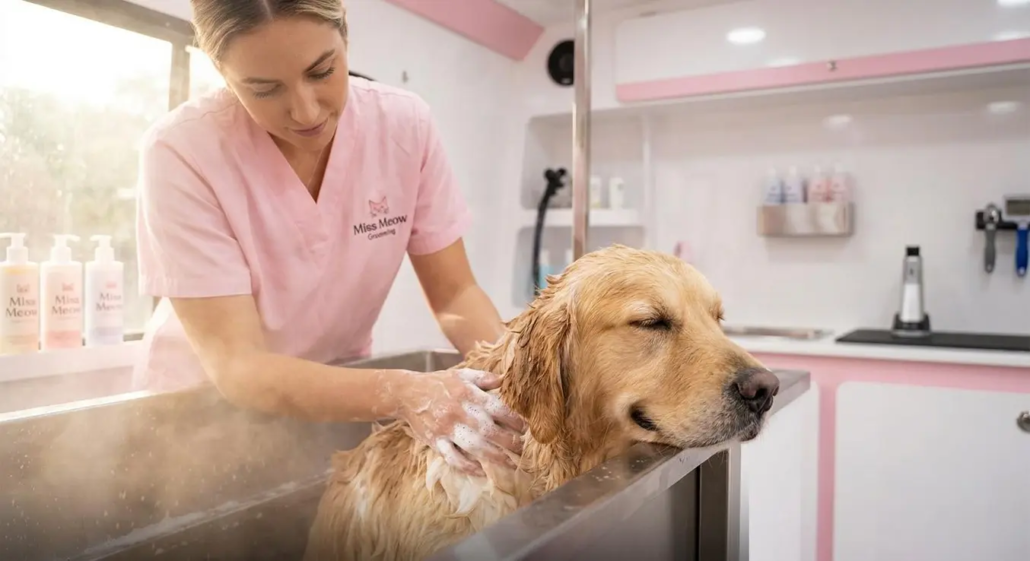
How Massage Therapy During a Bath Calms Anxious Pets
How Massage Therapy During a Bath Calms Anxious Pets
For many pet owners, the mere sound of a running faucet is enough to send their furry companions scurrying under the nearest sofa. It is a scene played out in households across the globe: the frantic scratching against the tub, the mournful howling, and the inevitable “wet dog” shake that leaves the bathroom—and the owner—completely drenched. Bath time, while necessary for hygiene and health, is frequently the most stressful part of a pet’s week. However, what if we could transform this chaotic ordeal into a serene, spa-like experience? The secret lies in a therapeutic approach that combines hygiene with healing. Understanding how massage therapy during a bath calms anxious pets can fundamentally change the relationship your dog or cat has with water, turning a moment of panic into a period of deep relaxation and bonding.
Let’s be honest: our pets are incredibly sensitive creatures. They pick up on our stress, our tone of voice, and even the subtle changes in our body language. When we approach bath time with a “let’s just get this over with” attitude, we unknowingly escalate their anxiety. By introducing tactile therapy, we shift the focus from “cleaning” to “comforting.” This article dives deep into the science and art of pet massage, exploring how the rhythmic application of pressure in a warm environment can soothe the nervous system of even the most fearful animals. When we talk about how massage therapy during a bath calms anxious pets, we aren’t just talking about a few extra scratches behind the ears; we are talking about a deliberate, physiological intervention that lowers cortisol and promotes a sense of safety.
The Psychology of Bath Time Anxiety
To understand why massage is so effective, we must first understand why pets are anxious in the first place. For a dog or a cat, a bathtub is a confined space with slippery surfaces and unpredictable sensory inputs. The sound of rushing water can be deafening to their sensitive ears, and the smell of harsh chemical shampoos can be overwhelming. In fact, many pets experience a “fight or flight” response the moment they enter the bathroom. Their heart rates spike, their muscles tense up, and their pupils dilate. This is not just “bad behavior”—it is a biological reaction to a perceived threat.
This is where the magic of touch comes in. Skin-to-skin (or hand-to-fur) contact is one of the most powerful ways to communicate safety to a mammal. When a pet is stressed, their sympathetic nervous system is in overdrive. Massage works to activate the parasympathetic nervous system, which is responsible for the “rest and digest” state. By learning how massage therapy during a bath calms anxious pets, owners can manually trigger a relaxation response that overrides the fear of the water. It is about creating a new sensory association: water no longer means “threat”; water now means “comfort.”
Understanding How Massage Therapy During a Bath Calms Anxious Pets
The primary reason how massage therapy during a bath calms anxious pets is so successful is the combination of warmth and localized pressure. Warm water naturally helps to dilate blood vessels and relax tight muscles. When you add a deliberate massage technique to this warm environment, you are essentially providing a form of hydrotherapy. The pressure of the massage stimulates the release of endorphins—the body’s natural feel-good chemicals—and oxytocin, which is often called the “bonding hormone.”
Think about your own experiences at a spa. The combination of a warm environment and a skilled therapist’s hands can make the outside world disappear. Our pets feel the same way. When you use slow, rhythmic strokes along their spine or gentle circular motions on their shoulders while the warm water flows over them, you are providing a grounding sensation. This tactile feedback helps the pet stay present in their body rather than spiraling into a panic attack. Over time, the brain begins to associate the bath with these pleasant physical sensations, gradually eroding the deep-seated fear of the grooming process.
The Biological Impact of Tactile Stimulation
From a clinical perspective, the impact of massage on an animal’s physiology is profound. When we look at how massage therapy during a bath calms anxious pets, we see a measurable decrease in heart rate and a stabilization of breathing patterns. Massage helps to move lymph fluid through the body, aiding in detoxification, and it can even help identify hidden lumps, bumps, or skin irritations that might otherwise go unnoticed. For older pets, the benefits are even greater, as the massage can alleviate the pain of arthritis or stiff joints, which is often exacerbated by the cold or the stress of standing on a hard tub surface.
Furthermore, the use of high-quality products during this process is essential. Using a calming, oatmeal-based or lavender-infused shampoo during the massage adds an element of aromatherapy to the mix. However, the hands remain the most important tool. By focusing on specific pressure points—such as the base of the skull, the tips of the ears, and the pads of the paws—you can target the areas where pets hold the most tension. This holistic approach ensures that the pet is being cared for both internally and externally.
Key Techniques for an Effective Bath Massage
You don’t need to be a certified physical therapist to practice basic massage at home, though it certainly helps to know the right moves. The first rule is to start slowly. Never jump straight into a vigorous massage if your pet is already shivering with fear. Begin with “effleurage,” which consists of long, sweeping strokes with the palm of your hand. This helps distribute the water and shampoo while acclimating the pet to your touch in this new environment. As they begin to relax, you can move to “petrissage,” a gentle kneading motion using your fingers and thumbs, particularly around the neck and shoulder blades where many dogs carry their stress.
On the other hand, if you feel overwhelmed by the prospect of managing a wet, squirming pet while trying to perform a therapeutic massage, you aren’t alone. Many owners find that professional help is the best way to bridge the gap. In the busy urban environment of the UAE, many families turn to specialized services to ensure their pets receive this level of care. For instance, opting for mobile pet grooming in Dubai allows your pet to be groomed in a familiar environment, significantly reducing the initial stress levels before the massage even begins.
Why Professional Mobile Grooming Changes the Game
While home bathing is an option, it often lacks the specialized equipment needed for a truly therapeutic experience. Professional groomers, particularly those who specialize in stress-free techniques, understand the nuances of animal behavior. This is where Missmeow Grooming excels. Their professionals are trained to recognize the subtle signs of anxiety that an owner might miss, adjusting their touch and technique to suit the individual temperament of the pet. Whether it is a skittish rescue dog or a senior cat with mobility issues, a professional knows exactly how massage therapy during a bath calms anxious pets by using industry-standard hydro-massage tools and calming techniques.
One of the greatest advantages of using a professional service is the environment. A dog grooming van in Dubai is designed specifically for comfort. Unlike a cramped home bathroom, these vans are equipped with specialized tubs that offer better accessibility and safety. The water pressure is controlled, the temperature is precise, and the groomer can focus 100% of their attention on the pet’s emotional state. This dedicated focus is often what makes the difference between a traumatized pet and one that actually looks forward to their next session.
Special Considerations for Feline Friends
We cannot discuss anxious pets without mentioning cats. If dogs are wary of baths, most cats view them as a personal affront. However, even cats can benefit from the calming effects of massage if handled correctly. The approach for a cat is much more delicate. It involves minimal water and very light, fingertip-based pressure. Because cats are so sensitive to their surroundings, specialized cat grooming services are often the safest route. Professionals know how to use “dry” or “waterless” massage techniques if a full bath is too much, or how to use a gentle misting process combined with massage to keep the feline calm and cooperative.
Cat owners often worry that a bath will ruin their bond with their pet. In reality, when done correctly, the massage can actually strengthen the bond. It’s all about respect and boundaries. A professional groomer will never force a cat into a stressful situation but will instead use massage to “negotiate” a state of calm. This level of expertise ensures that your cat remains clean without the psychological fallout that usually follows a forced bath at home.
The Science of Sound and Scent in the Tub
To maximize the effectiveness of how massage therapy during a bath calms anxious pets, we must look at the environment as a whole. While the massage provides the tactile relief, other senses should be engaged as well. Soft, classical music or white noise can help drown out the scary sounds of clippers or high-velocity dryers. Scent is equally powerful. Using pheromone diffusers or calming essential oils (safe for pets) can create an olfactory “safe zone.”
When you combine these sensory inputs with a professional massage, you are creating a “multi-modal” relaxation experience. This is the gold standard of modern pet care. It’s not just about removing dirt; it’s about providing a mental reset. For pets living in high-energy cities like Dubai, where the heat and noise can be constant stressors, these therapeutic baths act as a much-needed sanctuary. It is an investment in their long-term mental health and well-being.
Practical Steps to Transition Your Pet
If you are looking to start this journey at home, don’t expect perfection on the first try. It is a process of desensitization. You might start by simply sitting with your pet in the empty tub and giving them a dry massage with their favorite treats. Once they are comfortable there, you can introduce a small amount of warm water, focusing on the paws and legs. Every step of the way, use the principles of how massage therapy during a bath calms anxious pets to keep their heart rate low.
If you find that your pet’s anxiety is too high for you to handle alone, don’t hesitate to book a pet grooming appointment with experts who specialize in nervous animals. Sometimes, seeing a professional handle the situation with calm confidence can give you the tools and the template you need to continue the practice at home. It also gives your pet a “clean slate” with someone they don’t associate with previous bath-time struggles.
Understanding the Investment in Your Pet’s Comfort
Many pet owners are surprised to learn that professional grooming with a therapeutic focus is quite accessible. When you look at Miss Meow pricing and packages, you’ll see that you aren’t just paying for a haircut; you are paying for a specialized health service. The value of a calm pet cannot be overstated. A pet that is relaxed during grooming is less likely to develop skin infections, more likely to have their nails trimmed correctly, and less likely to suffer from stress-induced illnesses.
In the long run, investing in how massage therapy during a bath calms anxious pets saves you money on veterinary bills and professional cleaning. More importantly, it saves you the heartache of seeing your best friend in distress. Missmeow Grooming has built its reputation on this very philosophy—that every pet deserves to feel safe and pampered, regardless of their previous experiences with water.
Common Mistakes to Avoid
Even with the best intentions, there are a few things that can derail your progress. First, never use cold water. Cold water causes muscles to contract and triggers an immediate shock response. Second, avoid massaging the face or ears too aggressively, as these are highly sensitive areas that can cause a pet to “snap” if they feel threatened. Third, don’t rush. The moment you start rushing, your movements become jerky and tense, which your pet will immediately interpret as a sign of danger. Finally, never ignore your pet’s body language. If they are showing signs of extreme distress—such as baring teeth, excessive panting, or trying to climb out of the tub—stop the massage and give them a break. The goal is to build trust, not to force compliance.
The Long-Term Benefits of a Calm Bathing Routine
As you continue to implement these techniques, you will notice a shift in your pet’s demeanor. They may stop hiding when they hear the water. They might even start to lean into your hands when they feel the warm suds. This transformation is the ultimate reward. It proves that with patience, the right techniques, and a little bit of professional help, we can overcome even the most deep-seated fears. The concept of how massage therapy during a bath calms anxious pets is a testament to the power of the human-animal bond. It is a language of touch that transcends words, telling our pets that they are safe, they are loved, and they are cared for.
Whether you choose to master these techniques yourself or rely on the expert hands of the team at Missmeow Grooming, the result is the same: a happier, healthier, and much cleaner pet. In a world that can be loud and scary for our four-legged friends, a therapeutic bath is more than just a chore—it is a gift of peace. By focusing on the sensory experience and the physiological needs of our pets, we turn a mundane task into an extraordinary act of love.
So, the next time you prepare for a grooming session, remember the power of massage. Take a deep breath, slow down your movements, and focus on the rhythm of your touch. You might just find that you’re not just cleaning their coat; you’re soothing their soul. The journey toward a stress-free bath time starts with a single stroke and a commitment to understanding the unique needs of your anxious pet. Let the water be warm, the massage be gentle, and the experience be one that strengthens the bond you share for years to come.

